
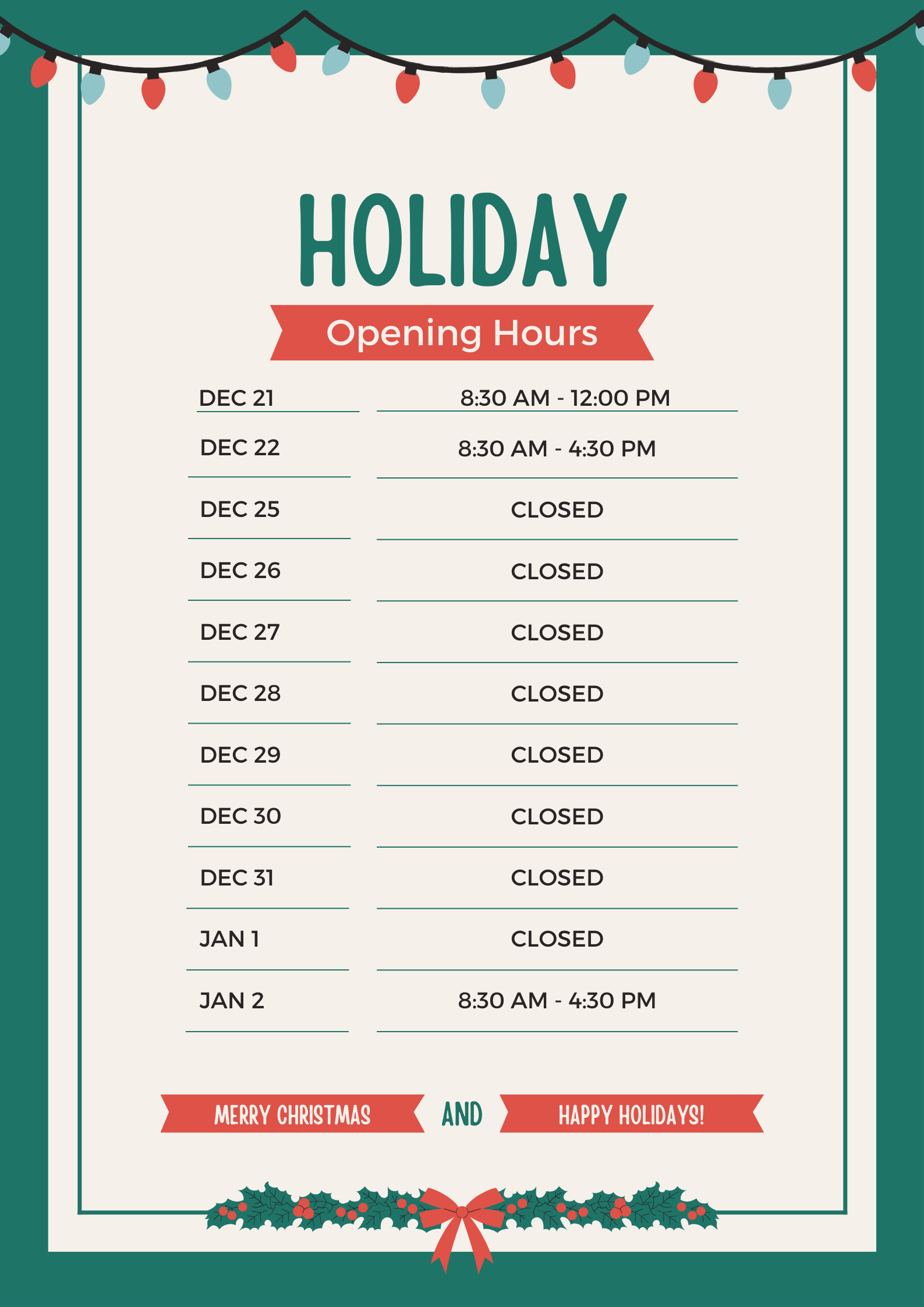
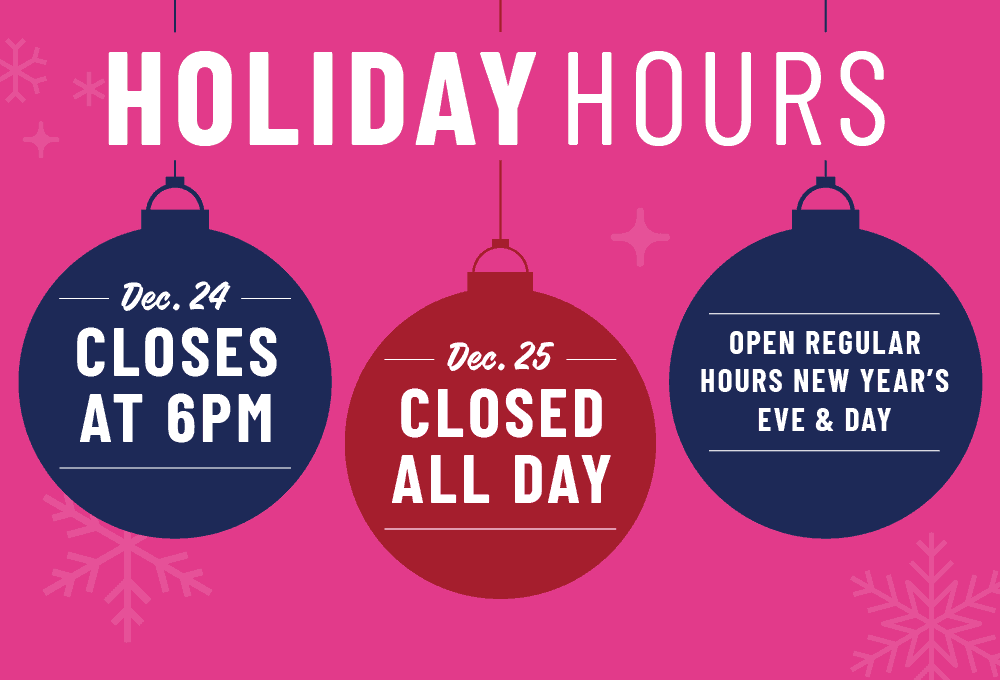
For the modern business owner, the seasonal entrepreneur, and the retail investor, the phrase “holiday hours” represents far more than a simple schedule posted on a storefront or a Google Business profile. In the world of high-stakes finance and operational management, holiday hours are a critical variable in the equation of annual profitability. As the Fourth Quarter (Q4) approaches, the strategic determination of operating hours becomes a high-leverage decision that impacts labor costs, inventory turnover, and total revenue. Navigating these hours requires a deep understanding of market demand, fiscal responsibility, and the delicate balance between capturing peak seasonal spending and overextending operational overhead.
The Economics of Seasonal Scheduling
The primary financial challenge of determining holiday hours is the management of the “break-even” point on an hourly basis. Unlike standard operating windows, the holiday season introduces volatile consumer behavior and increased operational costs. For a business to remain profitable during extended hours, the marginal revenue generated during those additional windows must exceed the marginal cost of staying open.
Labor Costs and the Law of Diminishing Returns
One of the most significant line items in any business budget is labor. During the holidays, this cost is often inflated by holiday pay rates, overtime, and the need for seasonal staffing. When a business decides to extend its hours—staying open until 11:00 PM instead of 9:00 PM, for example—it must account for the reality that consumer foot traffic typically follows a bell curve.
From a financial perspective, the first hour of an extension might be highly profitable, but the final hour often sees a sharp decline in transactions. If a business pays $500 in additional labor and utility costs to stay open for an extra hour, but only generates $400 in gross margin from sales during that window, the decision is a net negative for the bottom line. Calculating the exact “stop-loss” point for operating hours is essential for maintaining healthy margins during the busiest time of the year.
Analyzing Historical Data for Predictive Budgeting
Sophisticated financial management relies on historical data to dictate future scheduling. By reviewing Point of Sale (POS) data from previous years, business owners can identify “dead zones” where extended hours failed to yield a return on investment. This data-driven approach allows for “dynamic scheduling,” where hours are adjusted not just by the day, but by the specific financial potential of each hour. In the Money niche, this is referred to as optimizing the “Revenue Per Available Hour” (RPAH), a metric that helps businesses decide whether the cost of staying open is justified by the probability of high-value transactions.
Maximizing Profitability Through Strategic Availability
The holiday season is often the period where businesses move from “the red” to “the black.” Strategic holiday hours are the mechanism through which this transition occurs. However, maximizing profit isn’t always about being open as long as possible; it is about being open when the highest-intent buyers are active.
The Cost of Missed Opportunity
While overextending hours can drain resources, being closed during peak spending windows carries a significant “opportunity cost.” For a business, the opportunity cost is the profit lost to a competitor because the customer could not access your goods or services. In the digital age, if a brick-and-mortar location is closed, a customer may immediately turn to an online retailer.
To mitigate this, many businesses are adopting a hybrid financial model. They may reduce their physical holiday hours to save on overhead while simultaneously increasing their investment in automated digital sales funnels. This allows the business to capture “holiday hours” revenue 24/7 without the linear increase in staffing costs.
Tiered Staffing and Operational Efficiency
To protect margins during holiday hours, businesses often employ a tiered staffing model. This involves “skeleton crews” during early morning or late-night holiday extensions and “full-strength” teams during the mid-day peak. By aligning payroll directly with expected transaction volume, companies can capture the early-bird and late-night spenders without eroding the profits earned during peak times. This level of financial precision is what separates a successful Q4 from one that merely “breaks even” despite high sales volume.
Holiday Hours in the Gig Economy: A Personal Finance Strategy
The concept of holiday hours extends beyond corporate entities and into the realm of personal finance and side hustles. For individuals looking to boost their annual income, the holiday season offers a unique window where “time” is at its highest market value.

Capitalizing on Surge Pricing and Peak Earning Windows
In the gig economy—encompassing platforms like Uber, DoorDash, and Amazon Flex—holiday hours are synonymous with surge pricing. From a personal finance perspective, an individual can maximize their “hourly rate” by exclusively working during the specific holiday windows when demand outstrips supply. For example, working during the late-night hours of a holiday weekend can yield 1.5x to 3x the standard income.
The strategy here is “intertemporal arbitrage”—sacrificing leisure time during high-value windows to earn a disproportionately high return, which can then be funneled into investments or used to offset personal holiday expenses. For many, the “holiday hours” represent the single best opportunity of the year to generate a significant capital injection for their brokerage accounts or emergency funds.
Diversifying Income Through Seasonal E-Commerce
For those running online side hustles, such as Etsy shops or dropshipping ventures, holiday hours are less about “opening the doors” and more about managing shipping deadlines and customer service windows. The financial risk in this sector involves “late-delivery penalties” and “refund rates.”
An entrepreneur must define their “operational holiday hours” by setting clear cut-off dates for orders. If a seller misses the window for guaranteed Christmas delivery, the resulting refunds and negative reviews can create a financial deficit that lasts well into the first quarter of the following year. Effective time management in this context is a form of risk mitigation.
Navigating Labor Costs and Statutory Obligations
From a business finance and legal perspective, holiday hours are inextricably linked to labor laws and payroll taxes. In many jurisdictions, operating during specific holidays triggers mandatory “time-and-a-half” or “double-time” pay for employees.
The Impact of Statutory Holiday Pay on Margins
A business must carefully calculate whether the projected revenue on a statutory holiday can support an inflated labor cost. For example, if a state requires double-time pay on Christmas Eve, a business’s labor cost effectively doubles. Unless the business can also double its transaction volume or maintain a high enough average order value, it may be more financially sound to remain closed.
This is where “Tax and Labor Optimization” comes into play. Business owners often consult with financial advisors to determine if the tax implications of high holiday payroll (including increased payroll tax contributions) outweigh the potential for year-end revenue growth.
Automated Payroll and Financial Tools
To manage the complexity of holiday hours, many businesses leverage financial tech tools. Automated payroll systems can track holiday pay differentials in real-time, providing the business owner with a clear picture of their “daily burn rate.” By integrating these tools with POS systems, a manager can see a live “Labor-to-Sales” ratio. If the ratio climbs too high during extended holiday hours, they have the financial data needed to make an immediate executive decision to adjust hours for the remainder of the season.
The ROI of Accessibility: Measuring Financial Success
The ultimate goal of setting holiday hours is to maximize the Return on Investment (ROI) of every hour the business is operational. However, the financial success of these hours is not always measured in immediate cash flow.
Customer Lifetime Value (CLV) and Brand Reliability
There is a long-term financial benefit to being reliable. If a customer knows they can count on a business being open during specific holiday windows, the “Customer Lifetime Value” increases. They are more likely to return throughout the following year. This is a form of “brand equity” that has a tangible impact on the company’s valuation. While a specific hour of holiday operation might look like a loss on a weekly spreadsheet, its contribution to customer retention can make it a net gain in the long-term financial forecast.
Post-Holiday Financial Review and Forecasting
Once the holiday season concludes, the final step in managing holiday hours is a comprehensive financial audit. This involves comparing the actual revenue generated during extended hours against the projected costs. This post-mortem analysis is vital for creating a “Cash Flow Forecast” for the following year.
By identifying which specific holiday hours were the most and least profitable, a business can refine its strategy, ensuring that each year becomes more efficient than the last. In the world of money and business finance, holiday hours are not just a calendar entry—they are a sophisticated tool for capital accumulation and operational excellence. By mastering the timing of these hours, businesses and individuals alike can ensure that the holiday season is as profitable as it is festive.
aViewFromTheCave is a participant in the Amazon Services LLC Associates Program, an affiliate advertising program designed to provide a means for sites to earn advertising fees by advertising and linking to Amazon.com. Amazon, the Amazon logo, AmazonSupply, and the AmazonSupply logo are trademarks of Amazon.com, Inc. or its affiliates. As an Amazon Associate we earn affiliate commissions from qualifying purchases.