
In today’s rapidly evolving world, the distinction between “hard” and “soft” skills has become increasingly blurred, yet understanding these categories remains crucial for career advancement and personal development. When we ask, “What is an example of a technical skill?”, we’re pointing to a specific set of abilities that are often learned through formal education, training, or hands-on experience, and are directly applicable to particular tasks or industries. These skills are typically measurable, quantifiable, and in high demand across a vast spectrum of professions, especially within the domains of technology, brand management, and finance that our platform explores.
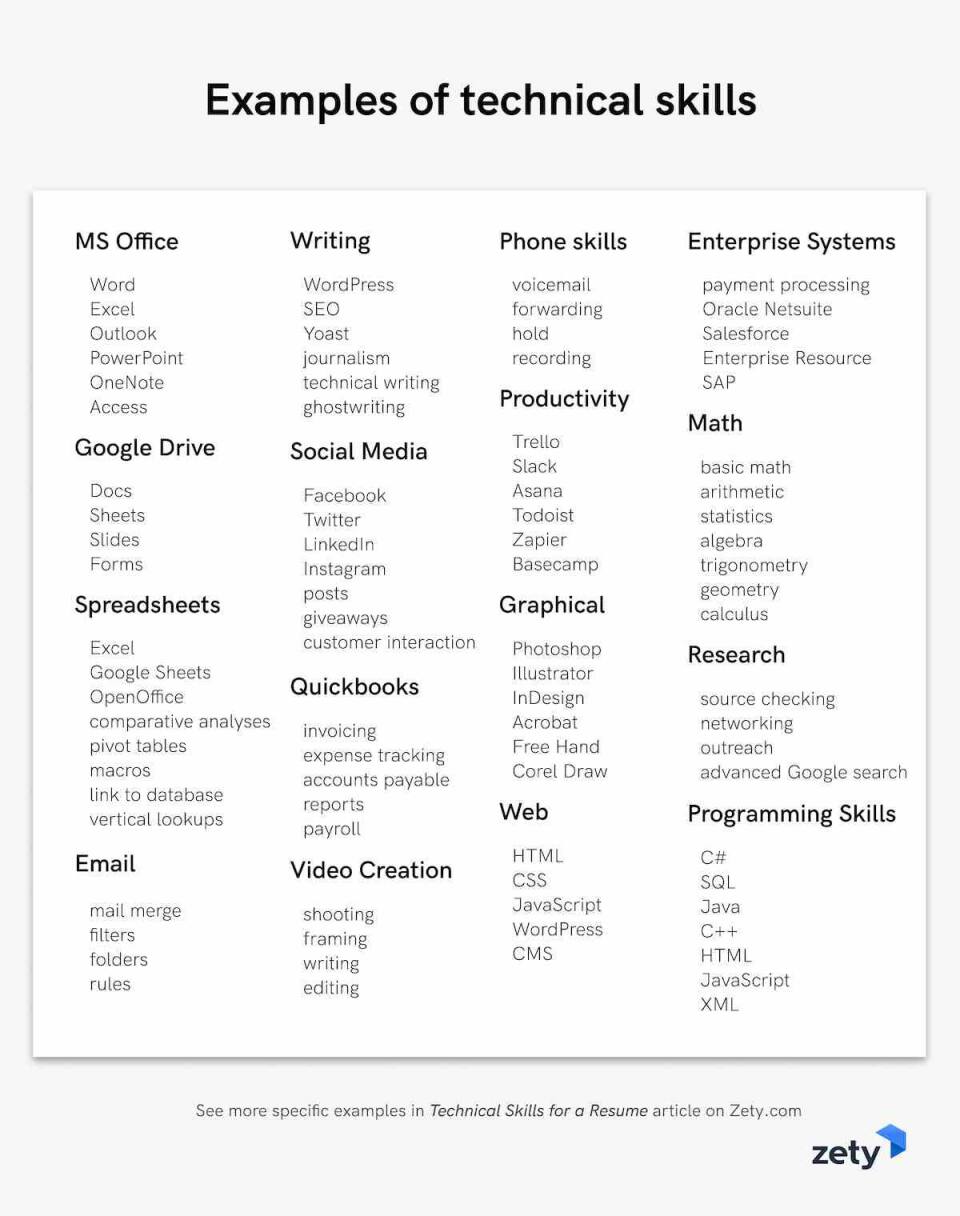
Technical skills are the bedrock upon which much of modern innovation and efficiency is built. They are the “how-to” of a job – the practical knowledge and proficiency required to operate specific tools, understand complex systems, or execute specialized processes. Without a solid foundation in technical skills, many roles would simply be impossible to perform effectively. This article will delve into the essence of technical skills, illustrate them with concrete examples relevant to our core topics, and explain why they are so vital for success in the 21st century.
Understanding the Core of Technical Skills
At its heart, a technical skill is about mastery over specific tools, methodologies, or knowledge domains. Unlike soft skills, which often relate to interpersonal interactions and personal attributes (like communication, leadership, or problem-solving), technical skills are more about tangible expertise. They are acquired through practice, study, and repetition, leading to a demonstrable level of competence.
The Measurable Nature of Technical Proficiency
One of the defining characteristics of technical skills is their inherent measurability. You can often assess proficiency through tests, certifications, portfolios, or the successful completion of specific tasks. For instance, knowing how to code in Python can be evaluated by the quality and functionality of the programs a developer writes. Similarly, a graphic designer’s technical skill in Adobe Photoshop can be judged by the complexity and visual appeal of their creations. This makes technical skills highly valuable to employers who can readily identify and verify candidates’ capabilities.
The Role of Tools and Technologies
Technical skills are intrinsically linked to the tools and technologies that define our professional landscape. Whether it’s the latest software application, a sophisticated piece of machinery, or a complex analytical framework, proficiency in using these instruments constitutes a technical skill. The rapid pace of technological advancement means that continuous learning and adaptation are essential to maintain and enhance one’s technical skillset.
The Foundation for Specialized Roles
Many specialized roles exist solely because of the need for specific technical expertise. A data scientist, a cybersecurity analyst, a financial analyst, or a marketing automation specialist all require a unique blend of technical skills to perform their duties effectively. These skills often represent years of dedicated learning and practical application, distinguishing individuals within their respective fields.
Examples of Technical Skills Across Key Domains
To truly grasp what constitutes a technical skill, let’s explore concrete examples drawn from the core topics that drive our platform: Tech, Brand, and Money.
Technical Skills in the Realm of Tech
The “Tech” domain is, perhaps, the most obvious arena for technical skills. This is where the digital world comes alive, and proficiency with its tools and systems is paramount.
Software Development and Programming
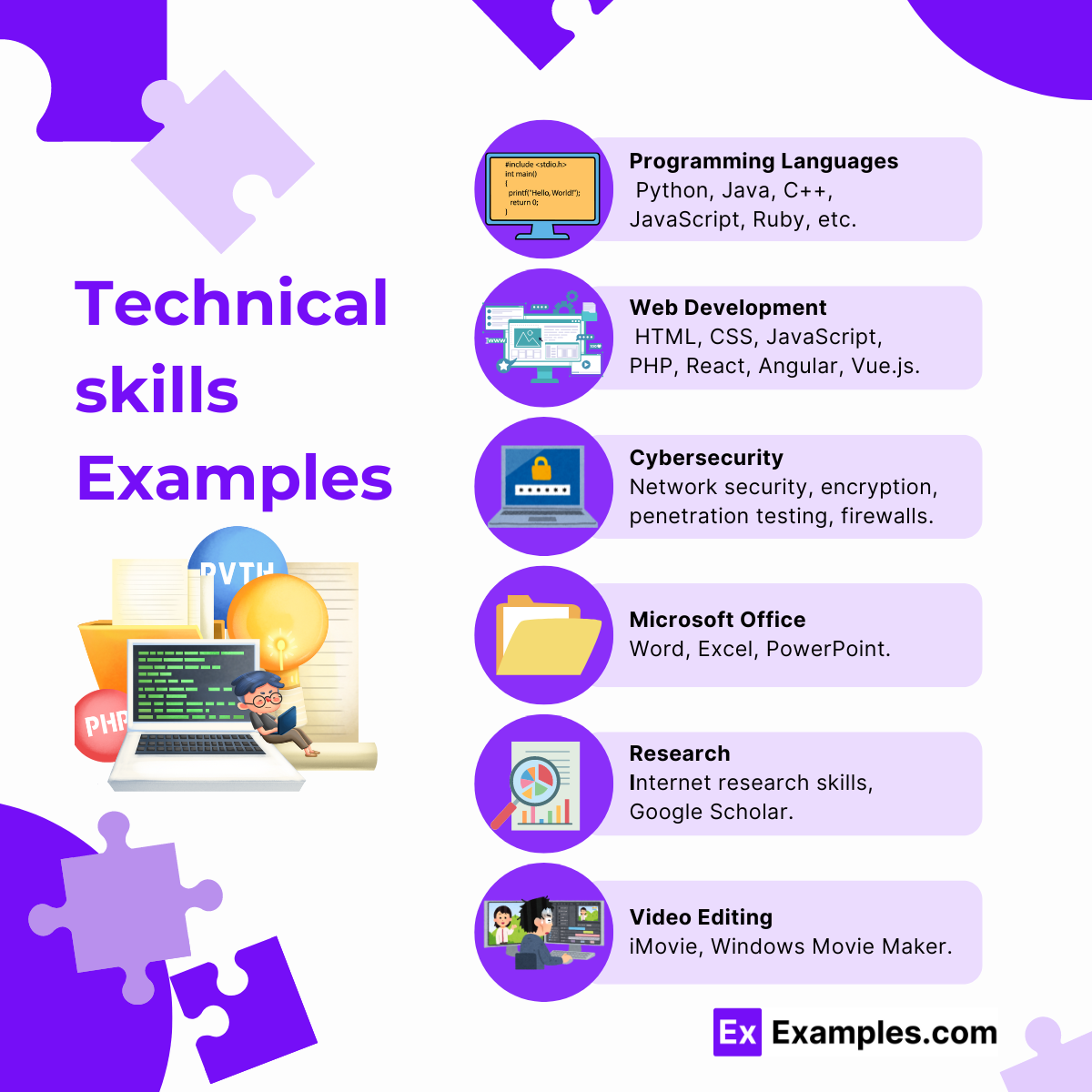
- Programming Languages: Fluency in languages like Python, JavaScript, Java, C++, or Ruby is a fundamental technical skill for software engineers, web developers, and data scientists. This includes understanding syntax, data structures, algorithms, and object-oriented programming principles.
- Web Development Frameworks: Expertise in frameworks such as React, Angular, Vue.js (for front-end), or Node.js, Django, Ruby on Rails (for back-end) allows developers to build robust and scalable web applications.
- Database Management: Skills in SQL (Structured Query Language) and experience with database systems like PostgreSQL, MySQL, MongoDB, or Oracle are essential for storing, retrieving, and managing data efficiently.
- Cloud Computing Platforms: Proficiency with platforms like Amazon Web Services (AWS), Microsoft Azure, or Google Cloud Platform (GCP) is increasingly in demand for deploying, managing, and scaling applications in the cloud.
- Version Control Systems: Mastery of Git and platforms like GitHub or GitLab is crucial for collaborative software development, enabling teams to track changes, merge code, and manage project versions effectively.
Artificial Intelligence (AI) and Machine Learning (ML)
- Machine Learning Algorithms: Understanding and implementing algorithms like linear regression, logistic regression, decision trees, support vector machines (SVMs), and neural networks.
- Deep Learning Frameworks: Proficiency with frameworks such as TensorFlow, PyTorch, or Keras for building and training deep neural networks.
- Data Preprocessing and Feature Engineering: Skills in cleaning, transforming, and preparing data for ML models, as well as creating new features that improve model performance.
- Natural Language Processing (NLP): Developing systems that can understand, interpret, and generate human language, using techniques like tokenization, sentiment analysis, and topic modeling.
Digital Security and Cybersecurity
- Network Security: Understanding firewalls, intrusion detection systems (IDS), intrusion prevention systems (IPS), and VPNs.
- Penetration Testing: The ability to simulate cyberattacks to identify vulnerabilities in systems and networks.
- Cryptography: Knowledge of encryption and decryption techniques to secure data in transit and at rest.
- Incident Response: Developing and executing plans to manage and mitigate security breaches.
- Security Auditing and Compliance: Ensuring systems and processes meet security standards and regulatory requirements.
Productivity and Digital Tools
- Project Management Software: Proficiency with tools like Asana, Trello, Jira, or Monday.com for organizing tasks, managing workflows, and tracking project progress.
- Collaboration Platforms: Expertise in using tools like Slack, Microsoft Teams, or Google Workspace for communication and team collaboration.
- Data Visualization Tools: Skills in using software such as Tableau, Power BI, or Matplotlib to create insightful visual representations of data.
- Spreadsheet Software: Advanced proficiency in Microsoft Excel or Google Sheets, including formulas, pivot tables, and macros, is a surprisingly valuable technical skill across many industries.
Technical Skills in the Sphere of Brand
While “Brand” might conjure images of creativity and strategy, it is deeply intertwined with technical skills, particularly in marketing, design, and analytics.
Digital Marketing and Analytics
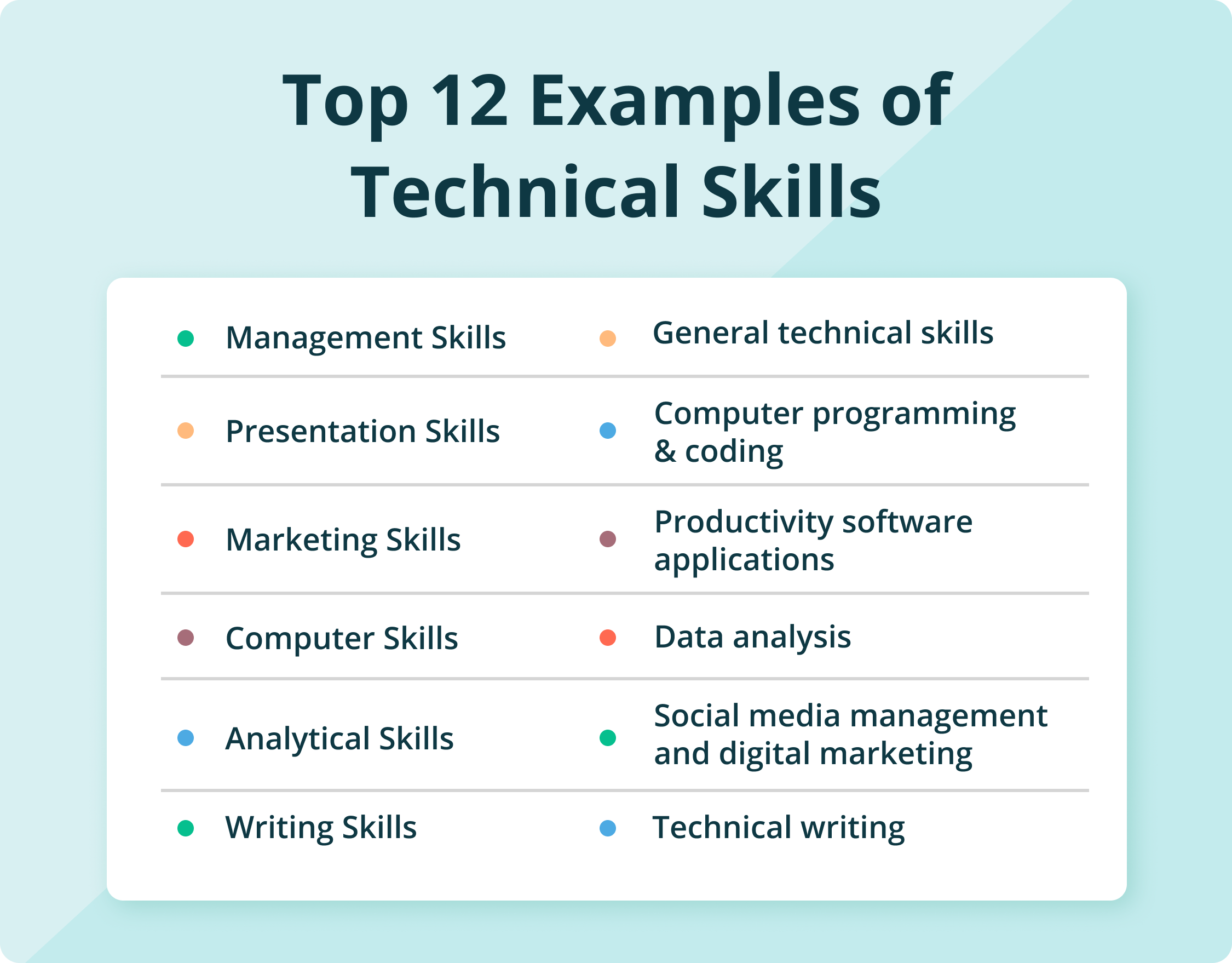
- Search Engine Optimization (SEO): Understanding algorithms, keyword research, on-page optimization, off-page optimization (link building), and technical SEO aspects like site speed and mobile-friendliness.
- Search Engine Marketing (SEM) / Pay-Per-Click (PPC) Advertising: Proficiency in managing campaigns on platforms like Google Ads and Bing Ads, including keyword selection, ad copywriting, bid management, and performance tracking.
- Social Media Marketing Tools: Expertise in using scheduling and analytics tools for platforms like Meta Business Suite, Hootsuite, or Buffer.
- Marketing Automation Platforms: Skills in using tools like HubSpot, Marketo, or Mailchimp to automate marketing campaigns, segment audiences, and nurture leads.
- Web Analytics: Proficiency in tools like Google Analytics to track website traffic, user behavior, conversion rates, and campaign performance.
- A/B Testing and Conversion Rate Optimization (CRO): Designing and implementing tests to improve website usability and drive desired actions.
Design and Content Creation
- Graphic Design Software: Mastery of Adobe Creative Suite (Photoshop, Illustrator, InDesign) or alternatives like Affinity Designer for creating visual assets.
- Video Editing Software: Proficiency in tools like Adobe Premiere Pro, Final Cut Pro, or DaVinci Resolve for producing professional video content.
- Motion Graphics and Animation: Skills in software like Adobe After Effects to create engaging animated visuals.
- Content Management Systems (CMS): Experience with platforms like WordPress, Drupal, or Joomla for managing website content.
- User Interface (UI) and User Experience (UX) Design Tools: Proficiency with tools like Figma, Sketch, or Adobe XD for designing user interfaces and prototypes.
Brand Reputation Management
- Social Listening Tools: Expertise in using tools like Brandwatch, Sprout Social, or Mention to monitor online conversations about a brand, track sentiment, and identify potential crises.
- Online Review Management Platforms: Skills in managing and responding to customer reviews on platforms like Google My Business, Yelp, or Trustpilot.
Technical Skills in the Financial Landscape (Money)
The “Money” domain is inherently technical, requiring a deep understanding of numbers, systems, and analytical tools.
Personal Finance and Investing
- Financial Modeling: Creating spreadsheets and models to forecast financial performance, analyze investment scenarios, and value assets. This often involves advanced Excel skills.
- Spreadsheet Software (Advanced): As mentioned earlier, advanced Excel proficiency is critical for budgeting, tracking investments, and performing financial calculations.
- Investment Research Platforms: Familiarity with platforms like Bloomberg Terminal, Refinitiv Eikon, or even publicly available tools for analyzing market data and company financials.
- Portfolio Management Software: Understanding and using tools to track, analyze, and manage investment portfolios.
- Trading Platforms: Proficiency with online trading platforms for executing buy and sell orders, understanding order types, and monitoring market movements.
Online Income and Side Hustles
- E-commerce Platform Management: Skills in setting up, managing, and optimizing online stores on platforms like Shopify, WooCommerce, or Etsy.
- Digital Marketing for Sales: Applying SEO, SEM, and social media marketing techniques to drive sales for online businesses.
- Website Development (Basic): Even for side hustles, basic website creation and maintenance skills can be highly beneficial.
- Payment Gateway Integration: Understanding how to integrate secure payment processing solutions.
Business Finance and Accounting
- Accounting Software: Proficiency with software like QuickBooks, Xero, or SAP for managing financial records, invoicing, and payroll.
- Financial Analysis: The ability to interpret financial statements, calculate key ratios, and assess a company’s financial health.
- Budgeting and Forecasting Software: Using specialized tools to develop and manage budgets and financial forecasts.
- Data Analysis for Financial Reporting: Using statistical software or advanced spreadsheet functions to analyze financial data for reports.
Why Technical Skills are Indispensable
The relevance of technical skills extends far beyond simply performing a task. They are the engines of progress, the enablers of efficiency, and the differentiators in a competitive job market.
Driving Innovation and Efficiency
Technical skills are the driving force behind technological advancements. From AI algorithms that power personalized recommendations to sophisticated software that automates complex processes, technical expertise allows us to build, improve, and innovate. This, in turn, leads to greater efficiency, reduced costs, and the creation of new products and services that shape our lives.
Enhancing Employability and Career Growth
In virtually every industry, employers are seeking individuals with demonstrable technical skills. Possessing these abilities makes you a more attractive candidate, opens doors to specialized roles, and provides a strong foundation for career advancement. As industries evolve, so too do the technical skills required, making continuous learning a cornerstone of long-term career success. A technical skill can be the key to unlocking promotions, transitioning to higher-paying roles, or even starting your own successful venture.
Empowering Problem-Solving
Many of the complex challenges faced today, whether in business, science, or society, require technical solutions. The ability to analyze a problem from a technical perspective, leverage relevant tools and methodologies, and implement effective solutions is invaluable. Technical skills equip individuals with the logical thinking and practical knowledge needed to tackle multifaceted issues.
Fostering Adaptability in a Changing World
The rapid pace of technological change means that what is considered a cutting-edge technical skill today might be commonplace tomorrow. However, the ability to learn and adapt to new technologies and tools is itself a meta-skill often honed through the acquisition of specific technical competencies. Those who are comfortable with learning and applying new technical skills are inherently more adaptable and resilient in the face of industry shifts.
In conclusion, when we ask “what is an example of a technical skill?”, the answer is multifaceted and ever-expanding. It encompasses a vast array of practical, measurable proficiencies that are essential for success in the modern world. From crafting elegant code to analyzing intricate financial data or designing compelling brand experiences, technical skills are the indispensable tools that empower individuals and drive progress across the interconnected domains of Tech, Brand, and Money. Cultivating and continuously refining these skills is not just a career strategy; it’s a pathway to navigating and shaping the future.
aViewFromTheCave is a participant in the Amazon Services LLC Associates Program, an affiliate advertising program designed to provide a means for sites to earn advertising fees by advertising and linking to Amazon.com. Amazon, the Amazon logo, AmazonSupply, and the AmazonSupply logo are trademarks of Amazon.com, Inc. or its affiliates. As an Amazon Associate we earn affiliate commissions from qualifying purchases.