
In the modern financial landscape, the stock market serves as the engine of global wealth creation. Yet, for many beginning their journey into personal finance, the foundational unit of this system—the share—remains a concept shrouded in abstraction. At its simplest level, a share of stock is a certificate of ownership in a corporation. It represents a fractional claim on everything that company owns and everything it earns. To understand what a share is, however, one must look beyond the ticker symbols on a screen and explore the legal, economic, and strategic dimensions of equity ownership.
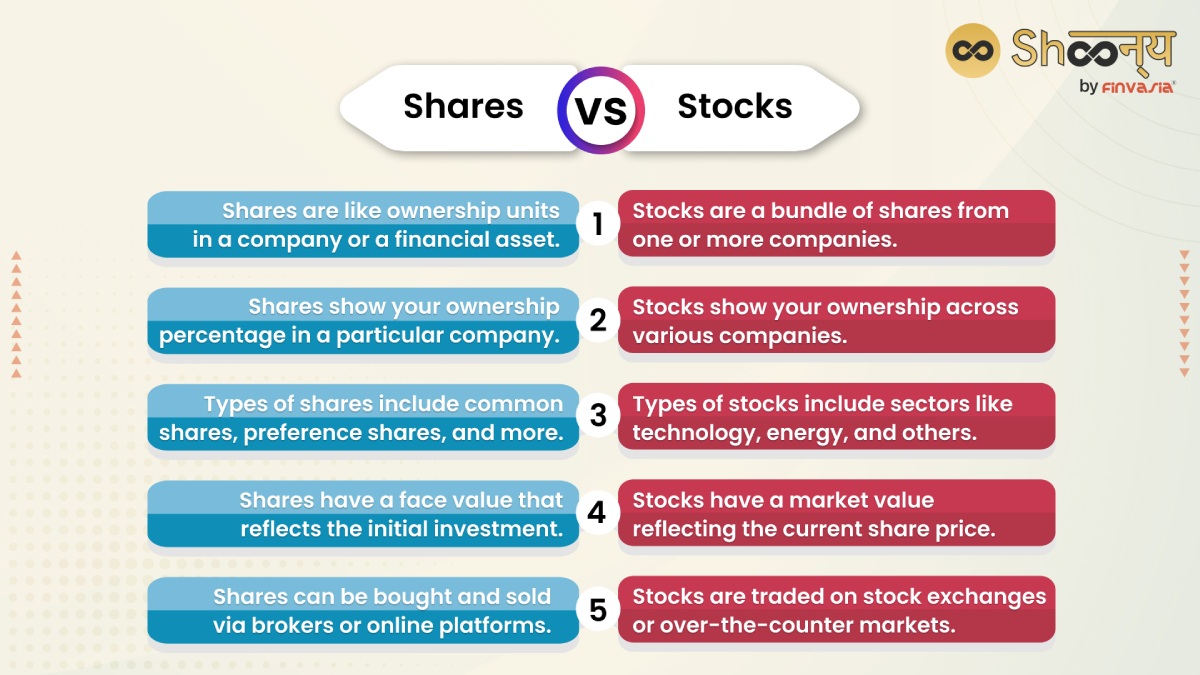
When you purchase a share, you are not merely betting on a price movement; you are becoming a part-owner of a business enterprise. This transition from consumer to owner is the core mechanic of capitalism, allowing individuals to participate in the growth and productivity of the world’s most successful organizations.
The Anatomy of Ownership: Defining the Share
To define a share, we must first define the corporation. A corporation is a legal entity that is separate and distinct from its owners. It can enter into contracts, own property, and be held liable for its actions. Because a corporation is a “legal person,” its ownership can be divided into thousands or even billions of equal units. These units are called shares.
The Legal Reality of Equity
When you hold a share, you hold “equity.” In financial terms, equity represents the residual value of a company after all liabilities have been paid. If a company were to sell all its assets and pay off all its debts, the remaining cash would belong to the shareholders. This makes shareholders “residual claimants.” While bondholders and lenders are paid first, shareholders have a claim on the upside potential. There is no technical limit to how much a share can increase in value, which is why equity is the preferred vehicle for long-term wealth building.
From Private to Public: The Lifecycle of a Share
Most companies begin as private entities owned by a small group of founders or venture capitalists. As a company grows, it often requires vast amounts of capital to expand operations, research new products, or enter international markets. To raise this capital without taking on massive debt, the company may choose to “go public” through an Initial Public Offering (IPO).
During an IPO, the company creates new shares and sells them to the public on a stock exchange. This process transforms the company from a private organization into a public one, where anyone with a brokerage account can buy a piece of the business. Once these shares are in the hands of the public, they trade on the “secondary market,” such as the New York Stock Exchange (NYSE) or the Nasdaq, where the price is determined by the constant flux of supply and demand.
How Shares Create Value for Investors
Investors do not buy shares simply for the sake of ownership; they do so to generate a return on their capital. Ownership in a company provides value through three primary channels: capital appreciation, dividends, and the exercise of corporate rights.
Capital Appreciation
Capital appreciation, often referred to as a “capital gain,” occurs when the market price of a share increases over the price at which it was purchased. This is the most common way investors build wealth in the stock market. The price of a share is generally a reflection of the company’s future earnings potential. If a company grows its profits, innovates successfully, or dominates its industry, investors will pay more for a piece of that success, driving the share price higher.
Dividends and Passive Income
Not all companies reinvest every cent of profit back into the business. Established, mature companies often generate more cash than they can effectively use for internal growth. In these cases, the board of directors may decide to distribute a portion of the earnings back to the shareholders in the form of dividends.
Dividends are typically paid quarterly and represent a tangible reward for ownership. For the long-term investor, dividends provide a stream of passive income. Furthermore, many investors utilize Dividend Reinvestment Plans (DRIPs), where dividends are automatically used to purchase more shares, triggering the power of compounding—where your shares earn dividends, which buy more shares, which then earn even more dividends.

Voting Rights and Shareholder Influence
A share of stock is more than a financial instrument; it is a vote. Common shareholders typically have the right to vote on key corporate matters, such as the election of the board of directors or approval of a merger or acquisition. While a retail investor holding ten shares may have negligible influence over a multi-billion-dollar corporation, the collective power of shareholders ensures that the management team remains accountable to the owners. This democratic element of the stock market ensures that the interests of the managers (the agents) are aligned with the interests of the shareholders (the principals).
The Mechanics of the Stock Market
Understanding what a share is also requires understanding how it is priced and categorized. The stock market is a complex ecosystem where millions of shares change hands every second, yet the underlying mechanics are governed by a few fundamental principles.
Supply, Demand, and Price Discovery
The price of a share at any given moment is the result of “price discovery.” This is the process where buyers (bidders) and sellers (askers) meet to agree on a value. If a company announces a breakthrough product, demand for its shares will rise, and the price will move upward as buyers compete for a limited supply of shares. Conversely, if a company faces a lawsuit or declining sales, shareholders may rush to sell, increasing the supply and forcing the price down to find a level where buyers are willing to step back in.
Common vs. Preferred Stock
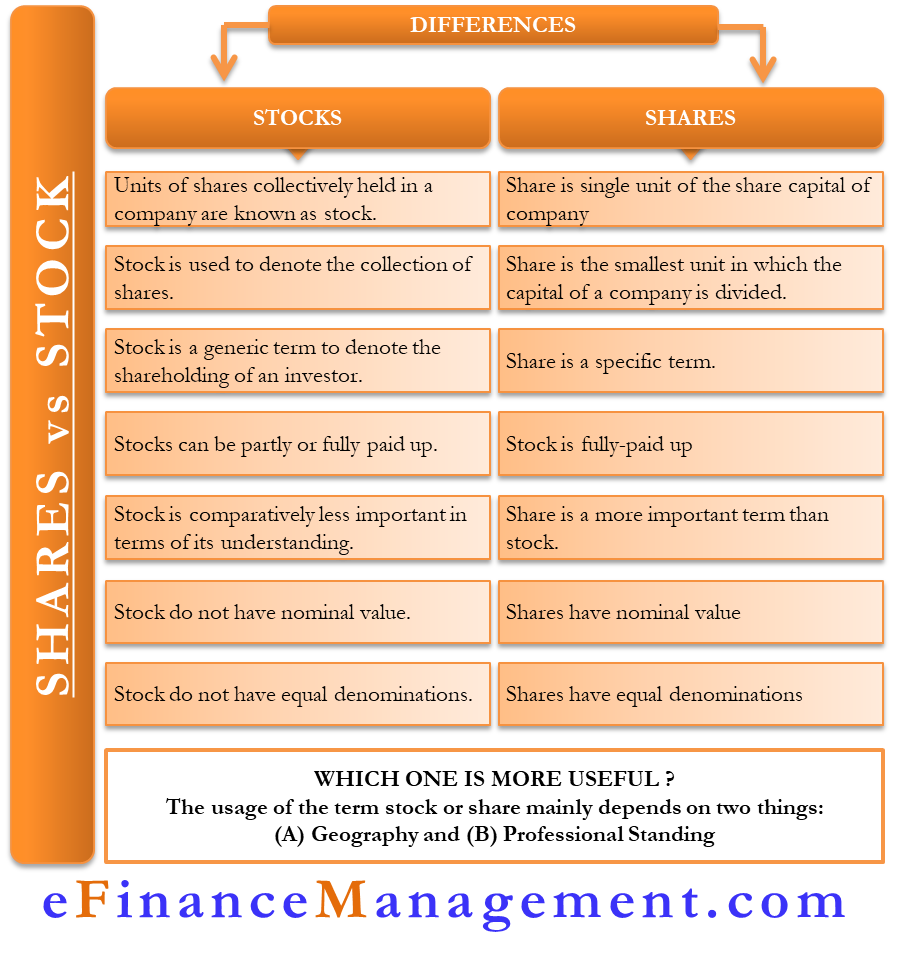
While most people refer to “common stock” when they talk about shares, there is another category known as “preferred stock.”
-
Common Stock: This is the most prevalent form of equity. It offers the highest potential for long-term capital gains and includes voting rights. However, common shareholders are last in line during a liquidation.
-
Preferred Stock: These shares behave more like a hybrid between a stock and a bond. They usually pay a fixed dividend and have a higher claim on assets than common stock, but they typically do not offer voting rights and do not experience the same level of price appreciation as common shares.
Market Capitalization
To understand the total value of a company, investors look at “market capitalization.” This is calculated by multiplying the current share price by the total number of outstanding shares. This metric is crucial because the price of a single share, in isolation, tells you nothing about the company’s size. A company with a $10 share price might be much larger and more valuable than a company with a $500 share price if it has significantly more shares in circulation.
Risks and Rewards: Navigating the Equity Landscape
Investing in shares is a pursuit of reward, but it is inextricably linked to risk. Unlike a bank account where your principal is often insured, the value of a share can fluctuate wildly or even drop to zero.
Market Volatility and Systematic Risk
Share prices are subject to volatility caused by economic cycles, geopolitical events, and changes in interest rates. This is known as systematic risk—the risk inherent to the entire market. Even a “good” company may see its share price drop during a recession because investors are pulling money out of the market as a whole. Understanding that shares are volatile assets is essential for maintaining the emotional discipline required for long-term investing.
Business-Specific Risk
Beyond the broad market, individual companies face unique risks. A change in management, a technological shift that makes a product obsolete, or a regulatory crackdown can cause a specific stock to underperform. This is why financial experts emphasize the importance of “diversification.” By holding shares in many different companies across various sectors, an investor can mitigate the impact of any single company’s failure.
Building a Portfolio: The Strategic Importance of Share Ownership
The ultimate goal of understanding shares is to use them as tools for financial independence. Historically, the stock market has outperformed almost every other asset class, including bonds, real estate, and commodities, over long periods.
By owning shares, an individual moves away from trading time for money and toward a model where their capital works for them. Every share owned represents a small army of employees, managers, and researchers working to generate profit on the shareholder’s behalf. Whether through a 401(k), an IRA, or a standard brokerage account, the accumulation of shares allows an individual to capture the productivity of the global economy.
In conclusion, a share of stock is not just a digital entry in a ledger or a fluctuating line on a chart. It is a legal piece of a business enterprise. It carries with it the right to share in profits, the right to vote on corporate direction, and the potential for life-changing wealth creation. By viewing shares as ownership stakes rather than gambling chips, investors can develop the perspective necessary to navigate the complexities of the financial markets and build a secure financial future.
aViewFromTheCave is a participant in the Amazon Services LLC Associates Program, an affiliate advertising program designed to provide a means for sites to earn advertising fees by advertising and linking to Amazon.com. Amazon, the Amazon logo, AmazonSupply, and the AmazonSupply logo are trademarks of Amazon.com, Inc. or its affiliates. As an Amazon Associate we earn affiliate commissions from qualifying purchases.