
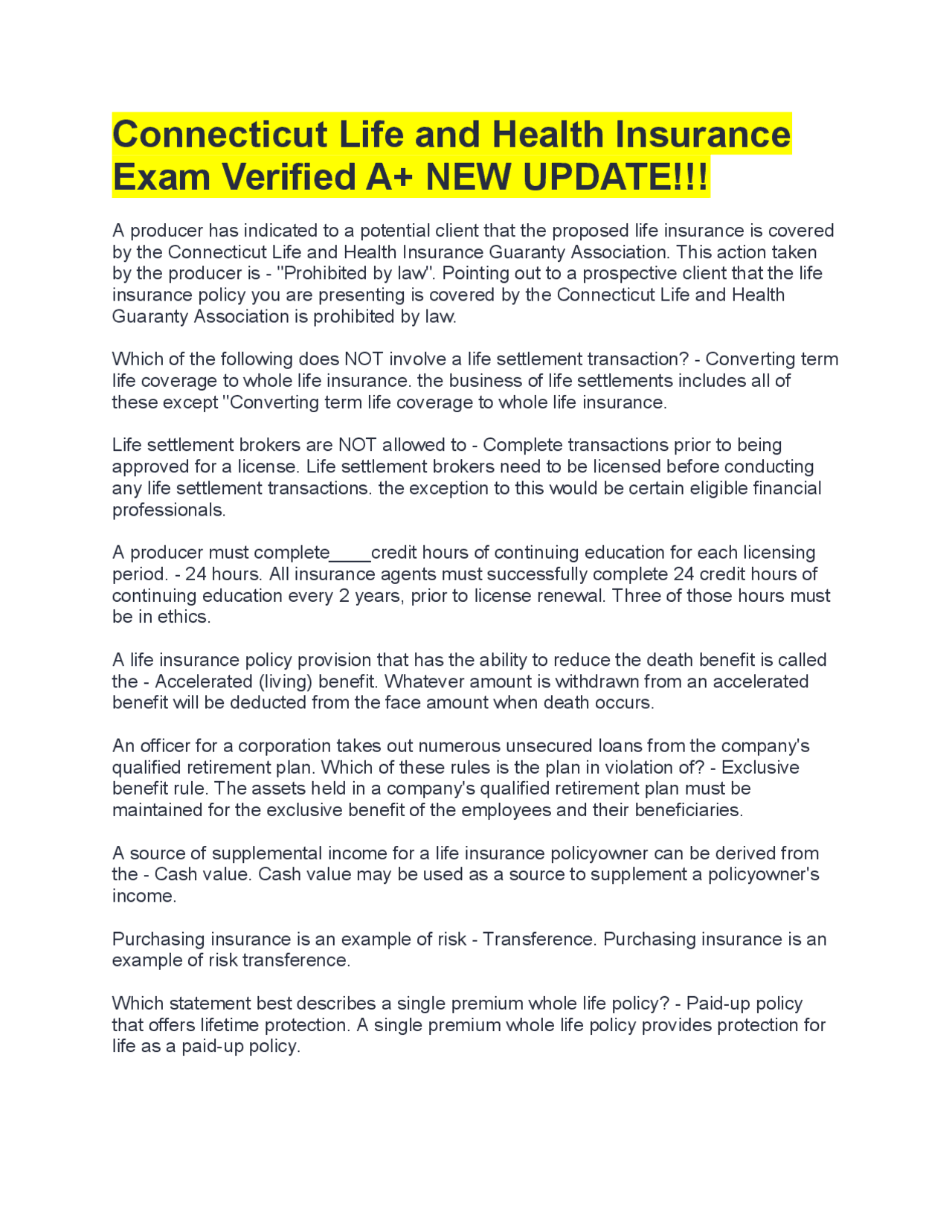
In the landscape of modern financial planning, a single premium whole life (SPWL) policy stands out as a unique hybrid of insurance protection and an investment-like asset. To identify the statement that best describes this vehicle, one must look at its core mechanism: it is a type of life insurance contract where the policyholder makes a one-time, lump-sum payment in exchange for a guaranteed death benefit and immediate cash value accumulation. Unlike traditional whole life policies that require monthly or annual premiums for decades, an SPWL policy is fully funded from day one.
For individuals with significant liquid capital, this financial instrument offers a streamlined way to secure a legacy while maintaining a growing pool of tax-deferred equity. However, the simplicity of a single payment brings with it complex tax implications and structural nuances that distinguish it from other forms of permanent life insurance.
Understanding the Fundamentals of Single Premium Whole Life Insurance
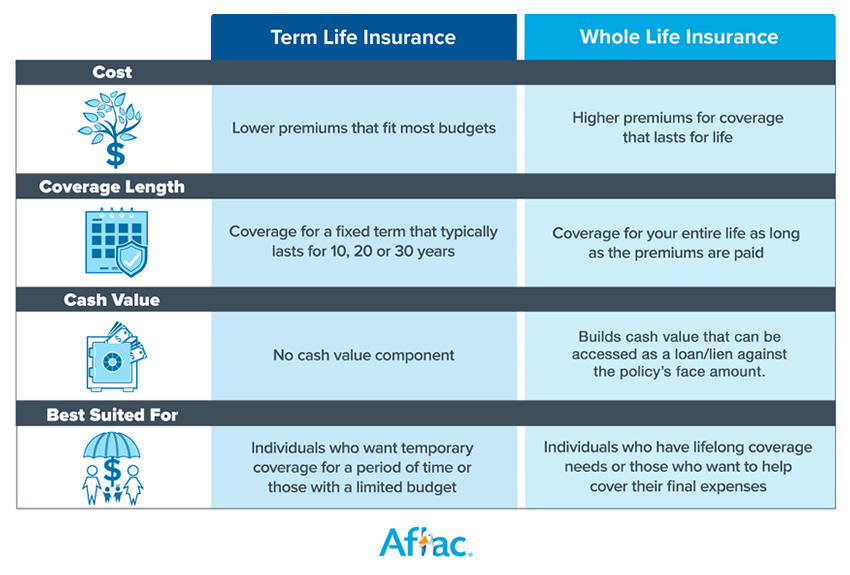
To categorize a single premium whole life policy accurately, one must first understand the mechanics of the “single premium” itself. In a standard life insurance arrangement, the risk is spread over time through recurring payments. With SPWL, the insurer receives the entirety of the premium at the inception of the contract. This large infusion of capital allows the policy to be “paid up” immediately, meaning no further contributions are ever required to keep the coverage in force for the duration of the insured’s life.
The Lump-Sum Mechanism
The primary characteristic of an SPWL policy is its funding structure. Because the insurer has the full premium amount to invest immediately, the policy generates a death benefit that is significantly larger than the initial payment. For example, a 55-year-old individual might deposit $100,000 into a single premium policy and receive an immediate death benefit of $250,000 or more, depending on health and actuarial factors. This immediate “step-up” in value is a hallmark of the product, making it an efficient tool for converting cash into a larger, tax-free inheritance for beneficiaries.
Guaranteed Death Benefit and Cash Value Accumulation
Beyond the death benefit, the policy begins accruing cash value the moment the premium is paid. Because there are no ongoing premium costs to deduct from the policy’s internal growth, the cash value often grows more predictably than in traditional policies. This cash value grows at a guaranteed minimum interest rate set by the insurance company. If the policy is “participating,” the policyholder may also receive dividends, which can be used to purchase additional coverage or be added back into the cash value, further compounding the growth of the asset.
The Financial Mechanics: How It Functions as an Asset
In the context of personal finance, a single premium whole life policy is often viewed as a “safe money” alternative to certificates of deposit (CDs) or high-yield savings accounts. It offers a combination of safety, modest growth, and a significant insurance component that traditional bank products cannot replicate.
Tax-Deferred Growth and Dividends
One of the most compelling financial descriptions of an SPWL policy is its status as a tax-deferred growth engine. The interest and dividends earned within the policy are not subject to annual income taxes. For investors in high tax brackets, this tax-advantaged environment allows the principal to compound more efficiently than it would in a taxable brokerage account. Over a long horizon, the gap between the after-tax return of a taxable investment and the tax-deferred return of an SPWL policy can be substantial.
Liquidity and Policy Loans
While the primary goal of an SPWL policy is often the death benefit, the cash value remains accessible to the policyholder. Most contracts allow for policy loans, where the owner can borrow against the cash value at relatively low interest rates. Because the policyholder is essentially borrowing their own money, there are typically no credit checks or lengthy approval processes. This provides a layer of liquidity for emergencies or opportunistic investments. However, it is important to note that outstanding loans will reduce the death benefit if not repaid before the insured passes away.
Evaluating the Modified Endowment Contract (MEC) Status

Perhaps the most critical technical description of a single premium whole life policy relates to its tax status under the Internal Revenue Code. Due to the high amount of cash funneled into the policy at once, almost all SPWL policies are classified as Modified Endowment Contracts (MECs). This classification is the result of the “7-pay test,” a federal regulation designed to prevent life insurance from being used purely as a tax-free investment vehicle.
The 7-Pay Test and IRS Regulations
The 7-pay test determines whether the total amount of premiums paid into a life insurance policy during its first seven years exceeds the amount needed to have the policy paid up in seven years. Since an SPWL policy is paid up in a single day, it fails this test by definition. Once a policy is labeled a MEC, it loses some of the tax advantages associated with traditional life insurance withdrawals.
Taxation on Withdrawals and Loans
In a non-MEC policy, withdrawals are generally taxed on a “first-in, first-out” (FIFO) basis, meaning you withdraw your tax-free basis (the premiums paid) before you touch the taxable gains. In an SPWL (a MEC), the taxation flips to “last-in, first-out” (LIFO). This means any money taken out through withdrawals or loans is considered taxable income to the extent there are gains in the policy. Additionally, if the policyholder takes money out before age 59½, they may be subject to a 10% IRS penalty, similar to an early withdrawal from an IRA or 401(k). Therefore, a single premium whole life policy is best described as a long-term estate planning tool rather than a short-term savings vehicle.
Strategic Use Cases in Personal Finance and Estate Planning
Financial advisors often recommend SPWL policies for specific demographic profiles, particularly those looking to optimize their estate or solve for potential long-term care needs. For these individuals, the policy is less about the “life insurance” and more about “asset repositioning.”
Wealth Transfer and Legacy Building
The most common description of SPWL in a wealth management context is that of an efficient wealth transfer vehicle. For a senior with “lazy money”—cash sitting in low-interest accounts that they do not intend to spend during their lifetime—repositioning that cash into an SPWL policy provides an immediate increase in the size of the estate. Because life insurance proceeds are generally paid to beneficiaries free of federal income tax, the SPWL policy can be a far more effective way to pass on wealth than a traditional IRA or a taxable brokerage account.
Long-Term Care Provisions and Riders
Many modern single premium whole life policies include “living benefits” or long-term care (LTC) riders. These provisions allow the policyholder to access a portion of the death benefit while they are still alive if they are diagnosed with a chronic or terminal illness. This makes the SPWL policy a “triple threat” in a financial plan: it provides a death benefit if you die, an LTC fund if you get sick, and a cash value reservoir if you need a loan. This versatility is often the deciding factor for retirees who want to protect their assets from the high costs of nursing home care.
Is a Single Premium Whole Life Policy Right for Your Portfolio?
When determining if an SPWL policy is the right fit, one must weigh the opportunity cost of the initial lump sum against the long-term benefits of the contract. It is a decision rooted in risk management and the desire for certainty.
Comparing Single Premium to Traditional Whole Life
A statement describing SPWL should highlight its lack of ongoing commitment compared to traditional whole life. In a traditional policy, there is a risk that the policyholder might lose their income and be unable to pay the premiums, causing the policy to lapse and the insurance to vanish. With SPWL, that risk is entirely eliminated. Once the check is written, the death benefit is guaranteed for life. This “set it and forget it” nature appeals to those who value simplicity and want to avoid the administrative burden of recurring bills.
Risk Assessment and Opportunity Cost
The main drawback of an SPWL policy is the loss of liquidity for the initial premium amount. By locking away $50,000, $100,000, or more into an insurance contract, the investor is giving up the chance to invest that money in higher-risk, higher-reward assets like equities or real estate. Furthermore, because of the MEC rules, the money is not as “liquid” as it would be in a standard brokerage account.
In conclusion, the statement that best describes a single premium whole life policy is that it is a fully funded, permanent insurance contract that maximizes immediate death benefit and tax-deferred growth through a one-time capital injection. It is a specialized financial tool designed for asset protection, tax-efficient wealth transfer, and long-term security. While the MEC classification limits its use as a flexible spending account, its role as a cornerstone for a legacy-focused financial plan is virtually unparalleled in the world of personal finance. For the right individual, it represents the ultimate peace of mind: a guaranteed future, purchased and finalized in a single day.
aViewFromTheCave is a participant in the Amazon Services LLC Associates Program, an affiliate advertising program designed to provide a means for sites to earn advertising fees by advertising and linking to Amazon.com. Amazon, the Amazon logo, AmazonSupply, and the AmazonSupply logo are trademarks of Amazon.com, Inc. or its affiliates. As an Amazon Associate we earn affiliate commissions from qualifying purchases.