
The financial markets are often characterized by a paradox: they are the primary engine for long-term wealth creation, yet they frequently provoke the most acute emotional distress for individual investors. When the headlines turn red and market indices experience a period of turbulence, the most common question—and the most difficult to answer—is “What should I do?”
In the world of personal finance, the answer is rarely a single transaction or a frantic pivot. Instead, managing a portfolio during times of uncertainty requires a blend of psychological discipline, strategic rebalancing, and a focus on fundamental economic indicators. Whether the market is at an all-time high or in the depths of a correction, the actions an investor takes should be rooted in a pre-defined framework rather than a reactionary impulse.
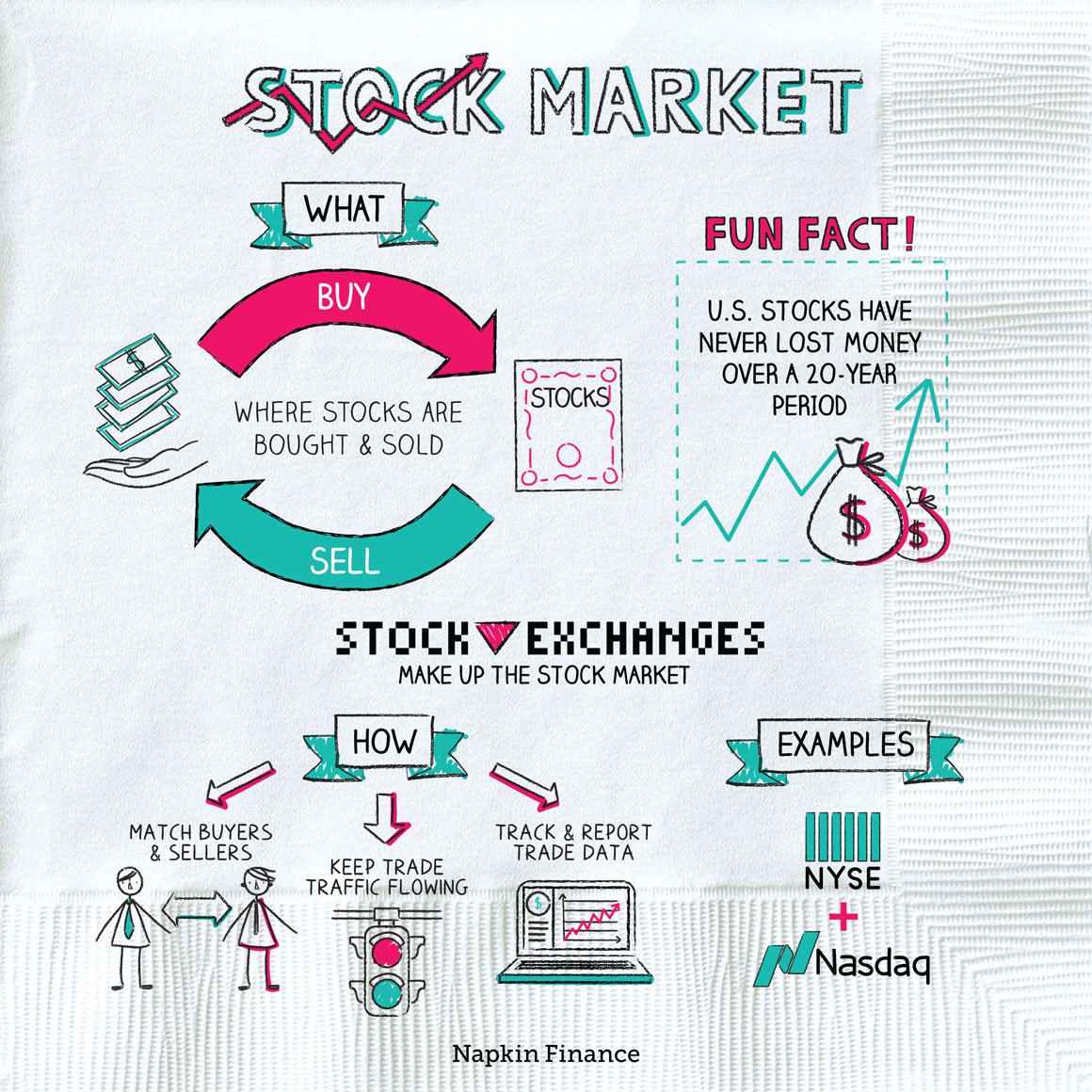
Navigating Volatility: The Psychology of Long-Term Investing
The greatest threat to an investor’s success is often not the fluctuation of stock prices, but the response to those fluctuations. Behavioral finance teaches us that “loss aversion”—the tendency to feel the pain of losses twice as strongly as the joy of gains—can lead to disastrous decision-making. When markets dip, the instinct is to flee; when they surge, the instinct is to chase.
The Cost of Market Timing
Trying to time the market is a strategy that historical data repeatedly proves to be ineffective for the vast majority of participants. Successful market timing requires two perfect decisions: knowing exactly when to exit and exactly when to re-enter. Missing even a handful of the market’s best-performing days can lead to a significant reduction in overall returns. Over a twenty-year period, an investor who missed just the ten best days of the S&P 500 might see their total return cut nearly in half. Therefore, the first thing “to do” about the stock market is often to acknowledge that your time horizon is measured in decades, not days.
Tuning Out the Noise
We live in an era of 24-hour financial news cycles that thrive on sensationalism. Volatility is framed as a crisis, and modest gains are framed as “euphoria.” For the disciplined investor, “doing something” about the market often means doing less consumption of media. Financial news is designed to be actionable, but successful long-term investing is often boring. If your investment thesis was built on the fundamentals of the companies you own or the broad economic growth of the global market, a temporary dip in price should not invalidate that thesis.
Strategic Portfolio Rebalancing and Asset Allocation
If a period of market movement has left your portfolio looking different than it did six months ago, it may be time for a structural audit. Asset allocation—the distribution of your capital across stocks, bonds, real estate, and cash—is the primary driver of your risk and return profile.
The Mechanics of Rebalancing
Rebalancing is the process of bringing your portfolio back to its original target allocation. For example, if your target is 70% stocks and 30% bonds, a major bull market might push your stock allocation to 80%. Conversely, a bear market might drop it to 60%. Rebalancing forces you to do the very thing that is emotionally difficult but financially sound: selling high and buying low. By selling a portion of your “winners” and buying more of your “laggards,” you ensure that you are not over-exposed to a single asset class that may be due for a correction.
Assessing Risk Tolerance in Real Time
There is a significant difference between a theoretical risk tolerance and a practical one. Many investors believe they can handle a 20% drop in their portfolio until they actually see the dollar amount of that loss on their screen. If the current state of the stock market is causing you sleepless nights, it is a clear signal that your current asset allocation is too aggressive for your psychological makeup. Use this time to adjust your “glide path,” perhaps increasing your allocation to fixed income or cash equivalents to provide a buffer against future volatility.
Tactical Opportunities in Uncertain Environments
While “holding the line” is often the best advice, there are specific, tactical maneuvers that can enhance long-term outcomes without resorting to speculation. These tactics take advantage of market conditions to improve tax efficiency and lower the average cost of investments.
The Power of Dollar-Cost Averaging (DCA)
Dollar-cost averaging is the practice of investing a fixed amount of money at regular intervals, regardless of the share price. When the market is down, your fixed investment buys more shares; when it is up, it buys fewer. This removes the emotional weight of “picking the right time” to invest. If you find yourself hesitant to put a lump sum into the market because you fear a further decline, DCA is the most effective psychological and financial bridge. It ensures you are consistently building your position while benefiting from lower prices during downturns.
Tax-Loss Harvesting
In a taxable brokerage account, market downturns offer a unique “silver lining” through tax-loss harvesting. This involves selling securities that are currently at a loss to offset capital gains realized elsewhere in your portfolio. You can also use up to $3,000 of excess losses to offset ordinary income. Once you sell the losing position, you can immediately reinvest the proceeds into a similar (but not “substantially identical”) asset to maintain your market exposure. This technique effectively turns a market loss into a tax asset, enhancing your after-tax returns.
Focus on Dividend Reinvestment
During periods of stagnant price growth, dividends become a crucial component of total return. Ensuring that your dividends are set to “auto-reinvest” allows you to accumulate more shares when prices are low. Over long periods, the compounding effect of reinvested dividends can account for a massive portion of wealth accumulation. If you are looking for “what to do,” checking your DRIP (Dividend Reinvestment Plan) settings is a productive, low-stress action.
Evaluating Sector Fundamentals and Economic Indicators
The stock market is not a monolith; different sectors respond differently to economic shifts such as interest rate changes, inflation, and consumer spending trends. Understanding these nuances can help you refine your perspective on where the market is headed.
Growth vs. Value in a Changing Rate Environment
For the last decade, growth stocks—particularly in the technology sector—dominated the market due to low interest rates. However, as interest rates rise, the “discount rate” applied to future earnings increases, often making growth stocks more volatile. Conversely, value stocks (companies that trade at a lower multiple of their earnings or book value) often prove more resilient in high-rate environments. Determining whether your portfolio is overly tilted toward one of these styles is essential for maintaining balance during an economic transition.
Defensive vs. Cyclical Positioning
In an economic slowdown, “cyclical” sectors like travel, luxury retail, and industrials often take a hit as consumer spending tightens. On the other hand, “defensive” sectors—such as healthcare, utilities, and consumer staples—tend to hold their value because people still need medicine, electricity, and groceries regardless of the economy. If your concern about the market is based on a looming recession, shifting a portion of your equity exposure toward these defensive sectors can provide a smoother ride without exiting the market entirely.
Building a Resilient Financial Foundation
Ultimately, what you should do about the stock market depends largely on what you have done outside the stock market. Your investments do not exist in a vacuum; they are part of a broader financial ecosystem.
Maintaining an Adequate Cash Buffer
The most dangerous position for an investor is being a “forced seller.” This happens when an unexpected life event—such as job loss or a medical emergency—requires you to withdraw money from your portfolio when the market is down. To prevent this, ensure you have a robust emergency fund (typically 3–6 months of living expenses) in a high-yield savings account or money market fund. Having this cash buffer allows you to leave your stock market investments untouched, giving them the time they need to recover and grow.
Reviewing Investment Costs and Fees
One of the few things an investor can truly control is the cost of investing. During periods of low returns, management fees and high expense ratios can eat significantly into your net gains. Review your holdings for high-cost actively managed funds and consider whether low-cost index funds or ETFs could serve the same purpose more efficiently. Reducing your investment expenses by even 0.5% can result in tens of thousands of dollars in additional wealth over a 30-year career.

The Value of Professional Guidance
Finally, if the complexities of the market feel overwhelming, there is significant value in seeking a fiduciary financial advisor. A professional can provide an objective third-party perspective, helping you construct a comprehensive financial plan that accounts for taxes, estate planning, and insurance, rather than just stock picking. Often, the primary role of an advisor is not to “beat the market,” but to act as a behavioral coach, preventing you from making emotional mistakes during times of extreme market stress.
In conclusion, “what to do” about the stock market is rarely about making a bold, transformative move. It is about the quiet, disciplined maintenance of a well-thought-out plan. It involves rebalancing your assets, optimizing your taxes, managing your emotions, and ensuring that your short-term needs are met so your long-term capital can remain at work. The market will always fluctuate, but a steadfast commitment to strategy over sentiment remains the surest path to financial independence.
aViewFromTheCave is a participant in the Amazon Services LLC Associates Program, an affiliate advertising program designed to provide a means for sites to earn advertising fees by advertising and linking to Amazon.com. Amazon, the Amazon logo, AmazonSupply, and the AmazonSupply logo are trademarks of Amazon.com, Inc. or its affiliates. As an Amazon Associate we earn affiliate commissions from qualifying purchases.