
In the world of aviation, few names evoke as visceral a reaction as Spirit Airlines. To the casual observer, the brand is a punchline—a symbol of cramped seats, hidden fees, and a customer service experience that many describe as “terrible.” However, from a brand strategy perspective, the “terribleness” of Spirit Airlines is not a failure of management. It is a calculated, meticulously engineered corporate identity designed to dominate a specific market segment.
Spirit Airlines has built one of the most resilient brands in the sky by leaning into a polarizing identity. While legacy carriers like Delta and United compete on the promise of luxury and reliability, Spirit competes on a singular, uncompromising value proposition: price. In doing so, they have redefined the relationship between consumer expectations and brand delivery, offering a fascinating case study in how a brand can thrive by being intentionally divisive.
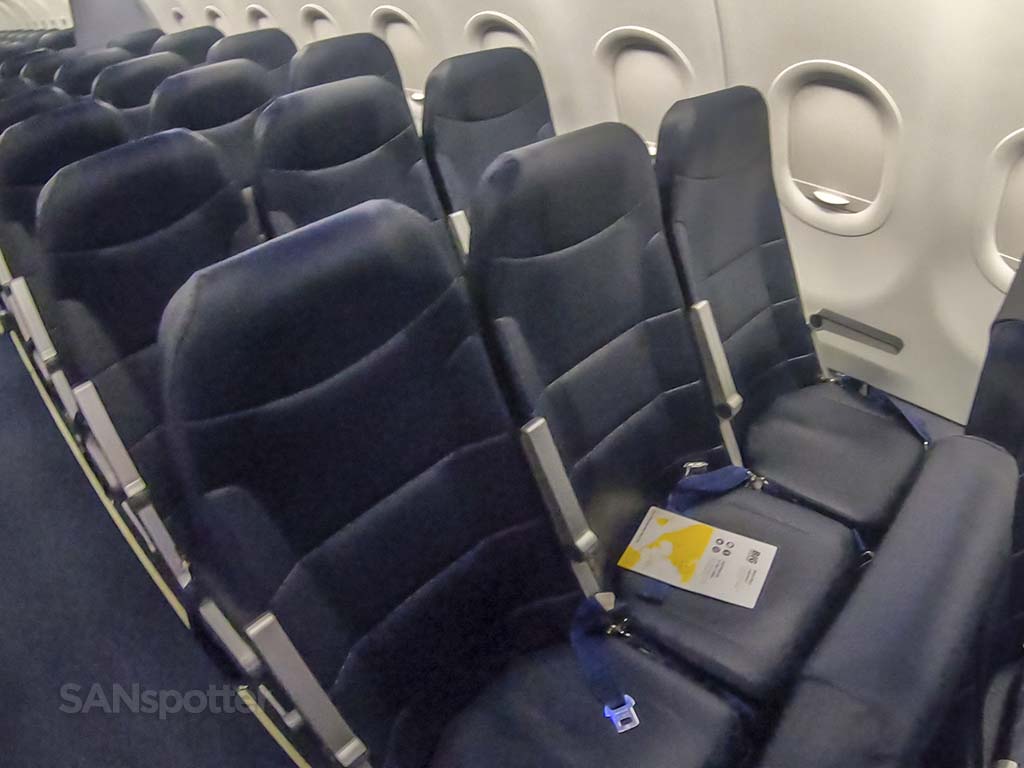
The Architecture of the “Bare Fare” Brand
To understand Spirit’s brand, one must first understand the concept of “unbundling.” Most airlines sell a “bundled” product—your ticket includes a seat, a carry-on bag, perhaps a snack, and the “free” service of a gate agent. Spirit’s brand strategy, however, is built on the “Bare Fare.” This is not just a pricing model; it is the core of their brand identity.
Defining the Value Gap
Spirit’s brand promise is simple: they provide the transportation, and nothing else. By stripping away every conceivable amenity, they create a “Value Gap” that appeals to a specific demographic—the price-sensitive traveler who prioritizes the destination over the journey. This strategy allows Spirit to market themselves as the “democratizer” of flight. Their brand narrative isn’t about the joy of flying; it’s about the freedom that low prices provide.
The Psychology of Radical Transparency
Spirit’s marketing team has historically been remarkably transparent about what they are—and what they are not. Instead of trying to hide their fees, they often highlight them as a way for the consumer to “save money by only paying for what they use.” This radical transparency serves as a defensive shield. When a customer complains about a $60 carry-on fee, the brand’s implicit response is: “We told you it wasn’t included.” This shifts the burden of the “terrible” experience from the brand to the consumer’s choice, a bold move in corporate identity management.
The Yellow Identity: Visibility and Low-Cost Cues
Branding is as much about visual cues as it is about service. Spirit’s choice of bright, taxi-cab yellow for its livery and digital assets is a deliberate branding move. In the world of color psychology, yellow is often associated with clarity, optimism, and—most importantly—affordability. By mirroring the visual language of discount retailers and budget services, Spirit signals its market position before a passenger even steps on the plane. It is a visual “low-price” guarantee that prepares the customer for a utilitarian experience.
The Anti-Hero of the Skies: Marketing Through Provocation
While most brands spend millions trying to be “liked,” Spirit has often spent its marketing budget leaning into its reputation as the “bad boy” of the industry. This “Anti-Hero” branding is a high-risk, high-reward strategy that differentiates them in a sea of corporate sameness.
Embracing the Hate
Spirit has famously used self-deprecating humor and provocative ad campaigns to address its reputation. One of their most famous campaigns invited customers to “Hate-Thousand” them—a play on words where customers could earn frequent flyer miles by airing their grievances about the airline. This was a masterstroke in brand engagement. It acknowledged the negative sentiment, neutralized it through humor, and simultaneously gathered massive amounts of market research data on consumer pain points.
Leveraging Friction as a Filter
In brand strategy, “friction” is usually something to be avoided. However, Spirit uses friction as a filter to ensure they are attracting the right kind of customer. A business traveler who expects a quiet cabin and a hot meal is a “bad” customer for Spirit; they will be unhappy and vocal about it. By maintaining a “terrible” reputation among luxury seekers, Spirit filters for the budget-conscious traveler who is willing to tolerate the lack of frills in exchange for a $40 ticket. The brand doesn’t want everyone; it only wants the people who value price above all else.
Viral Marketing on a Budget
Spirit’s marketing often mirrors its business model: low-cost and high-impact. Their social media presence and ad campaigns are often topical, irreverent, and occasionally controversial. This keeps the brand in the public consciousness without the massive ad spend required for “prestige” branding. Whether people are laughing with them or at them, they are talking about them—and in the crowded airline market, attention is currency.
Operational Reality vs. Brand Perception
A brand is a promise kept. When people call Spirit “terrible,” they are often reacting to a misalignment between their expectations and the reality of the service. However, if we look at the metrics that define operational success in the airline industry, a different story emerges.
The Myth of Unreliability
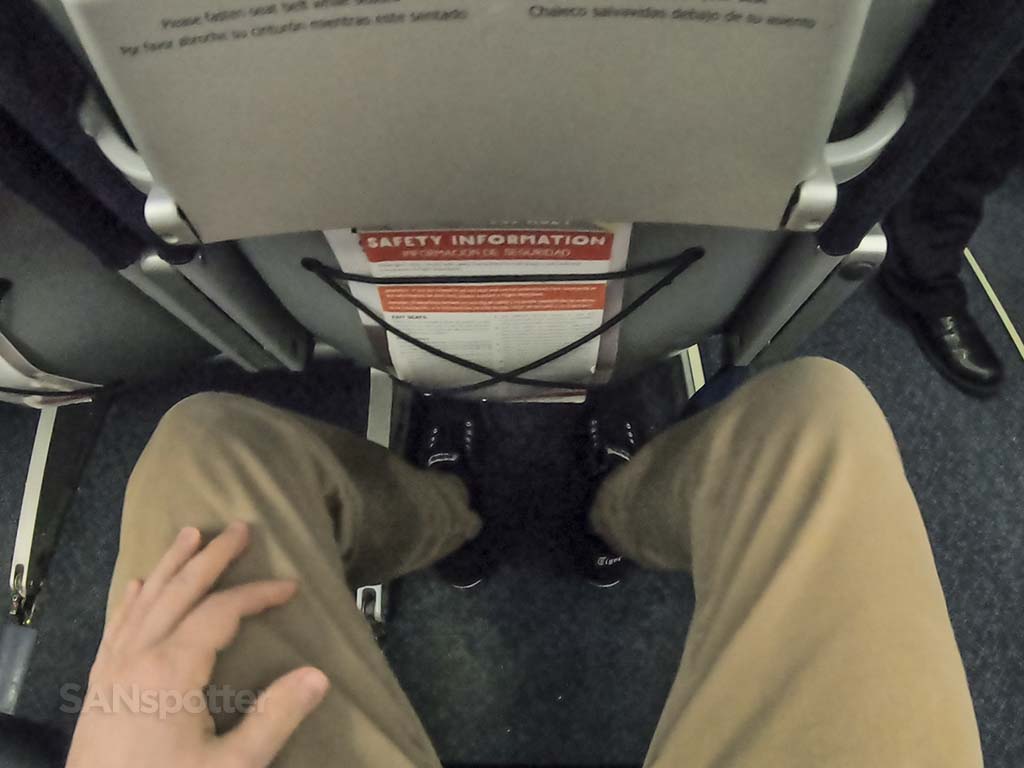
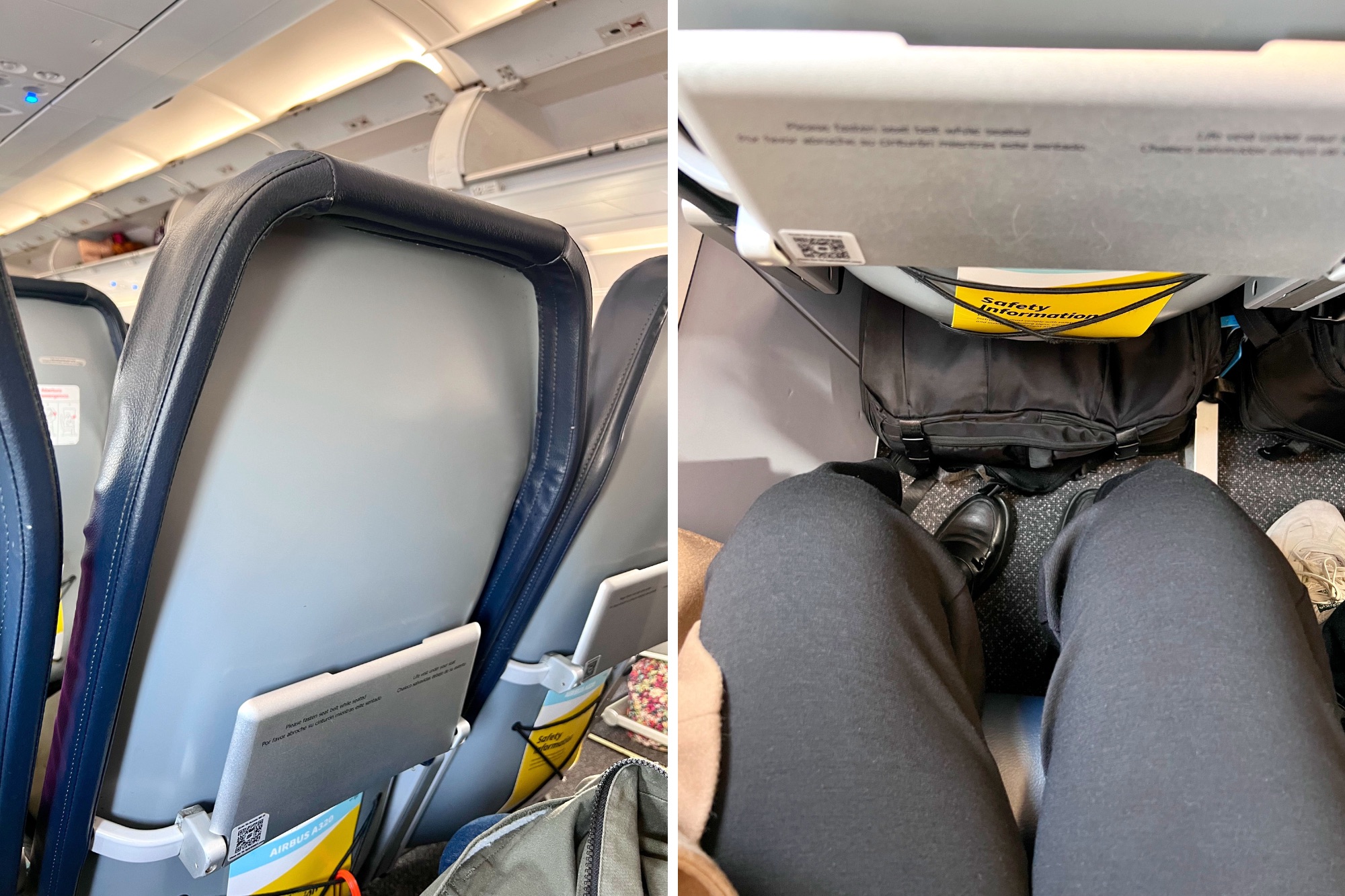
Interestingly, Spirit’s operational statistics—such as on-time performance and baggage handling—often rival those of the major legacy carriers. The “terrible” label is frequently more about the experience of the cabin (lack of reclining seats, tight pitch, no Wi-Fi) than the actual mechanical or operational failure of the airline. From a brand management perspective, Spirit has a “perceived quality” problem, not necessarily a “functional quality” problem.
Ancillary Revenue: The Secret Brand Engine
The Spirit brand is essentially a high-frequency retail operation that happens to own airplanes. Their brand identity is built to support an ancillary revenue model. By charging for water, seat assignments, and printing boarding passes, they have created a revenue stream that is independent of the base fare. This allows the brand to remain financially resilient even when fuel prices rise or demand fluctuates. The brand’s identity is the “hook” that gets people in the door, while the “add-ons” are the engine of profitability.
Consistency is the Ultimate Brand Metric
The most successful brands are consistent. You know exactly what you are going to get when you walk into a McDonald’s, and you know exactly what you are going to get when you board a Spirit flight. There is a certain brand equity in reliability, even if the thing being relied upon is a lack of luxury. Spirit’s consistency in delivering a no-frills, low-cost experience is what keeps their “ULCC” (Ultra-Low-Cost Carrier) loyalists coming back.
The Competitive Moat of a “Bad” Reputation
In a strange twist of market dynamics, Spirit’s reputation for being “terrible” actually serves as a competitive moat. It protects the brand from certain types of competition and allows it to dominate the bottom tier of the market with little interference.
Deterring the Legacy Entrants
When legacy carriers like American or Delta try to compete with Spirit by introducing “Basic Economy” fares, they face a brand dilution risk. If Delta’s service becomes too much like Spirit’s, they risk alienating their high-paying business class customers. Spirit, having already “bottomed out” its reputation, has no such risk. They can operate at the lowest possible cost because their brand doesn’t require them to maintain the expensive infrastructure of “prestige.”
The Elasticity of the Budget Traveler
Spirit has tapped into a segment of the market that is incredibly price-elastic. For these travelers, the brand preference is almost entirely transactional. By positioning itself as the absolute floor of the pricing market, Spirit ensures that as long as they are the cheapest, they will have a customer base. Their brand is a “utility brand,” much like a discount grocery store or a budget motel. It is chosen out of necessity and logic, rather than emotion or aspiration.
Resilience in Economic Downturns
Brand strategy often focuses on how to thrive in good times, but Spirit’s brand is built for the bad times. During economic recessions, consumers who would normally fly JetBlue or Southwest “trade down” to Spirit. Because their brand identity is already synonymous with “cheapest,” they don’t have to pivot their marketing when the economy soure; they simply wait for the market to come to them.
Conclusion: Is Spirit Actually “Terrible”?
If we define “terrible” as failing to meet customer expectations, then Spirit Airlines is only terrible for the customer who hasn’t been paying attention. From a brand strategy and corporate identity standpoint, Spirit is an overwhelming success. They have carved out a distinct, recognizable, and highly profitable niche in one of the most difficult industries in the world.
They have achieved the holy grail of branding: they have made their name synonymous with a specific category (low-cost travel). They have used their “terrible” reputation as a tool for market segmentation, a filter for customer acquisition, and a shield against legacy competition. Spirit Airlines isn’t “terrible” by accident; it is “terrible” by design. And as long as there are travelers who value an extra $100 in their pocket more than a free bag of pretzels and a reclining seat, the Spirit brand will continue to soar—yellow, loud, and unrepentant.
aViewFromTheCave is a participant in the Amazon Services LLC Associates Program, an affiliate advertising program designed to provide a means for sites to earn advertising fees by advertising and linking to Amazon.com. Amazon, the Amazon logo, AmazonSupply, and the AmazonSupply logo are trademarks of Amazon.com, Inc. or its affiliates. As an Amazon Associate we earn affiliate commissions from qualifying purchases.