
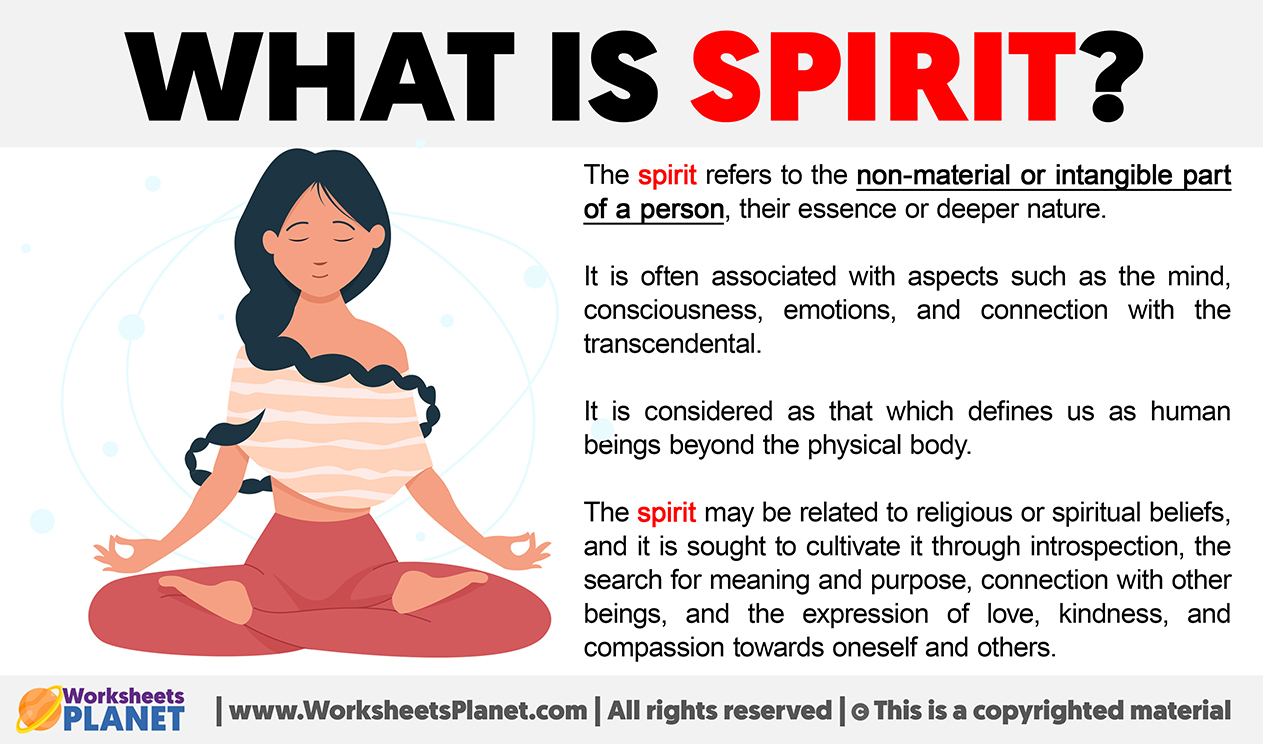
In the contemporary marketplace, where products are often indistinguishable and services are rapidly commoditized, the differentiator is rarely the “what.” Instead, it is the “spirit”—that elusive, intangible quality that animates a brand, dictates its culture, and forges a visceral connection with its audience. When we ask, “What spirit?” in the context of brand strategy, we are not searching for a ghost in the machine; we are seeking the fundamental ethos that gives a company its life, its direction, and its unique fingerprint in a crowded digital landscape.
The spirit of a brand is its psychological and emotional core. It is the bridge between a functional value proposition and a lifelong customer relationship. Without a defined spirit, a brand is merely a logo, a color palette, and a set of features. With it, a brand becomes a movement, a lifestyle, or a trusted partner. Understanding and articulating this spirit is the most critical task for any modern brand strategist.

The Anatomy of Brand Spirit: Beyond Logos and Taglines
To understand what constitutes the spirit of a brand, one must look beneath the surface of visual identity. While a logo is a symbol of the spirit, it is not the spirit itself. The spirit is composed of the collective intentions, values, and personality traits that govern how a brand behaves in the world.
The Foundation of Purpose
At the heart of every powerful brand spirit is a sense of purpose. This is the “Why” that Simon Sinek famously identified, but in the context of spirit, it goes deeper into the ontological existence of the business. Does the brand exist to disrupt status quos, to provide comfort, to fuel ambition, or to protect the planet? This purpose acts as the North Star, ensuring that every marketing campaign, product launch, and customer service interaction feels cohesive. When the spirit is grounded in a clear purpose, consumers don’t just buy a product; they buy into a worldview.
The Role of Archetypes
Psychological archetypes play a massive role in defining brand spirit. Whether a brand embodies “The Hero” (Nike), “The Innocent” (Dove), or “The Outlaw” (Harley-Davidson), these archetypes provide a blueprint for the brand’s spirit. They tap into universal human experiences and narratives, making the brand feel familiar and relatable. Identifying the correct archetype allows a brand to maintain a consistent spirit across various media, ensuring that the tone of voice and visual language always feel “in character.”
Emotional Resonance and Vitality
A brand spirit must have vitality—it must feel alive. This is achieved through emotional resonance. Static brands talk at their customers; spirited brands talk with them. This vitality is expressed through the brand’s energy. Is it calm and minimalist, or high-octane and aggressive? This emotional frequency is what attracts a specific tribe of consumers. When a customer says, “That brand just feels like me,” they are identifying with the spirit, not just the utility of the product.
Cultivating Authenticity in a Saturated Market
In an era of hyper-transparency, consumers have developed a sophisticated radar for “spirit-washing”—the act of claiming a brand spirit that does not match the company’s internal reality. Authenticity is the fuel that keeps a brand’s spirit burning. If the external projection of the brand (the marketing) is decoupled from the internal culture (the reality), the spirit becomes diluted and, eventually, toxic.
Closing the Gap Between Promise and Performance
The most successful brands are those where the spirit is evident in every touchpoint. If a brand claims a spirit of innovation but has a bureaucratic, slow-moving customer support system, the spirit is broken. Authenticity requires a rigorous alignment between the brand’s high-level strategy and its ground-level execution. This means that “What spirit?” must be answered by the product designers, the social media managers, and the supply chain logistics team alike.
The Power of Vulnerability
Ironically, a strong brand spirit is often bolstered by vulnerability. In a world of polished, AI-generated perfection, brands that admit to mistakes or share their “work-in-progress” journeys often exhibit a more human and relatable spirit. This transparency builds trust, which is the bedrock of any spiritual connection between a brand and its audience. A spirit that is “too perfect” often feels synthetic; a spirit that is “real” feels resilient.
Navigating Cultural Shifts
The spirit of a brand must be both timeless and timely. While the core values should remain constant, the expression of that spirit must evolve with cultural shifts. A brand with a spirit of “pioneering” in the 1960s looks very different from a pioneer in the 2020s. The challenge for brand strategists is to maintain the essence of the spirit while updating the context in which it lives. This prevents the brand from becoming a relic while ensuring it doesn’t lose its soul by chasing every passing trend.
The Internal Spirit: Aligning Culture and Identity
A brand’s spirit is not something that can be manufactured by an external agency and “applied” to a company. It must be cultivated from within. The internal culture of an organization is the primary incubator for the brand spirit. If the employees do not embody the spirit, the customers never will.
Employee Advocacy as Spiritual Transmission
Employees are the primary ambassadors of the brand spirit. When a staff member interacts with a client, they are transmitting the brand’s essence. This is why recruitment and internal training are essential components of brand strategy. Companies like Zappos or Southwest Airlines have built legendary brands not just through advertising, but by hiring people who naturally resonate with the company’s spirit. This creates a feedback loop where the internal culture reinforces the external brand, making the spirit palpable to the outside world.
Leadership and the “Chief Spirit Officer”
While it may not be a formal title, the CEO and the leadership team are the stewards of the brand spirit. Their decisions, communication style, and ethics set the tone for the entire organization. When leadership acts in a way that contradicts the brand spirit, it creates a “spiritual dissonance” that can demoralize employees and confuse customers. Strategic leadership involves constantly asking, “Does this decision reflect our spirit?” If the answer is no, the short-term gain is rarely worth the long-term erosion of brand equity.
Storytelling as a Cultural Glue
Internal storytelling is how the brand spirit is passed down and preserved. Sharing stories of how the company overcame challenges, how a particular product was conceived, or how a customer’s life was changed creates a shared mythology. This mythology gives employees a sense of belonging and purpose, ensuring that they are not just working for a paycheck, but are contributors to a larger, spirited mission.
Projecting the Spirit: Marketing and Design Strategy
Once the spirit is defined and cultivated internally, it must be projected into the world through marketing and design. This is where the intangible becomes tangible. The goal is to create a sensory experience that allows the consumer to “feel” the brand spirit without needing a manual to explain it.
Visual Identity as a Spiritual Language
Every design choice—from typography and color theory to white space and imagery—communicates a facet of the brand spirit. A brand with a spirit of “disruption” might use high-contrast colors and brutalist typography. A brand with a spirit of “heritage” might lean into serif fonts and muted, earthy tones. These visual cues work on a subconscious level, signaling to the viewer what kind of spirit they are engaging with. Consistency across these elements is what creates a recognizable “vibe.”
Content Strategy and Voice
The “voice” of the brand is the spirit’s verbal manifestation. Is the brand witty, authoritative, empathetic, or rebellious? This voice should be consistent across all platforms, from long-form white papers to 280-character tweets. A brand spirit is effectively projected when the audience can recognize a piece of content as belonging to that brand even if the logo is removed. This requires a deep understanding of the brand’s personality and a commitment to maintaining that voice even when it’s difficult.
Experiential Branding and Sensory Touchpoints
In the digital age, physical touchpoints have become even more potent expressions of brand spirit. The unboxing experience of an Apple product, the scent of a luxury hotel lobby, or the layout of a retail store are all opportunities to immerse the customer in the brand’s spirit. These experiential elements bypass the rational mind and create an emotional memory. When a brand manages to engage multiple senses in a way that is consistent with its spirit, it creates a powerful and lasting impression.
The Longevity of Spirit: Measuring Brand Equity
Finally, we must address the ROI of spirit. In a data-driven world, how do we measure the impact of something so intangible? While it is harder to track than click-through rates, the “spirit” of a brand is the primary driver of long-term brand equity and customer lifetime value.
From Sentiment Analysis to Brand Love
Modern tools allow us to measure brand sentiment and “brand love” with increasing accuracy. By analyzing social media discourse, reviews, and community engagement, strategists can see if the intended spirit is being accurately perceived by the public. If the brand aims for “innovation” but the data shows customers perceive it as “stagnant,” there is a spiritual misalignment that needs to be addressed.
The Premium of Spirit
Brands with a strong, well-defined spirit can often command a significant price premium. Customers are willing to pay more for a product that reflects their values, enhances their identity, or makes them feel part of a community. This “spiritual premium” is the ultimate defense against price wars and commoditization. It transforms a product from a utility into a badge of identity.

Future-Proofing Through Spiritual Resilience
Products fail, technologies become obsolete, and markets crash. However, a strong brand spirit is resilient. It allows a company to pivot into new categories or navigate crises without losing its core identity. When a brand has a clearly defined spirit, it has a “soul” that survives the lifecycle of any individual product. In the long run, the question “What spirit?” is not just a marketing inquiry—it is a survival strategy. To build a brand that lasts, one must first build a spirit that resonates.
aViewFromTheCave is a participant in the Amazon Services LLC Associates Program, an affiliate advertising program designed to provide a means for sites to earn advertising fees by advertising and linking to Amazon.com. Amazon, the Amazon logo, AmazonSupply, and the AmazonSupply logo are trademarks of Amazon.com, Inc. or its affiliates. As an Amazon Associate we earn affiliate commissions from qualifying purchases.