
Investing in the stock market remains one of the most effective vehicles for long-term wealth creation. While the terminology and fluctuating charts can seem intimidating to the uninitiated, the core principles of investing in shares are rooted in logic, patience, and a fundamental understanding of business value. At its simplest, buying a share means purchasing a piece of a company. When that company grows and becomes more profitable, the value of your piece increases, and you may even receive a portion of those profits in the form of dividends.
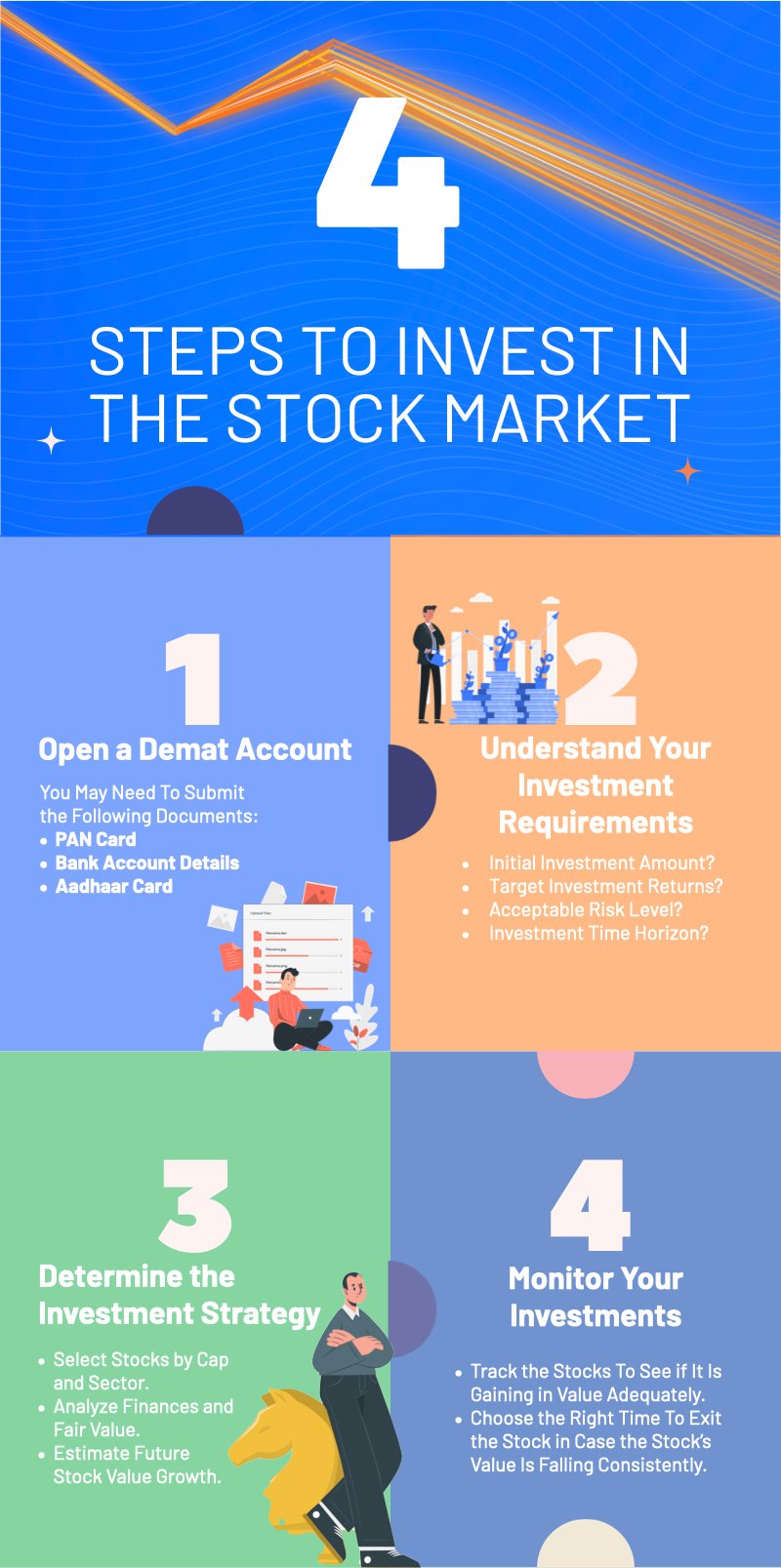
To navigate the financial markets successfully, one must move beyond the “get rich quick” mentality and adopt a disciplined approach. This guide outlines the essential steps to transition from a saver to an investor, ensuring you build a portfolio that stands the test of time.
Establishing a Strong Financial Foundation
Before you deploy your first dollar into the stock market, you must ensure your personal finances are stable. Investing involves risk, and the last thing an investor should do is liquidate their holdings during a market downturn because they lack liquid cash for an emergency.
Clearing High-Interest Debt
The average historical return of the stock market is approximately 7% to 10% annually, adjusted for inflation. If you are carrying credit card debt with an interest rate of 18% or higher, any gains you make in the market will be mathematically negated by the interest accruing on your debt. Prioritizing the repayment of high-interest liabilities is, in itself, a guaranteed “return” on your money.
Building an Emergency Fund
A robust emergency fund is the psychological bedrock of a successful investor. Most financial experts recommend saving three to six months’ worth of essential living expenses in a high-yield savings account. This fund ensures that if you lose your job or face an unexpected medical bill, you won’t be forced to sell your shares at an inopportune time.
Determining Your Risk Tolerance
Risk tolerance is a combination of your financial ability to withstand losses and your emotional response to market volatility. Are you investing for a retirement that is thirty years away, or are you saving for a house down payment in three years? A longer time horizon allows you to endure the “valleys” of the market, whereas a shorter timeline necessitates a more conservative approach, perhaps favoring bonds or high-dividend stable stocks over high-growth tech shares.
Choosing Your Investment Strategy
The “how” of investing is often dictated by “what” you choose to buy. Not all shares are created equal, and your strategy should align with your ultimate financial goals.
Growth vs. Value Investing
Growth investors look for companies that are expected to grow at a rate significantly above the average for the market. These companies often reinvest their earnings into research and development or expansion rather than paying dividends. While they offer the potential for high capital appreciation, they can be volatile.
Value investors, on the other hand, search for “bargains.” They look for companies that appear to be trading for less than their intrinsic value. These are often established companies that have fallen out of favor with the market but maintain strong fundamentals. Value investing requires patience, as it may take years for the market to realize the true worth of the company.
Dividend Investing for Passive Income
For those seeking a steady stream of income, dividend investing is a popular choice. Some mature companies distribute a portion of their earnings to shareholders regularly. By reinvesting these dividends, you can take advantage of “dividend compounding,” where your dividends buy more shares, which in turn produce even more dividends.
Index Funds and ETFs vs. Individual Stocks
For many, the best way to invest in shares isn’t by picking individual companies, but by buying the entire market. Index funds and Exchange-Traded Funds (ETFs) track a specific index, such as the S&P 500. This provides instant diversification across hundreds of companies, reducing the risk that a single business failure will ruin your portfolio. It is a “passive” strategy that historically outperforms the majority of active stock pickers over the long run.
The Mechanics of Buying Shares
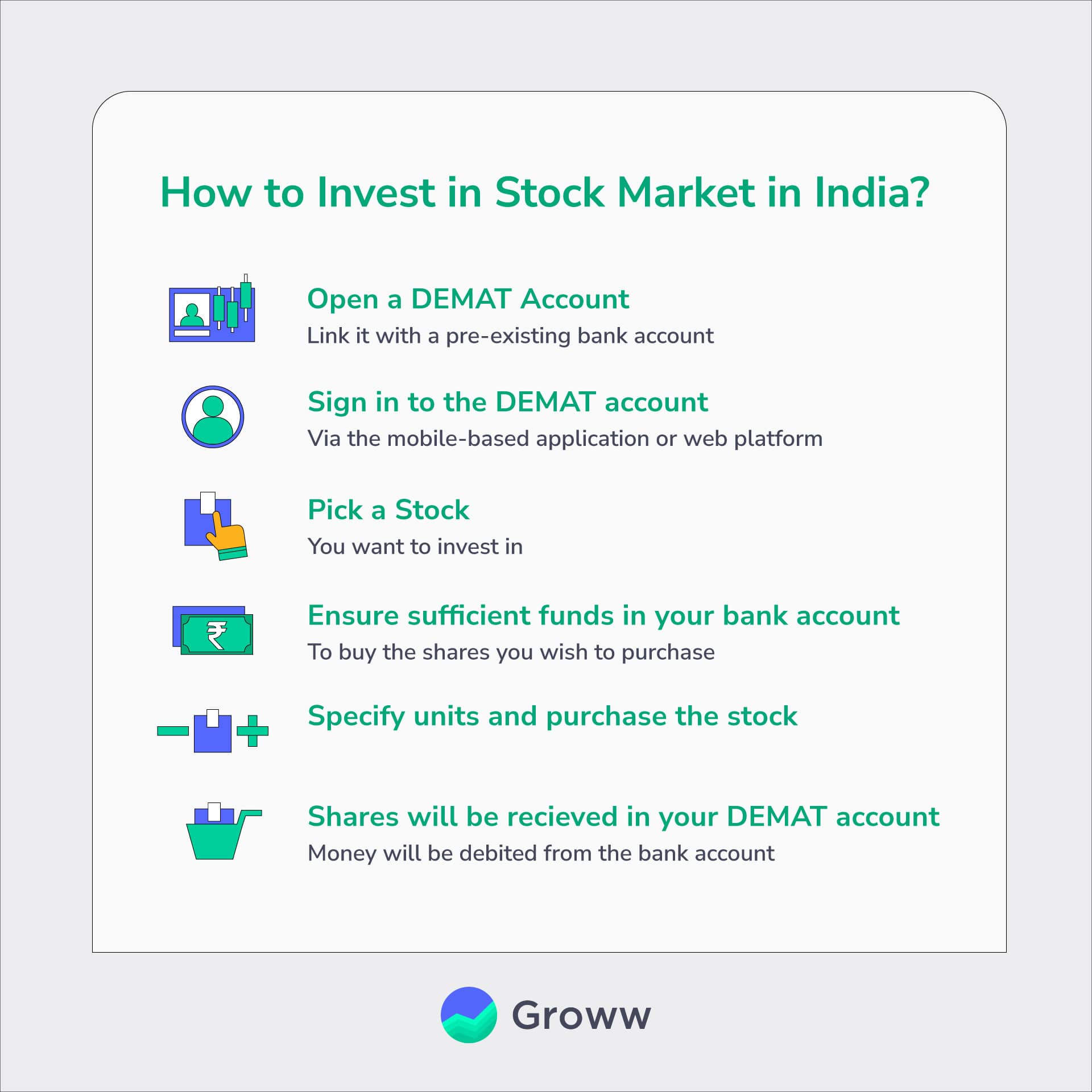
Once your strategy is set, you need to engage with the infrastructure of the financial markets. Modern technology has made this process more accessible than ever before.
Selecting a Brokerage Platform
A brokerage is your gateway to the stock market. When choosing a platform, consider factors such as commission fees (many modern brokers offer zero-commission trading), the user interface, available research tools, and the types of accounts offered (such as Individual Savings Accounts or Retirement Accounts). Ensure the broker is regulated by the relevant financial authority in your jurisdiction to protect your capital.
Understanding Market Orders vs. Limit Orders
When you are ready to buy, you will encounter different order types. A “Market Order” instructs the broker to buy the share immediately at the best available current price. This guarantees execution but not the price. A “Limit Order” allows you to set a maximum price you are willing to pay. The trade only executes if the share price hits your target. Limit orders provide more control, especially in volatile markets.
The Role of Diversification
Diversification is the only “free lunch” in investing. By spreading your investments across different sectors (tech, healthcare, energy), different geographic regions, and different asset classes, you reduce the impact of a downturn in any single area. A well-diversified portfolio ensures that while one sector might be struggling, another may be thriving, smoothing out your returns over time.
Fundamental Analysis and Research
If you decide to invest in individual shares rather than index funds, you must commit to rigorous research. This process, known as fundamental analysis, involves looking at the “health” of a business.
Reading Financial Statements
Publicly traded companies are required to release financial reports periodically. The three most important documents are the Balance Sheet (what the company owns and owes), the Income Statement (revenue and expenses), and the Cash Flow Statement (how much actual cash is moving through the business). Consistent growth in net income and a healthy cash position are generally positive indicators.
Key Ratios to Watch
Ratios allow you to compare companies of different sizes within the same industry.
-
Price-to-Earnings (P/E) Ratio: This tells you how much investors are willing to pay for every dollar of earnings. A very high P/E might suggest a stock is overvalued or that high growth is expected.
-
Debt-to-Equity Ratio: This measures how much a company is financing its operations through debt versus wholly-owned funds. Too much debt can be a red flag during economic downturns.
-
Return on Equity (ROE): This reveals how effectively management is using shareholders’ capital to generate profit.
Assessing Management and Competitive Advantage
Beyond the numbers, look for a “moat”—a term coined by Warren Buffett to describe a company’s competitive advantage. This could be a powerful brand, a unique patent, or high switching costs for customers. Additionally, research the leadership team. A company with a history of transparent communication and wise capital allocation is often a safer bet than one led by erratic management.
Managing Your Portfolio for the Long Term
The final and perhaps most difficult stage of investing is the management of your emotions and the maintenance of your holdings.
The Power of Compounding
The greatest tool an investor has is time. Compounding occurs when the returns on your investments start earning their own returns. In the early years, the progress might seem slow, but over decades, the growth becomes exponential. This is why “time in the market” is almost always superior to “timing the market.”
Rebalancing Your Portfolio
Over time, some of your investments will grow faster than others, which can leave your portfolio overexposed to a single sector. Rebalancing involves selling a portion of your winners and reinvesting in areas that have lagged to bring your portfolio back to its original target allocation. This forced discipline encourages you to “buy low and sell high.”
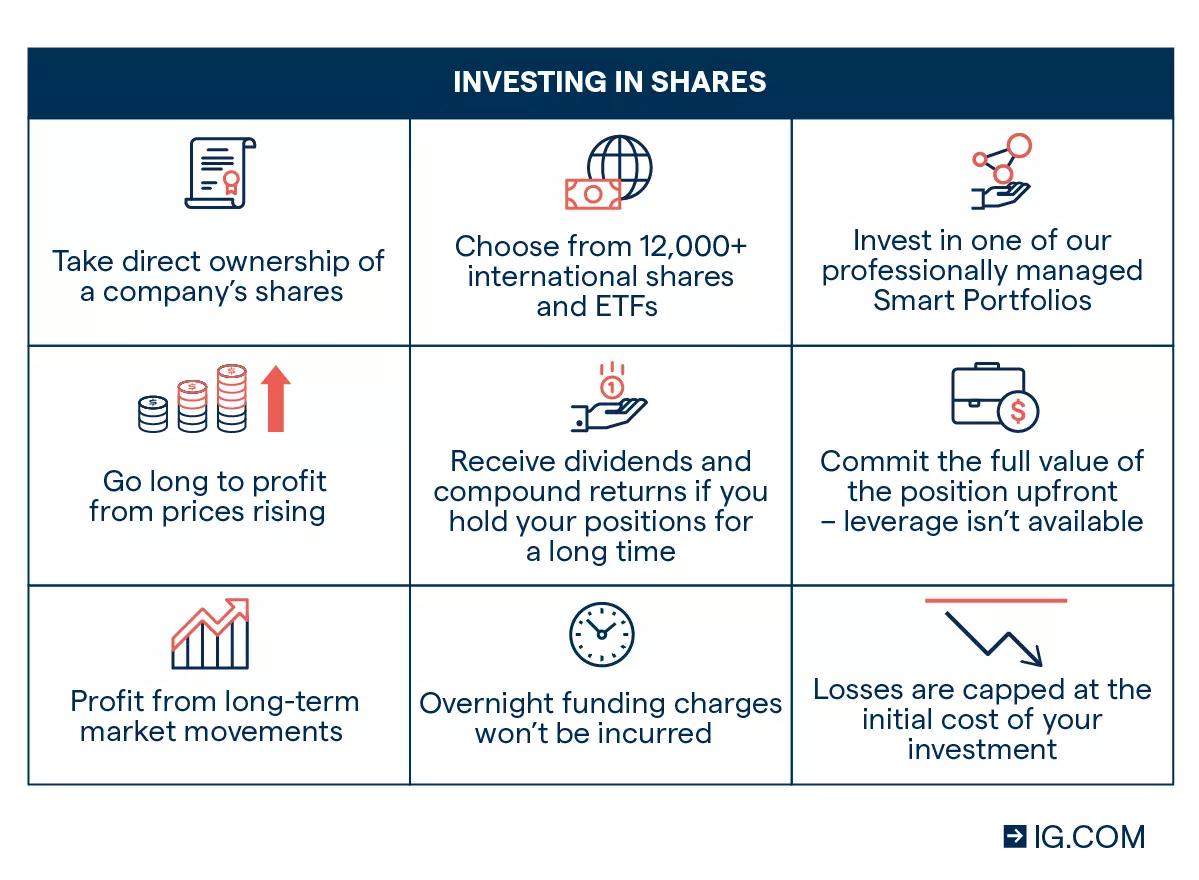
Managing Emotions and Market Volatility
The stock market does not move in a straight line. There will be corrections and bear markets where the value of your portfolio drops significantly. The most successful investors are those who can remain rational when everyone else is panicking. Developing a “written investment policy statement” can help you stay the course; it serves as a contract to yourself, outlining why you bought your shares and under what specific conditions you would sell them, preventing impulsive decisions based on headlines.
Investing in shares is a marathon, not a sprint. By focusing on fundamental business value, maintaining a diversified outlook, and keeping costs low, you can harness the power of the global economy to secure your financial future. Whether you are starting with fifty dollars or fifty thousand, the best time to begin was yesterday; the second best time is today.
aViewFromTheCave is a participant in the Amazon Services LLC Associates Program, an affiliate advertising program designed to provide a means for sites to earn advertising fees by advertising and linking to Amazon.com. Amazon, the Amazon logo, AmazonSupply, and the AmazonSupply logo are trademarks of Amazon.com, Inc. or its affiliates. As an Amazon Associate we earn affiliate commissions from qualifying purchases.