
The landscape of digital commerce has shifted from a speculative frontier into a sophisticated global economy. For entrepreneurs and investors looking to capitalize on the digital marketplace, the question is no longer just “what” is selling, but “how” these assets generate sustainable cash flow. Understanding the current trends in online sales requires a deep dive into consumer psychology, supply chain economics, and the high-margin world of digital assets.
Today’s most successful online ventures are characterized by high demand, low overhead, and scalability. Whether through the sale of physical commodities or the licensing of intellectual property, the focus has moved toward niches that offer recurring revenue and brand loyalty. This analysis explores the most profitable sectors in the current online economy, providing a roadmap for those looking to build or diversify their online income streams.
The High-Margin World of Digital Products and Knowledge Assets
One of the most significant shifts in online sales is the transition from physical inventory to digital assets. For those seeking maximum profitability, digital products represent the pinnacle of online income because they bypass the traditional costs associated with manufacturing, storage, and shipping.
The Rise of the “Build Once, Sell Twice” Model
The concept of “build once, sell twice” (or infinitely) is the foundation of high-margin digital sales. This includes everything from specialized software-as-a-service (SaaS) tools to downloadable templates and e-books. The initial investment is primarily time and expertise, but once the product is created, the cost of delivering it to the next customer is nearly zero. Currently, the market is seeing a surge in demand for hyper-niche productivity templates—such as specialized Notion setups for project managers or financial modeling spreadsheets for small business owners.
Educational Content and Professional Certification
Online learning is no longer a niche market; it is a multi-billion dollar industry. Consumers are increasingly willing to pay a premium for curated, high-level expertise that provides a shortcut to a specific result. What is selling most effectively in this space are “cohort-based” courses and high-ticket masterminds. Unlike passive video courses, these models offer community and accountability, allowing sellers to charge significantly higher prices while building a loyal customer base that is likely to purchase future modules or updates.
Subscription-Based Access and Gated Communities
The “membership model” has become a cornerstone of sustainable online income. Instead of a one-time transaction, sellers are offering ongoing value through private communities, exclusive research reports, or monthly tool updates. This model provides predictable monthly recurring revenue (MRR), which is the holy grail of business finance. Sellers who can cultivate a community around a specific interest—be it investment strategies, coding, or even specialized hobbies—are finding that the subscription model outperforms one-off sales in long-term valuation.
High-Performance Physical Goods and Niche Commodities
While digital products offer the highest margins, the physical goods market remains a titan of the online economy. However, the strategy has shifted away from generic “dropshipping” toward the development of “micro-brands” that solve specific problems.
Sustainable and Eco-Conscious Products
Consumer spending habits are increasingly influenced by environmental impact. Products that offer a sustainable alternative to everyday items are seeing explosive growth. This includes biodegradable packaging, reusable household goods, and ethically sourced apparel. In the world of online sales, “green” is not just a trend; it is a premium category. Sellers who can verify their supply chain and offer transparency are able to command higher price points and maintain better margins than those selling mass-produced, low-quality alternatives.
The Silver Economy: Health and Wellness for Aging Populations
Demographic shifts have created a massive opportunity in what is known as the “Silver Economy.” Older adults are more tech-savvy than ever and are spending significant amounts online on health-related products. This includes wearable health monitors, ergonomic home office equipment, and specialized supplements. The key to selling in this niche is trust and clarity. Marketing that focuses on longevity, mobility, and independence is driving record sales for online retailers specializing in geriatric care and preventative wellness.
Pet Care and Premium Lifestyle Goods
The pet industry is historically “recession-proof,” and its move to the online space has only accelerated. High-margin items in this category include customized nutrition plans, smart pet technology (like automated feeders and GPS trackers), and premium accessories. Because pet owners view their animals as family members, they are less price-sensitive, allowing sellers to focus on quality and branding rather than competing solely on price.
Service-Based Scaling: Selling Expertise as a Commodity
The gig economy has evolved. The most successful service providers online are no longer just “freelancers”; they are “productizing” their services to create scalable business models.
Fractional Leadership and Specialized Consulting
As the corporate world embraces remote work, there is a growing market for “fractional” services. High-level professionals are selling their time as fractional CMOs, CFOs, or CTOs to multiple startups simultaneously. This allows the seller to maximize their hourly rate while providing essential expertise to businesses that cannot yet afford a full-time executive. This “service-as-a-product” approach is one of the fastest-growing sectors for high-income online professionals.
Managed Services and Implementation Agencies
Beyond simple consulting, there is a massive demand for “done-for-you” services. Businesses are looking for agencies that can handle specific technical or marketing functions, such as managing complex ad spends, overseeing cybersecurity protocols, or implementing AI-driven customer service workflows. By specializing in a specific technical stack, these agencies can standardize their processes, improve their efficiency, and increase their profit margins.
The Creator Economy and Brand Partnerships
Individuals with established audiences are selling more than just products; they are selling influence and access. While traditional advertising is still relevant, the real money is moving toward integrated brand partnerships and “whitelabeling.” Creators are no longer just promoting other brands; they are using their data-driven insights into their audience’s needs to launch their own product lines, often in the beauty, fitness, or tech accessory spaces.
Strategic Financial Management for Online Sellers
To succeed in selling online, one must master the financial mechanics that underpin the digital marketplace. It is not enough to have a high volume of sales if the underlying financial structure is weak.
Optimizing Unit Economics and Customer Acquisition Costs (CAC)
The survival of an online business depends on its unit economics. Sellers must have a granular understanding of their Customer Acquisition Cost (CAC) relative to the Lifetime Value (LTV) of that customer. In a crowded marketplace, advertising costs on platforms like Meta and Google are rising. Successful sellers are countering this by focusing on organic search (SEO), content marketing, and email retention strategies to lower their average CAC and improve their overall ROI.
Cash Flow Management and Inventory Financing
For those selling physical goods, cash flow is often the greatest challenge. The “cash gap”—the time between paying a manufacturer and receiving payment from a customer—can sink even a popular brand. Sophisticated online sellers are increasingly using inventory financing, revenue-based lending, and strategic credit lines to manage these gaps. By maintaining a healthy cash reserve, they can capitalize on bulk-buy discounts and navigate supply chain disruptions without halting their sales momentum.
Diversification of Revenue Streams
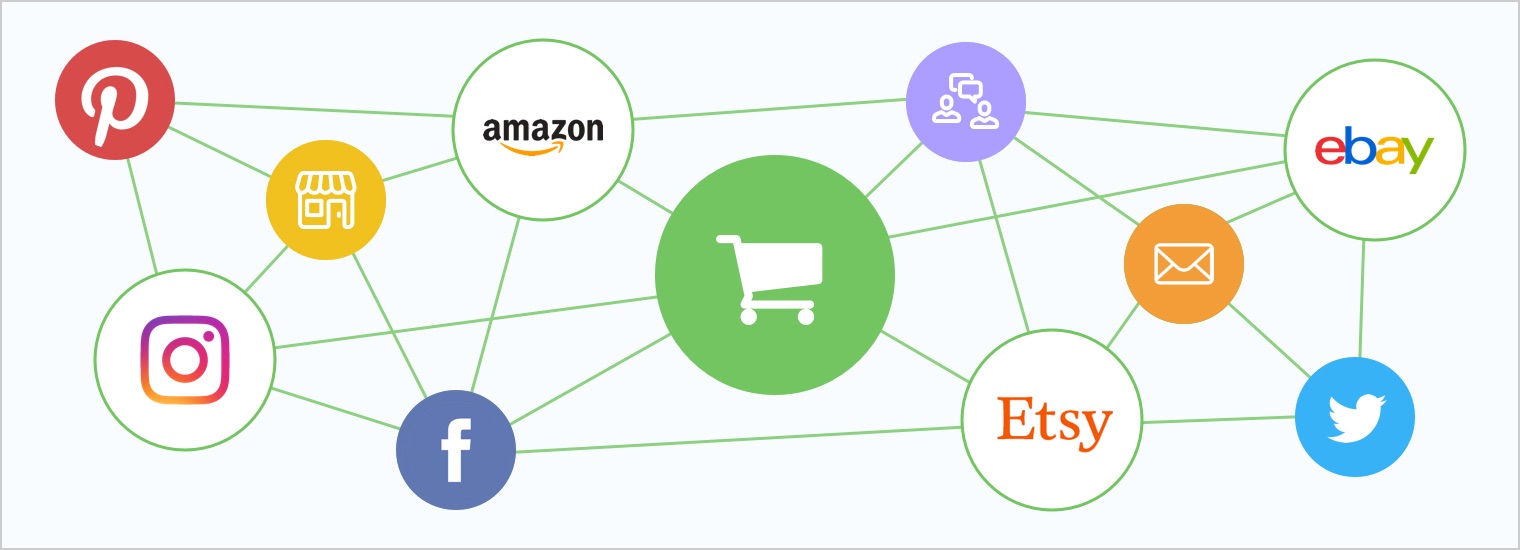
The most resilient online businesses do not rely on a single platform or a single product. Relying solely on Amazon, for example, leaves a seller vulnerable to algorithm changes or account suspensions. “Omnichannel” selling—utilizing a combination of a private Shopify store, third-party marketplaces, and social commerce—is the standard for modern online success. Diversification also applies to product types; a physical goods brand might launch a digital subscription or a consulting arm to stabilize revenue during seasonal dips.
Future-Proofing Your Online Income
The online marketplace is in a state of constant flux. To remain profitable, sellers must stay ahead of technological and economic shifts.
Leveraging AI for Operational Efficiency
Artificial Intelligence is changing the cost structure of online selling. From AI-driven customer service bots that reduce the need for large support teams to predictive analytics that optimize inventory levels, technology is allowing smaller players to compete with retail giants. Sellers who integrate these tools early can significantly reduce their overhead and increase their agility.
Adapting to the Privacy-First Web
Changes in data privacy laws and browser tracking (such as the phasing out of third-party cookies) are forcing a shift in how online sellers find their customers. The premium is now on “zero-party data”—information that customers voluntarily share with a brand. Building a robust, owned email list and SMS subscriber base is no longer optional; it is the most valuable asset an online seller can possess.
In conclusion, what is selling online today is a mix of high-utility physical goods, specialized knowledge assets, and productized services. Success in this arena requires more than just identifying a popular item; it requires a strategic approach to margins, a commitment to brand building, and a sophisticated understanding of digital finance. By focusing on high-demand niches and maintaining a lean, scalable operation, entrepreneurs can build sustainable and highly profitable online income streams in an ever-evolving digital economy.
aViewFromTheCave is a participant in the Amazon Services LLC Associates Program, an affiliate advertising program designed to provide a means for sites to earn advertising fees by advertising and linking to Amazon.com. Amazon, the Amazon logo, AmazonSupply, and the AmazonSupply logo are trademarks of Amazon.com, Inc. or its affiliates. As an Amazon Associate we earn affiliate commissions from qualifying purchases.