
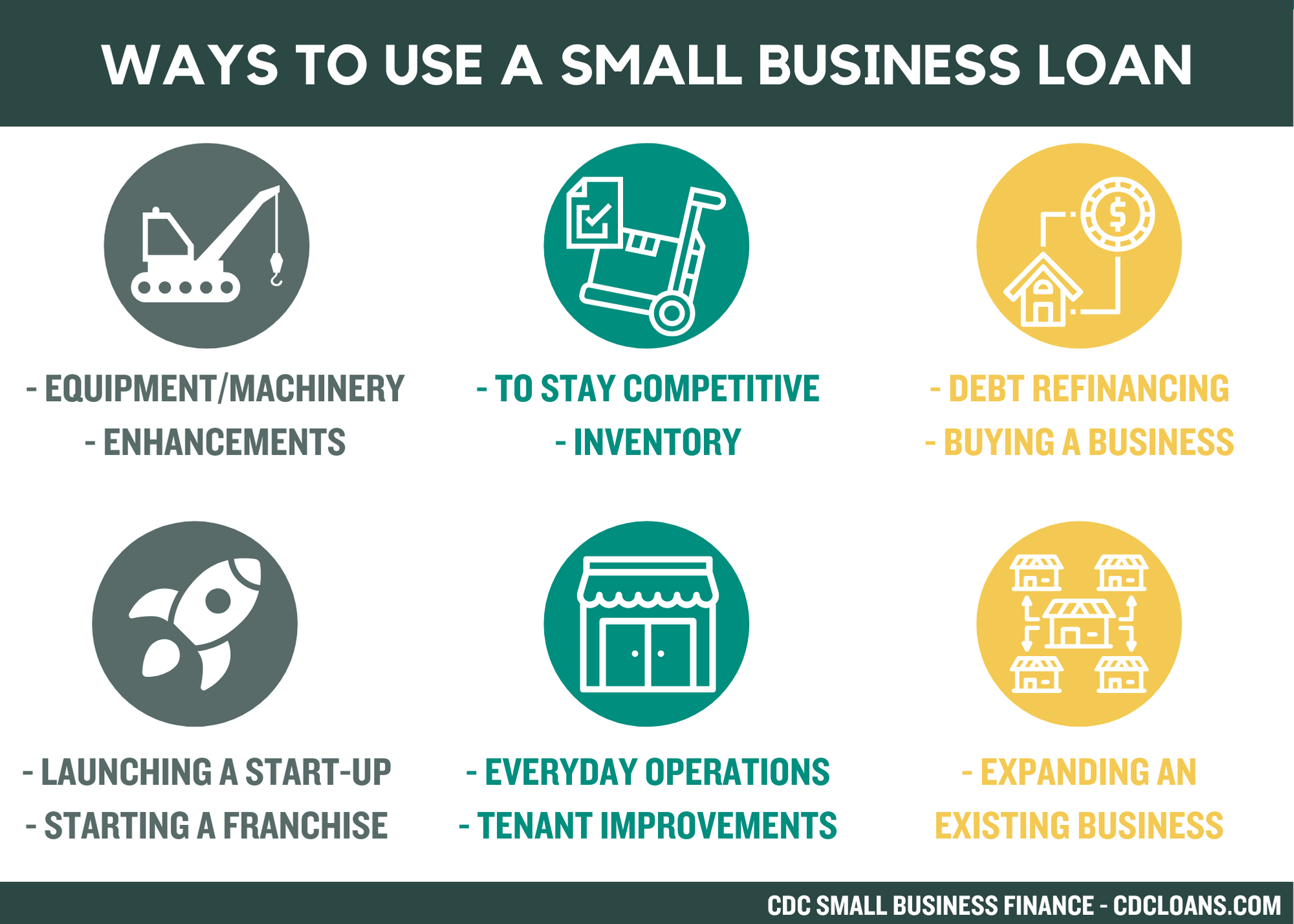
Small business lending is the cornerstone of the modern economy, acting as the primary mechanism through which entrepreneurial visions are converted into operational realities. At its core, small business lending refers to the variety of financial products and arrangements that allow business owners to borrow capital from external sources. This capital is typically used to fund startup costs, manage day-to-day operations, purchase inventory, expand into new markets, or bridge seasonal cash flow gaps. Unlike consumer lending, which focuses on individual creditworthiness for personal use, small business lending is fundamentally tied to the health, potential, and historical performance of a commercial entity.
For the business owner, navigating the world of lending is a strategic necessity. Whether a company is a “mom-and-pop” shop on Main Street or a high-growth tech startup, access to capital determines the speed of scaling and the ability to weather economic downturns. However, the landscape of small business finance is complex, encompassing a wide array of lenders ranging from traditional global banks to agile fintech startups, each with its own set of risk tolerances, interest rates, and repayment structures.
The Diverse Ecosystem of Small Business Loans
Not all small business loans are created equal. The financial industry has developed a suite of products designed to meet specific business needs, timeframes, and risk profiles. Understanding the nuances between these products is the first step in making an informed financial decision.
Traditional Term Loans and SBA Loans
The traditional term loan is perhaps the most recognizable form of lending. A bank or credit union provides a lump sum of capital that the business repays over a set period with a fixed or variable interest rate. These are often used for long-term investments, such as purchasing real estate or funding a major expansion.
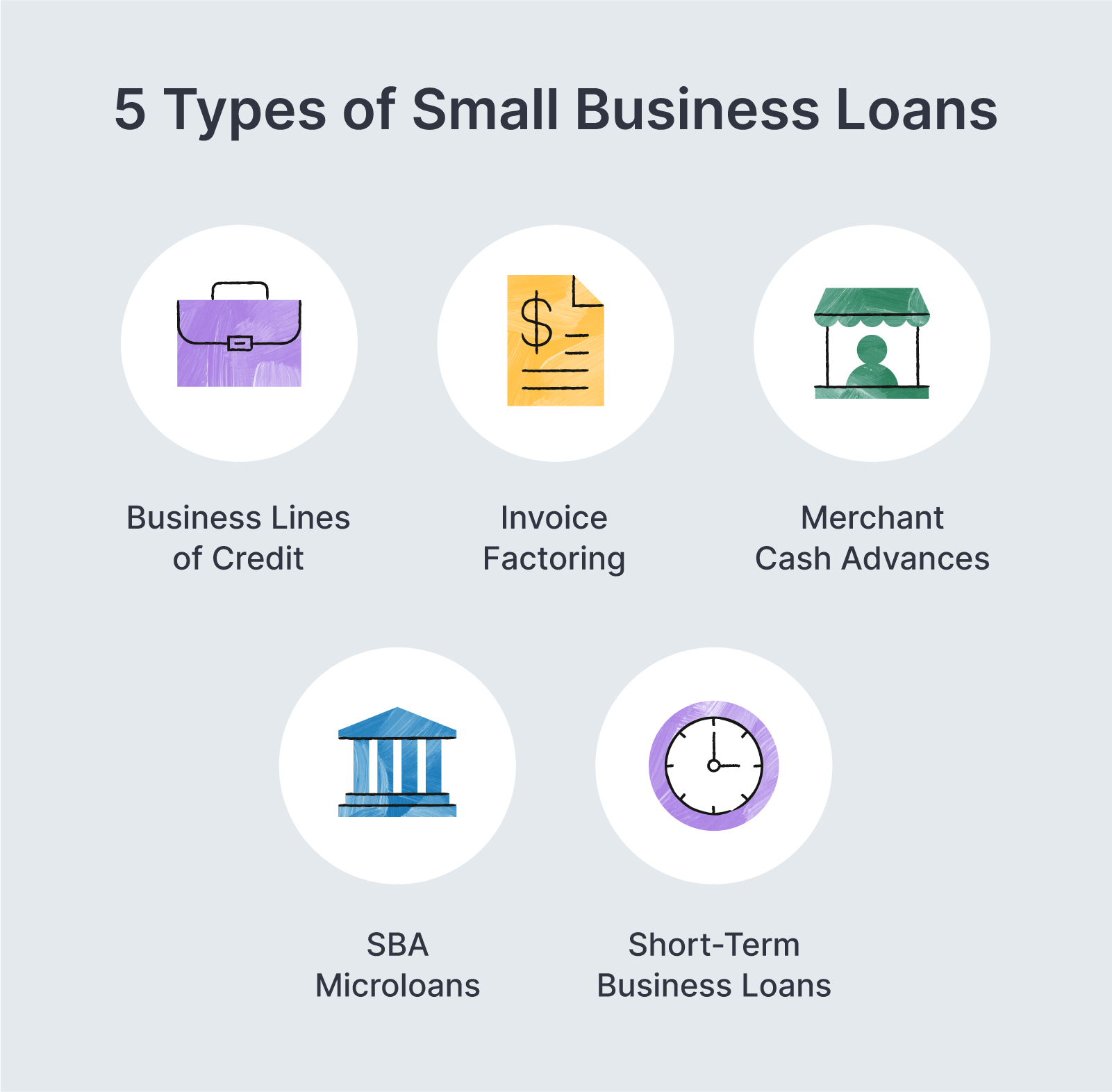
The Small Business Administration (SBA) plays a pivotal role in this category. While the SBA does not lend money directly to business owners, it provides guarantees to lenders, reducing their risk. The SBA 7(a) program is the most popular, offering flexible terms and lower down payments for general business purposes. The SBA 504 loan program, meanwhile, is specifically designed for major fixed asset purchases, such as land or heavy machinery. Because of the government guarantee, these loans often carry the most competitive interest rates in the market, though the application process is notoriously rigorous and time-consuming.
Business Lines of Credit
A business line of credit offers a level of flexibility that term loans cannot match. Rather than receiving a lump sum, a business is approved for a maximum credit limit. They can draw from this limit as needed and only pay interest on the amount actually borrowed. Once the borrowed amount is repaid, the credit becomes available again. This is an essential tool for managing “working capital”—the funds used for daily operations—especially for businesses with seasonal revenue fluctuations or long accounts receivable cycles.
Asset-Based Financing and Invoice Factoring
For businesses that lack a long credit history but have significant physical assets or accounts receivable, asset-based lending provides a viable path. This includes equipment financing, where the equipment itself serves as collateral for the loan. If the borrower defaults, the lender seizes the equipment.
Invoice factoring, or accounts receivable financing, is a slightly different mechanism. In this scenario, a business sells its outstanding invoices to a “factor” at a discount. The factor then collects the full payment from the business’s customers. This provides immediate cash flow without the need for traditional debt, though the fees associated with factoring can be significantly higher than interest rates on a standard loan.
The Evolving Landscape: Traditional Banks vs. Fintech Lenders
The financial crisis of 2008 fundamentally altered the small business lending landscape. In the wake of stricter regulations, many traditional banks pulled back from small-scale lending, creating a vacuum that has been filled by a new generation of alternative lenders and financial technology (fintech) firms.
The Role of Traditional Commercial Banks
Traditional banks remain the gold standard for cost-effective capital. Because they have access to low-cost deposits, they can offer the lowest interest rates and longest repayment terms. However, their underwriting standards are stringent. They typically require a high credit score, several years of profitable tax returns, and significant collateral. For an established business with a clean balance sheet, a traditional bank is almost always the most financially sound choice.
The Rise of Fintech and Online Lenders
Online lenders have revolutionized the industry by using advanced algorithms and data sets to assess risk. While a bank might take weeks or months to process a loan, a fintech lender can often provide an approval decision within hours and fund the loan within days. These lenders look beyond the traditional credit score, analyzing real-time data from a business’s accounting software, bank accounts, and even social media presence. The trade-off for this speed and accessibility is cost; online loans often carry significantly higher interest rates and shorter repayment windows.
Peer-to-Peer (P2P) and Crowdlending
Peer-to-peer lending platforms connect business borrowers directly with individual and institutional investors. This model decentralizes the lending process, often allowing for more competitive rates than traditional alternative lenders. By cutting out the institutional middleman, P2P platforms can offer a more personalized approach to risk, though the availability of funds depends entirely on investor appetite.
Navigating the Approval Process: What Lenders Look For
Securing a small business loan is not merely about filling out an application; it is about building a compelling case for the business’s ability to generate a return on investment. Lenders generally evaluate a business based on the “Five Cs of Credit,” a framework that provides a holistic view of the borrower’s risk profile.
Character and Capacity
Character refers to the personal and professional reputation of the business owner. Lenders look at credit scores (both personal and business), educational background, and experience in the industry. Capacity, on the other hand, focuses on the business’s ability to repay the debt. This is measured through the Debt Service Coverage Ratio (DSCR), which compares the business’s net operating income to its total debt obligations. A ratio below 1.0 indicates that the business does not have enough cash flow to cover its debt, making it a high-risk candidate.
Capital, Collateral, and Conditions
Capital refers to the amount of “skin in the game” the owner has. Lenders are more likely to approve a loan if the owner has invested a significant amount of their own money into the venture. Collateral provides the lender with a safety net; it is an asset (like real estate, equipment, or inventory) that the lender can seize if the loan isn’t repaid. Finally, conditions refer to the external environment—the state of the economy, industry trends, and the specific purpose of the loan.
The Importance of Financial Documentation
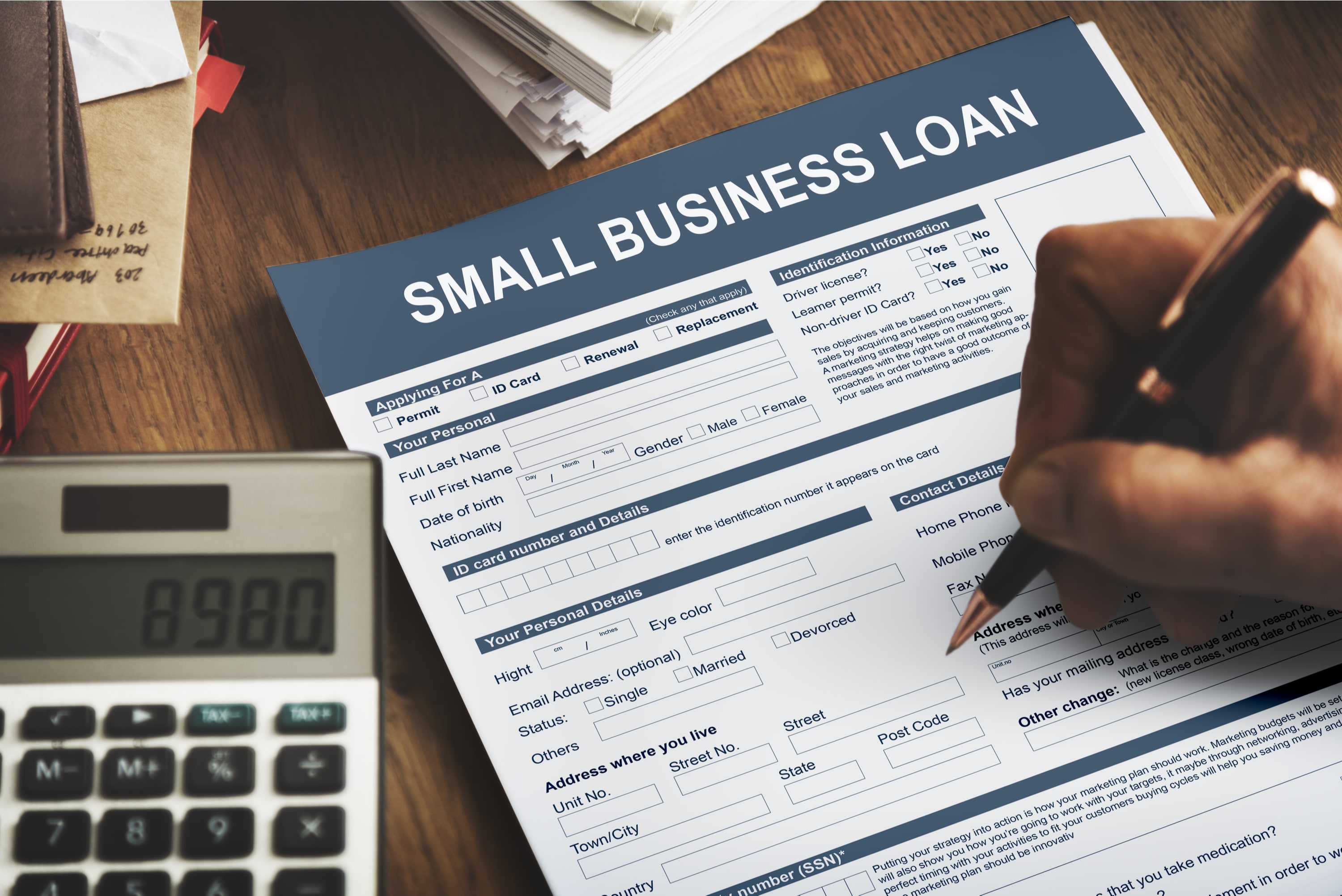
To satisfy these criteria, business owners must present a comprehensive financial package. This includes at least two years of federal business and personal tax returns, an up-to-date Profit and Loss (P&L) statement, a balance sheet, and a detailed business plan. The business plan is particularly crucial for startups, as it outlines how the borrowed funds will be utilized to generate the revenue necessary for repayment.
Assessing the True Cost of Borrowing
One of the most common mistakes small business owners make is focusing solely on the “interest rate” without considering the total cost of capital. In the world of business finance, the nominal interest rate rarely tells the whole story.
Interest Rate vs. Annual Percentage Rate (APR)
The interest rate is the percentage of the principal charged by the lender. However, the Annual Percentage Rate (APR) includes all the costs associated with the loan, including origination fees, closing costs, and service fees. When comparing different loan offers, the APR is the only accurate way to determine which loan is more expensive. For example, a loan with a 10% interest rate and high fees might actually be more expensive than a loan with a 12% interest rate and no fees.
The Opportunity Cost of Debt
Beyond the numerical cost, business owners must consider the opportunity cost. If the capital is used to purchase a piece of equipment that increases production by 30%, the debt is likely worth it even at a higher interest rate. Conversely, if the debt is used to cover chronic operational inefficiencies, it may lead the business into a “debt trap,” where future revenues are consumed by interest payments, stifling growth.
Strategic Debt Management
Successful small business lending is not just about getting the money; it’s about managing it. This involves choosing the right term length—matching the life of the loan to the life of the asset being financed. It also involves maintaining a healthy relationship with the lender, providing regular financial updates, and potentially refinancing the debt if the business’s credit profile improves or market interest rates drop.
In conclusion, small business lending is a sophisticated financial ecosystem that requires a deep understanding of both market products and internal financial health. By identifying the right type of capital, choosing the appropriate lender, and rigorously analyzing the total cost of borrowing, entrepreneurs can use debt as a powerful lever to propel their businesses toward long-term sustainability and growth.
aViewFromTheCave is a participant in the Amazon Services LLC Associates Program, an affiliate advertising program designed to provide a means for sites to earn advertising fees by advertising and linking to Amazon.com. Amazon, the Amazon logo, AmazonSupply, and the AmazonSupply logo are trademarks of Amazon.com, Inc. or its affiliates. As an Amazon Associate we earn affiliate commissions from qualifying purchases.