
The transition from traditional employment to home-based entrepreneurship is often viewed through the lens of lifestyle flexibility, yet its most significant advantage lies in the financial realm. By eliminating the overhead associated with commercial real estate, commuting, and traditional corporate infrastructure, home-based entrepreneurs can achieve a lean operational model that maximizes profit margins from day one. However, launching a successful venture from a residential base requires more than just a dedicated workspace; it demands a rigorous financial strategy, a clear understanding of tax implications, and a disciplined approach to capital allocation.
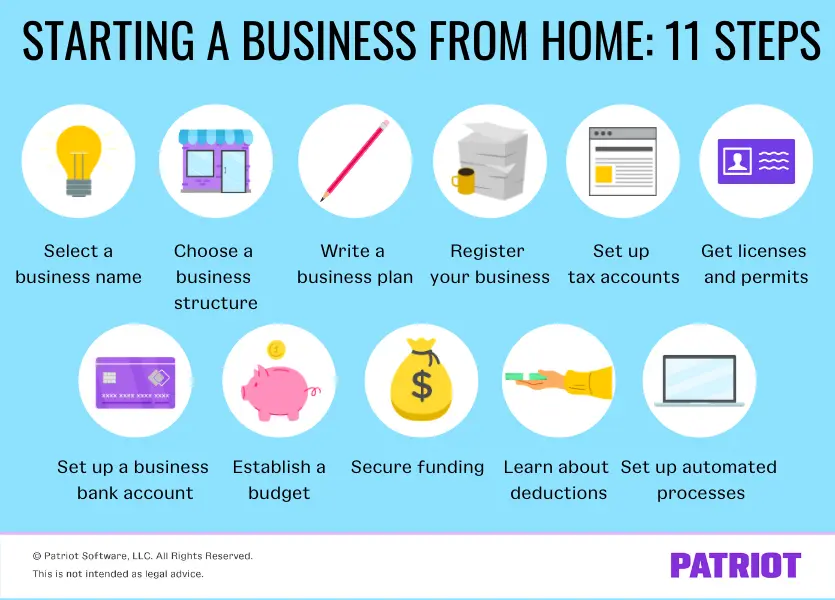
Assessing the Financial Landscape: Identifying Profitable Niche Markets
The first step in starting a home-based business is conducting a forensic analysis of market demand to ensure the chosen path offers a viable return on investment (ROI). In the “Money” niche, we prioritize sectors with high scalability and low entry costs.
Market Demand vs. Capital Intensity
Before committing funds, an entrepreneur must distinguish between high-revenue potential and high-profit potential. Some businesses, like dropshipping, may generate significant top-line revenue but offer thin margins due to rising customer acquisition costs. Conversely, specialized consulting or digital product creation often involves negligible variable costs, allowing for high-profit retention. When evaluating a niche, one must calculate the “Customer Lifetime Value” (CLV) against the “Customer Acquisition Cost” (CAC). A healthy home-based business should ideally aim for a CLV to CAC ratio of at least 3:1.
The Economics of Service-Based vs. Product-Based Models
Service-based businesses—such as financial planning, freelance writing, or digital marketing—are the gold standard for home-based startups because they require minimal upfront capital. Your primary investment is time. Product-based businesses, however, involve inventory management and logistics. For those pursuing products, a “Lean Startup” methodology is essential: use a “minimum viable product” (MVP) to test the market before committing to bulk inventory orders. This protects your personal liquidity during the vulnerable early stages of the business lifecycle.
Budgeting for Launch: Managing Startup Costs and Capital Allocation
A common pitfall for new entrepreneurs is the “shiny object syndrome,” where funds are wasted on premium software, expensive branding, and unnecessary equipment before a single dollar of revenue is earned. A disciplined financial blueprint prioritizes essential expenditures that directly contribute to lead generation or product fulfillment.
Bootstrapping Your Way to Profitability
Bootstrapping is the practice of starting a business with only personal savings and the revenue generated from initial sales. This approach instills a level of fiscal discipline that external funding often masks. To bootstrap effectively, create a “Startup Capital Requirement” spreadsheet. Categorize every potential expense as either “Critical” (e.g., legal registration, a functional website, core tools) or “Optional” (e.g., premium office furniture, advanced CRM subscriptions). By delaying optional expenses until the business reaches a specific revenue milestone, you preserve your “runway”—the amount of time the business can operate before needing to turn a profit.
Identifying Hidden Overhead Costs
While a home office saves on rent, it introduces other fiscal considerations. High-speed internet upgrades, professional-grade cybersecurity software, and increased utility usage can impact your net income. Furthermore, if your business involves physical goods, the cost of packaging, shipping insurance, and returns must be baked into your pricing model. Failure to account for these “micro-costs” can result in a business that looks profitable on paper but suffers from a persistent cash leak.
Revenue Streams and Monetization Strategies
Sustainable wealth through a home-based business is rarely the result of a single income source. Diversification within your niche provides a hedge against market volatility and shifts in consumer behavior.

Diversifying Income for Long-Term Stability
A robust financial model for a home business should include a mix of active and passive income. For instance, a consultant (active income) might also sell a pre-recorded masterclass or a digital template (passive income). This “Hybrid Monetization Model” ensures that revenue continues to flow even when the entrepreneur is not actively working. Additionally, consider recurring revenue models, such as subscriptions or retainers. Recurring revenue provides a predictable “floor” for your monthly income, making it significantly easier to manage personal finances and business reinvestment.
Scaling from Side Hustle to Sustainable Enterprise
Many home-based businesses begin as side hustles while the entrepreneur maintains a full-time job. The financial transition from employee to full-time entrepreneur should be data-driven. A common rule of thumb is the “6-Month Buffer Rule”: do not leave your primary source of income until your home-based business has consistently generated enough profit to cover both business expenses and personal living costs for at least six months. This prevents the “desperation phase” of entrepreneurship, where financial pressure leads to poor decision-making and low-value client acquisitions.
Tax Implications and Financial Legalities for Home Entrepreneurs
Operating from home offers unique tax advantages, but it also increases the complexity of your filings. Understanding the intersection of business law and tax code is vital for protecting your assets and minimizing your tax liability.
Maximizing Home Office Deductions
One of the most powerful tools for the home-based entrepreneur is the home office deduction. In many jurisdictions, you can deduct a portion of your rent or mortgage interest, property taxes, utilities, and insurance based on the percentage of your home used exclusively for business. However, the keyword is “exclusive.” To pass an audit, the space must be a dedicated area for work. Keeping meticulous records and utilizing a simplified or actual expense method for these deductions can save thousands of dollars annually, effectively lowering your effective tax rate.
Separating Personal and Business Finances
From a legal and financial standpoint, commingling funds is a significant risk. Even for a sole proprietorship, opening a dedicated business checking account and credit card is mandatory for professional financial management. This separation simplifies bookkeeping and provides a clear “paper trail” for tax season. More importantly, if you choose to incorporate as an LLC (Limited Liability Company), maintaining separate finances is necessary to preserve the “corporate veil” that protects your personal assets from business liabilities.
Building a Financial Safety Net and Reinvesting for Growth
The ultimate goal of a home-based business is not just to pay the bills, but to build equity and long-term wealth. This requires a transition from an “operator” mindset to an “investor” mindset.
Managing Cash Flow and Working Capital
Cash flow is the lifeblood of any small business. It is possible for a business to be profitable yet still fail because its cash is tied up in accounts receivable or inventory. Implementing a “Cash Flow Forecast” allows you to look 90 days into the future to anticipate periods of low liquidity. To optimize cash flow, negotiate favorable terms with vendors, incentivize early payments from clients with small discounts, and maintain a “Business Emergency Fund” separate from your personal savings.
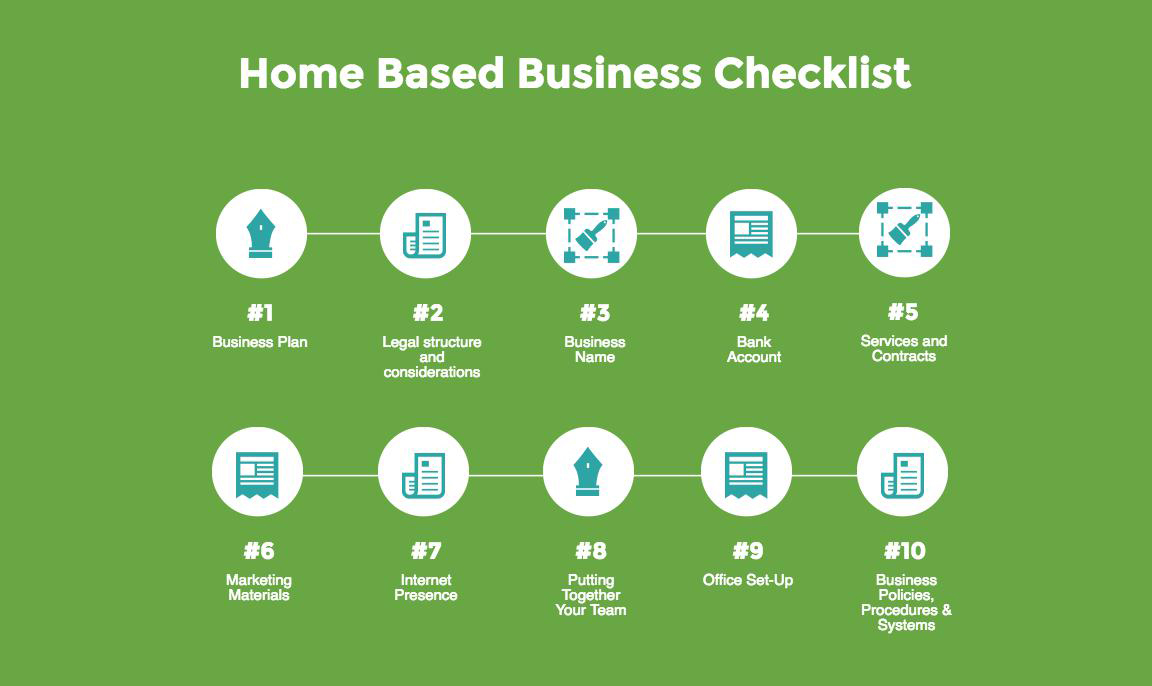
Strategic Reinvestment: When to Spend to Grow
Once the business is consistently profitable, the focus shifts to reinvestment. Strategic reinvestment means putting capital back into the business in areas that provide the highest leverage. This might mean hiring a virtual assistant to handle administrative tasks (buying back your time), investing in more sophisticated marketing funnels, or upgrading technology to increase production efficiency.
The most successful home-based entrepreneurs treat their business as a portfolio asset. They analyze the “Internal Rate of Return” (IRR) on every major business investment. If spending $5,000 on a new software suite will save 20 hours of labor per month, the financial calculation involves the value of that reclaimed time versus the cost of the software. This analytical approach ensures that the business doesn’t just get “bigger,” but becomes more efficient and more profitable over time.
By adhering to these financial principles, starting a home-based business moves from a risky gamble to a calculated strategic move. The focus remains on lean operations, tax efficiency, and aggressive revenue diversification, creating a foundation for lasting financial independence.
aViewFromTheCave is a participant in the Amazon Services LLC Associates Program, an affiliate advertising program designed to provide a means for sites to earn advertising fees by advertising and linking to Amazon.com. Amazon, the Amazon logo, AmazonSupply, and the AmazonSupply logo are trademarks of Amazon.com, Inc. or its affiliates. As an Amazon Associate we earn affiliate commissions from qualifying purchases.