
Securing capital is often the most significant hurdle for small business owners looking to scale, pivot, or launch a new venture. While traditional commercial loans are an option, the U.S. Small Business Administration (SBA) offers some of the most competitive terms, lowest interest rates, and longest repayment periods in the marketplace. However, because the SBA guarantees these loans—reducing the risk for the private lenders who issue them—the qualification process is notoriously rigorous. Navigating the requirements requires a blend of financial discipline, meticulous documentation, and a clear strategic vision for your company’s future.
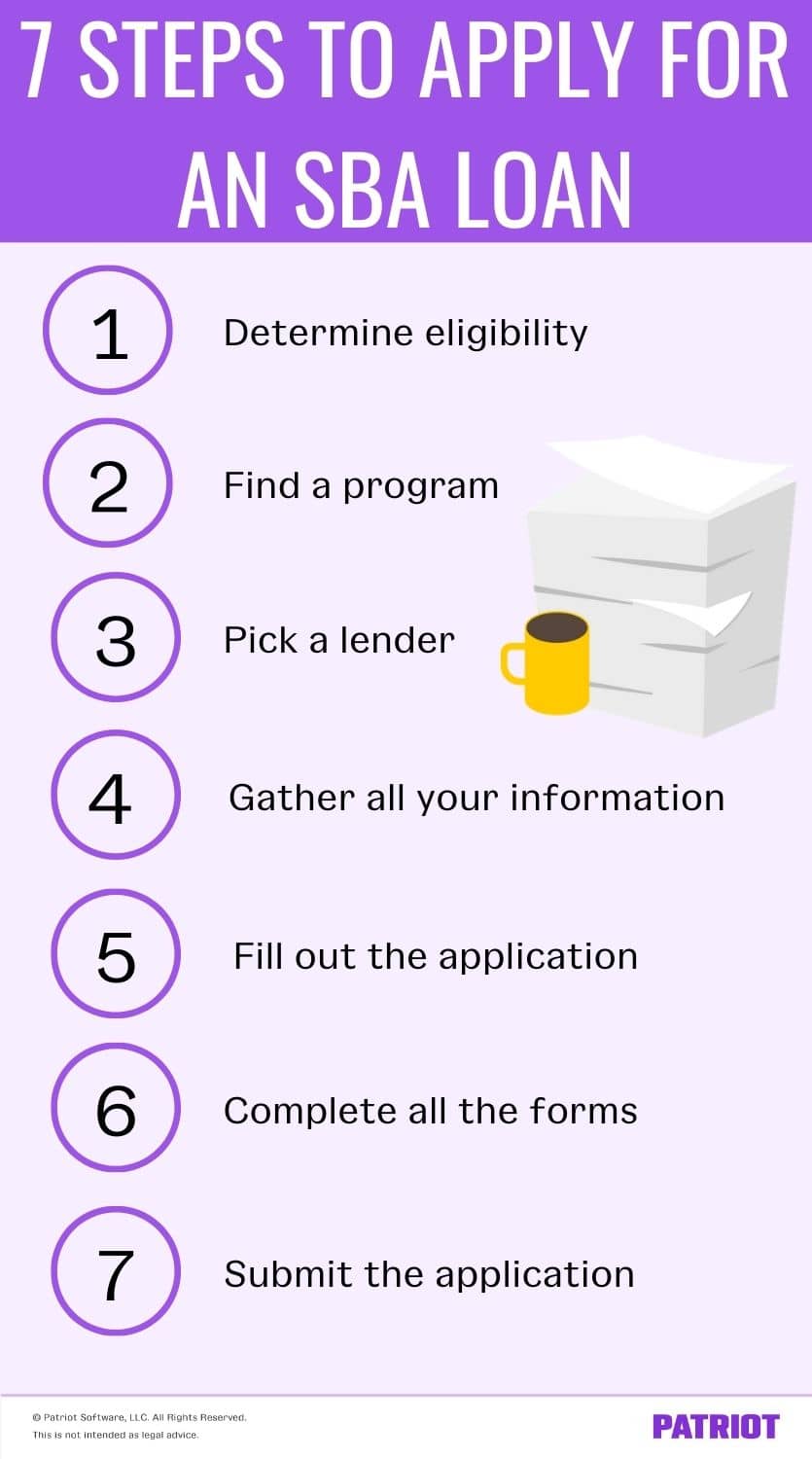
Qualifying for an SBA loan is not merely about having a good idea; it is about proving to both the government and a lending institution that your business is a viable, sustainable entity capable of meeting its debt obligations. This guide breaks down the essential criteria every entrepreneur must meet to secure this prestigious form of business financing.
The Fundamentals of SBA Eligibility
Before diving into credit scores and balance sheets, a business must meet the SBA’s foundational definitions of eligibility. These are the “gatekeeper” requirements that determine if your application will even be considered for review.
Defining the “Small Business”
The SBA’s primary mission is to support small businesses, but the definition of “small” varies significantly by industry. The SBA uses the North American Industry Classification System (NAICS) to set size standards based on either annual receipts or the number of employees. For example, a manufacturing firm might be considered small with 500 employees, while a retail business might be capped based on its average annual revenue. It is crucial to verify your NAICS code and ensure your business falls within these parameters.
For-Profit Status and U.S. Operations
SBA loans are strictly reserved for for-profit entities. Non-profit organizations, though vital to the economy, must seek funding through different channels, such as grants or specialized non-profit lenders. Additionally, the business must operate legally within the United States or its possessions and be physically located on U.S. soil. The owners must also be U.S. citizens or legal permanent residents with valid Green Cards.
The “Credit Elsewhere” Test
One of the more unique aspects of SBA qualification is the “Credit Elsewhere” test. The SBA is intended to help businesses that cannot obtain credit on reasonable terms through conventional commercial channels. During the application process, the lender must certify that the business is unable to obtain the total requested loan amount from non-government sources without the SBA guarantee. If your business has massive cash reserves or an easy path to traditional financing, you may actually be disqualified from an SBA loan.
Financial Metrics and Creditworthiness
Once you have cleared the basic eligibility hurdles, the focus shifts to your financial health. Because the SBA guarantees only a portion of the loan (typically 50% to 85%), the lender still carries significant risk. They will look for indicators that you are a responsible borrower with the capacity to repay.
Personal and Business Credit Scores
In the world of small business finance, the owner and the business are often viewed as one and the same. For most SBA loans, particularly the popular 7(a) program, lenders will check your personal credit score. Generally, a score of 680 or higher is required, though a score above 720 significantly improves your chances and may result in better interest rates.
Furthermore, the SBA often uses the FICO Small Business Scoring Service (SBSS) score. This score aggregates the personal credit of up to five owners with the business’s credit history and financial data. A minimum SBSS score of 155 is often required for the SBA’s 7(a) Small Loan program, though many lenders prefer to see scores north of 160 or 170.
Debt Service Coverage Ratio (DSCR)
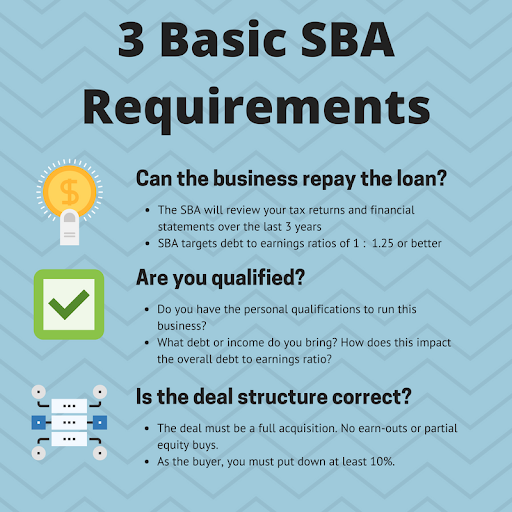
Lenders use the Debt Service Coverage Ratio to determine if your business generates enough cash flow to cover its debt payments. The formula is generally calculated as Net Operating Income divided by Total Debt Service. To qualify for an SBA loan, lenders typically look for a DSCR of 1.15 to 1.25. This means for every dollar of debt payment, the business should generate at least $1.25 in profit. If your business is a startup, this will be calculated based on your financial projections, which must be backed by realistic market data and a solid business plan.
Demonstrable Equity Injection
The SBA requires “skin in the game.” For new businesses or those acquiring another company, the SBA generally requires an equity injection—a down payment—of at least 10%. However, depending on the risk profile and the specific lender, this requirement could be as high as 20% or 30%. This capital must be documented to show it did not come from another loan; it must be your own cash or assets, or potentially a gift that does not require repayment.
Strategic Documentation and the Business Plan
The application for an SBA loan is document-heavy. The goal of this paperwork is to provide a holistic view of your business’s past, present, and future. Missing or incomplete documentation is the most common reason for delays or denials.
The Business Plan: Your Roadmap to Approval
For startups and expanding businesses, the business plan is the most critical document. It should outline your business model, target market, competitive landscape, and management team’s experience. Most importantly, it must include a detailed “Use of Proceeds” section. The SBA needs to know exactly how every dollar will be spent—whether it is for working capital, equipment, real estate, or debt refinancing. Vague requests for “capital” are rarely approved.
Financial Statements and Tax Returns
Lenders will typically require three years of both personal and business federal tax returns. They will also look at your interim financial statements, including:
-
Profit and Loss (P&L) Statement: Updated within the last 90 days.
-
Balance Sheet: A snapshot of your assets, liabilities, and equity.
-
Accounts Receivable/Payable Aging: To assess your cash flow cycle and the reliability of your customers.
Legal and Ownership Documents
You must provide proof of legal ownership and the right to operate. This includes articles of incorporation, bylaws, operating agreements, and any necessary business licenses or permits. If you are using the loan to purchase a franchise, the SBA must review the franchise agreement to ensure it meets their requirements regarding “control”—the SBA will not fund a business if the franchisor has too much control over the franchisee’s operations.
Specialized Requirements for Different SBA Programs
While the 7(a) loan is the most common, different SBA programs have specific qualification nuances. Choosing the right program is essential for alignment with your business goals.
The 504 Loan Program
The 504 program is designed for major fixed-asset purchases, such as real estate or long-term machinery. To qualify, your business must meet specific economic development goals, such as job creation or energy public policy goals. Unlike the 7(a) loan, which can be used for working capital, the 504 loan is strictly for “brick and mortar” expansion and requires a tripartite funding structure involving a private lender, a Certified Development Company (CDC), and the borrower.
SBA Microloans
For very small businesses or those in underserved communities, the Microloan program provides up to $50,000. The qualification criteria are often more flexible regarding credit scores, but these loans frequently require the borrower to participate in business training or technical assistance programs as a condition of the loan.
Disaster and EIDL Loans
While most SBA loans are issued through private lenders, Disaster Loans and Economic Injury Disaster Loans (EIDL) are issued directly by the SBA. To qualify, your business must be located in a declared disaster area and have suffered physical or economic damage. The qualification process focuses heavily on the “inability to recover” without federal assistance.
Common Pitfalls and Strengthening Your Application
Even a profitable business with a good credit score can face a denial if certain “red flags” are present in the application. Understanding these potential pitfalls can help you fortify your position before submitting your paperwork.
Character and Background Checks
Every owner with a 20% or greater stake in the company must complete SBA Form 1919, which includes questions about criminal history. A criminal record does not automatically disqualify you, but it does require a “Character Determination” process. Transparency is key; failing to disclose a past legal issue that the SBA later discovers during a background check is almost always grounds for immediate disqualification.
Previous Government Debt
The SBA will check the Credit Alert Verification Reporting System (CAIVRS) to see if any of the business owners are delinquent on federal debt, such as student loans or previous SBA loans. If you have defaulted on a federal loan in the past, qualifying for a new SBA loan is extremely difficult unless the debt has been fully resolved.
Collateralization
While the SBA tells lenders not to decline a loan solely because of a lack of collateral, they also require lenders to secure the loan to the “maximum extent possible.” This means the lender will likely take a lien on business assets (equipment, inventory, receivables). If business assets are insufficient, the lender may require a lien on your personal residence if there is significant equity available. Being prepared for these collateral requirements is a vital part of the qualification mindset.
In conclusion, qualifying for an SBA loan is an intensive process that rewards the prepared and the disciplined. By focusing on your credit health, maintaining impeccable financial records, and articulating a clear plan for growth, you can position your business to take advantage of these powerful financial tools. While the bar is high, the reward—a stable, low-cost foundation for your business’s future—is well worth the effort.
aViewFromTheCave is a participant in the Amazon Services LLC Associates Program, an affiliate advertising program designed to provide a means for sites to earn advertising fees by advertising and linking to Amazon.com. Amazon, the Amazon logo, AmazonSupply, and the AmazonSupply logo are trademarks of Amazon.com, Inc. or its affiliates. As an Amazon Associate we earn affiliate commissions from qualifying purchases.