
The landscape of modern business is no longer defined by who has the largest budget, but by who tells the most compelling story. Opening a marketing firm in today’s hyper-competitive environment requires more than just a background in advertising or social media management; it requires the strategic assembly of a brand that can command authority in a crowded marketplace. When you transition from a practitioner to an agency owner, your primary product is no longer just “services”—it is your firm’s unique perspective, its identity, and its proven ability to move the needle for clients.
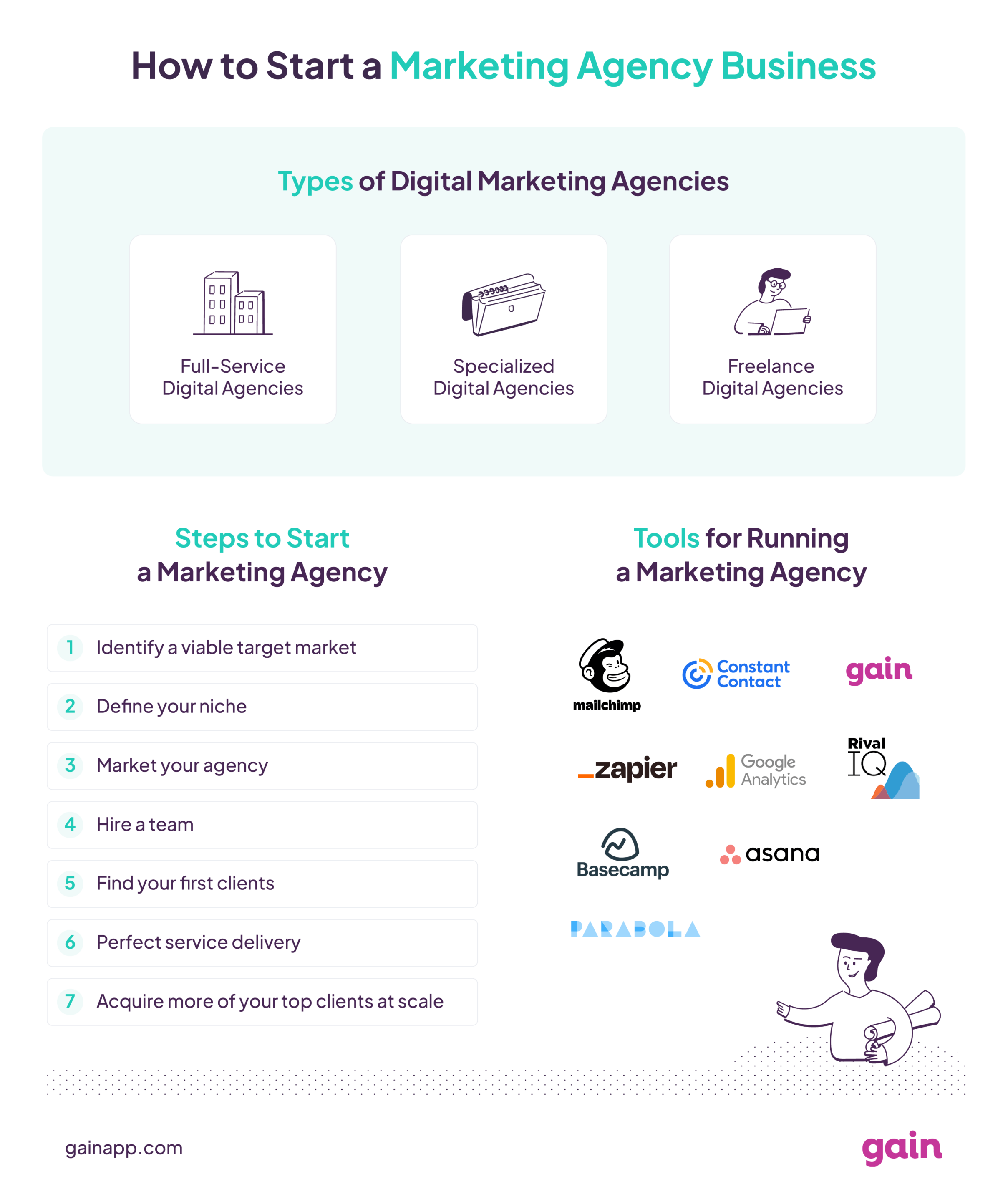
Establishing a marketing firm is an exercise in brand building. You are effectively your own first client. The success of your venture hinges on your ability to define a niche, articulate a clear value proposition, and build an operational framework that reflects the high standards you promise to your clientele.
Defining Your Niche and Brand Identity
The most common pitfall for new marketing firms is the desire to be “full-service” for everyone. While the “generalist” approach may seem like it opens more doors, it often leads to a diluted brand identity and a lack of pricing power. To build a firm that lasts, you must first decide who you are and, more importantly, who you are not.
Identifying Your Unique Value Proposition (UVP)
Your UVP is the cornerstone of your brand strategy. It answers the fundamental question: Why should a client choose you over a legacy agency or a low-cost freelancer? A strong UVP is usually found at the intersection of your deepest expertise and an underserved market need. This might involve focusing on a specific industry vertical—such as healthcare, fintech, or sustainable fashion—or specializing in a specific marketing discipline, such as performance creative, search engine authority, or community-led growth. By narrowing your focus, you position your firm as an expert rather than a commodity, allowing you to command premium rates and attract clients who value specialized knowledge.
Crafting a Cohesive Brand Voice and Visual Identity
As a marketing firm, your visual identity and brand voice serve as a portfolio in their own right. If your firm’s website is cluttered or your messaging is inconsistent, prospective clients will question your ability to manage their brand. Your visual identity—comprising your logo, color palette, and typography—should reflect the “vibe” of your agency. A data-driven performance firm might opt for sharp lines and minimalist aesthetics, whereas a creative boutique might utilize bold colors and unconventional layouts.
Equally important is your brand voice. Are you the provocative disruptor, the reliable corporate partner, or the visionary innovator? This voice must be consistent across your website, pitch decks, and social media presence. Consistency builds trust, and in the agency world, trust is the primary currency.
Developing a Strategic Service Model and Positioning
Once your identity is established, you must translate that brand promise into a tangible service model. This involves moving beyond the “hourly rate” mentality and shifting toward value-based positioning. Your service model should be designed to deliver repeatable excellence while maintaining the flexibility to adapt to shifting market trends.
The Specialized Boutique vs. The Full-Service Model
The structure of your offerings dictates your brand’s scalability. A specialized boutique focuses on a narrow set of deliverables (e.g., brand identity and design) and hones them to perfection. This model allows for high margins and high efficiency but may require you to partner with other firms for integrated campaigns.
Conversely, a full-service model offers a one-stop-shop experience. While this can lead to larger contracts, it requires a diverse talent pool and complex project management. For most new firms, starting as a “specialized powerhouse” is the most effective way to build a reputation. Once your brand is synonymous with excellence in one area, you can strategically expand your services into adjacent categories.
Pricing Strategies as Brand Signaling
How you price your services is a direct reflection of your brand’s positioning. Low pricing signals a high-volume, commodity-driven approach. High pricing signals exclusivity, expertise, and a high-touch client experience. To open a marketing firm that attracts top-tier clients, you should lean toward value-based pricing. This involves pricing based on the impact your work has on the client’s business goals rather than the hours spent on a task. For instance, a brand refresh that helps a company secure a multi-million dollar funding round is worth far more than the sum of the designer’s hours. Value-based pricing reinforces your position as a strategic partner rather than a vendor.
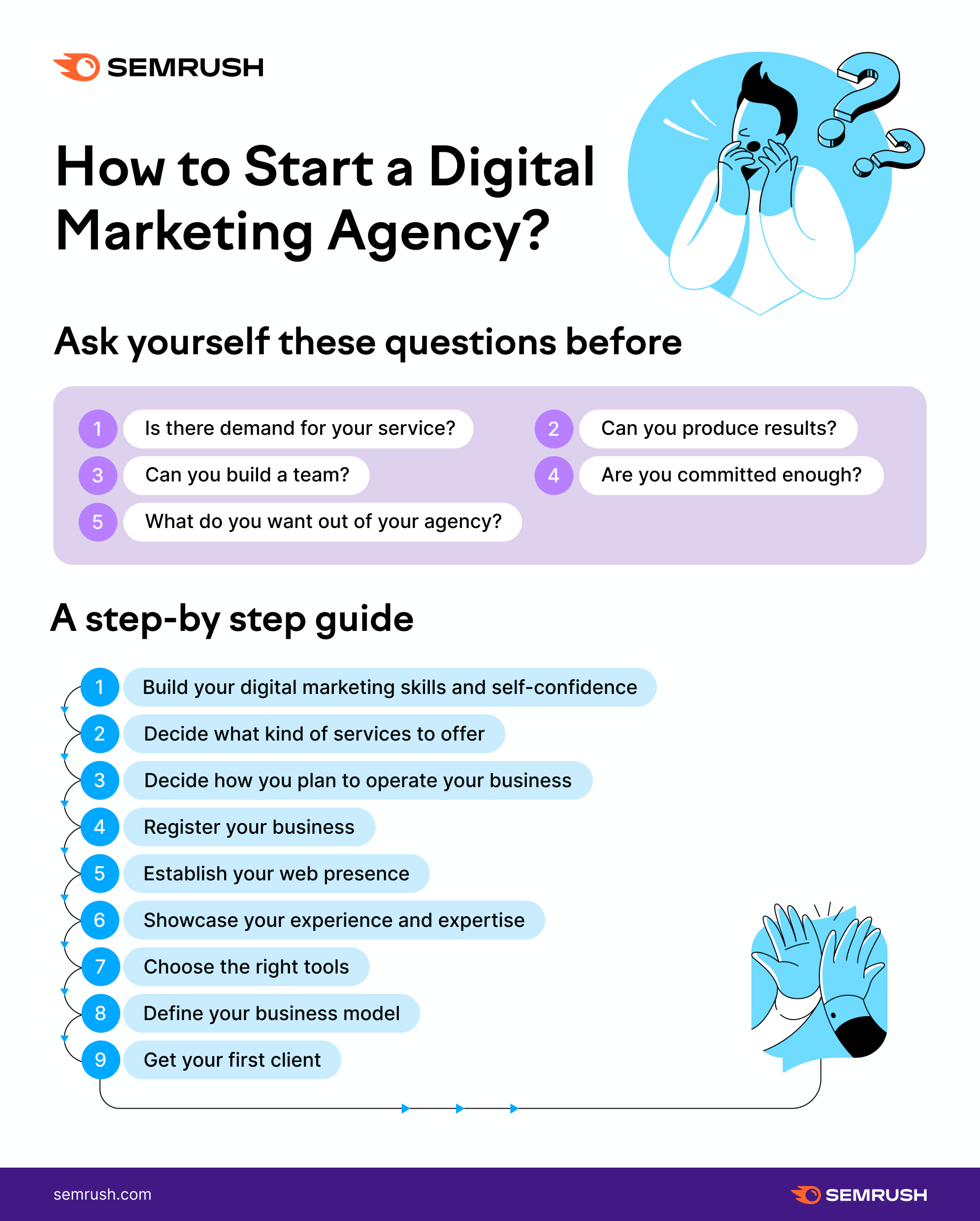
Mastering Self-Marketing and Authority Building
The greatest irony in the agency world is the “cobbler’s children” syndrome—marketing firms that are too busy working on client projects to market themselves. To sustain growth, your firm must be its own best case study. You must treat your firm’s visibility with the same rigor you apply to your clients’ campaigns.
Content Strategy and Thought Leadership
In the world of B2B branding, authority is built through the sharing of ideas. A robust content strategy allows you to demonstrate your expertise before a prospect ever hops on a discovery call. This could involve publishing deep-dive white papers on industry trends, hosting a podcast featuring industry leaders, or maintaining a disciplined LinkedIn presence.
The goal is to move from “chasing” leads to “attracting” them. When you consistently provide value through your insights, you build a “brand halo” that makes your firm the obvious choice when a prospect is ready to buy. Your content should not just describe what you do; it should showcase how you think. Prospective clients aren’t just buying services; they are buying your firm’s unique perspective on the future of their industry.
Leveraging Case Studies and Social Proof
For a new marketing firm, your past successes are your most valuable brand assets. However, a case study shouldn’t just be a list of tasks performed. It should be a narrative of transformation. Frame your case studies using the “Challenge-Solution-Result” framework. Highlight the specific brand obstacles the client faced, the strategic creative approach you took, and the measurable business outcomes that followed. Using high-quality visuals and testimonials reinforces the credibility of your brand and provides the social proof necessary to close high-stakes deals.
Scaling the Firm Through Talent and Culture
As your marketing firm grows, your brand will no longer be defined solely by the founder’s vision, but by the collective output of the team. Scaling requires a shift from individual execution to organizational leadership, where the “brand” becomes an internal culture that attracts and retains top talent.
Hiring for Brand Alignment
In a creative industry, your people are your product. When hiring your first employees or contractors, look beyond technical skills to find “brand alignment.” If your firm’s brand is built on “radical transparency,” you need team members who are comfortable with direct communication. If your brand is “cutting-edge innovation,” you need staff who are perpetually curious and proactive about learning new tools. A team that embodies the firm’s brand values will naturally project those values to clients, creating a seamless brand experience at every touchpoint.
Building a Culture of Creative Excellence
The internal culture of your marketing firm is the engine that drives external brand success. To maintain a high standard of work, you must cultivate an environment where ideas are challenged and excellence is celebrated. This involves establishing clear creative standards and operational workflows that ensure every deliverable meets the “brand promise.”
Investing in professional development and fostering a collaborative environment ensures that your firm remains at the forefront of the industry. A strong internal culture also acts as a powerful recruiting tool. In an industry where talent is mobile, a marketing firm with a prestigious internal brand and a clear mission will always have a competitive advantage in the talent market.
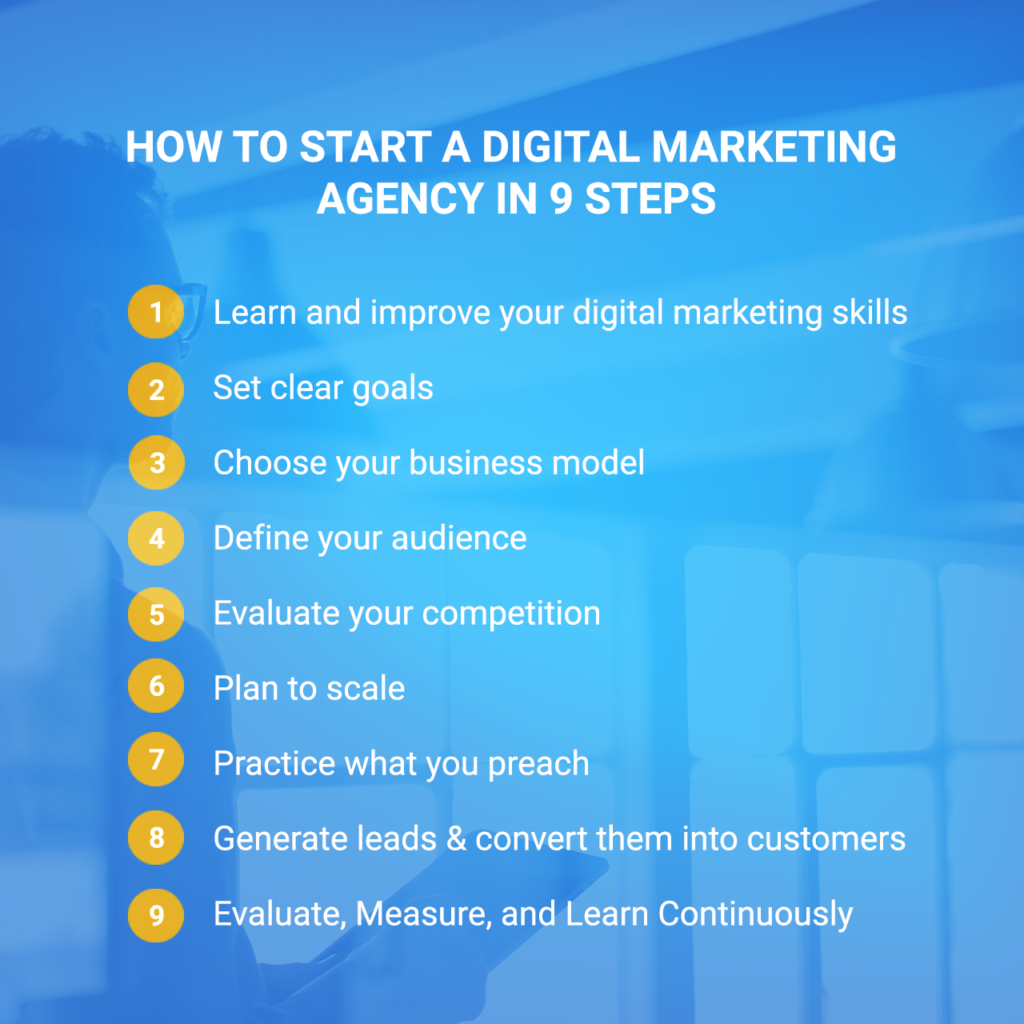
Sustaining Longevity in an Evolving Market
The final step in opening a marketing firm is planning for its evolution. The marketing world changes at a dizzying pace, and a brand that stands still will eventually become obsolete. Longevity is achieved by balancing a consistent core identity with a flexible approach to tactics and technology.
You must stay attuned to shifts in consumer behavior and brand communication. This doesn’t mean chasing every trend, but rather understanding how new developments—such as the rise of generative AI in creative workflows or the shift toward decentralized social platforms—impact your clients’ brand strategies. By positioning your firm as a forward-thinking guide, you ensure that your brand remains indispensable.
Opening a marketing firm is a journey of defining excellence, articulating value, and delivering results. By treating your firm as a premium brand from day one, you set the stage for a business that doesn’t just survive the noise of the marketplace but rises above it. Through a disciplined focus on niche specialization, strategic positioning, and authority building, your firm can transform from a new startup into an influential powerhouse that shapes the brands of the future.
aViewFromTheCave is a participant in the Amazon Services LLC Associates Program, an affiliate advertising program designed to provide a means for sites to earn advertising fees by advertising and linking to Amazon.com. Amazon, the Amazon logo, AmazonSupply, and the AmazonSupply logo are trademarks of Amazon.com, Inc. or its affiliates. As an Amazon Associate we earn affiliate commissions from qualifying purchases.