
Securing external capital is often the most significant milestone in the lifecycle of a small business. Whether you are aiming to scale operations, develop a new product line, or enter a new geographic market, the infusion of outside investment can provide the necessary fuel to transform a fledgling startup into a market leader. However, the process of finding and securing investors is not merely about having a great idea; it is a rigorous financial exercise that requires strategic planning, meticulous record-keeping, and a deep understanding of the investment landscape.
To successfully attract capital, a business owner must shift their perspective from that of an operator to that of a financial strategist. This transition involves understanding what investors look for, where they congregate, and how to structure a deal that aligns the interests of both the founder and the financier.
Building a Foundation: Preparing Your Financial Infrastructure
Before reaching out to a single potential investor, your business must be “investment-ready.” This means more than just having a functional product or service; it means having a transparent, scalable, and defensible financial structure. Investors are not just buying into your vision; they are purchasing a share of future cash flows and assessing the risk associated with those gains.
The Comprehensive Business Plan and Financial Model
A business plan serves as your roadmap, but your financial model is the engine. Investors will scrutinize your revenue projections, cost of goods sold (COGS), and customer acquisition costs (CAC). You must be able to demonstrate a clear path to profitability or, at the very least, a logical progression of scaling. A robust financial model should include three to five years of projections, a detailed breakdown of how the investment funds will be utilized (the “Use of Proceeds”), and a sensitivity analysis that shows how the business performs under different market conditions.
Organizing the Data Room
In the professional investment world, due diligence is a standardized process. You should prepare a “data room”—a secure digital folder containing all essential corporate documents. This includes articles of incorporation, previous tax returns, intellectual property filings, employee contracts, and existing debt obligations. Having these organized beforehand signals to investors that the business is professionally managed and reduces the friction of the closing process.
Determining Valuation and Equity Structure
One of the most challenging aspects of looking for investors is determining what your company is worth. Valuation for small businesses is often a blend of quantitative metrics (multiples of EBITDA or revenue) and qualitative factors (team experience, market size, and proprietary technology). You must decide how much equity you are willing to give up and at what price. Over-valuing your company can alienate savvy investors, while under-valuing it can lead to excessive dilution of your ownership.
Navigating the Landscape: Choosing the Right Type of Capital
The term “investor” is broad, encompassing various entities with different risk appetites, timelines, and expectations. Identifying which type of investor aligns with your specific business stage is crucial for a successful search.
Angel Investors
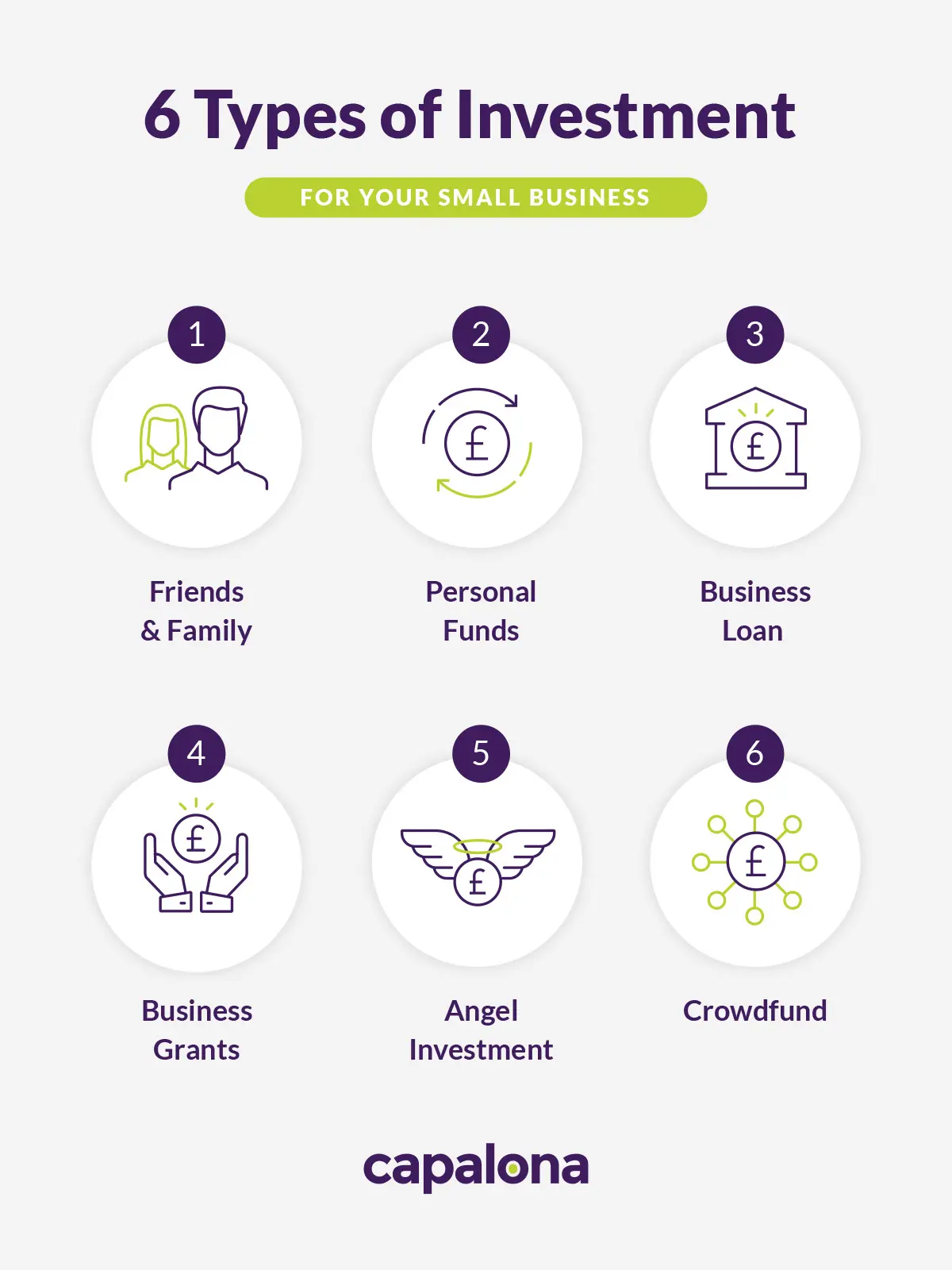
Angel investors are typically high-net-worth individuals who invest their personal funds into early-stage companies. They are often former entrepreneurs themselves and can offer valuable mentorship alongside capital. Because they are playing with their own money, their decision-making process can be faster than institutional firms, but the check sizes are usually smaller, ranging from $25,000 to $500,000. They are ideal for businesses that have moved past the “friends and family” stage but are not yet large enough for venture capital.
Venture Capital (VC)
Venture capital firms manage pooled money from institutional investors to invest in high-growth startups with the potential for massive exits (IPOs or acquisitions). VCs typically look for “ten-baggers”—companies that can return ten times their investment. If your small business is a local service provider with steady but linear growth, VC is likely not the right fit. However, if you are building a scalable technology or a disruptive consumer brand, VCs can provide the multi-million dollar rounds necessary for rapid expansion.
Equity Crowdfunding
Modern regulations have opened the door for equity crowdfunding, allowing small businesses to raise capital from a large pool of non-accredited investors through regulated platforms. This approach not only provides capital but also builds a loyal community of brand advocates. However, it requires a significant marketing effort to drive traffic to the campaign and involves managing a large cap table with many small shareholders.
Private Equity and Small Business Investment Companies (SBICs)
For more established small businesses with consistent cash flow, private equity firms or SBICs may be an option. These investors often look for “buy-and-build” opportunities where they can provide capital for acquisitions or operational improvements. Unlike VCs, who focus on high-risk moonshots, private equity investors focus on operational efficiency and steady growth.
The Art of the Pitch: Communicating Value and Vision

Once you have identified your target investor class, the next step is the pitch. This is your opportunity to translate your financial data and business strategy into a compelling narrative that resonates with the investor’s objectives.
Developing the Perfect Pitch Deck
A pitch deck should be concise, visually professional, and data-driven. A standard deck consists of 10 to 12 slides covering the problem, your solution, the total addressable market (TAM), your competitive advantage, the business model, the team, and the financial ask. Avoid “fluff” and technical jargon; instead, focus on the “unit economics”—how much it costs to acquire a customer and what that customer is worth over their lifetime (LTV).
The Narrative of Growth and ROI
Investors are fundamentally interested in the “Return on Investment.” While they may care about your mission, their primary goal is to grow their capital. Your pitch must clearly articulate how their money will be used to create value. Will it be used to hire a sales team that triples revenue? Will it be used to automate production and double margins? Connecting the investment directly to a measurable growth metric is the most effective way to secure a commitment.
Addressing Risks and Mitigations
Every business has risks, and sophisticated investors will find them. Attempting to hide weaknesses—such as a high churn rate or intense competition—will destroy your credibility. Instead, proactively address these risks and explain your mitigation strategies. This demonstrates a high level of business acumen and builds the trust necessary for a long-term financial partnership.
Strategic Outreach: Where and How to Find Potential Investors
Finding investors is a sales process. It requires a funnel, a lead generation strategy, and persistent follow-up. You cannot wait for investors to find you; you must go where the capital lives.
Leveraging Professional Networks and Warm Introductions
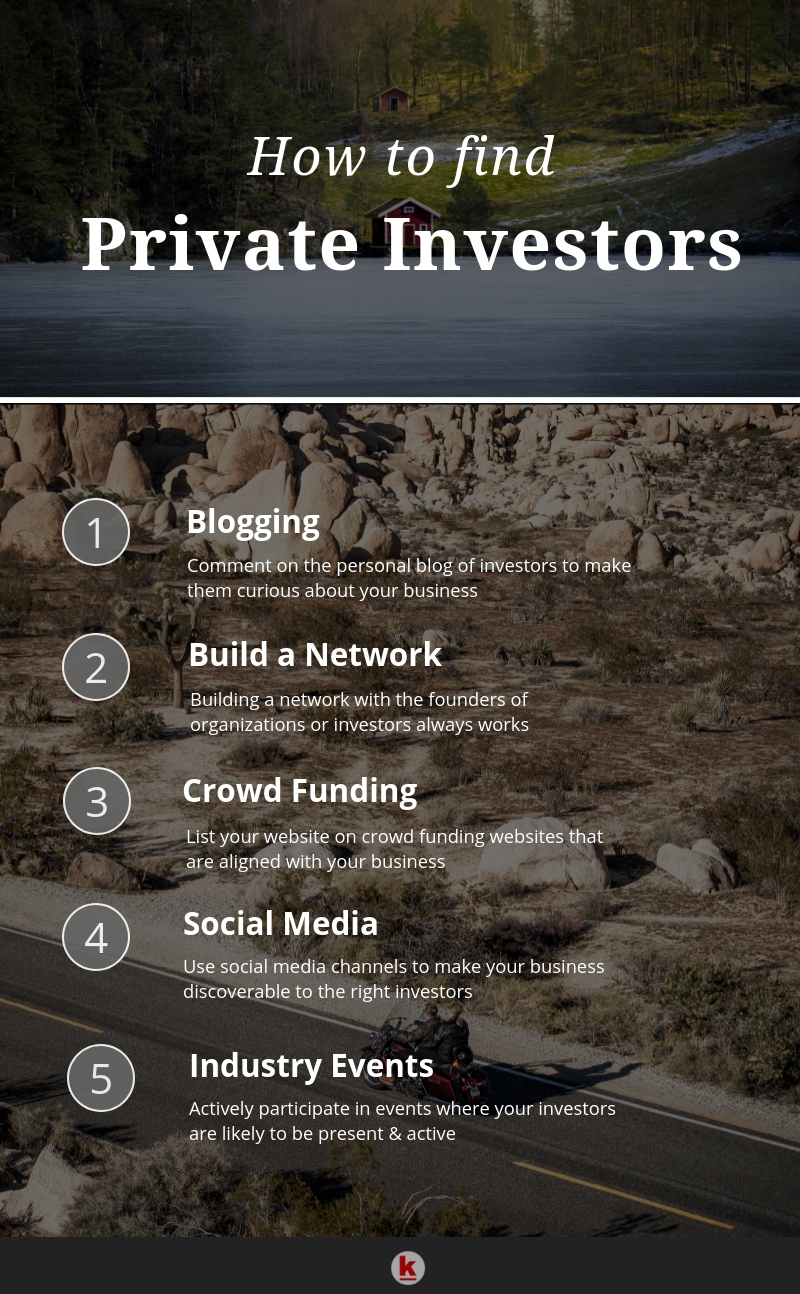
The most effective way to get a meeting with an investor is through a warm introduction. This is why networking is vital. Engage with your local Chamber of Commerce, attend industry-specific conferences, and participate in startup incubators. Reach out to other founders who have successfully raised capital and ask for advice or introductions. A referral from a trusted source carries more weight than a thousand cold emails.
Online Investment Platforms
In the digital age, several platforms act as marketplaces connecting founders with investors. Sites like AngelList, Crunchbase, and Gust allow you to create a profile for your business, list your funding goals, and search for investors who have previously funded companies in your sector. These platforms are excellent for researching an investor’s portfolio to ensure they are a “thematic fit” for your business.
Utilizing LinkedIn for Targeted Prospecting
LinkedIn is a powerful tool for finding investors if used correctly. Rather than sending generic connection requests, use the platform to identify partners at VC firms or active angels who have expressed interest in your industry. Engage with their content, provide value, and build a digital relationship before making your “ask.” Precision targeting is always more effective than a “spray and pray” approach.
Navigating Due Diligence and Finalizing the Agreement
If your pitch is successful and an investor expresses interest, you enter the due diligence and negotiation phase. This is where the deal is either solidified or falls apart.
Understanding the Term Sheet
The term sheet is a non-binding document that outlines the key terms and conditions of the investment. It covers valuation, the amount of investment, voting rights, liquidation preferences, and board seats. It is imperative to have a business attorney who specializes in venture finance review these documents. Small clauses in a term sheet can have significant long-term implications for your control over the company and your eventual payout upon exit.
The Due Diligence Deep Dive
During due diligence, the investor will verify everything you told them during the pitch. They will speak to your customers, audit your financial statements, and background check the founding team. Transparency is your best friend during this phase. Any discrepancies found during due diligence can lead to the investor walking away or demanding a lower valuation.
Closing and Post-Investment Management
Once the legal documents are signed and the funds are wired, the work really begins. An investor is a partner, not just a source of cash. You must establish a cadence for reporting, typically through monthly or quarterly updates. These updates should include key performance indicators (KPIs), financial highlights, and “asks” where the investor can help (such as introductions to potential hires or customers). Maintaining a healthy, transparent relationship with your investors ensures that when you need a follow-on round of funding, your existing backers are the first to step up.
Securing investment for a small business is a marathon, not a sprint. It requires a blend of financial rigor, psychological resilience, and strategic networking. By preparing your business for the scrutiny of the capital markets and targeting the right partners, you can secure the resources needed to turn your entrepreneurial vision into a scalable reality.
aViewFromTheCave is a participant in the Amazon Services LLC Associates Program, an affiliate advertising program designed to provide a means for sites to earn advertising fees by advertising and linking to Amazon.com. Amazon, the Amazon logo, AmazonSupply, and the AmazonSupply logo are trademarks of Amazon.com, Inc. or its affiliates. As an Amazon Associate we earn affiliate commissions from qualifying purchases.