
Securing adequate capital is the most significant hurdle any entrepreneur faces. Whether you are launching a pre-revenue startup or scaling a mid-market enterprise, the method by which you finance your company will dictate your growth trajectory, ownership structure, and long-term financial health. The landscape of business finance is no longer limited to traditional bank loans; it is a complex ecosystem of equity partners, debt instruments, and alternative funding models. Understanding how to navigate this landscape requires a deep dive into the costs, benefits, and strategic implications of each capital source.
Equity Financing: Trading Ownership for Growth
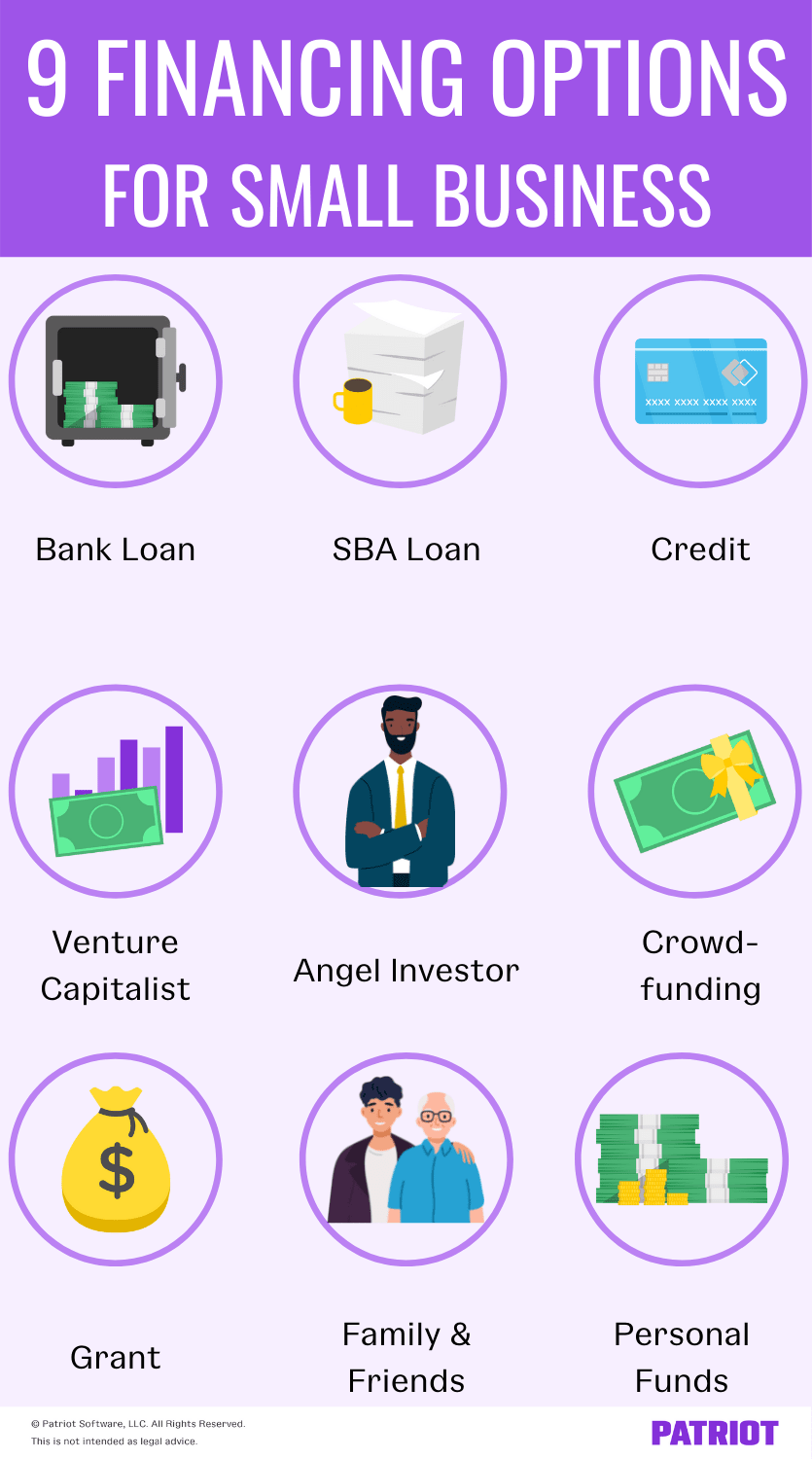
Equity financing involves selling a portion of your business to investors in exchange for capital. The primary advantage of this route is that the funds do not have to be repaid in the traditional sense; there are no monthly interest payments or principal balances to settle. Instead, the investor shares in the risks and the rewards of the company.
Bootstrapping and Personal Investment
Before looking outward, most founders begin with bootstrapping. This involves using personal savings, credit cards, or the initial revenue generated by the business to fund operations. While this limits the speed of growth, it allows the founder to retain 100% ownership and control. Bootstrapping forces a lean operational mindset, ensuring that every dollar spent is focused on value creation. However, as the company reaches a certain scale, personal resources are often insufficient to capture market share or invest in necessary infrastructure.
Angel Investors
Angel investors are typically high-net-worth individuals who provide capital for a business start-up, usually in exchange for convertible debt or ownership equity. They fill the gap between the “friends and family” stage and the larger venture capital stage. Beyond just providing money, angel investors often bring valuable industry experience and networking opportunities. Because they are investing their own money, they may be more flexible than institutional firms, but they will still expect a clear path to a high-return exit, such as an acquisition or an IPO.
Venture Capital (VC)
For companies with high growth potential and scalable business models—particularly in tech or biotech—venture capital is the gold standard. VC firms manage pooled funds from institutional investors and deploy them into companies they believe can achieve a 10x or 100x return. Venture capital usually comes in stages: Seed, Series A, B, C, and beyond. While VCs bring massive amounts of capital and strategic weight, they also demand significant equity and often a seat on the board of directors. This can lead to a shift in company culture as the focus moves toward aggressive scaling and eventual liquidation.
Debt Financing: Leveraging Loans to Scale
Unlike equity, debt financing allows you to maintain full ownership of your company. You borrow a specific amount of money and agree to pay it back over time with interest. This is a “known cost” of capital, which can be advantageous for tax purposes, as interest payments are often tax-deductible.
Traditional Commercial Bank Loans
For established companies with a track record of profitability and solid collateral, traditional bank loans offer the lowest interest rates. Banks look for “The Five Cs”: Character, Capacity, Capital, Collateral, and Conditions. This route is often difficult for startups because banks are risk-averse and require a proven history of cash flow to service the debt. If your business has physical assets like real estate or heavy machinery, you can use these as collateral to secure more favorable terms.
SBA Loans
In the United States, the Small Business Administration (SBA) offers programs that guarantee a portion of loans made by private lenders. This reduces the risk for the bank, making it easier for small business owners to qualify for financing. The SBA 7(a) loan is the most popular, used for working capital, equipment, or debt refinancing. While the application process is notoriously rigorous and time-consuming, the lower down payments and longer repayment terms make it an excellent option for sustainable business growth.
Lines of Credit and Factoring
Sometimes, a company doesn’t need a large lump sum but rather a safety net for cash flow fluctuations. A business line of credit provides access to funds up to a certain limit, where you only pay interest on the amount you actually draw.
Another specialized form of debt is invoice factoring or accounts receivable financing. If your company has a long billing cycle—waiting 60 or 90 days for clients to pay—a factoring company will buy your outstanding invoices at a discount. This provides immediate liquidity to cover payroll or inventory costs without waiting for the customer to settle their bill.
Alternative and Modern Funding Models
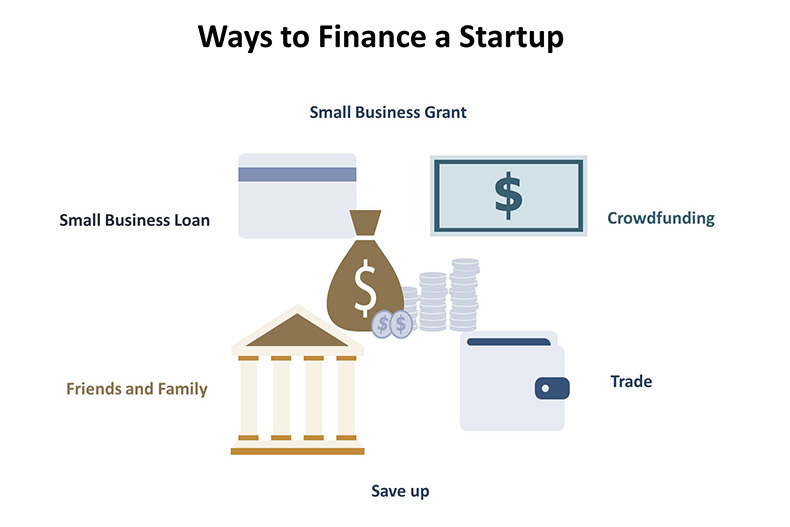
The digital age has birthed new ways to finance a company that bypass traditional gatekeepers like banks and VC firms. These methods often focus on community support or specific revenue metrics.
Crowdfunding
Crowdfunding platforms have democratized access to capital. There are two primary types: reward-based and equity-based.
-
Reward-based (e.g., Kickstarter): Entrepreneurs offer a product or service to backers before it is officially produced. This is essentially a massive pre-sale event that provides the capital needed for the first production run without giving up equity or taking on debt.
-
Equity-based (e.g., Wefunder): This allows the general public to invest small amounts of money in exchange for a fractional share of the company. It allows a business to build a community of brand ambassadors who are financially incentivized to see the company succeed.
Revenue-Based Financing (RBF)
Revenue-based financing is a hybrid model where investors provide capital in exchange for a percentage of the company’s ongoing gross revenues. Unlike a loan, there is no fixed interest rate or maturity date. The payments fluctuate based on how well the company is doing; if sales are slow, the payment is small; if sales are high, the investor is paid back faster. This is particularly popular for Software as a Service (SaaS) companies that have high margins and predictable recurring revenue but do not want to dilute their equity.
Grants and Competitions
While highly competitive, grants are essentially “free money” in that they do not require repayment or equity. Government agencies (like the SBIR program in the US) and private foundations offer grants for companies working on innovative technologies, social impact projects, or specific research and development. Additionally, many corporations and universities hold “pitch competitions” where winners receive cash prizes and mentorship.
Preparing Your Business for Investment
Securing finance is rarely about the idea itself; it is about the preparation and the data supporting that idea. Regardless of the path you choose, you must present a professional and de-risked opportunity to the financier.
The Financial Model and Projections
You must be able to demonstrate exactly how the capital will be used and what the expected return on investment (ROI) will be. A robust financial model includes three-to-five-year projections of your income statement, balance sheet, and cash flow statement. Investors want to see that you understand your Customer Acquisition Cost (CAC), Lifetime Value (LTV), and “Burn Rate.” If you cannot explain your unit economics, you are unlikely to secure professional funding.
The Pitch Deck and Value Proposition
Your pitch deck is your visual narrative. It should concisely cover the problem you are solving, your unique solution, the total addressable market (TAM), your competitive advantages, and your team’s expertise. A common mistake is focusing too much on the product features and not enough on the business case. Financing is a business transaction; the lender or investor needs to know why your company is a safe or high-upside place for their capital to reside.
Due Diligence Readiness
Once an investor or lender expresses interest, they will enter the “due diligence” phase. This is an exhaustive audit of your company’s legal, financial, and operational records. You should have a “data room” ready that contains your articles of incorporation, tax returns, employment contracts, intellectual property filings, and existing debt schedules. Any skeletons in the closet or disorganized records during this phase can kill a deal instantly.
Determining the Optimal Capital Structure
The final step in financing a company is deciding on the right “Capital Stack”—the mix of debt and equity used to fund the business. There is no one-size-fits-all answer; it depends on your industry, your stage of growth, and your personal goals as a founder.
Equity is the most expensive form of capital in the long run because it involves giving away a share of all future profits. However, it is the least risky in the short term because it doesn’t require monthly cash outflows. Debt is the cheapest form of capital because its cost is capped at the interest rate, but it increases the risk of insolvency if the company’s cash flow falters.
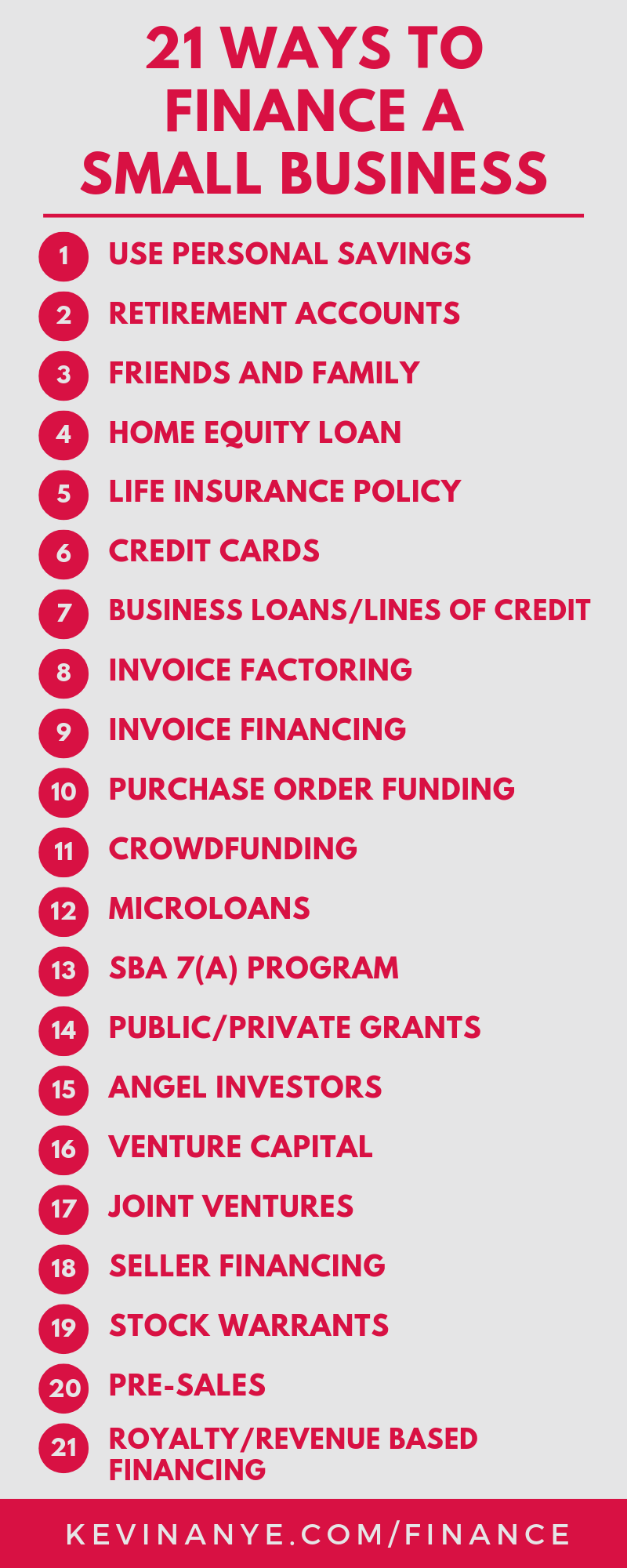
Most successful companies use a tiered approach. They might start with bootstrapping, move to an angel round to build a prototype, use a venture capital round to scale operations, and finally utilize bank debt or lines of credit to manage seasonal inventory or bridge gaps in cash flow. By understanding the nuances of each financing vehicle, you can build a resilient capital structure that fuels your company’s vision while protecting its financial integrity.
aViewFromTheCave is a participant in the Amazon Services LLC Associates Program, an affiliate advertising program designed to provide a means for sites to earn advertising fees by advertising and linking to Amazon.com. Amazon, the Amazon logo, AmazonSupply, and the AmazonSupply logo are trademarks of Amazon.com, Inc. or its affiliates. As an Amazon Associate we earn affiliate commissions from qualifying purchases.