
In the contemporary business landscape, a brand is far more than a logo or a catchy slogan; it is the sum total of every interaction, perception, and emotional connection a consumer has with a company. Consequently, constructing a marketing plan is not merely an administrative exercise in budgeting and scheduling. It is a strategic endeavor designed to translate a brand’s vision into a tangible market presence. A well-crafted marketing plan serves as a North Star, ensuring that every campaign, piece of content, and social media interaction aligns with a central identity and moves the business toward its long-term objectives.
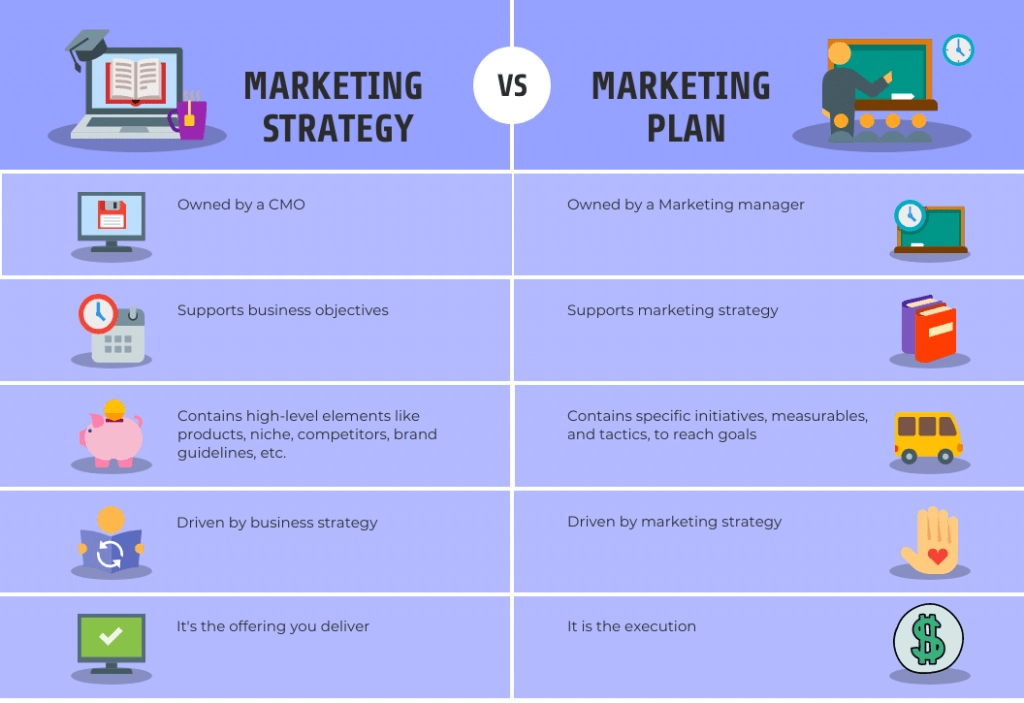
To build a plan that truly resonates, one must move beyond surface-level tactics and dive deep into the psychology of the market and the structural integrity of the brand itself. The following blueprint outlines the essential phases of constructing a marketing plan that fosters sustainable brand growth.
Phase 1: Situational Analysis and Market Research
Before a brand can determine where it is going, it must have an uncompromisingly honest understanding of where it currently stands. This phase is about gathering intelligence—both internal and external—to identify the playground upon which the brand will compete.
Conducting a SWOT Analysis
A SWOT analysis (Strengths, Weaknesses, Opportunities, and Threats) remains one of the most effective tools for brand assessment. However, a brand-centric SWOT goes deeper than generalities. Strengths should be viewed through the lens of brand equity: What is our “moat”? Is it our reputation for quality, our proprietary technology, or our deeply loyal community?
Weaknesses must be addressed with radical transparency. If the brand’s visual identity is dated or the customer service experience is fragmented, these are liabilities that will undermine any marketing spend. Opportunities often lie in market gaps—unmet customer needs or emerging cultural shifts—while threats include not just direct competitors, but also shifting consumer sentiment and economic volatility.
Competitive Benchmarking
In the realm of brand strategy, you are not just competing for dollars; you are competing for “share of mind.” Identifying direct and indirect competitors allows you to see how others are positioning themselves. Analyze their brand voice, their visual language, and their value propositions. The goal of this research is not to mimic successful rivals, but to find the “white space”—the territory that no one else is claiming. If every competitor is focusing on “low cost,” your opportunity may lie in “premium experience” or “radical sustainability.”
Phase 2: Defining Your Target Audience and Value Proposition
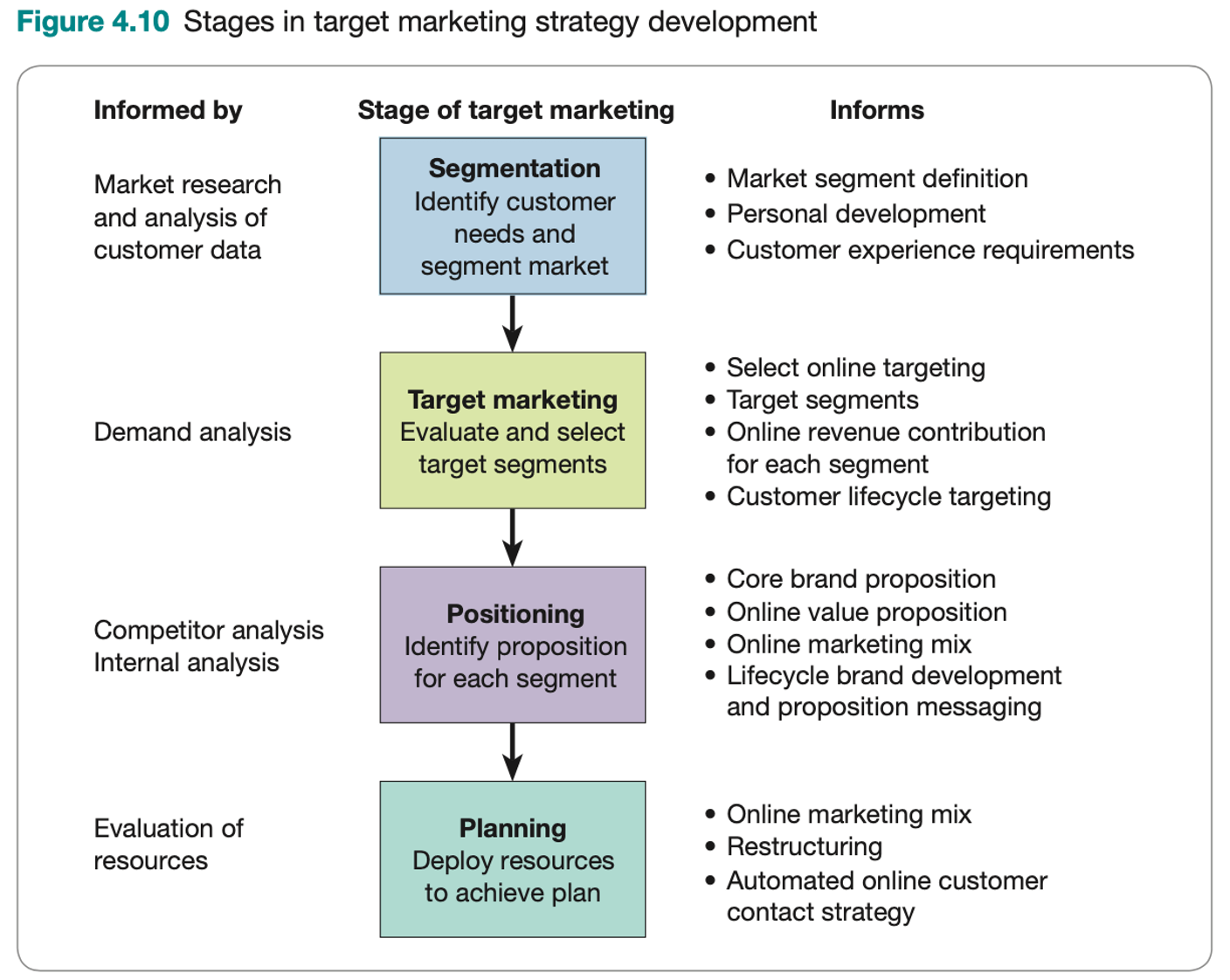
A marketing plan that tries to appeal to everyone inevitably appeals to no one. The second phase involves narrowing the focus to the specific human beings who will find the most value in your brand.
Building Detailed Buyer Personas
Demographics (age, location, income) are the skeleton of an audience profile, but psychographics (values, desires, fears, and lifestyle) are the soul. To construct a truly effective plan, you must develop detailed buyer personas.
Ask deeper questions: What keeps your ideal customer awake at night? What are their aspirations? How do they spend their Saturday mornings? By understanding the emotional drivers behind a purchase, a brand can tailor its messaging to resonate on a human level. A luxury skincare brand, for instance, isn’t just selling moisturizer; it’s selling the feeling of self-care and the confidence of aging gracefully.
Refining Your Brand’s Unique Selling Proposition (USP)
Once you know who you are talking to, you must define exactly what you are offering them that they cannot get elsewhere. This is your Unique Selling Proposition. In a crowded marketplace, your USP is your brand’s reason for existence.
A strong USP is clear, concise, and defensible. It should sit at the intersection of what your customers want and what your brand does exceptionally well. When constructing your marketing plan, the USP acts as the filter through which all creative assets must pass. If a proposed advertisement doesn’t reinforce the USP, it is a distraction from the brand’s core mission.
Phase 3: Setting SMART Goals and Key Performance Indicators
With the research and positioning in place, the marketing plan requires a framework for accountability. Strategic brand growth is a marathon, but it is measured in sprints.
Aligning Marketing Objectives with Business Goals
Marketing does not exist in a vacuum; it is an engine for business growth. Therefore, every marketing objective must align with high-level corporate goals. If the business goal is to increase annual recurring revenue by 20%, the marketing plan’s objectives might focus on lead generation and customer retention.
Objectives should follow the SMART criteria: Specific, Measurable, Achievable, Relevant, and Time-bound. Instead of saying “we want to grow our Instagram following,” a SMART goal would be “to increase our Instagram engagement rate by 15% over the next six months to drive higher brand affinity among Gen Z consumers.”
Selecting the Right Metrics for Success
Data is the lifeblood of modern marketing, but not all data is created equal. “Vanity metrics,” such as raw likes or impressions, can be misleading if they don’t correlate with brand health or sales. A sophisticated marketing plan focuses on Key Performance Indicators (KPIs) that reflect true impact.
For a brand-focused plan, relevant KPIs might include Customer Acquisition Cost (CAC), Customer Lifetime Value (CLV), Net Promoter Score (NPS), and Brand Awareness sentiment. By tracking these metrics, a brand can see not just how many people are seeing their content, but how those people feel about the brand and how likely they are to remain loyal over time.
Phase 4: Developing the Strategic Marketing Mix
This phase is where the strategy becomes visible. It involves deciding how the brand will show up in the world across various touchpoints. While traditional marketing discusses the “4 Ps” (Product, Price, Place, and Promotion), a modern brand strategy emphasizes the narrative and the journey.
Content Strategy and Brand Narrative
Content is the vehicle through which your brand’s personality is expressed. A marketing plan should outline a content strategy that serves the audience at every stage of the funnel—from awareness to advocacy.
This involves defining the brand voice: Is it authoritative and professional, or playful and irreverent? The narrative should be consistent across all mediums. Whether a customer reads a white paper, watches a 15-second video, or receives an email, the “soul” of the brand should remain unmistakable. Strategic storytelling allows a brand to build an emotional bridge with its audience, turning casual buyers into brand evangelists.
Channels and Distribution
Choosing the right channels is a matter of resource allocation. A brand does not need to be on every platform; it needs to be on the platforms where its audience spends their time.
The marketing plan should detail the mix of Owned, Earned, and Paid media.
-
Owned Media: Your website, blog, and email lists where you have total control.
-
Earned Media: PR, word-of-mouth, and organic social mentions that build credibility.
-
Paid Media: Targeted ads (search, social, or display) that amplify your reach.
The key is integration. A successful marketing plan ensures that an ad on LinkedIn complements the blog post on the website, which in turn is supported by an influencer’s organic review on YouTube. This omnichannel approach creates a seamless brand experience.
Phase 5: Implementation, Budgeting, and Iteration
The final phase of constructing a marketing plan is perhaps the most critical: turning the document into action. A plan that sits on a shelf is useless; a plan that is executed, measured, and refined is a powerful asset.
Allocating Resources Effectively
Budgeting is an exercise in prioritization. The marketing plan must clearly outline how financial and human resources will be distributed across various initiatives. It is often wise to follow the 70/20/10 rule: 70% of the budget goes to proven strategies that drive core business, 20% goes to emerging trends with high potential, and 10% is reserved for “wildcard” experiments. This allows the brand to maintain stability while still fostering the innovation necessary to stay ahead of the curve.

The Feedback Loop: Monitoring and Adjusting
The market is not static, and a marketing plan should not be either. The final section of the plan must establish a cadence for review. This involves monthly or quarterly “deep dives” into the data to see what is working and what isn’t.
If a specific channel is underperforming despite optimization efforts, the plan should allow for a strategic pivot. Conversely, if a particular brand message is resonating far better than expected, resources should be shifted to capitalize on that momentum. This iterative process—Plan, Execute, Measure, Adjust—is what separates stagnant companies from market leaders.
In conclusion, constructing a marketing plan is an intensive process of aligning internal identity with external reality. It requires a deep understanding of the brand’s core values, an intimate knowledge of the target audience, and a disciplined approach to measurement and execution. When these elements are synthesized effectively, the marketing plan becomes more than just a schedule of activities; it becomes the fundamental engine of brand equity and long-term commercial success.
aViewFromTheCave is a participant in the Amazon Services LLC Associates Program, an affiliate advertising program designed to provide a means for sites to earn advertising fees by advertising and linking to Amazon.com. Amazon, the Amazon logo, AmazonSupply, and the AmazonSupply logo are trademarks of Amazon.com, Inc. or its affiliates. As an Amazon Associate we earn affiliate commissions from qualifying purchases.