
Securing a business loan is often the bridge between a visionary concept and a market-leading enterprise. Whether you are looking to scale operations, purchase inventory, or manage seasonal cash flow fluctuations, understanding the mechanics of commercial lending is a fundamental skill for any entrepreneur. The process of applying for a business loan is not merely a bureaucratic hurdle; it is a strategic exercise that requires meticulous preparation, financial transparency, and a clear articulation of your business’s value proposition.
Navigating the financial landscape requires a roadmap. Lenders are inherently risk-averse, and their primary objective is to ensure that the capital they provide will be returned with interest. To successfully secure funding, you must demonstrate that your business is a reliable investment. This involves more than just filling out a form; it requires a deep dive into your financial history, a rigorous assessment of your current health, and a realistic projection of your future performance.
Phase 1: Preparation and Documentation
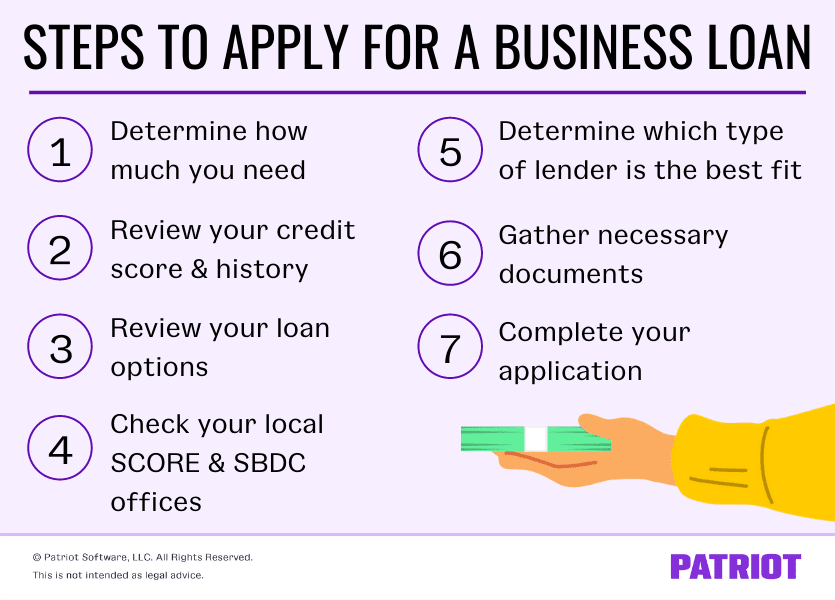
The foundation of a successful loan application is laid long before you step into a bank or log into an online lending portal. Preparation is the most critical stage, as it determines the narrative you present to potential creditors.
Understanding Your Credit Profile
Lenders evaluate two types of credit: personal and business. For small business owners and startups, personal credit scores often carry significant weight because they serve as a proxy for financial responsibility. A personal credit score above 700 is generally considered strong, while scores below 650 may limit your options to high-interest alternative lenders. Simultaneously, you must check your business credit report through agencies like Dun & Bradstreet, Experian, or Equifax. Ensuring these reports are accurate and free of errors is a prerequisite for any application.
Developing a Robust Business Plan
A business plan is your opportunity to tell your story through the lens of profitability. It should clearly outline your business model, target market, competitive landscape, and management team’s expertise. Crucially, it must include a “Use of Funds” section. Lenders want to see exactly how their money will be spent and how that expenditure will generate the revenue necessary to repay the loan. A vague request for “working capital” is less convincing than a detailed plan to “acquire three new delivery vehicles to expand the service area by 20%.”
Organizing Financial Statements
Financial transparency is non-negotiable. You will need to provide at least two years of both personal and business tax returns, profit and loss (P&L) statements, balance sheets, and bank statements. These documents provide a historical view of your cash flow and debt-to-income ratio. If your business is relatively new, you will need to rely heavily on detailed financial projections. These projections should be conservative yet optimistic, backed by market research and logical assumptions.
Phase 2: Exploring Loan Types and Identifying the Right Fit
Not all business loans are created equal. The “best” loan depends on your specific needs, the age of your business, and your financial standing. Choosing the wrong product can lead to unnecessary costs or a cycle of debt that hampers growth.
Traditional Term Loans and Lines of Credit
Traditional banks and credit unions offer some of the most favorable rates but have the strictest requirements. A term loan provides a lump sum upfront, which is repaid over a set period with a fixed or variable interest rate. This is ideal for long-term investments like real estate or major equipment. Conversely, a business line of credit provides flexible access to funds up to a certain limit. You only pay interest on the amount you draw, making it an excellent tool for managing short-term cash flow gaps or unexpected expenses.
SBA Loans: The Gold Standard for Small Businesses
The U.S. Small Business Administration (SBA) does not lend money directly but guarantees a portion of loans made by partner lenders. This guarantee reduces the risk for the lender, often resulting in lower down payments and longer repayment terms. The SBA 7(a) loan is the most popular for general business use, while the 504 loan is specifically for fixed assets like land and machinery. While the application process for SBA loans is notoriously rigorous and time-consuming, the terms are among the most competitive in the market.
Alternative and Online Lending
In recent years, the rise of fintech has revolutionized business finance. Online lenders offer speed and convenience, often providing funding within days rather than weeks. These lenders may focus more on daily cash flow and real-time data than traditional credit scores. However, this convenience often comes at a higher cost in the form of higher interest rates or shorter repayment windows. This category includes merchant cash advances, invoice factoring, and equipment financing, which are particularly useful for businesses that may not meet the stringent criteria of traditional banks.
Phase 3: The Application Process and Submission
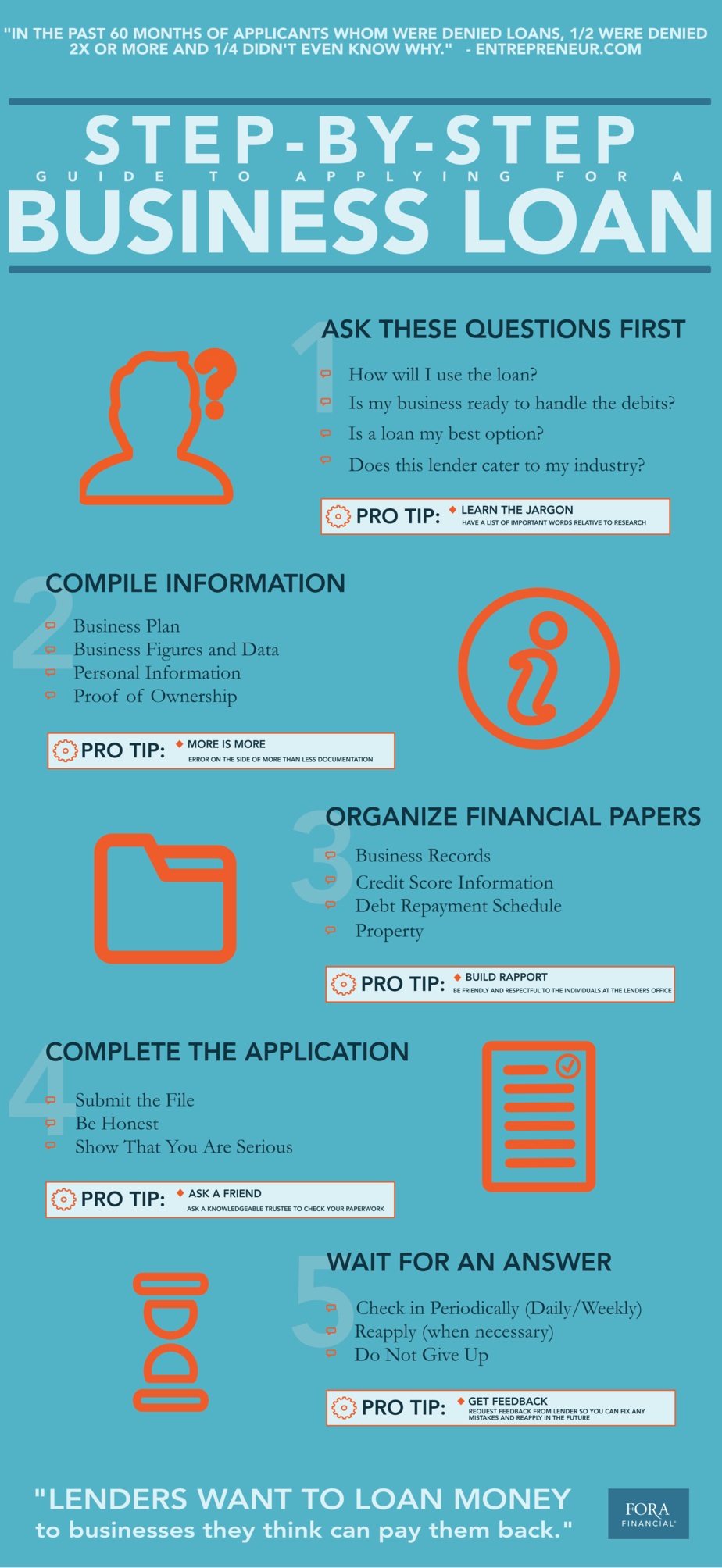
Once you have identified the right type of loan and lender, the actual application process begins. This stage is about precision and responsiveness.
Calculating the True Cost of Capital
Before submitting, you must understand the Annual Percentage Rate (APR). The interest rate is only one part of the equation; you must also account for origination fees, processing fees, and potential prepayment penalties. Using a loan calculator to determine the monthly payment and the total cost of the loan over its lifetime is essential to ensure that the debt service remains manageable within your projected cash flow.
Choosing Your Lender and Initiating the Ask
It is often beneficial to start with a bank where you already have a relationship. Existing history can sometimes facilitate a smoother approval process. However, do not hesitate to shop around. Different lenders have different “appetites” for risk and different specializations in specific industries. When you initiate the application, be prepared for an initial “hard pull” on your credit, which can temporarily dip your score. Therefore, it is wise to narrow your choices to two or three top contenders rather than applying to dozens of lenders simultaneously.
The Underwriting and Due Diligence Period
After submission, your application enters the underwriting phase. The lender’s underwriters will scrutinize every detail of your financial documents. They are looking for “red flags,” such as inconsistent revenue, excessive existing debt, or legal issues. During this period, communication is vital. Lenders will often request additional documentation or clarification on specific line items in your financial statements. A delay in responding can signal a lack of organization or transparency, potentially leading to a denial.
Phase 4: Strategies for Approval and Risk Mitigation
Securing a loan is a competitive process. To increase your odds of success, you must view the application through the eyes of the lender and proactively address their concerns regarding risk.
The Role of Collateral and Personal Guarantees
Most traditional business loans are secured, meaning they require collateral—assets like real estate, inventory, or equipment that the lender can seize if you default. Providing strong collateral significantly lowers the lender’s risk and can lead to better interest rates. Furthermore, most small business loans require a personal guarantee. This means you are personally liable for the debt if the business cannot pay. Understanding the legal and financial implications of a personal guarantee is paramount before signing any agreement.
Managing Debt-to-Income and Debt Service Coverage Ratios
Lenders look closely at your Debt Service Coverage Ratio (DSCR), which is your net operating income divided by your total debt service. A ratio of 1.25 or higher is typically required, meaning your business generates 25% more income than what is needed to cover its debt payments. If your ratio is tight, consider paying down smaller existing debts or finding ways to increase short-term profitability before applying for a new loan.
Building Professional Relationships
Banking is still, at its core, a relationship business. Having a dedicated commercial banker who understands your industry and your long-term vision can be a massive advantage. They can act as an internal advocate during the underwriting process, helping to explain nuances in your financials that an automated system might miss. Regular communication with your banker—even when you don’t need a loan—builds the trust necessary for future capital needs.
Phase 5: Post-Approval Management and Financial Health
The process doesn’t end when the funds hit your account. Responsible management of the loan is crucial for your business’s long-term viability and your future ability to borrow.
Strategic Deployment of Capital
Once funded, it is vital to stick to the plan outlined in your application. Using a growth-oriented loan to cover operational inefficiencies or lifestyle expenses is a recipe for disaster. Track every dollar of the loan and measure the Return on Investment (ROI) it generates. If you borrowed money to purchase a new piece of machinery, monitor how much that machine contributes to increased production or reduced labor costs.
Maintaining Financial Discipline
Automatic payments should be set up to ensure you never miss a deadline. Late payments carry heavy fees and can devastate your business credit score, making future borrowing significantly more expensive. Additionally, continue to maintain clean, updated financial records. Most lenders require annual or quarterly financial statements as part of the loan covenant. Keeping these records up to date not only satisfies the lender but also provides you with the data needed to make informed leadership decisions.
Preparing for Future Financing
Successful repayment of a business loan is one of the most effective ways to build a stellar business credit profile. As your business grows, your capital needs will likely evolve. By demonstrating a track record of responsible borrowing, you position your company to qualify for larger amounts, lower interest rates, and more flexible terms in the future. Treat your first loan as a building block for a long-term financial strategy that supports sustainable growth and market dominance.
aViewFromTheCave is a participant in the Amazon Services LLC Associates Program, an affiliate advertising program designed to provide a means for sites to earn advertising fees by advertising and linking to Amazon.com. Amazon, the Amazon logo, AmazonSupply, and the AmazonSupply logo are trademarks of Amazon.com, Inc. or its affiliates. As an Amazon Associate we earn affiliate commissions from qualifying purchases.