
The barrier to entry for entrepreneurship has never been lower, yet the financial stakes remain significant. Transitioning from a traditional career or a hobby into a home-based business requires more than just a creative idea; it demands a rigorous financial framework and a strategic approach to capital management. In an era where “side hustles” are evolving into primary income streams, understanding the fiscal mechanics of a home-based enterprise is the difference between a fleeting project and a sustainable wealth-building asset.
Starting a small business from home is a strategic move that leverages existing resources—like your living space and personal equipment—to minimize overhead. However, the lack of traditional office costs does not exempt a founder from the complexities of business finance. To succeed, one must navigate the nuances of tax law, capital allocation, and cash flow optimization from day one.
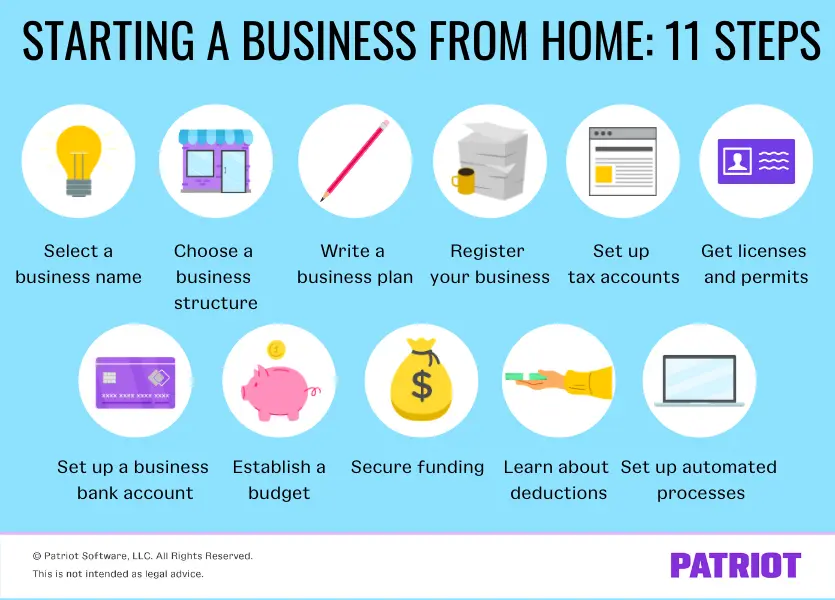
Establishing a Strong Financial Foundation
The most common pitfall for home-based entrepreneurs is the blurring of lines between personal and professional finances. Without a distinct boundary, tracking profitability becomes nearly impossible, and tax season transforms into a logistical nightmare.
Defining Initial Capital Requirements
Before launching, a comprehensive audit of startup costs is mandatory. Even a service-based business operated from a laptop carries expenses. These may include software subscriptions, domain registration, initial marketing spend, and legal fees for incorporation. A “lean startup” approach is often recommended for home businesses, where the goal is to reach a Minimum Viable Product (MVP) with as little capital as possible. By documenting every projected expense in a pre-launch budget, you can determine your “burn rate”—the amount of money you will spend each month before the business becomes profitable.
The Importance of Separate Business Entities
From a financial and legal perspective, operating as a sole proprietorship under your own name is the simplest path, but it offers the least protection. Establishing a Limited Liability Company (LLC) or a similar structure creates a “corporate veil,” protecting your personal assets from business liabilities. More importantly, it allows you to open a dedicated business bank account. Mixing personal grocery expenses with business software purchases is a recipe for an audit. A clean separation allows for accurate financial reporting and makes it easier to evaluate the true Return on Investment (ROI) of your time and capital.
Navigating Home Office Tax Structures
One of the primary financial advantages of working from home is the home office deduction. In many jurisdictions, a portion of your rent or mortgage, utilities, insurance, and home maintenance can be deducted from your business income, provided the space is used exclusively for business purposes. Understanding the difference between the simplified method and the actual expense method is crucial. Consult with a tax professional to ensure you are maximizing these deductions without triggering red flags with revenue services. These savings essentially function as an immediate subsidy for your business operations.
Analyzing Profitable Business Models for Home Entrepreneurs
Not all home businesses are created equal in terms of profitability. Selecting a model that aligns with your financial goals—whether that is immediate cash flow or long-term equity—is a critical decision.
High-Margin Service Models
Consulting, freelance writing, digital marketing, and specialized coaching are among the most financially efficient home businesses. These models typically have near-zero COGS (Cost of Goods Sold). Your primary investment is time, and your primary expense is specialized software or lead generation. Because overhead is low, profit margins often exceed 80%. For those looking to replace a full-time salary quickly, service-based models provide the fastest path to positive cash flow.
The Economics of Digital Assets
Creating and selling digital products—such as online courses, e-books, or SaaS (Software as a Service) tools—represents a shift from trading time for money to building scalable assets. While the initial “sunk cost” in terms of time and development may be high, the marginal cost of selling to an additional customer is effectively zero. This model allows for exponential income growth without a corresponding increase in operational expenses, making it an ideal choice for those focused on passive income and long-term wealth.
Inventory-Based Models and Cash Flow
E-commerce and dropshipping are popular but financially complex. If you are holding physical inventory at home, you must account for storage costs, shipping logistics, and the “cash conversion cycle”—the time between paying for inventory and receiving payment from a customer. Dropshipping mitigates the inventory risk but often results in razor-thin margins due to high competition and rising advertising costs. Home-based product businesses must be hyper-focused on “unit economics”: ensuring that after marketing, shipping, and platform fees, each sale contributes a meaningful amount to the bottom line.

Financial Tools for Modern Cash Flow Management
In the absence of a dedicated accounting department, the home-based entrepreneur must rely on technology to maintain financial health. The modern fintech ecosystem offers tools that were once only available to large corporations.
Cloud-Based Accounting Solutions
Spreadsheets are insufficient for a growing business. Platforms like QuickBooks, Xero, or FreshBooks provide real-time visibility into your financial position. These tools can automate invoicing, track billable hours, and categorize expenses via bank feeds. Most importantly, they generate essential financial statements: the Balance Sheet, the Income Statement (P&L), and the Cash Flow Statement. Reviewing these monthly allows you to identify trends, such as rising customer acquisition costs or stagnant revenue, before they become critical issues.
Optimizing Payment Processing Fees
Every time a customer pays via credit card or an online gateway like Stripe or PayPal, you lose 2.9% to 4% of the transaction to fees. While this seems small, it can represent a significant portion of your net profit. Home businesses should evaluate different merchant services based on their transaction volume. For high-ticket consulting, wire transfers or ACH payments can save thousands of dollars annually. For high-volume e-commerce, negotiating rates or using platform-specific payments (like Shopify Payments) can optimize margins.
Funding and Capital Allocation Strategies
How you fund your home business and where you reinvest your profits will dictate its growth trajectory. Financial discipline in the early stages prevents the “lifestyle creep” that often sinks promising ventures.
Bootstrapping and Lean Operations
Bootstrapping—funding your business through personal savings and early revenue—is the gold standard for home-based startups. It forces a level of frugality that builds a resilient business culture. By avoiding debt in the early stages, you maintain 100% equity and full control over your financial decisions. The goal of bootstrapping is to reach “default alive” status as quickly as possible, meaning your current revenue covers all expenses without the need for external capital.
Strategic Reinvestment for Compound Growth
Once the business is profitable, the entrepreneur faces a choice: take the profit as personal income or reinvest it into the business. To scale, a significant portion of profits should be allocated back into “growth levers,” such as automated marketing funnels, better equipment, or outsourcing low-value tasks to virtual assistants. Treating your business like a portfolio of investments—where you only fund activities with a proven high ROI—ensures that the capital you work hard to earn is working just as hard for you.
Risk Management and Long-Term Financial Health
Operating from home does not eliminate risk; it simply changes its nature. Protecting your venture from unforeseen financial shocks is a prerequisite for longevity.
Emergency Reserves and Insurance
Just as individuals need an emergency fund, a home business needs a capital reserve. Aim for three to six months of operating expenses held in a high-yield savings account. Additionally, do not assume your homeowners’ or renters’ insurance covers your business. Professional liability insurance (Errors and Omissions) and general liability insurance are often necessary to protect against lawsuits that could bankrupt both you and your business. These premiums are a small price to pay for the security of your personal financial future.

Planning for Scalability and Exit Value
Even if you intend to keep your business small, you should build it as if you intend to sell it. This means documenting processes and maintaining pristine financial records. A business that is dependent entirely on the founder’s daily presence is a job; a business with systems and clear profitability is an asset. By focusing on increasing the “discretionary earnings” of the business, you are not just creating a monthly paycheck—you are building an entity that has an exit value, providing a potential windfall should you choose to sell or transition to a new venture in the future.
Starting a small business from home is a journey of financial empowerment. By applying professional financial principles to a domestic setting, you transform a simple home office into a laboratory for wealth creation. Success lies in the details: the meticulous tracking of expenses, the strategic selection of high-margin models, and the disciplined reinvestment of capital. In the modern economy, your home is more than just a residence; it is the headquarters of your financial independence.
aViewFromTheCave is a participant in the Amazon Services LLC Associates Program, an affiliate advertising program designed to provide a means for sites to earn advertising fees by advertising and linking to Amazon.com. Amazon, the Amazon logo, AmazonSupply, and the AmazonSupply logo are trademarks of Amazon.com, Inc. or its affiliates. As an Amazon Associate we earn affiliate commissions from qualifying purchases.