
Starting a small business is often portrayed as a journey of passion and creative vision. While those elements are essential for motivation, the structural integrity of any new venture rests entirely upon its financial foundation. Statistics consistently show that the primary reason small businesses fail is not a lack of effort or a poor product, but rather a lack of capital or poor financial management. To navigate the transition from a conceptual idea to a profitable enterprise, an entrepreneur must view their startup through the lens of business finance, capital allocation, and fiscal sustainability.
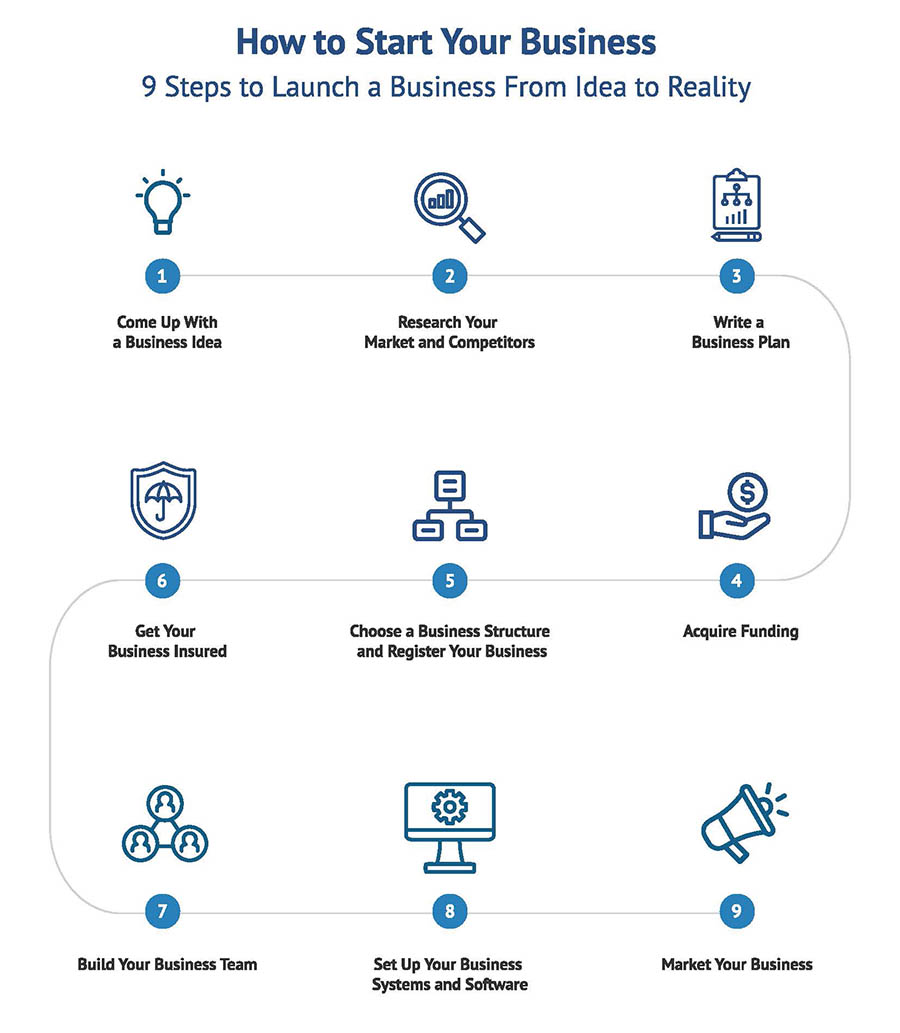
This guide focuses on the financial mechanics of starting a small business, providing a blueprint for securing funding, managing cash flow, and optimizing tax structures to ensure your venture remains solvent in an unpredictable market.
Building a Solid Financial Foundation: Capital Requirements and Initial Budgeting
The first step in starting a small business is identifying exactly how much capital is required to get the doors open and, more importantly, how much is needed to keep them open until the business reaches its break-even point. This requires a rigorous breakdown of startup costs versus operating expenses.
Identifying Startup Costs vs. Operating Expenses
Startup costs are the one-time expenses incurred before the business generates any revenue. These typically include legal fees for incorporation, initial inventory, equipment purchases, signage, and security deposits for office or retail space. Many entrepreneurs underestimate these “capital expenditures” (CapEx), leading to a cash crunch before the business even launches.
Operating expenses (OpEx), on the other hand, are the recurring costs of staying in business. This includes rent, utilities, payroll, insurance, and marketing. When building your initial budget, it is vital to differentiate between these two. A common mistake is using startup capital to cover long-term OpEx without a clear path to revenue, which rapidly depletes the company’s “runway”—the amount of time the business can survive before running out of cash.
The Importance of a Cash Reserve
Prudent financial planning dictates that a new business should have a cash reserve equivalent to six to twelve months of operating expenses. This “liquidity cushion” protects the venture against the “trough of sorrow”—that period after the initial launch excitement fades but before the customer base has grown enough to sustain the business. Having a robust reserve allows for strategic decision-making rather than desperate, short-term moves triggered by a lack of funds.
Navigating Funding Options: Debt, Equity, and Bootstrapping
Once the capital requirement is established, the next financial hurdle is sourcing that capital. The method of funding you choose will dictate the ownership structure of your business and your long-term financial obligations.
The Pros and Cons of Small Business Loans
Debt financing, primarily through Small Business Administration (SBA) loans or traditional bank loans, allows you to maintain full ownership of your company. The cost of this capital is the interest rate. In a high-interest-rate environment, debt can be a heavy burden on a young company’s cash flow. However, if the Return on Investment (ROI) of the borrowed funds exceeds the interest rate, debt becomes a powerful tool for leverage. Entrepreneurs must evaluate their “Debt Service Coverage Ratio” (DSCR) to ensure that the business’s projected income can comfortably cover loan repayments.
Attracting Investors: Equity and Ownership
Equity financing involves selling a portion of the business to outside investors, such as angel investors or venture capitalists. The primary advantage is that there is no monthly repayment obligation; the risk is shared with the investor. The downside is the dilution of ownership and the potential loss of control over financial decisions. This path is most common for businesses with high scalability potential, where a large influx of capital is needed to capture market share rapidly.
Strategic Bootstrapping for Sustainable Growth
Bootstrapping—funding the business through personal savings and early sales—is the most fiscally conservative approach. While it limits the speed of growth, it forces a high level of financial discipline. Bootstrapped companies must be lean, focusing intensely on unit economics and immediate profitability. This method ensures that the entrepreneur retains 100% equity and avoids the pressure of external debt or investor demands, creating a more stable, albeit slower-growing, financial entity.
Financial Systems and Tools for Effective Management
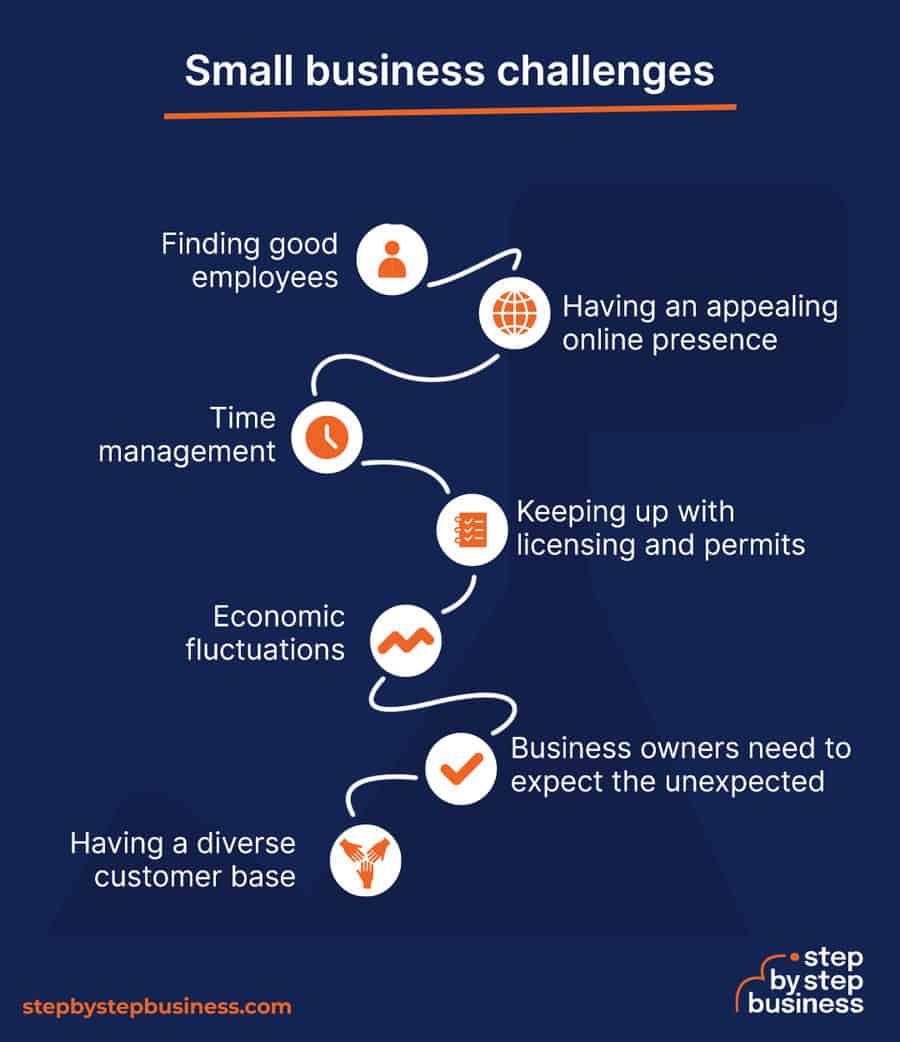
Starting a business without a sophisticated financial tracking system is akin to flying a plane without a dashboard. Modern financial tools have democratized high-level accounting, allowing small business owners to monitor their fiscal health in real-time.
Implementing Cloud-Based Accounting Solutions
The days of manual ledgers are over. Implementing cloud-based accounting software like QuickBooks, Xero, or FreshBooks is non-negotiable. These tools allow for the automation of bookkeeping, bank reconciliation, and financial reporting. By integrating these platforms with your business bank account, you gain an immediate view of your Profit and Loss (P&L) statement, Balance Sheet, and Cash Flow Statement.
A key financial habit for any new business owner is the strict separation of personal and business finances. Mixing funds is a “red flag” for tax audits and makes it nearly impossible to calculate the true profitability of the venture. Opening a dedicated business checking account and a business credit card is a foundational step in establishing a professional financial identity.
Managing Cash Flow and Burn Rate
Profit is not the same as cash flow. A business can be profitable on paper but still go bankrupt if its cash is tied up in accounts receivable or inventory. Understanding your “burn rate”—the rate at which your business spends its capital—is essential. By tracking cash inflows and outflows weekly, you can anticipate “cash crunches” before they happen. Effective cash flow management involves negotiating favorable payment terms with vendors while ensuring customers pay promptly, perhaps by offering small discounts for early payments.
Tax Strategy and Legal Structures for Financial Efficiency
The legal structure you choose for your small business has significant implications for your tax liability and personal financial protection. Consulting with a tax professional during the startup phase can save thousands of dollars in the long run.
Choosing the Right Entity for Tax Optimization
Most small businesses start as a Sole Proprietorship, an LLC (Limited Liability Company), or an S-Corporation.
-
Sole Proprietorship: The simplest to set up, but it offers no protection for personal assets. All business income is taxed at the individual’s personal tax rate.
-
LLC: Provides a “corporate veil” that protects personal assets from business liabilities. From a tax perspective, it is a “pass-through” entity, meaning profits are reported on the owner’s personal tax return.
-
S-Corporation: For businesses generating significant profit, an S-Corp election can reduce self-employment taxes. Owners can pay themselves a “reasonable salary” and take the remaining profit as a distribution, which is not subject to Social Security or Medicare taxes.
Understanding Tax Deductions and Compliance
Starting a business opens a world of legal tax deductions that can significantly lower your taxable income. Expenses such as home office use, travel, equipment depreciation (Section 179), and marketing are all deductible. However, documentation is key. Maintaining digital receipts and logs of business expenses ensures that you are prepared for tax season and can maximize your “after-tax” income, which is the money that actually contributes to your personal wealth and business reinvestment.
Projecting Profitability and Scaling Your Financial Assets
The final phase of starting a small business is moving from survival to growth. This requires a shift from tracking historical data to creating forward-looking financial projections.
Break-Even Analysis and Revenue Forecasting
Every entrepreneur must know their “Break-Even Point”—the exact dollar amount in sales required to cover all fixed and variable costs. Once you know this number, you can set realistic sales targets. Revenue forecasting involves looking at market trends, historical sales data, and pipeline growth to predict future income. These projections are vital when seeking additional funding or deciding when to hire the next employee.
Reinvesting Profits for Compound Growth
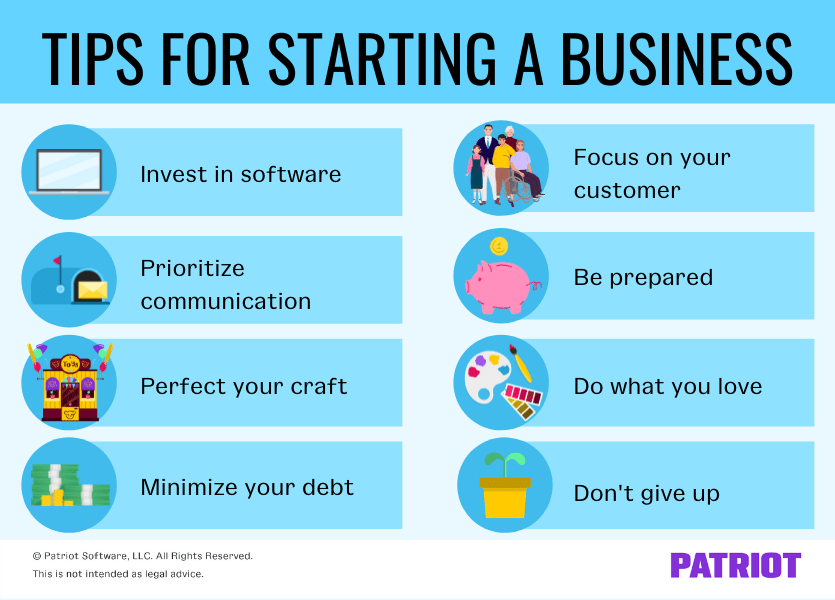
When the business begins to generate surplus cash, the owner faces a critical financial decision: take the money out as a draw or reinvest it back into the business. In the early years, reinvesting profits into “productive assets”—such as better technology, expanded inventory, or more efficient marketing—often yields a higher ROI than any external investment. This cycle of reinvestment is how small businesses scale into large, high-value assets.
By focusing on these financial pillars—capitalization, funding strategy, accounting systems, tax efficiency, and profitability projections—you transform your small business from a high-risk gamble into a calculated financial machine. Starting a business is a financial commitment; managing it as a financial professional is what ensures its longevity and success.
aViewFromTheCave is a participant in the Amazon Services LLC Associates Program, an affiliate advertising program designed to provide a means for sites to earn advertising fees by advertising and linking to Amazon.com. Amazon, the Amazon logo, AmazonSupply, and the AmazonSupply logo are trademarks of Amazon.com, Inc. or its affiliates. As an Amazon Associate we earn affiliate commissions from qualifying purchases.