
The prevailing myth in the modern entrepreneurial landscape is that innovation requires a massive infusion of venture capital or a significant personal inheritance. We are often conditioned to believe that a business cannot exist without a physical office, a fleet of employees, and a robust marketing budget. However, some of the most successful enterprises in history began with nothing more than a specific skill set and a laptop. Starting a business with zero capital is not only possible; it is often the most prudent way to build a resilient, lean, and highly profitable organization.
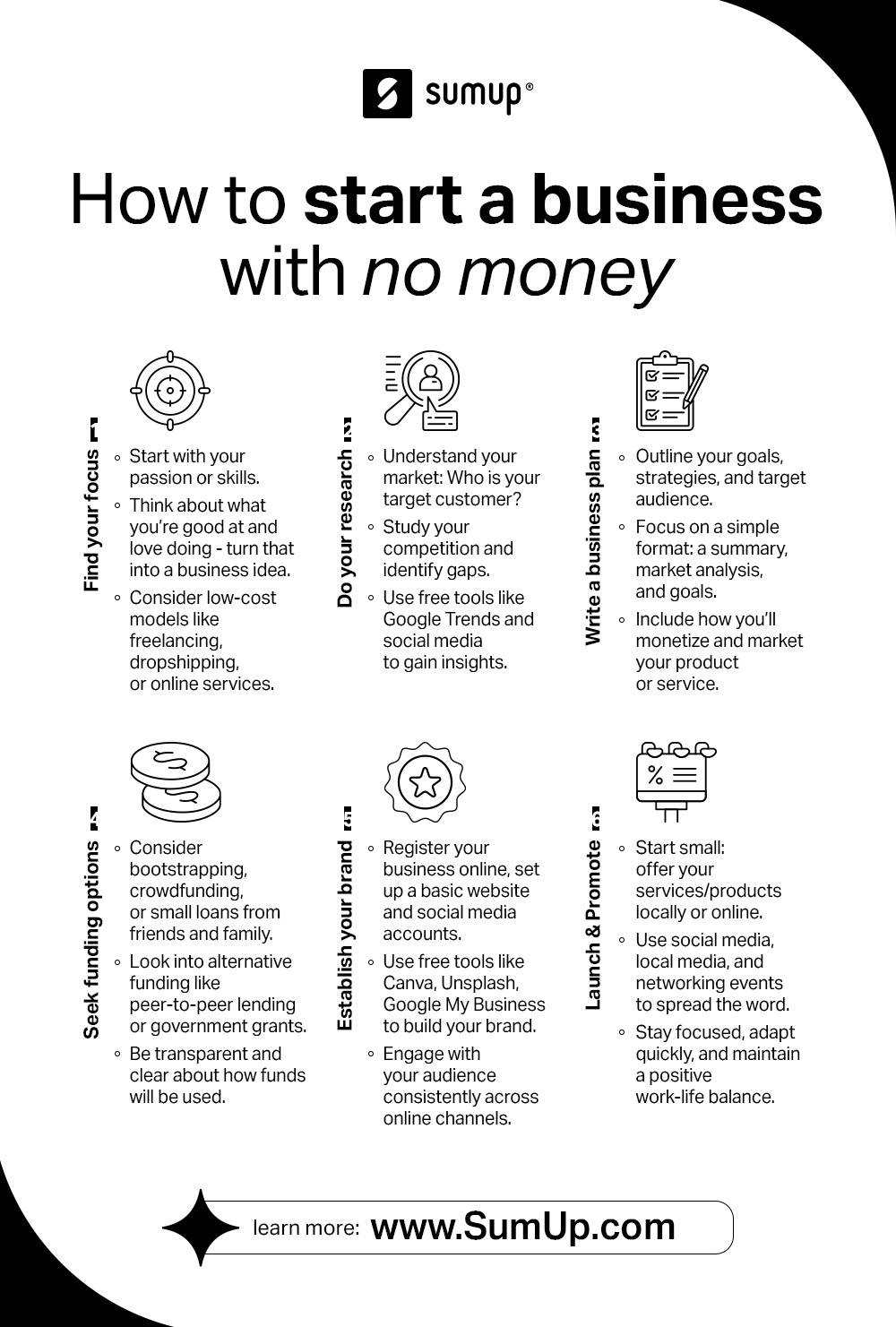
When you remove the safety net of external funding, you are forced to focus on the most fundamental aspect of business: solving a problem for a customer who is willing to pay for the solution. This “lean startup” approach prioritizes cash flow over aesthetics and revenue over vanity metrics. By leveraging sweat equity, strategic digital tools, and the power of the service-based model, any aspiring entrepreneur can transition from an idea to a revenue-generating entity without spending a single dollar.
The Philosophy of the Zero-Dollar Startup
The primary hurdle to starting a business is rarely a lack of money; it is a lack of resourcefulness. In the context of business finance, starting with nothing means you are trading “financial capital” for “human capital.” This is commonly known as sweat equity. Instead of paying someone to build a website, you learn the basics of a content management system. Instead of hiring a sales team, you pick up the phone or send personalized outreach emails yourself.
Identifying Your Resource Arbitrage
To start without funds, you must identify what you have that others need. This is the core of resource arbitrage. Most zero-cost businesses begin in the service sector because services have no inventory costs and low overhead. Whether it is financial consulting, digital marketing, copywriting, or specialized project management, your primary “product” is your time and expertise. By identifying a high-value skill that solves a specific pain point for a business or individual, you create immediate value that can be liquidated into cash flow.
The Lean Mindset and Risk Mitigation
Starting with no money is the ultimate form of risk mitigation. When you haven’t invested life savings or taken out a high-interest loan, the cost of “failure” is merely the time spent. This allows for rapid experimentation. If one service offering doesn’t gain traction, you can pivot your strategy overnight without the weight of unsold inventory or long-term lease agreements. This agility is a competitive advantage that many well-funded startups lack.
Building a Service-First Revenue Engine
The fastest way to go from zero to a positive bank balance is to sell a service. Unlike product-based businesses, which require manufacturing, shipping, and storage costs, a service-based business can be launched in an afternoon. The key is to focus on a “high-ticket” or “high-necessity” niche where your expertise directly correlates to a client’s revenue or peace of mind.
The Skill-to-Service Pipeline
Many entrepreneurs make the mistake of trying to build a complex platform before they have their first customer. Instead, follow the “Skill-to-Service” pipeline. First, document your existing skills—things people already ask you for help with. Second, package that skill into a clearly defined offer. For example, instead of saying “I am a writer,” your offer should be “I write high-converting email sequences for e-commerce brands.” A specific offer allows you to charge premium rates, which provides the necessary capital to eventually fund product development or more advanced tools.
Avoiding Inventory and Upfront Costs
If your goal is to eventually sell physical products, the best path is to start with a “pre-sale” or “no-inventory” model. Dropshipping and print-on-demand are popular entries, but they often have low margins. A more sophisticated approach is the “consult-to-product” model. Spend six months consulting for clients in a specific industry to learn their deepest frustrations. Then, use the revenue from those consulting fees to build a digital product or a software solution that addresses those frustrations. This ensures that when you finally do spend money, you are building something with guaranteed market fit.
Leveraging Digital Infrastructure for Near-Zero Operating Costs

We live in an era where the tools required to run a global business are largely free or follow a “freemium” model. A decade ago, setting up a professional business presence cost thousands in server fees and software licenses. Today, the digital infrastructure for a startup can be maintained for $0 per month until you reach a certain level of scale.
Utilizing the Freemium Business Stack
To keep your overhead at zero, you must become a master of the freemium stack. For project management and organization, tools like Trello or the free tier of Notion provide enterprise-level capabilities. For communication, specialized free versions of Slack or simply using professional email aliases can suffice. Marketing and lead generation can be handled through organic social media platforms—LinkedIn, X (formerly Twitter), and TikTok—which offer free access to billions of potential customers. The key is to avoid “subscription creep,” where small monthly fees for unnecessary tools eventually bleed your early profits dry.
Remote Operations and the Zero-Rent Model
Physical office space is one of the largest drains on a new business’s capital. Starting from home or a local library eliminates rent, utilities, and commuting costs. In the modern economy, “professionalism” is no longer tied to a corporate address; it is tied to the quality of your output and the reliability of your communication. By operating as a remote-first entity, you not only save money but also gain access to a global talent pool (for future bartering or hiring) and a global client base.
Strategic Capital Management: Bootstrapping and the MVP
Once your business begins to generate its first few hundred or thousand dollars, the temptation to spend it on “business upgrades” is high. This is where many entrepreneurs fail. Starting with no money requires a disciplined approach to capital management known as bootstrapping.
The Power of the Minimum Viable Product (MVP)
The MVP is the most basic version of your offering that allows you to collect the maximum amount of validated learning about customers with the least effort. If you are starting a tutoring business, your MVP isn’t a custom-built learning app; it’s a Zoom link and a PayPal account. By keeping your offering minimal, you ensure that every dollar you eventually earn is “clean profit” that can be strategically reinvested rather than used to pay off debt incurred during the development phase.
Crowdfunding and Pre-Order Strategies
If your business idea requires physical production, you can use “Other People’s Money” without giving away equity or taking a loan. Crowdfunding platforms and pre-order campaigns allow you to validate demand and collect the capital needed for manufacturing before you ever place an order with a factory. This effectively moves the financial risk from the entrepreneur to the market. If the market doesn’t want the product, you don’t raise the funds, and you haven’t lost a dime of your own money.
Scaling Profitability Without External Capital
The ultimate goal of starting with no money is to build a self-sustaining financial engine. Scaling doesn’t always require a massive capital injection; often, it simply requires better systems and the strategic reinvestment of net margins.
Reinvesting Net Margins for Compound Growth
In the early stages of a bootstrapped business, your “salary” should be the bare minimum required for survival. Every other dollar should be treated as a seed. If you earn $1,000 from a freelance project, don’t buy a new gadget. Use that $1,000 to automate a time-consuming task or to run a small, highly-targeted ad campaign that could turn that $1,000 into $3,000. This cycle of reinvestment is how a zero-dollar startup eventually becomes a multi-million dollar enterprise.

Building Strategic Partnerships and Bartering
When you lack cash, your most valuable currency is your output. You can scale your business by bartering services with other entrepreneurs. Need legal advice? Trade your marketing services to a startup lawyer. Need graphic design? Trade your financial auditing skills. These strategic partnerships allow you to “buy” high-level professional services without impacting your cash flow.
Starting a business with no money is an exercise in creative problem-solving. It forces you to build a foundation of real value, disciplined spending, and deep customer understanding. While it may take longer to reach the first milestone than it would with a million dollars in the bank, the resulting business is often much stronger, more adaptable, and ultimately more profitable because it was forged in the reality of the marketplace rather than the vacuum of a pitch deck. Success in business is not about the capital you start with, but the capital you create through consistent, strategic action.
aViewFromTheCave is a participant in the Amazon Services LLC Associates Program, an affiliate advertising program designed to provide a means for sites to earn advertising fees by advertising and linking to Amazon.com. Amazon, the Amazon logo, AmazonSupply, and the AmazonSupply logo are trademarks of Amazon.com, Inc. or its affiliates. As an Amazon Associate we earn affiliate commissions from qualifying purchases.