
In the contemporary financial landscape, the pursuit of diversified income streams has shifted from a luxury to a necessity. Among the various vehicles for generating online income, Shopify stands out not merely as a software platform, but as a robust engine for wealth creation. Starting a Shopify store is a strategic business move that, when executed with financial discipline, transforms from a simple side hustle into a high-value liquid asset. To successfully launch and scale a Shopify venture, one must approach it through the lens of investment, cash flow management, and long-term equity building.
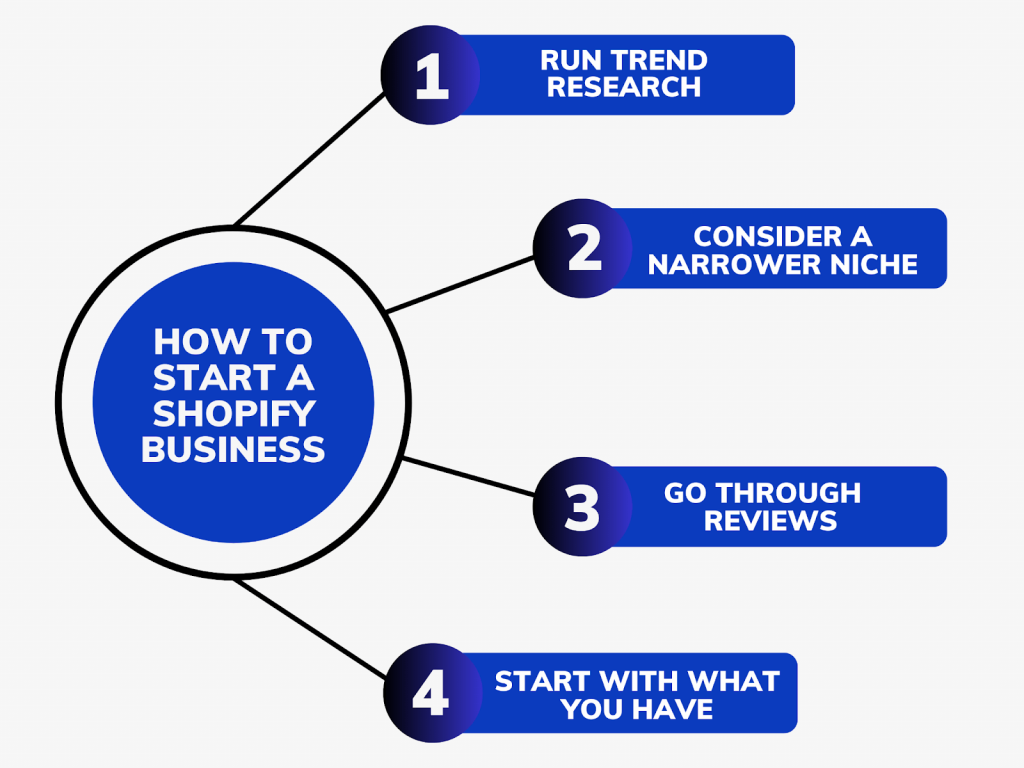
Evaluating Shopify as a Financial Investment
Before committing capital to any venture, a prudent investor must analyze the barrier to entry and the potential return on investment (ROI). Shopify offers a unique proposition: it provides the infrastructure of a multinational corporation for a relatively low monthly overhead. However, the true cost of starting a Shopify store extends far beyond the basic subscription fee.
Capital Requirements and Initial Overhead
Starting a Shopify store requires a calculated allocation of seed capital. While the “dropshipping” narrative often suggests a zero-dollar startup cost, a professional-grade business requires an initial investment in branding, initial inventory (or sample testing), and essential software integrations.
The primary financial components include:
-
Subscription Tiers: Choosing between the Basic, Shopify, and Advanced plans based on projected volume and required reporting features.
-
Application Stack: Budgeting for specialized tools that increase average order value (AOV) and conversion rates, which are critical for maintaining healthy margins.
-
Domain and Branding: Establishing intellectual property through trademarking and professional design, which serves as the foundation for the business’s valuation.
The Economics of Digital Real Estate
Think of a Shopify store as digital real estate. Unlike a physical storefront, your “location” is determined by your search engine presence and social media footprint. The financial advantage here is the ability to reach a global market without the traditional costs of physical leases, utility overheads, and localized staffing. By minimizing fixed costs, a Shopify entrepreneur can pivot more quickly than a traditional retailer, allowing for a leaner burn rate during the early stages of growth.
Strategic Financial Planning for Your E-commerce Launch
The difference between a store that drains cash and one that generates it lies in the math. Successful store owners are essentially mathematicians who happen to sell products. The “how-to” of starting Shopify begins with a rigorous analysis of unit economics.
Product Sourcing and Profit Margins
A common pitfall for new merchants is selecting products based on personal preference rather than margin potential. To build a sustainable income stream, your Gross Margin must account for more than just the cost of goods sold (COGS). It must also cover shipping, merchant processing fees, marketing, and the “buffer” needed for returns or damaged goods.
As a rule of thumb, aiming for a 60% to 70% gross margin allows for the necessary flexibility in marketing spend. If a product costs $10 to source and ship, selling it for $35 to $40 provides the financial oxygen required to scale. Without these margins, a business can easily fall into the trap of “growing broke”—increasing revenue while decreasing actual profit.
Budgeting for Customer Acquisition Costs (CAC)
In the early stages of a Shopify business, your largest expense will likely be marketing. Whether utilizing Meta Ads, Google Shopping, or influencer partnerships, understanding your Customer Acquisition Cost (CAC) is paramount.
Financial success is found in the ratio between Customer Lifetime Value (LTV) and CAC. A healthy business model typically targets an LTV:CAC ratio of 3:1. When starting, your focus should be on “buying” data. These initial losses or break-even periods are investments in the pixel data and customer lists that will eventually drive down costs through retargeting and email marketing, which boast significantly higher ROIs than cold traffic acquisition.
Scaling Revenue Through Operational Efficiency
Once the store is live and the first sales are recorded, the focus shifts from “starting” to “optimizing for profit.” This phase requires a transition from a technician role to a CFO role, where the primary objective is increasing the efficiency of every dollar spent.
Automation and Lean Business Management
To maximize the “Online Income” aspect of Shopify, one must decouple their time from their earnings. This is achieved through automation and outsourcing.
-
Inventory Management: Utilizing third-party logistics (3PL) to handle fulfillment, which converts a labor-intensive task into a predictable variable cost.
-
Customer Service Systems: Implementing AI-driven help desks and automated FAQ systems to reduce the need for manual intervention.
-
Financial Tracking: Integrating apps like QuickBooks or Xero directly with Shopify to provide real-time visibility into cash flow, tax liabilities, and net profit.
By automating these processes, the owner can focus on high-leverage activities like product development and strategic partnerships, which are the true drivers of wealth.
Diversifying Income Streams Within the Ecosystem
A sophisticated Shopify business does not rely on a single sales channel. To protect the investment, owners should look toward omni-channel expansion. This includes integrating with marketplaces like Amazon, eBay, or Pinterest. From a financial perspective, this diversification mitigates the risk of a single platform’s algorithm change or policy shift devaluing the business overnight.
Furthermore, implementing subscription models or recurring billing (using apps like Recharge) transforms one-time buyers into predictable monthly revenue. In the world of business finance, recurring revenue is valued significantly higher than sporadic sales, often leading to higher multiples during an exit.
Optimizing for Exit Value and Long-Term ROI
While many start a Shopify store for immediate cash flow, the greatest financial windfall often comes from the eventual sale of the business. Treating your store as a “flippable” asset from day one dictates how you should manage your finances.
Financial Reporting and Cash Flow Management
Acquirers and aggregators look for “clean” books. This means separating personal and business expenses entirely and maintaining clear Profit and Loss (P&L) statements. Consistent, month-over-month growth in net profit is the most attractive metric for a buyer.
Effective cash flow management also involves optimizing your “Cash Conversion Cycle.” This is the time it takes for an investment in inventory to return to your bank account as revenue. Shortening this cycle—by negotiating better terms with suppliers or improving shipping speeds—increases the liquidity of the business, making it more resilient and more valuable.

Positioning Your Store for Acquisition
To achieve a high valuation (typically a multiple of 2x to 5x of your annual SDE—Seller’s Discretionary Earnings), your Shopify store must prove it can operate without you. This requires:
-
Brand Equity: A recognizable brand name and a loyal customer base, rather than just a store selling generic items.
-
Proprietary Data: An extensive email and SMS list which represents “owned” media that can be marketed to at near-zero cost.
-
Standard Operating Procedures (SOPs): Documented processes that allow a new owner to take over the operations seamlessly.
Starting a Shopify store is a journey into the heart of modern commerce. It is an opportunity to leverage technology to build a financial fortress. By focusing on high margins, disciplined marketing spend, and operational efficiency, an entrepreneur can turn a digital storefront into a significant pillar of their financial portfolio. The “how-to” is not just about setting up a theme or adding a product; it is about the rigorous application of business principles to the digital world, ensuring that every click and every sale contributes to long-term wealth accumulation.
aViewFromTheCave is a participant in the Amazon Services LLC Associates Program, an affiliate advertising program designed to provide a means for sites to earn advertising fees by advertising and linking to Amazon.com. Amazon, the Amazon logo, AmazonSupply, and the AmazonSupply logo are trademarks of Amazon.com, Inc. or its affiliates. As an Amazon Associate we earn affiliate commissions from qualifying purchases.