
In today’s rapidly evolving business world, the traditional, rigid project management methodologies are increasingly giving way to more flexible and adaptable approaches. At the forefront of this shift stands the Agile Project Manager. If you’re navigating the tech industry, building a powerful brand, or managing the financial intricacies of a business, understanding the role of an Agile Project Manager is paramount to success. This article will delve deep into what defines an Agile Project Manager, exploring their core responsibilities, essential skills, and the value they bring across various domains, from cutting-edge technology to strategic brand development and sound financial management.

The Agile Mindset: Beyond the Traditional Waterfall
Before we define the Agile Project Manager, it’s crucial to grasp the essence of the Agile methodology itself. Unlike the linear, phase-by-phase “waterfall” approach, Agile is an iterative and incremental framework. It emphasizes collaboration, customer feedback, rapid adaptation to change, and delivering value in small, manageable chunks. This means continuous improvement, flexibility, and a willingness to pivot when necessary are not just encouraged but are fundamental.
For an Agile Project Manager, this translates into a fundamentally different way of thinking and operating. They are not simply taskmasters dictating a pre-defined plan. Instead, they are facilitators, coaches, and enablers who foster an environment where teams can thrive and deliver exceptional results in the face of uncertainty. They embrace the inherent unpredictability of complex projects, viewing change not as an obstacle but as an opportunity to refine and optimize.
Core Principles Guiding the Agile Project Manager
The Agile Manifesto, a foundational document for Agile development, outlines four core values and twelve supporting principles. These principles deeply influence the practices and mindset of an Agile Project Manager:
- Individuals and interactions over processes and tools: While processes and tools are important, Agile prioritizes effective communication and collaboration among team members. An Agile PM cultivates strong relationships and ensures open dialogue.
- Working software over comprehensive documentation: In tech, the focus is on delivering functional products that meet user needs. An Agile PM ensures the team prioritizes tangible outcomes and delivers working increments regularly.
- Customer collaboration over contract negotiation: Agile emphasizes continuous engagement with stakeholders to ensure the project aligns with their evolving needs. An Agile PM actively seeks and incorporates feedback.
- Responding to change over following a plan: The ability to adapt to new information, market shifts, or stakeholder requirements is critical. An Agile PM embraces flexibility and guides the team through necessary adjustments.
These principles, when embodied by a project manager, create a potent force for innovation and successful project delivery.
The Agile Project Manager: A Multifaceted Leader
The role of an Agile Project Manager is far from monolithic. While the core principles remain consistent, their specific responsibilities can vary depending on the industry, the project’s nature, and the chosen Agile framework (e.g., Scrum, Kanban, Lean). However, some key facets define their leadership:
1. Facilitator and Coach
One of the primary roles of an Agile Project Manager is to facilitate the team’s work and coach them towards self-organization and continuous improvement. This involves:
- Removing Impediments: Identifying and resolving any obstacles that hinder the team’s progress, whether they are technical, organizational, or interpersonal.
- Guiding Agile Ceremonies: Ensuring that Agile meetings (like daily stand-ups, sprint planning, sprint reviews, and retrospectives) are conducted effectively and efficiently, fostering open communication and decision-making.
- Promoting Self-Organization: Empowering the team to take ownership of their work, make decisions, and manage their own tasks. The PM doesn’t micromanage but trusts the team’s expertise.
- Fostering a Positive Team Culture: Cultivating an environment of trust, psychological safety, and mutual respect, where team members feel comfortable sharing ideas, raising concerns, and collaborating effectively.
2. Stakeholder Liaison and Value Maximizer
An Agile Project Manager acts as a crucial bridge between the project team and the stakeholders (clients, users, executives). Their goal is to ensure that the project delivers maximum value to the business and its customers. This involves:
- Managing Stakeholder Expectations: Clearly communicating project progress, risks, and potential changes to stakeholders, ensuring they are informed and aligned.
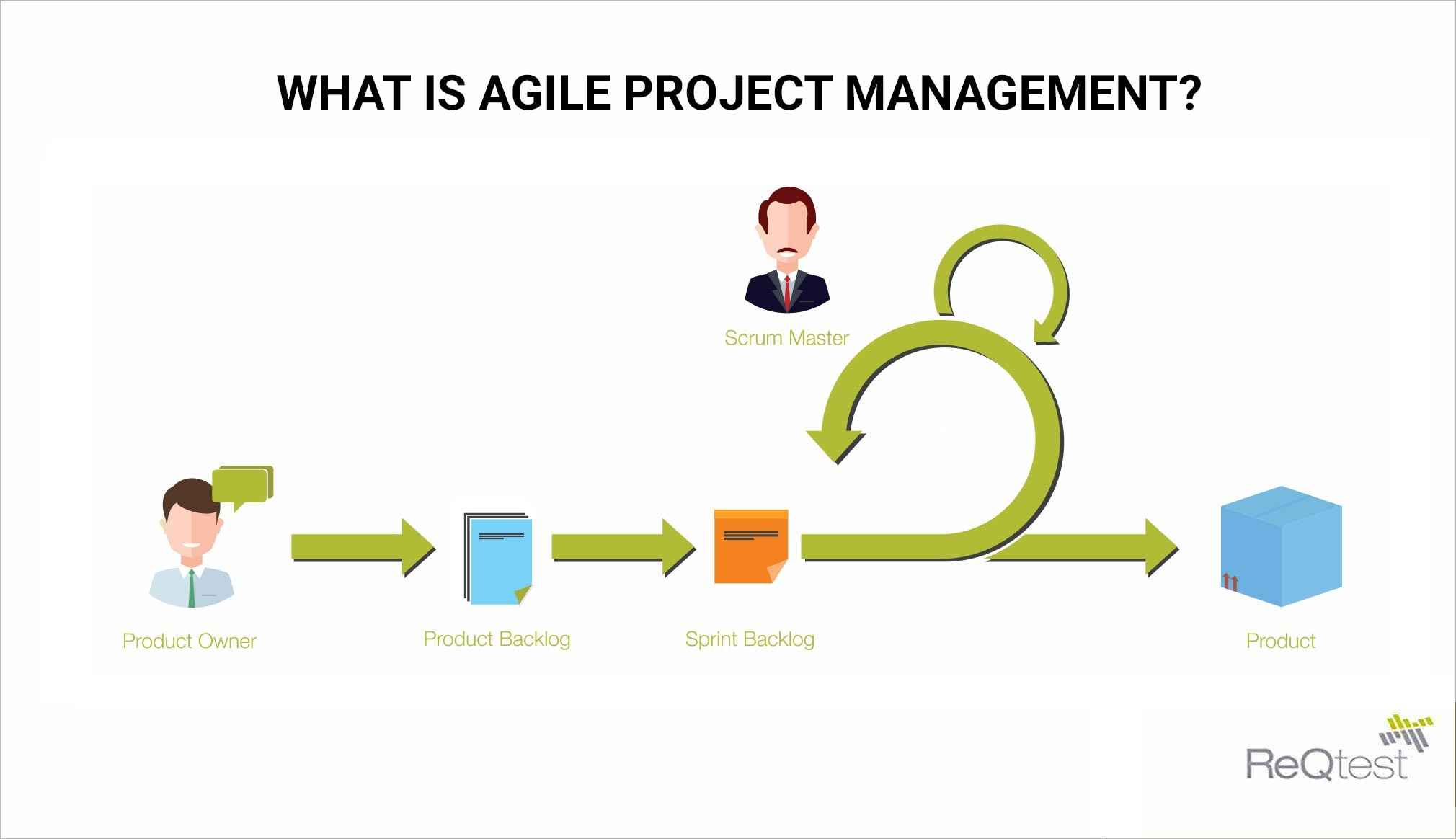
- Prioritizing the Product Backlog: Working closely with the Product Owner (in Scrum) to refine and prioritize the list of features and functionalities, ensuring that the most valuable items are tackled first.
- Gathering and Incorporating Feedback: Actively seeking feedback from stakeholders at regular intervals and ensuring that this feedback is integrated into the project’s iterations.
- Ensuring Alignment with Business Goals: Constantly verifying that the project remains aligned with the overarching business objectives and strategic vision.
3. Risk Manager and Adaptability Advocate
In an Agile environment, change is inevitable. An Agile Project Manager is adept at managing risks and championing the team’s adaptability. This means:
- Proactive Risk Identification: Identifying potential risks early on and developing mitigation strategies, rather than waiting for problems to arise.
- Embracing Change: Viewing changes in requirements or scope not as disruptions but as opportunities to improve the product and better meet market demands.
- Facilitating Iterative Planning: Guiding the team through short, iterative planning cycles, allowing for adjustments based on new information or feedback.
- Promoting Continuous Improvement: Encouraging the team to reflect on their processes and performance after each iteration (e.g., during sprint retrospectives) and implement improvements to enhance efficiency and effectiveness.
Agile Project Management Across Domains
The principles of Agile project management are highly transferable and offer significant benefits across various industries, aligning perfectly with the core topics of our website.
Tech: Accelerating Innovation and Delivering Cutting-Edge Solutions
In the fast-paced Tech sector, where trends shift rapidly and user expectations are constantly evolving, Agile Project Managers are indispensable.
Navigating Software Development and AI Tools
For software development teams, Agile frameworks like Scrum are a natural fit. Agile PMs guide the development of Software, from initial concept to deployment, through iterative sprints. They ensure that development teams building AI Tools can quickly experiment with algorithms, integrate feedback, and adapt their models based on performance. This iterative approach allows for rapid prototyping and the quick incorporation of new research or user data.

Managing Gadgets, Apps, and Digital Security
When it comes to Gadgets and Apps, Agile PMs oversee the product lifecycle, from the ideation of new devices to the continuous updates of mobile applications. They facilitate rapid iteration based on user testing and market response. In Digital Security, the dynamic nature of threats necessitates an Agile approach. PMs can guide teams in developing and deploying security patches and updates quickly, responding to emerging vulnerabilities before they can be exploited.
Enhancing Productivity and Streamlining Processes
Beyond product development, Agile PMs can also lead projects focused on improving internal Productivity within tech companies. This could involve implementing new project management software, optimizing workflows, or integrating new collaboration tools. Their focus on iterative improvement ensures that these changes are implemented smoothly and deliver tangible benefits.
Brand: Building and Evolving Resilient Identities
For businesses focused on Brand building, an Agile Project Manager can be instrumental in crafting and evolving a strong corporate identity and implementing effective marketing strategies.
Dynamic Brand Strategy and Personal Branding
Developing a successful Brand Strategy requires flexibility and responsiveness to market shifts and consumer sentiment. An Agile PM can lead the implementation of campaigns, analyze their effectiveness through iterative testing, and quickly adjust messaging or tactics based on real-time data. For Personal Branding, an Agile PM can help individuals define their niche, execute content strategies, and adapt their online presence based on engagement and feedback.
Crafting Corporate Identity and Marketing Campaigns
When it comes to Corporate Identity, Agile PMs can manage projects related to rebranding efforts, ensuring that changes are rolled out strategically and with minimal disruption. In Marketing, Agile principles are widely adopted for campaign management. PMs can oversee the iterative development and deployment of marketing materials, A/B testing different approaches, and optimizing campaigns for maximum reach and conversion.
Learning from Case Studies and Managing Reputation
Analyzing successful Case Studies is an ongoing process in brand development. An Agile PM can lead initiatives to document and learn from these cases, feeding insights back into future strategies. Furthermore, in managing Reputation, the ability to respond swiftly and adaptively to public perception is critical. Agile PMs can guide crisis communication plans and ensure proactive reputation management.
Money: Agile Financial Planning and Business Growth
In the realm of Money, Agile project management offers a powerful framework for optimizing financial operations, driving investment, and fostering entrepreneurial growth.
Smart Personal Finance and Investing
For individuals managing their Personal Finance, an Agile approach can mean setting iterative financial goals, tracking progress regularly, and adapting budgets based on changing circumstances or investment opportunities. When it comes to Investing, Agile PMs can guide individuals in developing diversified portfolios, setting realistic growth targets, and adapting their investment strategies based on market performance and risk tolerance.
Unlocking Online Income and Side Hustles
The world of Online Income and Side Hustles often demands rapid experimentation and adaptation. Agile PMs can help individuals launch new ventures, test market demand for products or services, and iterate on their offerings based on customer feedback and sales data. This iterative launch-and-learn approach is key to discovering profitable opportunities.
Optimizing Business Finance and Leveraging Financial Tools
For Business Finance, Agile PMs can lead projects aimed at improving financial reporting, streamlining accounting processes, or implementing new budgeting systems. They ensure that financial plans are flexible enough to adapt to market fluctuations. The selection and implementation of Financial Tools can also be managed effectively using Agile methodologies, ensuring that the chosen tools meet evolving business needs and are integrated efficiently.
Essential Skills for the Modern Agile Project Manager
To excel in this dynamic role, an Agile Project Manager needs a blend of technical understanding, soft skills, and a deep commitment to the Agile philosophy.
- Communication and Interpersonal Skills: The ability to articulate ideas clearly, listen actively, and build strong relationships with team members and stakeholders is paramount.
- Problem-Solving and Critical Thinking: Agile PMs must be able to identify issues, analyze root causes, and devise effective solutions quickly.
- Adaptability and Flexibility: Embracing change and guiding the team through uncertainty is a core competency.
- Leadership and Coaching: Empowering and motivating teams, fostering self-organization, and providing guidance without micromanaging.
- Facilitation Skills: Effectively leading meetings, workshops, and discussions to achieve desired outcomes.
- Understanding of Agile Frameworks: Proficiency in methodologies like Scrum, Kanban, and Lean is essential.
- Domain Knowledge (Tech, Brand, Money): While not always a deep expert, a foundational understanding of the industry in which they operate allows for better communication and more informed decision-making. For example, an Agile PM in tech will benefit from understanding software development lifecycles, while one in brand management will grasp marketing principles.
- Risk Management: Proactively identifying and mitigating potential project risks.
Conclusion: The Agile Project Manager as a Catalyst for Success
In essence, an Agile Project Manager is more than just a manager; they are a facilitator, a coach, a communicator, and a strategic enabler. They are the linchpin that holds together dynamic teams, guiding them through the complexities of modern projects with flexibility, foresight, and a relentless focus on delivering value.
Whether you are pushing the boundaries of Tech, shaping a compelling Brand, or navigating the intricate world of Money, embracing Agile project management, and the expertise of an Agile Project Manager, is no longer a niche approach but a fundamental necessity for thriving in today’s competitive landscape. By fostering collaboration, embracing change, and continuously seeking improvement, Agile Project Managers empower organizations to not just complete projects but to innovate, adapt, and ultimately achieve sustainable success.
aViewFromTheCave is a participant in the Amazon Services LLC Associates Program, an affiliate advertising program designed to provide a means for sites to earn advertising fees by advertising and linking to Amazon.com. Amazon, the Amazon logo, AmazonSupply, and the AmazonSupply logo are trademarks of Amazon.com, Inc. or its affiliates. As an Amazon Associate we earn affiliate commissions from qualifying purchases.