
The question of where to invest your money is perhaps the most critical financial decision an individual will face in their adult life. In an era defined by fluctuating inflation, rapid technological shifts, and global economic interconnectivity, the old advice of simply “putting money under the mattress” or leaving it in a standard savings account is no longer sufficient. To build true wealth, one must navigate a complex landscape of asset classes, risk profiles, and time horizons.
Strategic investing is not merely about picking a “winning” stock; it is about constructing a robust portfolio that can withstand market volatility while capturing long-term growth. This guide explores the essential avenues for capital allocation, helping you determine how to distribute your resources effectively based on modern financial principles.

The Foundation of Strategic Investing
Before diving into specific assets, it is crucial to understand the psychological and mathematical foundations of wealth building. Investing is a marathon, not a sprint, and your success depends heavily on your internal framework.
Defining Your Financial Goals and Risk Tolerance
Every investment journey begins with a clear objective. Are you investing for a comfortable retirement thirty years from now, a down payment on a home in five years, or perhaps generational wealth for your children? Your goal dictates your “time horizon,” which is the single most influential factor in your asset selection.
Risk tolerance, meanwhile, is your emotional and financial ability to handle market downturns. A young investor can typically afford to see their portfolio drop by 20% in a single year because they have decades for the market to recover. Conversely, someone nearing retirement requires more stability. Understanding where you sit on the spectrum between “conservative” and “aggressive” is the first step in deciding where your money belongs.
The Power of Compound Interest and Time Horizons
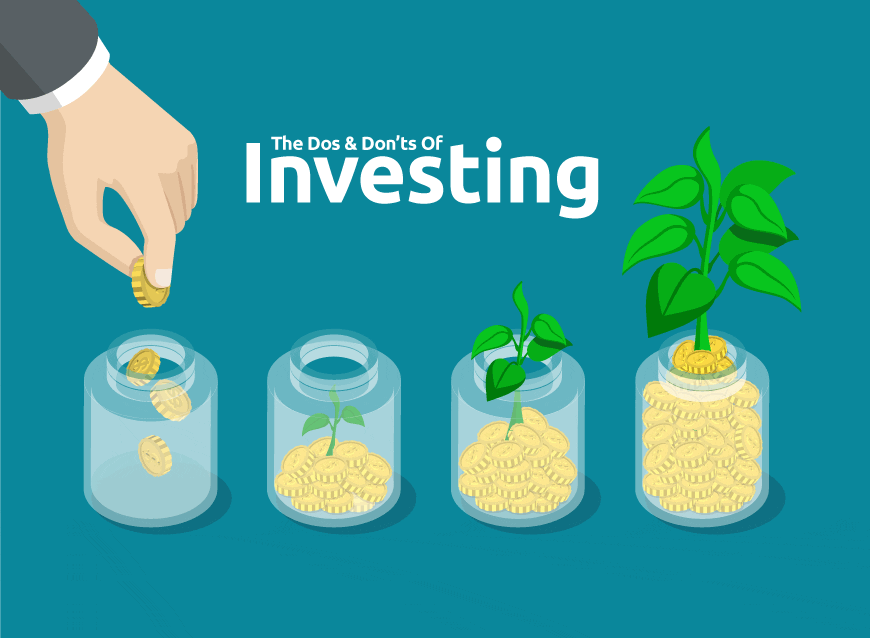
Albert Einstein famously called compound interest the “eighth wonder of the world.” The concept is simple: you earn interest not only on your initial principal but also on the accumulated interest from previous periods. Over long durations, this creates an exponential growth curve.
When deciding where to invest, the factor of time acts as a multiplier. By starting early, even with smaller amounts, you allow the market’s natural upward trajectory to do the heavy lifting. This is why “time in the market” is almost always superior to “timing the market.”
Traditional Asset Classes: Stability in a Volatile World
For most investors, the core of their portfolio should consist of traditional asset classes. These are well-regulated, highly liquid, and have decades of historical data to support their growth potential.
Equities and the Stock Market
The stock market remains the greatest engine of wealth creation in history. By purchasing shares of a company, you are buying a piece of its future earnings and growth.
Modern investors often choose between individual stocks and diversified funds. Individual stock picking requires deep research and a high tolerance for volatility. On the other hand, Index Funds and Exchange-Traded Funds (ETFs) allow you to own a “basket” of hundreds or thousands of companies simultaneously. For example, investing in an S&P 500 index fund gives you exposure to the 500 largest publicly traded companies in the United States, providing instant diversification and lowering the risk of any single company’s failure ruining your portfolio.
Fixed Income and Bonds
Bonds are essentially loans you provide to a government or a corporation in exchange for regular interest payments (coupons) and the return of your principal at the end of the term. While they generally offer lower returns than stocks, they act as a vital “ballast” for your portfolio. When stock markets are turbulent, bonds—particularly government-issued ones—tend to be more stable, providing a predictable stream of income.
Real Estate: Physical vs. REITs
Real estate has long been a favorite for those seeking tangible assets. Investing in physical property allows for rental income and capital appreciation. However, it requires significant capital and management.
For those who want real estate exposure without the headache of being a landlord, Real Estate Investment Trusts (REITs) are an excellent alternative. REITs are companies that own, operate, or finance income-producing real estate across a range of property sectors. They trade on major exchanges like stocks, offering high liquidity and often attractive dividend yields.
Diversification Through Alternative Investments
Once a solid foundation of stocks and bonds is established, many investors look toward “alternatives” to further diversify and protect against systemic risks.
Commodities and Precious Metals
Commodities include raw materials such as oil, natural gas, and agricultural products. Gold, in particular, has a unique role as a “safe haven” asset. Historically, gold has held its value during times of high inflation or geopolitical instability. While it does not produce cash flow like a business or a rental property, it serves as an insurance policy against the devaluation of fiat currencies.
Private Equity and Venture Capital
Traditionally reserved for institutional investors and high-net-worth individuals, the world of private equity is becoming increasingly accessible. This involves investing in companies that are not publicly traded on an exchange. Venture capital, a subset of private equity, focuses on early-stage startups with high growth potential. While the risk of failure is high, the rewards for getting in early on the next global tech giant can be astronomical.
The Role of Digital Assets and Cryptocurrency
The emergence of Bitcoin and the broader cryptocurrency market has introduced a new digital asset class. Often described as “digital gold,” Bitcoin is viewed by many as a decentralized store of value. Other assets, like Ethereum, offer utility through smart contracts and decentralized finance (DeFi).
Digital assets are characterized by extreme volatility and should generally represent only a small, speculative portion of a diversified portfolio. However, their inclusion is becoming more common as institutional adoption grows and regulatory frameworks become clearer.
Building a Portfolio for Different Life Stages
Where you invest your money should change as you move through life. A “one-size-fits-all” approach is rarely effective.
The Aggressive Growth Phase (20s-30s)
In your early career years, your primary asset is time. Investors in this stage should typically lean heavily toward equities (stocks). A portfolio might consist of 80% to 90% stocks, with a focus on growth-oriented sectors like technology. This is also the time to experiment with higher-risk assets like small-cap stocks or a small allocation to cryptocurrency, as you have many years to recover from any potential losses.
The Balanced Wealth Accumulation Phase (40s-50s)
As you move into mid-career, your focus shifts toward protecting the wealth you have already built while continuing to grow it. This is the time to increase your allocation to bonds and more stable, dividend-paying stocks. A “60/40” split (60% stocks, 40% bonds) was once the gold standard for this phase, though modern investors often maintain a slightly higher equity tilt to combat longer life expectancies and inflation.
The Capital Preservation Phase (Retirement)
Once you enter retirement, the priority is income generation and capital preservation. The risk of a major market crash becomes a significant threat to your lifestyle. At this stage, your portfolio should move toward high-quality bonds, REITs for dividend income, and “cash equivalents” like high-yield savings accounts or money market funds. The goal is to ensure you can draw a steady income without being forced to sell stocks during a market downturn.
Essential Tools and Platforms for the Modern Investor
The “where” of investing also includes the “how”—the platforms and accounts you use to execute your strategy.
Robo-Advisors vs. Self-Directed Brokerages
Technology has democratized investing. Robo-advisors use algorithms to automatically manage and rebalance your portfolio based on your risk profile, making them ideal for hands-off investors. For those who prefer more control, self-directed brokerages offer the tools to trade stocks, ETFs, and options with zero or low commissions.
Tax-Advantaged Accounts
One of the most overlooked aspects of investing is tax efficiency. Where you hold your assets can be as important as what those assets are. In many jurisdictions, accounts like the 401(k) or IRA (USA), the ISA (UK), or the TFSA (Canada) allow your investments to grow tax-free or tax-deferred. Utilizing these accounts should be a top priority, as the tax savings can equate to hundreds of thousands of dollars over a lifetime.

Conclusion
Determining where to invest your money is an ongoing process of education, execution, and adjustment. There is no single “perfect” investment; rather, there is a perfect strategy for your specific needs and goals. By diversifying across traditional equities, fixed income, real estate, and carefully selected alternatives, you create a financial fortress that can weather economic storms and capitalize on global growth.
The key is to start now. The market does not reward those who wait for the “perfect moment,” but rather those who exhibit the discipline to invest consistently, stay diversified, and let the power of time work in their favor. Whether you are buying your first index fund or diversifying into private equity, the most important investment you can make is the one you make today.
aViewFromTheCave is a participant in the Amazon Services LLC Associates Program, an affiliate advertising program designed to provide a means for sites to earn advertising fees by advertising and linking to Amazon.com. Amazon, the Amazon logo, AmazonSupply, and the AmazonSupply logo are trademarks of Amazon.com, Inc. or its affiliates. As an Amazon Associate we earn affiliate commissions from qualifying purchases.