
The concept of saving money while already adhering to a strict budget can often feel like an exercise in futility. When every dollar is already earmarked for a specific necessity, the idea of finding “extra” funds seems mathematically impossible. However, financial optimization is rarely about finding hidden windfalls; it is about the strategic realignment of resources, the psychological mastery of spending habits, and the utilization of modern financial tools.
To save money on a budget is to transition from a defensive financial posture—simply trying to survive the month—to an offensive strategy where capital is intentionally preserved for future growth. This requires a nuanced understanding of cash flow, the courage to audit one’s lifestyle, and the discipline to automate the wealth-building process.
The Architecture of a Functional Budget
Before one can save effectively, the framework of the budget itself must be sound. Many individuals fail to save not because they lack income, but because their budgeting methodology is reactive rather than proactive.
The 50/30/20 Rule as a Baseline
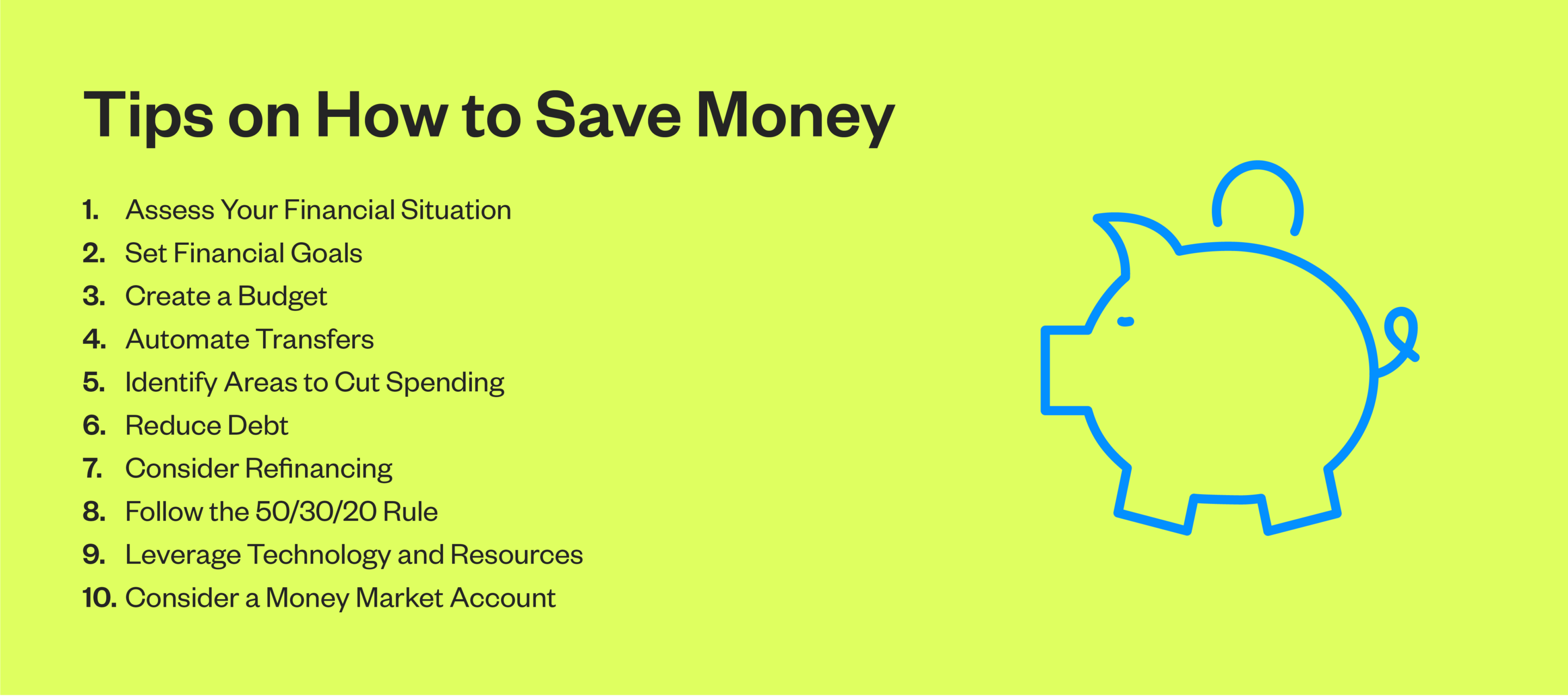
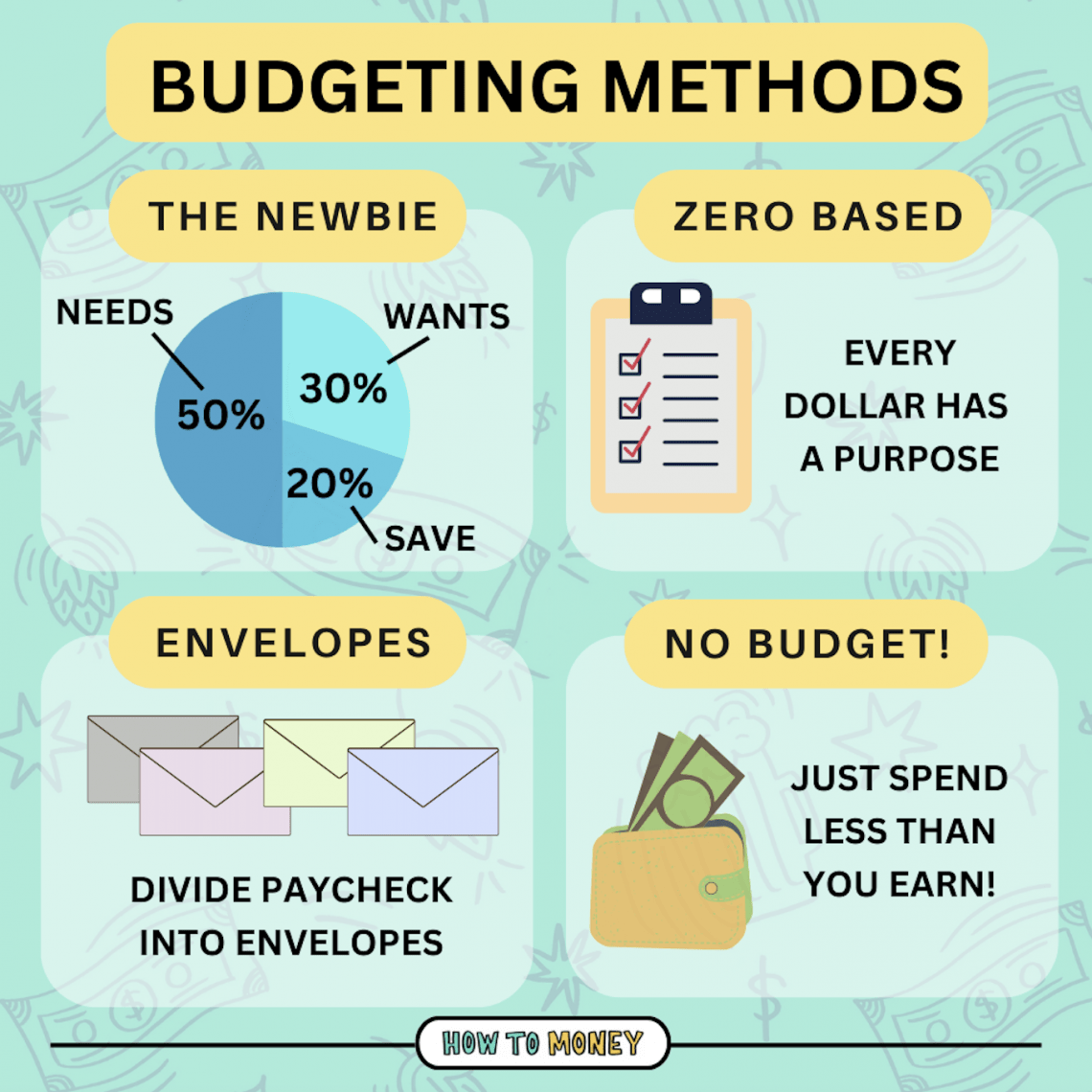
One of the most effective frameworks for saving on a budget is the 50/30/20 rule. This allocates 50% of net income to needs (housing, utilities, groceries), 30% to wants (entertainment, dining out), and 20% to financial goals (debt repayment, savings, and investments). When saving is prioritized as a non-negotiable 20% “expense,” it shifts the focus from “saving what is left” to “spending what is left after saving.” If the 50% dedicated to needs is too high, the budget is inherently unstable, and the focus must shift toward reducing fixed costs or increasing income.
Zero-Based Budgeting
For those on a tight margin, Zero-Based Budgeting (ZBB) offers the highest level of control. In this model, every single dollar earned is assigned a specific job—whether that is paying the rent or going into a high-yield savings account—until the remaining balance is zero. This prevents the “leakage” that occurs when unallocated funds remain in a checking account, often leading to impulsive, “invisible” spending on small, low-value items.
The Role of Sinking Funds
Saving on a budget often falls apart when an irregular expense occurs, such as a car repair or a semi-annual insurance premium. Sinking funds solve this by breaking down large, predictable future expenses into manageable monthly “payments” to oneself. By treating a $600 annual car insurance bill as a $50 monthly budget line item, you eliminate the shock to the system that typically derails a savings plan.
Tactical Expense Management: The Science of Cutting Without Deprivation
True financial efficiency is found in the optimization of the “Big Three” expenses: housing, transportation, and food. While many personal finance tutorials focus on small luxuries like coffee, the most significant savings are found in high-ticket recurring costs.
Radical Food Optimization
Food is often the most volatile variable in a budget. Saving money in this category requires a move away from convenience-based consumption. Meal prepping is not merely a lifestyle trend; it is a rigorous financial strategy. By purchasing staples in bulk and reducing the frequency of grocery store visits, consumers can avoid the “impulse tax” of high-margin items. Furthermore, shifting from brand-name products to generic equivalents can reduce a monthly grocery bill by 20% to 30% without a discernible change in quality of life.
The Subscription Audit and the “Ghost Economy”
Modern consumers are often victims of the “subscription creep”—a series of $9.99 to $19.99 monthly charges for digital services they no longer use. A thorough audit of bank statements often reveals “ghost” expenses: gym memberships, streaming services, and software licenses that are underutilized. Canceling these does not just save $15 a month; it protects the budget from cumulative annual losses that could have been directed into an emergency fund.
Negotiating Fixed Costs
Many people assume that fixed costs, such as internet service, insurance premiums, and cell phone bills, are non-negotiable. In reality, these are market-based services. Periodically shopping for insurance quotes or calling a service provider to request a “retention discount” can yield hundreds of dollars in annual savings. These “one-time” actions result in permanent, recurring monthly surpluses.
Behavioral Finance: Rewiring the Brain for Wealth Accumulation
The greatest obstacle to saving on a budget is not mathematics; it is psychology. Human beings are biologically wired for immediate gratification, a trait that conflicts with the long-term discipline required for capital accumulation.
The “Save More Tomorrow” Strategy
Behavioral economists have found that people are more willing to commit to saving money in the future than they are today. A powerful way to save on a budget is to commit 50% of every future raise, bonus, or tax refund directly to savings. This allows for a gradual increase in lifestyle while ensuring that the savings rate grows faster than the spending rate.
Overcoming Lifestyle Creep
Lifestyle creep occurs when an increase in income is immediately met with an increase in expenses. To save effectively, one must maintain a “delta” between their standard of living and their earning power. By intentionally keeping expenses stagnant while income rises, the budget becomes a powerful engine for wealth creation rather than a treadmill of consumption.
The 72-Hour Rule
Impulse spending is the enemy of the disciplined budgeter. Implementing a mandatory 72-hour waiting period for any non-essential purchase over a certain threshold (e.g., $50) allows the initial dopamine hit of the “want” to subside. Often, after three days, the perceived necessity of the item vanishes, leaving the budget intact.
Advanced Saving Vehicles and Digital Optimization
In the modern financial landscape, where you keep your money is almost as important as how much you save. Traditional checking accounts offer negligible interest, essentially allowing inflation to erode the value of your savings.
High-Yield Savings Accounts (HYSA)
The first step in any savings strategy should be the establishment of an emergency fund in a High-Yield Savings Account. Unlike standard savings accounts that may offer 0.01% interest, HYSAs often offer rates that are significantly higher, allowing your dormant cash to maintain its purchasing power. This is “passive saving”—where the money itself works to increase the budget’s bottom line.
Automation: The “Set and Forget” Philosophy
The most successful savers are those who remove the element of choice. By setting up an automatic transfer from a checking account to a savings or investment account on payday, the individual “pays themselves first.” When the money is moved before it can be spent, the budget naturally adjusts to the remaining balance. This creates a psychological “scarcity” that forces more disciplined spending.
Utilizing Cash-Back and Rewards Strategically
For those with the discipline to pay off credit card balances in full every month, rewards programs can be used as a tool to subsidize the budget. By channeling necessary expenses (utilities, groceries, gas) through a high-percentage cash-back card, a consumer can effectively receive a 2% to 5% “discount” on their entire life. However, this strategy is only effective if it does not lead to increased spending.
From Defense to Offense: Turning Savings into Sustainable Wealth
The ultimate goal of saving on a budget is not merely to accumulate a pile of cash, but to transition into investing. Once an emergency fund of three to six months of expenses is established, the focus must shift to wealth-building vehicles.
The Power of Compound Interest
Saving is linear; investing is exponential. On a tight budget, the most powerful tool one has is time. Even small, consistent contributions to a tax-advantaged account, such as a 401(k) or an IRA, can grow significantly over decades. Understanding that a $100 monthly saving today could be worth tens of thousands in the future provides the necessary motivation to stick to a restrictive budget.
Eliminating High-Interest Debt
It is impossible to save effectively while carrying high-interest debt, such as credit card balances. If you are paying 20% interest on a debt, any money put into a savings account earning 4% is a net loss. On a budget, the most aggressive “saving” strategy is often the rapid liquidation of high-interest debt, which “frees up” future cash flow that was previously lost to interest payments.

The Importance of Financial Literacy
Ultimately, the best way to save money on a budget is to invest in your own financial education. Understanding the nuances of tax optimization, insurance deductibles, and investment fees can save a person more over a lifetime than any coupon or discount code ever could. A budget is not a cage; it is a roadmap. By viewing every dollar as a potential “employee” that can work for you, the act of saving stops being a chore of deprivation and becomes a strategic mission of empowerment.
Through the combination of structural budgeting, tactical expense reduction, behavioral discipline, and the use of modern financial technology, saving money becomes a predictable outcome rather than a hopeful wish. It is the steady, disciplined application of these principles that transforms a modest income into a foundation for long-term financial freedom.
aViewFromTheCave is a participant in the Amazon Services LLC Associates Program, an affiliate advertising program designed to provide a means for sites to earn advertising fees by advertising and linking to Amazon.com. Amazon, the Amazon logo, AmazonSupply, and the AmazonSupply logo are trademarks of Amazon.com, Inc. or its affiliates. As an Amazon Associate we earn affiliate commissions from qualifying purchases.