
Achieving financial independence is rarely the result of a single windfall; rather, it is the product of disciplined habits, strategic planning, and the patient application of compound interest. In an era of economic volatility and shifting market dynamics, understanding the dual pillars of saving and investing is essential for anyone looking to secure their future. While saving provides the safety net required to weather life’s uncertainties, investing acts as the engine that drives long-term wealth accumulation. To master your finances, you must treat these not as isolated tasks, but as a cohesive system designed to transform your earned income into lasting capital.

Mastering the Foundation of Strategic Saving
Saving is the prerequisite for all investment. Without a consistent surplus of capital, the most sophisticated investment strategies remain out of reach. However, saving is more than merely “not spending.” It is a proactive process of resource allocation that requires a shift in mindset from immediate gratification to long-term utility.
The Architecture of a Modern Budget
The first step in any successful saving plan is gaining absolute clarity on cash flow. The 50/30/20 rule remains one of the most effective frameworks for personal finance. Under this model, 50% of your after-tax income is allocated to “needs” (housing, utilities, groceries), 30% to “wants” (dining out, hobbies, entertainment), and 20% is strictly reserved for financial goals, which include debt repayment, emergency funds, and eventual investments. By categorizing expenses this way, you create a sustainable lifestyle that prioritizes future security without demanding total austerity.
Building and Protecting Your Emergency Fund
Before a single dollar is placed into the stock market or a business venture, you must establish an emergency fund. This fund acts as your financial insurance policy, preventing you from being forced to liquidate investments during a market downturn or high-interest debt cycle. A standard recommendation is to hold three to six months of essential living expenses in a liquid, low-risk account, such as a High-Yield Savings Account (HYSA). In the current economic climate, these accounts offer significantly higher interest rates than traditional brick-and-mortar savings accounts, ensuring that your stagnant cash at least partially offsets the erosive effects of inflation.
The Power of Automation
Human willpower is a finite resource. To ensure consistency, the most successful savers remove the element of choice through automation. Setting up an automatic transfer from your checking account to your savings or investment account on payday treats your future self as a “mandatory bill.” This “pay yourself first” mentality ensures that your financial goals are met before discretionary spending can deplete your remaining balance. Over time, you adapt your lifestyle to the remaining funds, effectively making the saving process invisible and effortless.
Fundamentals of Modern Investing
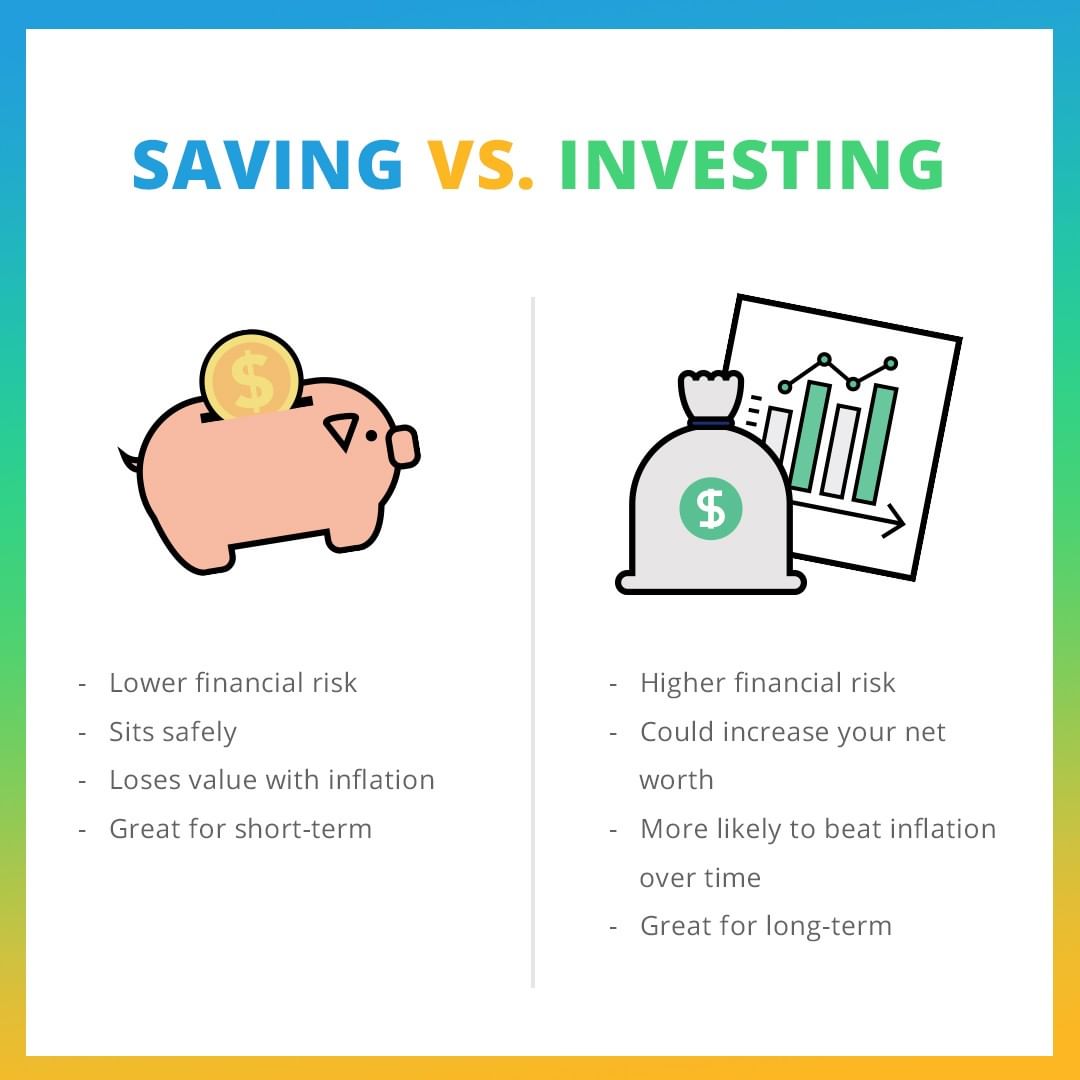
Once a stable foundation of savings is established, the focus must shift to investing. While saving preserves capital, investing grows it by putting that capital to work in the global economy. The primary goal of investing is to outpace inflation and capture the growth of productive assets over time.
Understanding Risk and Time Horizons
Every investment carries a degree of risk, but the greatest risk of all is the erosion of purchasing power caused by inflation. When beginning your investment journey, your greatest asset is time. A long time horizon allows you to withstand short-term market volatility in exchange for long-term compounding. Risk tolerance is a personal metric influenced by your age, financial goals, and emotional temperament. Generally, younger investors can afford to be more aggressive, leaning heavily into equities, while those nearing retirement often shift toward capital preservation through bonds and fixed-income assets.
The Engine of Compound Interest
Albert Einstein famously referred to compound interest as the eighth wonder of the world. Its power lies in the fact that you earn returns not just on your initial principal, but also on the accumulated returns from previous periods. This creates an exponential growth curve. For example, a monthly investment of $500 with an average annual return of 7% would grow to over $260,000 in 20 years. However, in 30 years, that same monthly contribution would blossom to over $600,000. The lesson is clear: the earlier you start, the less heavy lifting your capital has to do later.
Asset Allocation and Diversification
The cornerstone of a prudent investment strategy is diversification—the practice of spreading your capital across various asset classes to reduce risk. A well-diversified portfolio typically includes a mix of domestic and international stocks, bonds, and perhaps alternative assets like real estate or commodities. By holding assets that do not move in perfect correlation with one another, you protect your portfolio from a catastrophic failure in any single sector or company.
Investment Vehicles and Wealth-Building Strategies
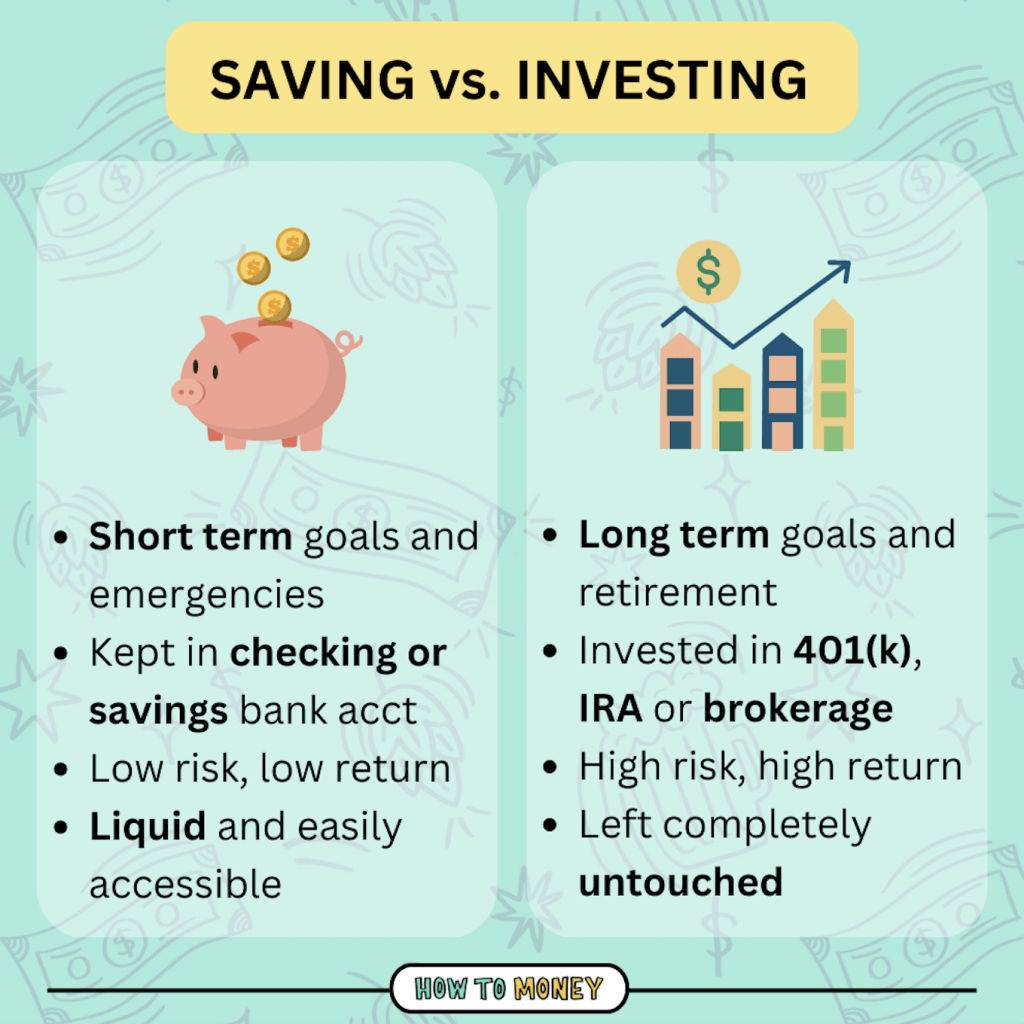
Navigating the myriad of investment options can be daunting. However, for most individuals, the most effective path to wealth involves utilizing tax-advantaged accounts and low-cost, broad-market index funds.
Maximizing Tax-Advantaged Accounts
In the United States, accounts like the 401(k) and the Individual Retirement Account (IRA) are powerful tools for wealth building. A 401(k), especially when it includes an employer match, represents an immediate 100% return on your contribution—an opportunity that should never be ignored. Roth IRAs, funded with after-tax dollars, allow your investments to grow and be withdrawn tax-free in retirement, providing a massive hedge against future tax rate increases. Understanding the tax implications of where you hold your assets is just as important as the performance of the assets themselves.
The Rise of Passive Index Investing
For the vast majority of investors, attempting to “beat the market” by picking individual stocks is a losing game. Data consistently shows that low-cost index funds and Exchange-Traded Funds (ETFs) outperform the majority of actively managed funds over long periods. An index fund that tracks the S&P 500, for instance, provides instant exposure to the 500 largest publicly traded companies in the U.S. By keeping management fees (expense ratios) low, you ensure that a larger portion of the market’s returns stays in your pocket rather than going to a fund manager.
Dollar-Cost Averaging vs. Market Timing
One of the most common mistakes investors make is trying to time the market—waiting for a “dip” to buy or selling in a panic during a crash. Systematic investing through Dollar-Cost Averaging (DCA) eliminates this psychological trap. By investing a fixed amount of money at regular intervals, regardless of the price, you naturally buy more shares when prices are low and fewer when prices are high. This strategy reduces the impact of volatility and ensures that you remain invested during the market’s best-performing days, which often follow the worst.
Leveraging Technology and Optimizing Financial Efficiency
The digital age has democratized finance, providing individual investors with tools that were once reserved for institutional giants. Optimizing your financial life today requires a combination of high-tech tools and old-fashioned discipline.
Utilizing Financial Tools and Apps
From automated “robo-advisors” that manage your asset allocation for a fraction of the cost of a human advisor to apps that track every penny of your spending, technology is a force multiplier for your money. Portfolio aggregators allow you to see your entire net worth in real-time, helping you identify areas where you might be over-leveraged or where your fees are too high. Furthermore, many platforms now allow for fractional share investing, meaning you can start building a diversified portfolio with as little as five dollars.
Identifying Side Hustles and Income Scaling
While cutting expenses is important, there is a floor to how much you can save. Conversely, there is no ceiling on how much you can earn. In the modern economy, side hustles—ranging from freelance consulting and e-commerce to digital content creation—provide a vital mechanism for accelerating your investment contributions. Treating “side income” exclusively as investment capital can dramatically shorten your timeline to financial independence. By keeping your primary income for living expenses and directing 100% of side hustle earnings into investments, you create a high-velocity wealth-building machine.
The Importance of Regular Rebalancing
As different assets perform at different rates, your original portfolio allocation will drift. If stocks have a banner year, they may represent a larger percentage of your portfolio than you intended, increasing your risk profile. Rebalancing is the process of selling high-performing assets and buying underperforming ones to return to your target allocation. This forced “buy low, sell high” discipline is essential for long-term risk management and ensures that your portfolio remains aligned with your ultimate financial objectives.
Cultivating Long-Term Financial Wellness
Saving and investing are not “set and forget” activities; they are part of a lifelong journey of financial stewardship. True wealth is not just about the numbers on a screen, but about the freedom and security those numbers provide.
Addressing Debt and Credit
High-interest debt, particularly credit card debt, is the antithesis of wealth building. With interest rates often exceeding 20%, it is mathematically impossible to “invest” your way out of such debt while it remains active. Prioritizing the “debt avalanche” or “debt snowball” method is a necessary precursor to aggressive investing. Conversely, “good debt”—such as a low-interest mortgage or a strategic business loan—can be used as leverage to acquire appreciating assets, provided it is managed with extreme caution.
The Role of Continuous Education
The financial landscape is constantly evolving. New tax laws, emerging asset classes like digital assets, and shifts in global trade all impact your bottom line. Investing in your own financial literacy is the highest-returning investment you can make. Staying informed through reputable financial news, books, and professional seminars allows you to make adjustments to your strategy as the world changes, ensuring that your wealth-building plan remains robust in the face of new challenges.
Defining Your “Why”
Ultimately, the motivation to save and invest must come from a clear vision of what you want your life to look like. Whether it is retiring early, funding a child’s education, or building a philanthropic legacy, having a defined purpose for your money provides the emotional resilience needed to stay the course during market downturns. When you view every dollar saved not as a sacrifice, but as a “seed” for your future freedom, the process of financial growth shifts from a chore to a rewarding pursuit of excellence.
aViewFromTheCave is a participant in the Amazon Services LLC Associates Program, an affiliate advertising program designed to provide a means for sites to earn advertising fees by advertising and linking to Amazon.com. Amazon, the Amazon logo, AmazonSupply, and the AmazonSupply logo are trademarks of Amazon.com, Inc. or its affiliates. As an Amazon Associate we earn affiliate commissions from qualifying purchases.