
Saving money is often framed as an act of deprivation—a series of “nos” that prevent you from enjoying the fruits of your labor. However, in a modern economic landscape characterized by volatility and inflation, the perspective must shift. Saving is not about what you are giving up today; it is about what you are gaining tomorrow. It is the process of purchasing your future freedom.
To master the art of saving, one must move beyond simple piggy-bank mentalities and embrace a multifaceted strategy that combines psychology, structured budgeting, technological leverage, and strategic debt management. This guide explores the most effective methodologies for preserving capital and building a resilient financial foundation.
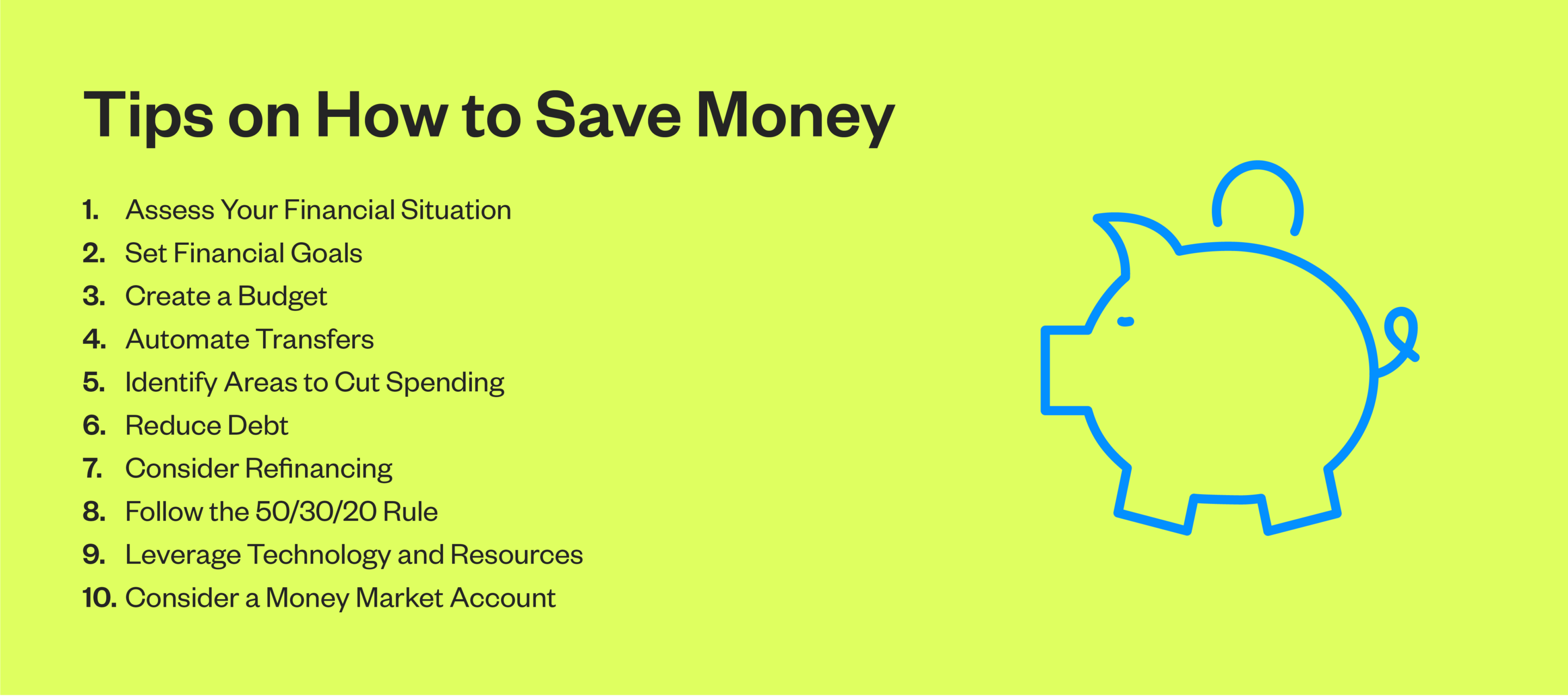
The Psychology of Saving: Shifting from Scarcity to Strategy
The primary obstacle to saving money is rarely a lack of income; rather, it is the psychological barrier of “lifestyle creep” and the immediate gratification loop. To save effectively, you must first reconfigure your mental relationship with currency.
Redefining “Paying Yourself First”
Most people approach saving as a residual activity. They receive their paycheck, pay their bills, spend on entertainment, and then “save what is left.” This is a fundamental error. To save successfully, you must treat your savings as your most important monthly bill. “Paying yourself first” means that before a single dollar goes to a landlord, a utility company, or a grocer, a predetermined percentage of your income is moved into a dedicated savings or investment vehicle. This ensures that your future self is prioritized over your current expenses.
Overcoming Lifestyle Creep
As your career progresses and your income increases, there is a natural tendency to increase your standard of living. This phenomenon, known as lifestyle creep, can keep even high earners living paycheck to paycheck. The key to saving is maintaining a “wealth gap”—the space between what you earn and what you spend. By consciously deciding to keep your expenses stable even as your salary rises, you turn every raise into a direct contribution to your financial independence.
Building a Robust Framework: The 50/30/20 Rule and Beyond
A goal without a plan is merely a wish. To save money consistently, you need a structural framework that dictates where every dollar goes. While there are many systems, the 50/30/20 rule remains the gold standard for personal finance.
The Mechanics of the 50/30/20 Budget
This system categorizes your after-tax income into three distinct buckets:
-
50% for Needs: This covers essential costs such as housing, utilities, groceries, insurance, and minimum debt payments.
-
30% for Wants: This is your “lifestyle” budget, covering dining out, hobbies, and luxury purchases.
-
20% for Savings and Debt Repayment: This is the engine of your wealth. This portion goes toward emergency funds, retirement accounts, and extra payments on high-interest debt.
By adhering to these ratios, you ensure that you are never “over-housed” or “over-lived” relative to your income, providing a built-in cushion for savings.
Zero-Based Budgeting for Maximum Efficiency
For those who find the 50/30/20 rule too broad, zero-based budgeting offers a more granular approach. The philosophy here is that every single dollar has a “job.” At the start of the month, you assign your total income to various categories until the balance reaches zero. If you have $5,000 in income, you assign $5,000 to expenses, savings, and investments. This prevents “lazy money” from sitting in a checking account and being mindlessly spent on impulsive purchases.
Leveraging Technology and Financial Tools

In the digital age, saving money should not rely on willpower alone. The friction of manually moving money can often lead to procrastination. By leveraging modern financial tools, you can make saving an invisible, automated process.
High-Yield Savings Accounts (HYSA)
Traditional brick-and-mortar banks often offer interest rates that are negligible, sometimes as low as 0.01%. This means that, after accounting for inflation, your money is effectively losing value while sitting in the bank. Moving your emergency fund and short-term savings to a High-Yield Savings Account (HYSA) is one of the simplest ways to optimize your money. These accounts, often provided by online-only banks, offer significantly higher interest rates, allowing your idle cash to work for you while remaining liquid.
Automation: The “Set and Forget” Method
The most successful savers are those who don’t have to think about saving. By setting up an automatic transfer from your checking account to your savings account on the day your paycheck arrives, you remove the element of choice. When the money never “feels” like it’s in your spending account, you naturally adjust your lifestyle to fit the remaining balance. Many fintech apps also offer “round-up” features, which round up every purchase to the nearest dollar and invest or save the difference—a passive way to accumulate hundreds of dollars over the course of a year.
Strategic Debt Reduction and Cash Flow Optimization
You cannot effectively save money if you are leaking capital through high-interest debt. Interest payments are the “anti-savings”; they are payments you make for the privilege of having spent money you didn’t have in the past.
The Debt Avalanche vs. Debt Snowball
To free up cash flow for saving, you must aggressively tackle debt. Two primary methods exist:
-
The Debt Avalanche: This involves paying the minimum on all debts and putting all extra cash toward the debt with the highest interest rate. This is the mathematically optimal path, saving you the most money in the long run.
-
The Debt Snowball: This involves paying off the smallest balances first to gain psychological momentum. While it may cost more in interest, the “wins” of closing accounts can provide the motivation needed to stay the course.
Once a debt is retired, the money that was previously going toward that payment should not be spent; it should be redirected immediately into your savings or investment accounts.
Auditing Recurring Costs
In the subscription economy, many people suffer from “subscription rot”—the slow accumulation of small, monthly charges for services they no longer use. A quarterly audit of your bank statements can reveal streaming services, gym memberships, or software subscriptions that are draining your capital. Canceling three $15 subscriptions saves $540 a year—a significant contribution to an emergency fund with zero impact on your quality of life.
Investing as the Final Stage of Saving
While “saving” usually refers to cash preservation, true financial security requires that your saved money grows. Once you have an emergency fund covering three to six months of expenses, the focus must shift from saving to investing.
The Power of Compounding Interest
Cash in a savings account is for security; money in the market is for growth. Through the power of compounding interest, the money you save today can double or triple over the coming decades. By investing in low-cost index funds or Exchange Traded Funds (ETFs) that track the broader market (like the S&P 500), you ensure that your savings are outpacing inflation and building long-term wealth.

Utilizing Tax-Advantaged Accounts
One of the most effective ways to “save” money is to avoid paying more in taxes than is legally required. Utilizing employer-sponsored 401(k) plans, especially when there is a company match, is an immediate 100% return on your investment. Similarly, Individual Retirement Accounts (IRAs) offer tax-deferred or tax-free growth. By maximizing these contributions, you are essentially saving money that would have otherwise gone to the government, keeping more of your hard-earned capital in your own pocket.
In conclusion, saving money is a comprehensive discipline that requires a balance of mindset, methodology, and technology. By automating your contributions, adhering to a structured budget, and shifting your focus toward long-term growth, you transform your finances from a source of stress into a foundation of power and possibility. The question “how do you save your money” is ultimately a question of how you value your time and your future. With the right systems in place, the answer becomes a path to lasting financial freedom.
aViewFromTheCave is a participant in the Amazon Services LLC Associates Program, an affiliate advertising program designed to provide a means for sites to earn advertising fees by advertising and linking to Amazon.com. Amazon, the Amazon logo, AmazonSupply, and the AmazonSupply logo are trademarks of Amazon.com, Inc. or its affiliates. As an Amazon Associate we earn affiliate commissions from qualifying purchases.