
The pursuit of financial security is often framed as a series of restrictive sacrifices, yet the most effective approach to saving money is not about deprivation—it is about optimization. In an era of fluctuating inflation and economic uncertainty, the “best” way to save money is a multi-dimensional strategy that combines behavioral psychology, disciplined budgeting frameworks, and the strategic use of modern financial technology. True wealth preservation requires a shift from viewing savings as a secondary thought—what remains at the end of the month—to treating it as a primary, non-negotiable expense.
Mastering the Psychology of Systematic Saving
To understand how to save effectively, one must first address the psychological barriers that lead to overspending. Humans are evolutionarily hardwired for immediate gratification, making the concept of long-term financial security feel abstract compared to the instant dopamine hit of a new purchase. Overcoming this requires a structural change in how you interact with your income.
The “Pay Yourself First” Philosophy
The single most transformative habit in personal finance is the “Pay Yourself First” principle. Traditionally, most people pay their rent, utilities, and grocery bills, then spend on leisure, and finally save whatever is left over. The flaw in this model is that human behavior expands to fill the available budget—a concept known as Parkinson’s Law. By reversing this order—allocating a set percentage of your income to savings and investments the moment your paycheck arrives—you force your lifestyle to adapt to the remaining balance. This ensures that your financial goals are prioritized over transient desires.
Understanding Needs vs. Wants in a Consumerist Culture
In a digital economy driven by targeted advertising and “one-click” purchasing, the line between a necessity and a luxury has become increasingly blurred. Effective savers employ a “cooling-off” period—often 48 to 72 hours—before making any non-essential purchase. This allows the emotional impulse to subside, making room for a logical assessment of the item’s true utility. Furthermore, understanding the concept of “cost per use” rather than “sticker price” can shift your perspective toward value-based spending, which inherently preserves capital over time.
Implementing High-Efficiency Budgeting Frameworks
While many find the word “budget” restrictive, a budget is simply a roadmap for your money. Without it, capital tends to leak through micro-transactions and forgotten subscriptions. There is no one-size-fits-all budget, but several frameworks have proven particularly effective for high-impact saving.
The 50/30/20 Rule
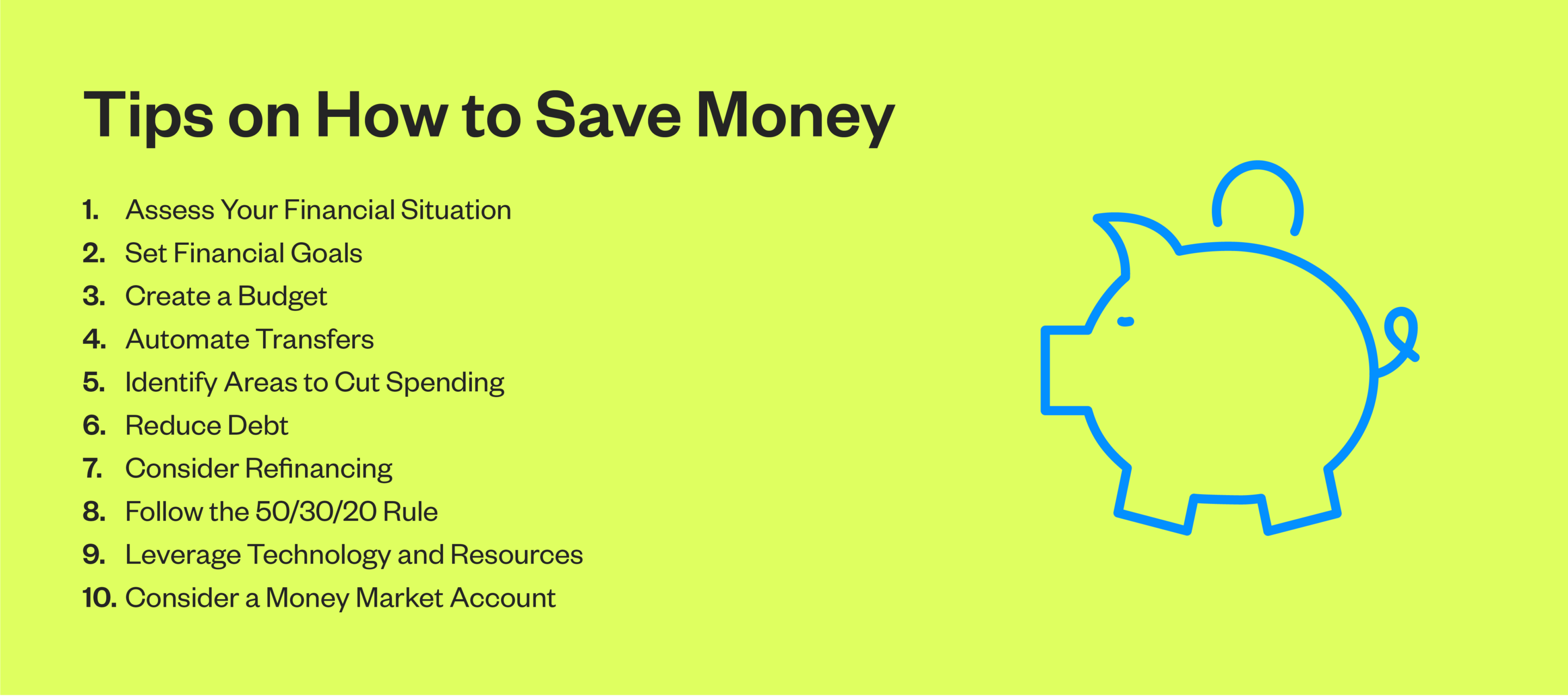
Popularized as a standard for middle-income earners, the 50/30/20 rule divides net income into three distinct categories: 50% for needs (housing, utilities, basic groceries), 30% for wants (dining out, hobbies, streaming services), and 20% for financial goals (debt repayment and savings). The brilliance of this system lies in its simplicity. It provides a clear boundary for lifestyle inflation; as your income increases, the dollar amount for “wants” grows, but the 20% dedicated to your future scales proportionally, ensuring you don’t fall victim to lifestyle creep.
Zero-Based Budgeting for Maximum Accountability
For those who feel their money “disappears” without explanation, zero-based budgeting is the gold standard. In this system, every single dollar of your monthly income is assigned a specific job—whether that is for rent, a specific savings goal, or a $5 coffee. At the end of the calculation, your income minus your expenses should equal exactly zero. This does not mean you have zero dollars in your bank account; rather, it means every cent is working toward a purpose. This level of granularity eliminates mindless spending and highlights exactly where your saving potential is being throttled.
Utilizing Sinking Funds for Periodic Expenses
One of the most common reasons people fail to save consistently is the “surprise” expense—car repairs, annual insurance premiums, or holiday gifts. These are not actually surprises; they are predictable, irregular costs. Sinking funds involve setting aside small, monthly amounts for these specific categories. By the time the bill arrives, the money is already there, preventing you from dipping into your emergency fund or, worse, relying on high-interest credit cards.
Harnessing Financial Technology and Automation
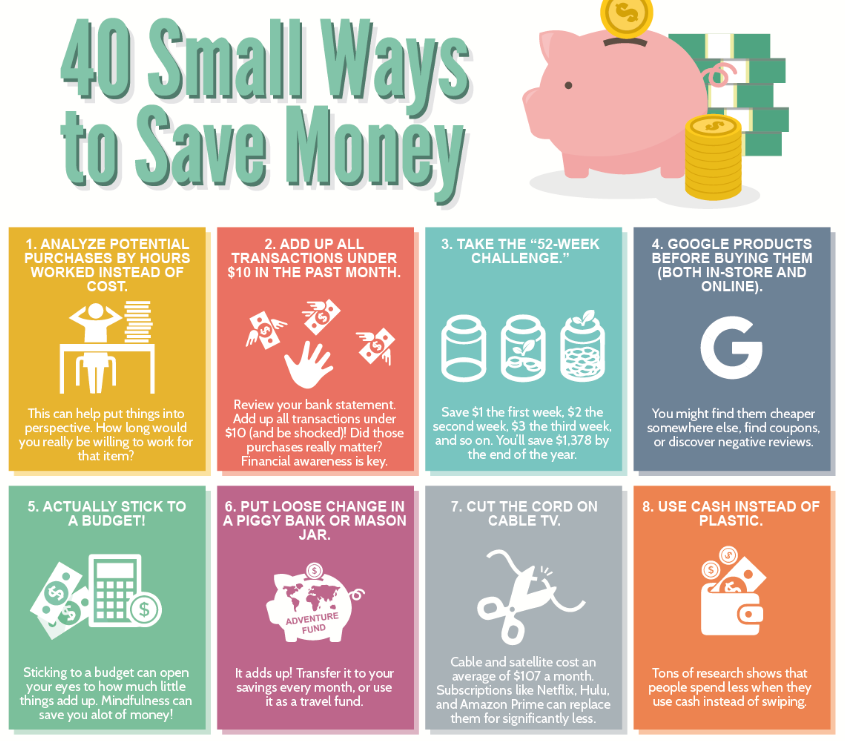
In the modern financial landscape, manual saving is an outdated and inefficient process. The friction of having to remember to move money between accounts is often enough to derail a savings plan. By leveraging technology, you can remove human error and willpower from the equation.
The Power of High-Yield Savings Accounts (HYSA)
Keeping your savings in a traditional “big bank” checking or savings account is often a losing game, as the interest rates rarely keep pace with inflation. The best way to maximize your liquid cash is through a High-Yield Savings Account (HYSA). These accounts, often offered by online-only financial institutions, provide interest rates significantly higher than the national average. By parking your emergency fund or short-term goals in an HYSA, your money earns a meaningful return while remaining completely accessible, effectively creating a passive income stream for your savings.
Automating the Savings Pipeline
Automation is the “secret sauce” of successful savers. Most payroll systems and banking apps allow you to set up automatic transfers. You can direct a portion of your direct deposit straight into a high-yield savings account or an investment brokerage. When the money never hits your checking account, you never “feel” the loss of it, making the act of saving effortless. Additionally, many modern apps offer “round-up” features, where every transaction is rounded to the nearest dollar, with the change invested or saved. While these amounts are small, they provide a psychological entry point into the habit of accumulation.
Using Fintech Tools for Expense Tracking
To optimize your savings, you must have data. Financial management tools and apps can aggregate your spending across multiple accounts, categorizing your expenses automatically. Seeing a visual representation—such as a pie chart—of how much you spend on “Dining & Drinks” versus “Rent” can be a powerful catalyst for change. These tools allow you to identify “vampire expenses”—small, recurring charges for services you no longer use—that can be redirected toward your savings goals.
Strategic Expense Optimization and Lifestyle Design
While increasing income is a powerful wealth-building tool, it is often easier and more immediate to optimize your current expenses. Significant savings are rarely found in cutting out small treats like lattes; they are found in the “Big Three”: housing, transportation, and food.
Cutting the “Big Three”
Housing is typically the largest monthly expense. For those serious about saving, strategies such as “house hacking” (renting out a room) or relocating to a lower-cost-of-living area can free up thousands of dollars annually. Transportation is the second largest expense; choosing a reliable used vehicle over a high-interest lease on a new car can drastically alter your financial trajectory. Finally, food spending—specifically dining out and food delivery—is the area where most households have the most “fat” to trim. Transitioning to meal prepping and strategic grocery shopping can often cut food costs by 40-60%.
The Art of Recurring Subscription Audits
The “subscription economy” has fundamentally changed how we spend. Small monthly fees for software, media, and fitness can aggregate into a significant drain on your capital. A quarterly “subscription audit” involves reviewing every recurring charge on your bank statement and ruthlessly canceling anything that doesn’t provide high value. These small wins, when redirected into an investment account, benefit from the power of compound interest over decades.
Building a Resilient Financial Fortress
Saving money is not just about the balance in your bank account; it is about the resilience of your overall financial structure. The best way to save is to ensure that your savings are protected from external shocks and internal mismanagement.
The Tiered Emergency Fund
A standard emergency fund of three to six months of expenses is the foundation of financial peace. However, a “tiered” approach is even more effective. Keep one month of expenses in a standard savings account for immediate access, and the remainder in a High-Yield Savings Account or a money market fund for higher interest. This ensures liquidity for minor hiccups (like a flat tire) while allowing the bulk of your emergency cash to at least keep pace with inflation.

Protecting Your Savings from Inflation and Taxes
To truly save for the long term, you must understand that cash is a depreciating asset due to inflation. Once you have an adequate emergency fund, the “best” way to save for the future is through tax-advantaged accounts like a 401(k), 403(b), or an Individual Retirement Account (IRA). These vehicles allow your savings to grow tax-deferred or tax-free, significantly increasing the total value of your capital over time compared to a standard taxable account. For those with high-deductible health plans, a Health Savings Account (HSA) offers a triple tax advantage, making it one of the most powerful saving and investing tools available.
In summary, the best way to save money is to treat it as a disciplined system rather than a series of sporadic decisions. By combining the “Pay Yourself First” mentality with automated technology, strategic budgeting frameworks like the 50/30/20 rule, and a focus on optimizing large recurring expenses, you create a self-sustaining engine of wealth accumulation. Saving is not about what you are giving up today; it is about what you are gaining for tomorrow—freedom, security, and the power to live life on your own terms.
aViewFromTheCave is a participant in the Amazon Services LLC Associates Program, an affiliate advertising program designed to provide a means for sites to earn advertising fees by advertising and linking to Amazon.com. Amazon, the Amazon logo, AmazonSupply, and the AmazonSupply logo are trademarks of Amazon.com, Inc. or its affiliates. As an Amazon Associate we earn affiliate commissions from qualifying purchases.