
The Dow Jones Industrial Average (DJIA) remains the most visible and frequently cited barometer of the American economy. When investors ask, “What did the Dow stock market close at today?” they are looking for more than just a five-digit number; they are seeking a pulse check on the health of global commerce, the stability of corporate earnings, and the trajectory of their personal wealth. Understanding today’s closing figures requires a deep dive into the psychological and fundamental drivers that move the needle for the thirty blue-chip companies that comprise this historic index.
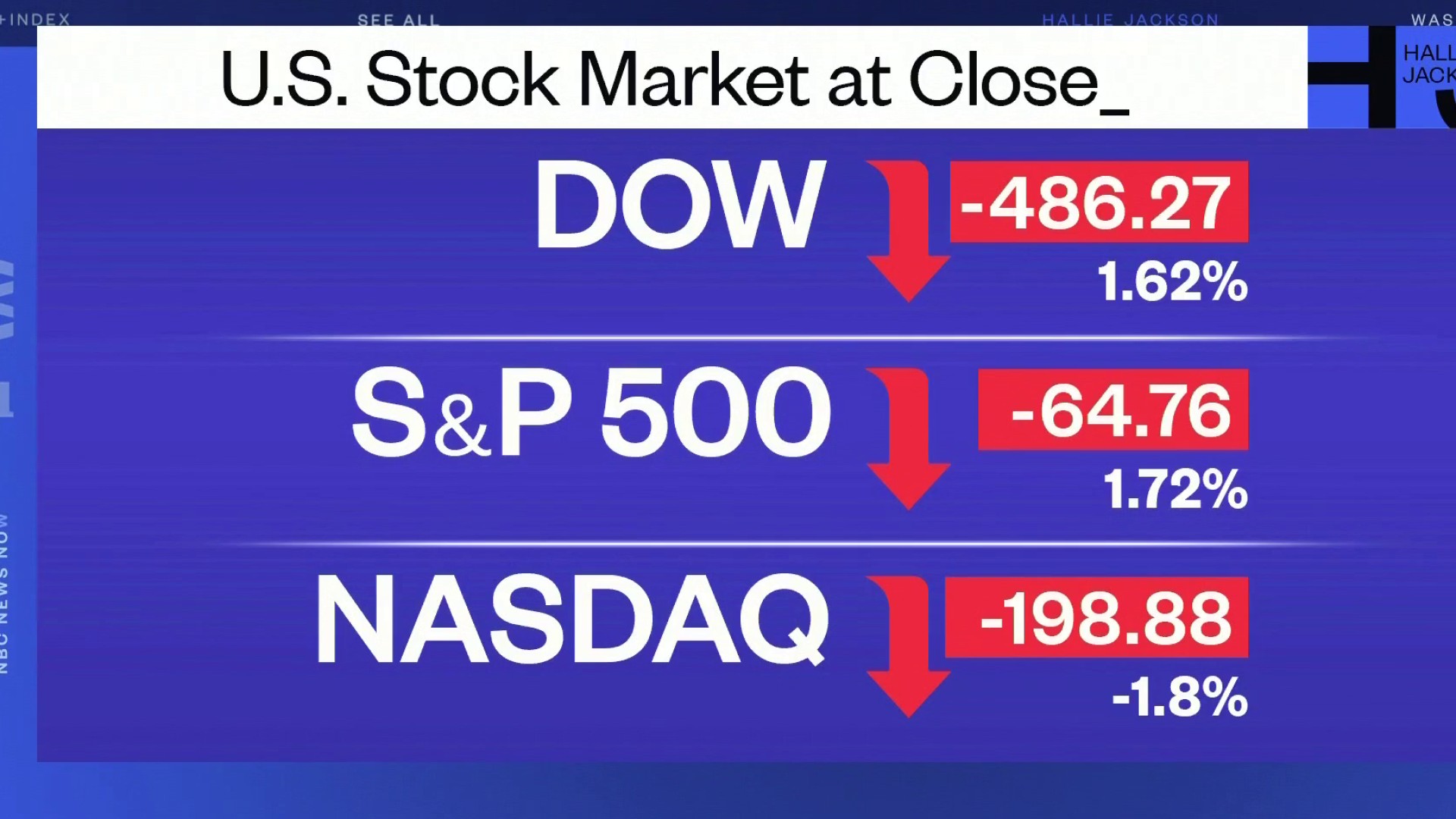
The Significance of Today’s Market Close
The closing price of the Dow is a snapshot of the aggregate sentiment of millions of investors, ranging from retail day traders to massive institutional hedge funds. Unlike the S&P 500, which is market-cap weighted, the Dow is price-weighted. This means that stocks with higher share prices exert a greater influence on the index’s daily movement. When you observe today’s close, you are seeing a specialized view of the industrial and financial giants that anchor the U.S. economy.
Volatility and Intraday Movement
Today’s market close is often the result of intense tug-of-war dynamics between bulls and bears. Intraday volatility—the swings that happen between the opening bell at 9:30 AM EST and the closing bell at 4:00 PM EST—often tells a more complex story than the final number. A Dow that closes “flat” may have actually experienced a 500-point swing in either direction during the lunch hour, signaling uncertainty regarding upcoming economic data or geopolitical developments.
The Closing Auction and Price Discovery
The final minutes of the trading day, often referred to as the “closing cross,” are among the most liquid and important moments in the financial world. Institutional investors often wait until the final moments to execute large blocks of trades to ensure they receive the “closing price,” which is used as the benchmark for mutual fund net asset values (NAVs) and derivative contracts. Therefore, today’s closing number is the most “accurate” representation of value for that 24-hour period.
Macroeconomic Drivers Behind the Numbers
To understand why the Dow closed where it did today, one must look at the broader economic landscape. The index does not move in a vacuum; it reacts violently or favorably to specific triggers that define our current financial era.
Federal Reserve Policy and Interest Rates
Perhaps no single entity influences the Dow more than the Federal Reserve. Investors today are laser-focused on “terminal rates”—the point at which the Fed stops raising interest rates to combat inflation. If today’s close was lower, it might be due to hawkish rhetoric from a Fed governor suggesting that “higher for longer” interest rates are necessary. Conversely, a rally often signals investor optimism that a “pivot” or a pause is on the horizon. Higher rates increase borrowing costs for the 30 Dow components, potentially squeezing profit margins and lowering the present value of future cash flows.
Inflation and Consumer Price Index (CPI) Data
The Dow is highly sensitive to inflation prints. Because the index includes consumer-facing giants like Walmart, Coca-Cola, and Procter & Gamble, any sign that the cost of goods is rising—or that consumer spending is cooling—will reflect immediately in the closing price. A “hot” inflation report usually leads to a sell-off, as investors fear decreased purchasing power and more aggressive central bank intervention.
Corporate Earnings Season
During earnings season, the Dow’s closing price is dictated by the quarterly reports of its constituents. Since the index only contains 30 stocks, a massive miss or beat by a heavy hitter like UnitedHealth Group or Goldman Sachs can single-handedly pull the entire index up or down. Investors look past the “headline” earnings-per-share (EPS) and focus on “forward guidance.” If a company beats earnings but lowers its outlook for the next quarter, the Dow may close lower despite the initial positive news.
Psychological Thresholds and Technical Analysis
The Dow is as much a psychological construct as it is a financial one. Traders often look at “round numbers” as support or resistance levels.

Support and Resistance Levels
If the Dow is hovering near 38,000 or 40,000, these numbers act as psychological barriers. A close above a major thousand-point milestone often triggers “Fear Of Missing Out” (FOMO) among retail investors, leading to a sustained rally. Conversely, “breaking” a support level can trigger automated sell programs, leading to a cascade that results in a significant red day.
The Role of Moving Averages
Professional analysts look at the 50-day and 200-day moving averages to determine if today’s close represents a temporary fluke or a change in the long-term trend. If the Dow closes consistently below its 200-day moving average, it is often viewed as a “death cross” or a bearish signal, suggesting that the path of least resistance is downward. Understanding where today’s close sits in relation to these averages helps investors avoid making impulsive decisions based on a single day’s news cycle.
Impact on Personal Finance and Long-Term Investing
While the daily close of the Dow is the subject of endless news cycles, its true importance lies in how it affects the individual investor’s financial plan and retirement goals.
The Danger of Daily Monitoring
For the average person saving for retirement, the daily closing price of the Dow can be a source of unnecessary stress. Behavioral finance teaches us that “loss aversion”—the pain of losing money—is twice as powerful as the joy of gaining it. By checking the Dow’s close every day, investors are more likely to make emotional trades, such as selling at the bottom of a correction or buying at the peak of a bubble.
Rebalancing and Strategic Allocation
Today’s market close serves as a data point for portfolio rebalancing. If a sustained rally in the Dow has caused your equity position to grow from 60% to 70% of your total portfolio, today might be the day to “sell high” and move those gains into bonds or other asset classes to maintain your target risk profile. Successful investing is often about reacting to the aggregate of these daily closes over months and years, rather than a single afternoon.
Dividend Yields and Reinvestment
Many of the companies in the Dow are legendary “Dividend Aristocrats”—firms that have paid and increased dividends for decades. When the Dow closes lower, the dividend yield (dividend per share divided by stock price) actually increases. For long-term investors who use Dividend Reinvestment Plans (DRIPs), a lower closing price today can be a “gift,” allowing their dividends to purchase more shares at a discount, which accelerates wealth accumulation through the power of compounding.
Looking Ahead: What to Watch for Tomorrow
The closing bell of the Dow is rarely the end of the story. After-hours trading and international markets often pick up where the New York Stock Exchange left off.
After-Hours Earnings and Global Markets
Often, a major Dow component (like Microsoft or Apple) will release earnings minutes after the 4:00 PM close. This can cause the Dow futures to move significantly before the next day’s opening bell. Furthermore, as the sun sets on Wall Street, markets in Tokyo, Hong Kong, and London begin their sessions. A sell-off in Asian tech or European financials can create a “gap down” for the Dow tomorrow morning, regardless of where it closed today.
The Importance of Diversification
While the question “What did the Dow close at?” is a standard inquiry, savvy investors also look at the Nasdaq (tech-heavy) and the Russell 2000 (small-cap stocks). A day where the Dow closes up while the Nasdaq closes down suggests a “rotation” from growth to value—a sign that investors are seeking safety in established, profitable companies over high-growth, speculative ones.
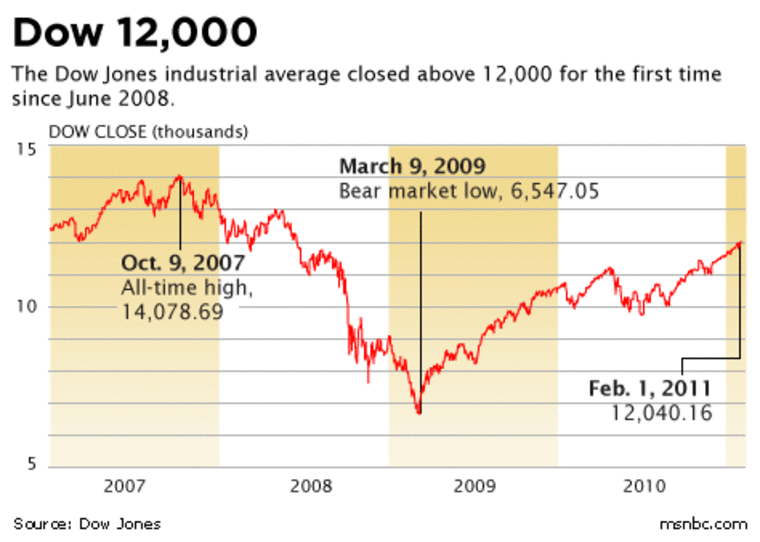
Conclusion: The Dow as a Tool, Not a Target
Today’s closing price of the Dow Jones Industrial Average is a historical record of a single day’s economic sentiment. It reflects the cost of capital, the strength of the American consumer, and the collective expectations for future growth. However, for those focused on building lasting wealth, the Dow should be viewed as a compass, not a destination. Whether the index closed up 300 points or down 500, the principles of sound investing—diversification, low fees, and emotional discipline—remain unchanged. The number you see on your screen today is merely one heartbeat in the long life of a portfolio designed to withstand the tests of time and market cycles.
aViewFromTheCave is a participant in the Amazon Services LLC Associates Program, an affiliate advertising program designed to provide a means for sites to earn advertising fees by advertising and linking to Amazon.com. Amazon, the Amazon logo, AmazonSupply, and the AmazonSupply logo are trademarks of Amazon.com, Inc. or its affiliates. As an Amazon Associate we earn affiliate commissions from qualifying purchases.