
In today’s increasingly connected and often polluted world, the quality of the air we breathe within our homes and workspaces has become a significant concern. While we meticulously focus on digital security, optimizing our productivity with the latest apps, or building a strong brand identity, the fundamental element of clean air can often be overlooked. This is where the humble, yet powerful, air purifier steps into the spotlight. But what exactly is an air purifier used for, and how does this seemingly simple gadget tie into the broader themes of technology, brand building, and even financial well-being? Let’s delve into the multifaceted world of air purification and its surprising relevance.
The Fundamental Purpose: Removing Airborne Contaminants
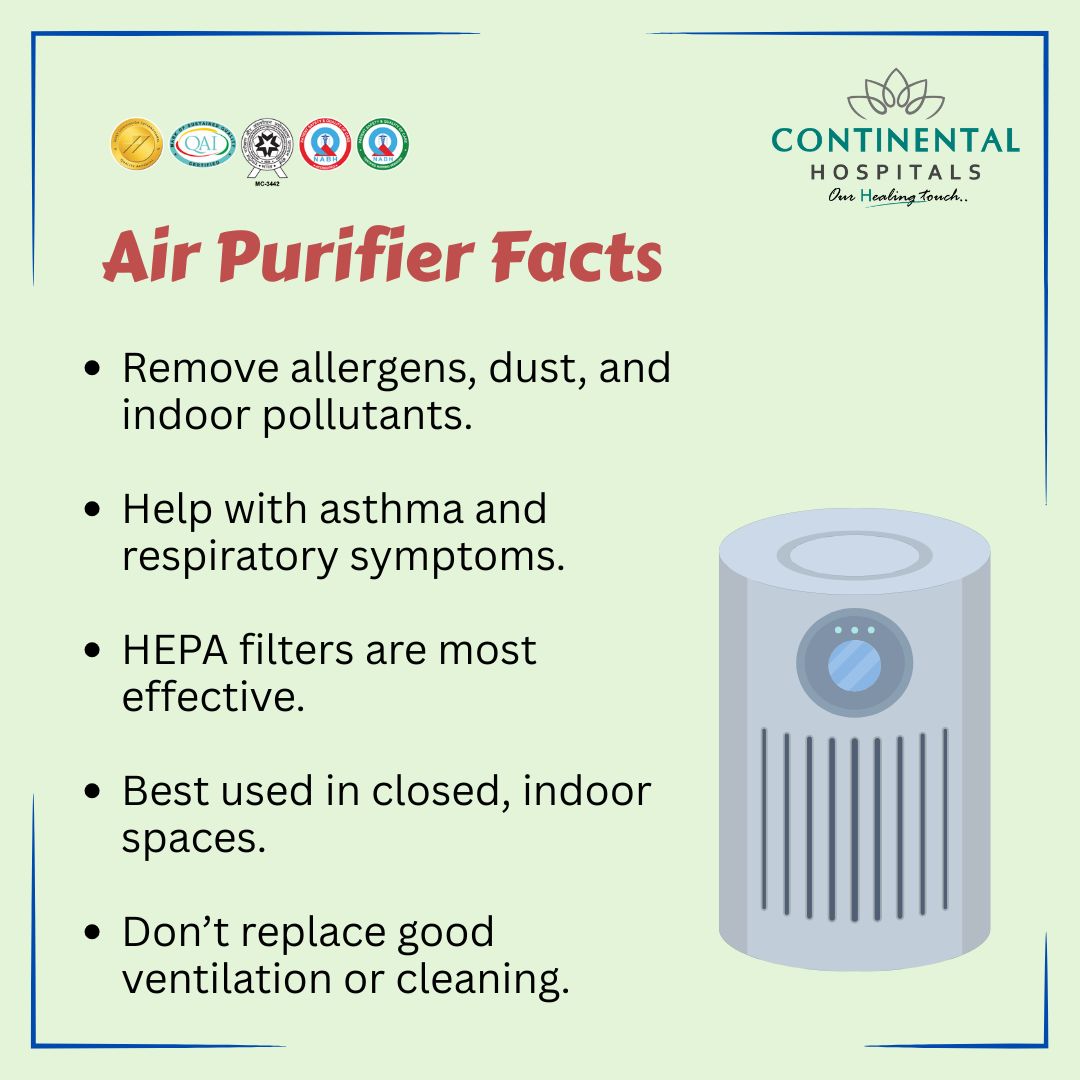
At its core, an air purifier is an electrical appliance designed to remove pollutants from the air within a confined space. Think of it as a sophisticated filtration system for your environment. The primary goal is to improve indoor air quality, making the air you breathe healthier and more comfortable. This is crucial because indoor air can often be more polluted than outdoor air, accumulating a cocktail of microscopic particles and gases that can have detrimental effects on our health and well-being.
What Kinds of Contaminants Do Air Purifiers Target?
The effectiveness of an air purifier lies in its ability to capture and neutralize a wide range of airborne irritants. These can be broadly categorized as:
-
Particulate Matter: This includes tiny solid or liquid particles suspended in the air. Common examples include:
- Dust and Dander: Everyday household dust, pet dander from our furry companions, and even microscopic fibers from clothing and furniture. These can trigger allergies and respiratory issues.
- Pollen: A major culprit for seasonal allergies, pollen enters our homes and lingers in the air, causing sneezing, itchy eyes, and breathing difficulties for sensitive individuals.
- Mold Spores: These microscopic fungi thrive in damp environments and can spread throughout the air, posing a threat to respiratory health and potentially exacerbating asthma.
- Smoke Particles: From cooking, fireplaces, or even wildfire smoke, these fine particles are not only unpleasant but also carry harmful chemicals.
- Bacteria and Viruses: While not all air purifiers are designed to kill these, some advanced models incorporate technologies that can neutralize or trap them, offering an added layer of protection.
-
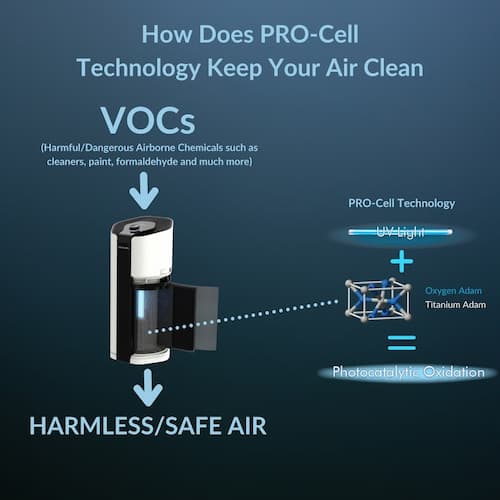
Gases and Odors (Volatile Organic Compounds – VOCs): These are invisible chemicals that can be emitted from a variety of sources, including:
- Household Products: Cleaning supplies, air fresheners, paints, varnishes, and even new furniture can release VOCs into the air.
- Cooking Fumes: From frying and roasting, these can contain unpleasant odors and harmful compounds.
- Pet Odors: The distinct smell of pets can be a persistent issue, and air purifiers can effectively neutralize these odor-causing molecules.
- Chemical Pollutants: Industrial emissions, traffic exhaust, and even off-gassing from building materials can introduce harmful gases into indoor environments.
How Do Air Purifiers Achieve This? The Technology Behind Clean Air
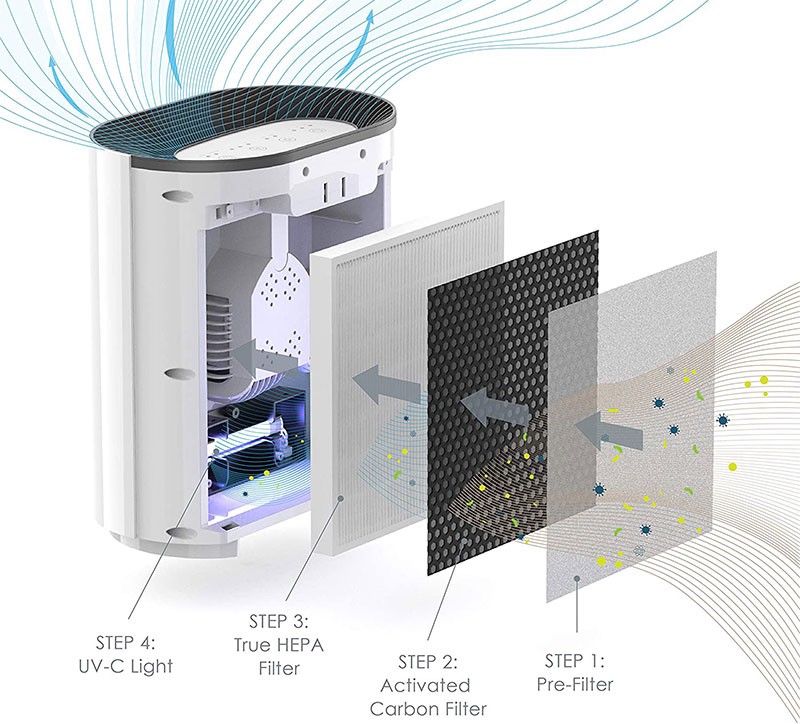
The “how” behind an air purifier’s function is deeply rooted in technological innovation. Most air purifiers employ a multi-stage filtration system, with different components designed to tackle specific types of pollutants.
H2: The Core Technologies: Filtration Systems and Their Importance
Understanding the technology is crucial for appreciating what an air purifier is used for and how it benefits you. The most common and effective filtration methods include:
-
HEPA Filters (High-Efficiency Particulate Air): This is the gold standard for particulate removal. True HEPA filters are certified to capture at least 99.97% of airborne particles 0.3 microns in size. This includes most dust, pollen, mold spores, and pet dander. Think of it as a super-fine mesh that traps even the smallest irritants.
-
Activated Carbon Filters: These filters are specifically designed to adsorb gases and odors. Activated carbon is a highly porous material that has been treated to increase its surface area, allowing it to trap VOCs and neutralize smells. This is what makes an air purifier so effective at tackling cooking odors, pet smells, and chemical fumes.
-
Pre-filters: These are typically washable mesh filters that capture larger particles like hair and lint. They serve to protect the more delicate HEPA and carbon filters, extending their lifespan and maintaining the overall efficiency of the unit.
-
UV-C Light: Some air purifiers incorporate ultraviolet germicidal irradiation (UV-C) light. This technology uses UV-C rays to kill airborne bacteria, viruses, and mold spores. While effective for sanitization, it’s important to ensure the UV-C light is contained within the unit for safety.
-
Ionizers: These devices release negative ions into the air, which attach to airborne particles, causing them to clump together and fall to the ground or be more easily captured by the filters. Some people have concerns about ozone production from ionizers, so it’s important to choose models that are certified as ozone-free or have low ozone emissions.
H2: Beyond the Basics: Smart Features and Performance Metrics
The evolution of technology has transformed air purifiers from simple appliances into intelligent devices. This brings us to how the “Tech” pillar of our website directly intersects with air purification.
H3: Smart Connectivity and Control
Modern air purifiers often come with Wi-Fi connectivity, allowing users to control and monitor their devices remotely through smartphone apps. This offers a level of convenience and insight previously unavailable. You can:
- Adjust fan speeds and settings: Remotely change purification levels based on your needs or current air quality.
- Schedule operation: Set timers for your air purifier to run at specific times, optimizing energy consumption and ensuring clean air when you’re most likely to be present.
- Monitor air quality in real-time: Many smart air purifiers feature built-in sensors that detect pollutants and display real-time air quality readings on the app. This allows you to understand what’s impacting your indoor environment and how effectively the purifier is working.
- Receive filter replacement alerts: The app will notify you when it’s time to change or clean your filters, ensuring your air purifier operates at peak performance.
H3: Performance Metrics and Efficiency Ratings
When choosing an air purifier, understanding its specifications is crucial. Key metrics to consider include:
- CADR (Clean Air Delivery Rate): This measures how quickly an air purifier can remove specific pollutants (smoke, dust, pollen) from a room. A higher CADR indicates more efficient purification.
- Room Size Coverage: Air purifiers are rated for the maximum room size they can effectively clean. It’s essential to choose a unit that is appropriately sized for your space to ensure optimal performance.
- AHAM Verifide Seal: The Association of Home Appliance Manufacturers (AHAM) provides an independent certification that verifies an air purifier’s CADR ratings and recommended room size.
Air Purifiers and Your Brand: Creating a Healthy and Productive Environment
The impact of clean air extends beyond immediate health benefits and touches upon the broader concept of “Brand.” Whether we’re discussing personal branding, corporate identity, or even the brand experience for customers, a clean and healthy environment plays a subtle yet significant role.
H2: The Unseen Influence on Productivity and Well-being
For individuals, a clean indoor environment directly contributes to a stronger personal brand. When you’re feeling healthy, alert, and comfortable in your own home or office, your cognitive functions improve. This translates to:
- Enhanced Focus and Concentration: Reduced exposure to allergens and pollutants can minimize distractions like sneezing, itchy eyes, and headaches, allowing for greater focus on tasks.
- Improved Sleep Quality: Breathing clean air at night can lead to deeper, more restorative sleep, boosting energy levels and overall mood.
- Reduced Sick Days: A healthier environment means a lower likelihood of catching colds, the flu, or experiencing flare-ups of respiratory conditions, contributing to consistent productivity.
For businesses, the impact is equally profound. Providing a clean and healthy workspace can:
- Boost Employee Morale and Productivity: Employees who feel cared for and work in a healthy environment are generally happier, more engaged, and more productive.
- Enhance Corporate Reputation: A commitment to employee well-being, including providing clean air, can be a significant factor in a company’s brand image and reputation as a responsible employer.
- Improve Customer Experience: For businesses with customer-facing spaces, such as retail stores, restaurants, or waiting rooms, clean air contributes to a more pleasant and welcoming atmosphere, positively influencing customer perception.
Air Purifiers and Your Money: Smart Investments for Health and Savings
The “Money” pillar of our website might seem distant from air purification, but there are tangible connections to be made, from personal finance to business investment.
H2: The Financial Implications of Clean Air
Investing in an air purifier is not just about purchasing a gadget; it’s about making a conscious financial decision that can yield long-term benefits.
H3: Long-Term Health Savings
While the upfront cost of an air purifier is an investment, it can lead to significant savings in the long run. By reducing exposure to pollutants that trigger allergies, asthma, and other respiratory issues, you can:
- Lower Healthcare Costs: Fewer doctor visits, prescriptions, and hospital stays can directly translate to reduced personal healthcare expenses.
- Minimize Lost Income: Reduced sick days mean less potential for lost wages or productivity.
H3: Energy Efficiency and Running Costs
When considering an air purifier, it’s important to look beyond the purchase price and evaluate its ongoing running costs. Modern air purifiers are becoming increasingly energy-efficient, especially those with advanced motor technologies and smart features that allow for optimized operation. Factors to consider include:
- Energy Consumption: Look for the unit’s wattage and compare it to other models. Energy Star certified models are a good indicator of efficiency.
- Filter Replacement Costs: This is a recurring cost that needs to be factored into your budget. Research the cost and lifespan of replacement filters for different models. While seemingly an expense, it’s crucial for maintaining the purifier’s effectiveness and preventing further health-related costs.
In conclusion, an air purifier is a versatile and increasingly essential appliance for anyone looking to improve their indoor environment. It’s a testament to how technological advancements can directly impact our well-being, influence our personal and corporate brands, and even contribute to our financial health. By understanding what an air purifier is used for – removing harmful contaminants, and by considering the smart technologies and financial implications involved, you can make an informed decision that benefits you, your loved ones, and your overall quality of life.
aViewFromTheCave is a participant in the Amazon Services LLC Associates Program, an affiliate advertising program designed to provide a means for sites to earn advertising fees by advertising and linking to Amazon.com. Amazon, the Amazon logo, AmazonSupply, and the AmazonSupply logo are trademarks of Amazon.com, Inc. or its affiliates. As an Amazon Associate we earn affiliate commissions from qualifying purchases.