
The Dow Jones Industrial Average (DJIA), often referred to simply as “the Dow” or “the market,” stands as one of the most recognized financial benchmarks in the world. When news anchors report that “the market is up,” they are frequently referring to the movement of this specific index. Understanding what the Dow Jones market represents today requires more than a glance at a daily percentage change; it demands an appreciation of its history, its unique price-weighted structure, and its role as a psychological barometer for the global economy.

For the modern investor, the Dow serves as a curated collection of 30 “blue-chip” companies—reputable, stable, and often dividend-paying giants that represent the backbone of the American industrial and commercial landscape. Despite the emergence of broader indices like the S&P 500 or tech-heavy benchmarks like the Nasdaq Composite, the Dow remains a vital tool for gauging the health of large-cap domestic equities.
The Mechanics of the Dow Jones Industrial Average
To understand the Dow Jones market today, one must first grasp how it is constructed. Unlike most modern indices that weight companies based on their total market capitalization (the total value of all outstanding shares), the Dow is a price-weighted index. This means that companies with higher stock prices have a greater influence on the index’s movement than those with lower stock prices, regardless of the company’s actual size.
The Price-Weighted System and the Dow Divisor
In a price-weighted system, if a stock priced at $200 moves by 1%, it has a significantly larger impact on the index than a stock priced at $20 moving by 1%. Critics often argue that this method is antiquated, as it doesn’t necessarily reflect the true economic weight of a company. However, the Dow maintains its relevance through the use of the “Dow Divisor.”
The Dow Divisor is a continuously adjusted numerical value used to maintain the continuity of the index. When a company in the Dow undergoes a stock split, a spinoff, or when a component is replaced, the divisor is updated to ensure that these structural changes do not cause an artificial jump or drop in the index level. This ensures that the “points” we see on the news today are comparable to the points recorded decades ago.
The Selection of the 30 Components
The Dow is not a computer-generated list of the 30 largest companies. Instead, the components are selected by a committee at S&P Dow Jones Indices. The goal is to maintain a list that reflects the broader U.S. economy, excluding the transportation and utilities sectors (which have their own specific Dow indices).
Today, the Dow includes a diverse array of sectors, from technology (Microsoft, Apple) and healthcare (UnitedHealth Group) to financials (Goldman Sachs, JPMorgan Chase) and consumer goods (Coca-Cola, Walmart). The inclusion of a company in the Dow is considered a mark of prestige, signaling that the firm is a leader in its industry and possesses a history of sustainable growth.
What Drives the Dow Jones Market Today?
The movement of the Dow is a reflection of a complex interplay between macroeconomic data, corporate performance, and investor sentiment. In the current financial landscape, several key factors act as the primary catalysts for the index’s daily fluctuations.
Monetary Policy and the Federal Reserve
Perhaps the most significant driver of the Dow today is the monetary policy set by the Federal Reserve. Interest rates are the “gravity” of the financial markets. When the Fed raises interest rates to combat inflation, borrowing costs for corporations increase, and the present value of future earnings decreases, often leading to a contraction in stock prices. Conversely, a “dovish” stance—keeping rates low or cutting them—tends to stimulate the market. Investors closely monitor the Federal Open Market Committee (FOMC) meetings and the Consumer Price Index (CPI) reports, as these provide clues regarding the future trajectory of the Dow.
Corporate Earnings and Guidance
The Dow is, at its core, a collection of businesses. Every quarter, during “earnings season,” the 30 components report their financial results. The market reacts not only to whether a company met its profit and revenue targets but also to its “guidance”—the company’s forecast for future performance. Because the Dow is comprised of such large, influential companies, a disappointing report from a heavyweight like Boeing or Caterpillar can drag down the entire index, even if other sectors are performing well.
Geopolitical Events and Global Trade
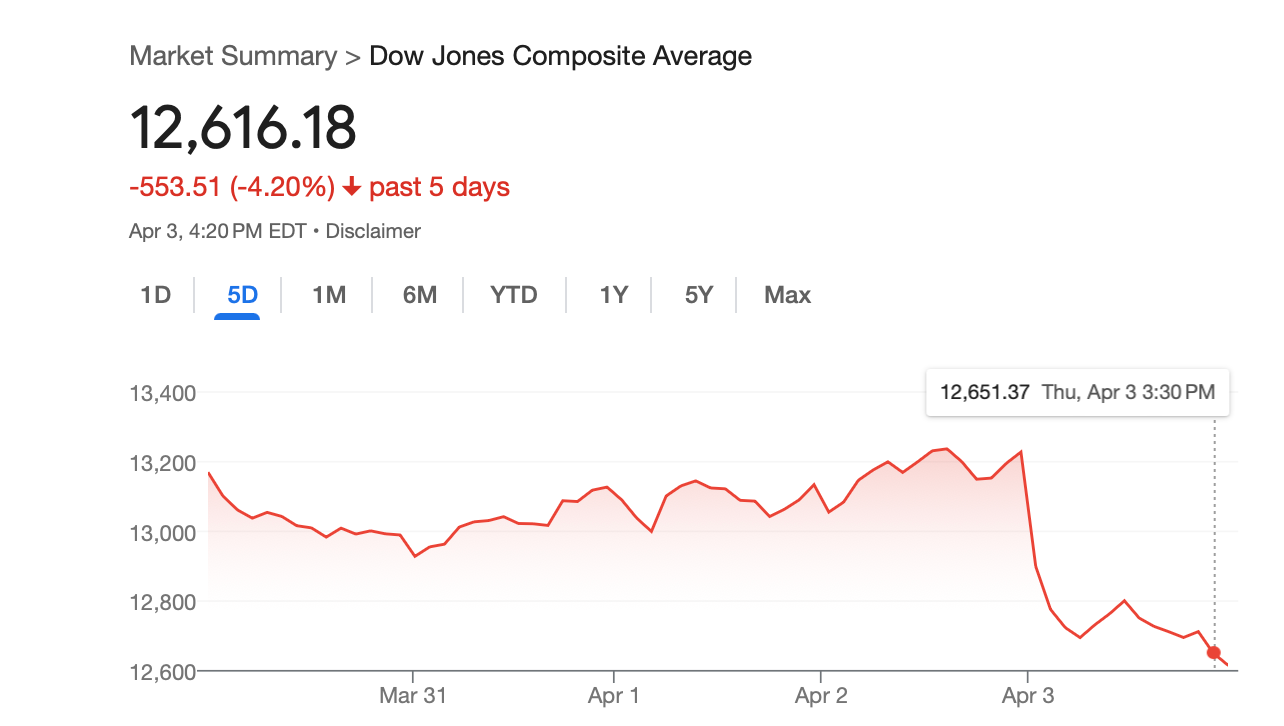
As a collection of multinational corporations, the Dow is highly sensitive to international relations. Trade tensions, fluctuations in the strength of the U.S. dollar, and geopolitical instability in energy-producing regions can all create volatility. Many Dow components derive a significant portion of their revenue from overseas markets; therefore, a global economic slowdown or a localized conflict can have immediate repercussions on the index’s performance.
Comparing the Dow to the S&P 500 and Nasdaq
To truly understand where the Dow fits in today’s market, it is essential to compare it with its counterparts. Each index provides a different perspective on the financial world, and savvy investors use them in tandem to build a complete picture.
The Dow vs. the S&P 500
The S&P 500 is often considered the gold standard for professional investors because it includes 500 companies and uses market-cap weighting. While the Dow provides a snapshot of “industrial giants,” the S&P 500 offers a broader look at the health of the entire U.S. equity market. During periods of economic transition, you may notice the Dow outperforming the S&P 500 if “value” stocks (which are prevalent in the Dow) are in favor, or underperforming if “growth” stocks are leading the charge.
The Dow vs. the Nasdaq Composite
The Nasdaq is heavily weighted toward the technology and biotechnology sectors. It is the home of innovation and high-growth potential, but it is also prone to higher volatility. Today, the Dow has become “tech-heavier” than it was in the past, incorporating companies like Salesforce and Intel. However, it still lacks the sheer concentration of speculative and high-growth tech firms found in the Nasdaq. On days when investors are seeking “safety” and “quality,” they often migrate toward the blue-chip stability of the Dow, leaving the Nasdaq behind.
The Psychological Impact of the Dow
Despite the technical superiority of other indices, the Dow remains the “everyman’s index.” Its high point-value (measured in the tens of thousands) makes for dramatic headlines. A “1,000-point drop” sounds catastrophic to the general public, even if it represents a relatively small percentage move. This psychological weight means that the Dow often leads consumer sentiment. When the Dow is hitting record highs, consumer confidence typically rises, which in turn fuels the very spending that supports the Dow’s components.
How to Invest in the Dow Jones Today
For those looking to gain exposure to the 30 blue-chip stocks of the Dow, there are several modern financial instruments that make the process efficient and accessible.
Exchange-Traded Funds (ETFs)
The most popular way to invest in the Dow is through an ETF that tracks the index. The SPDR Dow Jones Industrial Average ETF Trust (symbol: DIA), often called “Diamonds,” is designed to provide investment results that, before expenses, correspond generally to the price and yield performance of the DJIA. By purchasing shares of this ETF, an investor effectively owns a fractional piece of all 30 companies in the index. This provides instant diversification across various sectors with a single transaction.
Individual Equities and Dividend Strategies
Many investors choose to use the Dow as a shopping list for individual stock picking. Because the Dow consists of established companies, many of its members are “Dividend Aristocrats” or “Dividend Achievers”—firms that have a long history of paying and increasing dividends. A popular strategy known as the “Dogs of the Dow” involves buying the ten stocks in the index with the highest dividend yield at the beginning of the year. This value-oriented approach seeks to capitalize on companies that may be temporarily out of favor but remain fundamentally strong.
The Role of Indexing in a Balanced Portfolio
While the Dow represents a high-quality segment of the market, financial advisors typically recommend it as part of a diversified portfolio rather than a sole investment. Combining Dow-tracking funds with exposure to small-cap stocks, international equities, and fixed-income assets (bonds) can help mitigate risk. The Dow’s primary role in a portfolio today is to provide stability and consistent income through dividends, acting as a “defensive” layer during periods of high market volatility.
The Future of the Dow in a Digital Economy
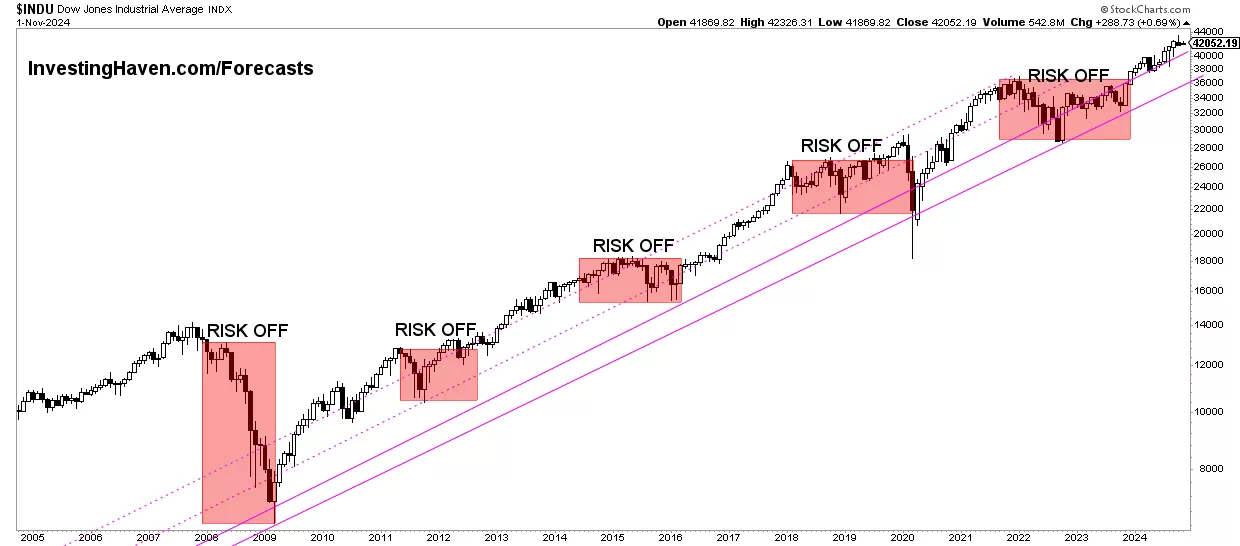
The Dow Jones Industrial Average has survived over a century by evolving. It has transitioned from an index dominated by heavy industry, railroads, and oil to one that reflects a service-oriented, digital, and data-driven economy.
As we look toward the future, the Dow’s composition will likely continue to shift. The committee that manages the index must balance the need for historical continuity with the reality of a changing marketplace. We have already seen the removal of long-standing members like General Electric to make room for modern titans. As artificial intelligence, renewable energy, and biotechnology continue to redefine the global economy, the Dow Jones market will adapt, ensuring that its “30 giants” remain the most relevant symbols of American corporate success.
In conclusion, “the Dow Jones market today” is a living, breathing representation of the global financial system’s upper echelon. It is a tool for the analyst, a benchmark for the professional, and a guide for the individual investor. By understanding its price-weighted nature, its sensitivity to economic policy, and its role as a stable cornerstone in a volatile world, one can navigate the complexities of modern investing with greater clarity and confidence.
aViewFromTheCave is a participant in the Amazon Services LLC Associates Program, an affiliate advertising program designed to provide a means for sites to earn advertising fees by advertising and linking to Amazon.com. Amazon, the Amazon logo, AmazonSupply, and the AmazonSupply logo are trademarks of Amazon.com, Inc. or its affiliates. As an Amazon Associate we earn affiliate commissions from qualifying purchases.