
Investing in the S&P 500 is often cited as the cornerstone of a sound financial strategy. For decades, this index has served as the primary benchmark for the American equity market, representing the performance of 500 of the largest, most successful companies publicly traded in the United States. While individual stock picking requires intense research and carries significant risk, the Exchange-Traded Fund (ETF) provides a streamlined, cost-effective vehicle for anyone to own a piece of the entire index. Understanding how to navigate this investment is essential for both novice investors and seasoned professionals looking to build a resilient portfolio.
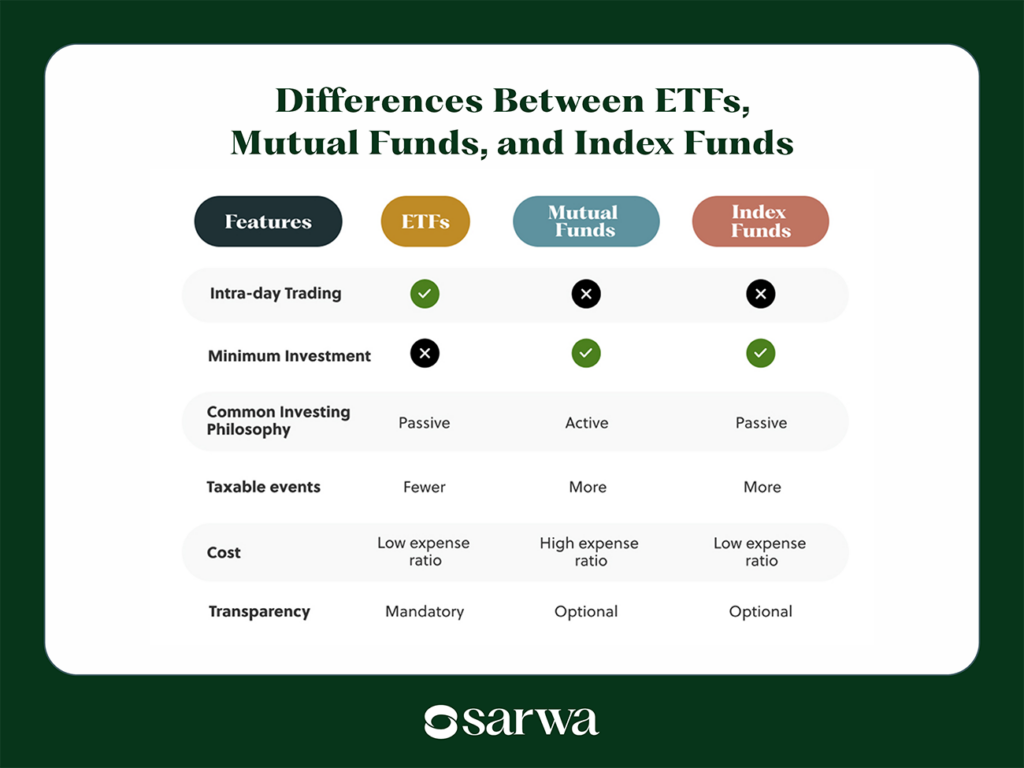
Understanding the S&P 500 Index and the ETF Structure
Before committing capital, it is crucial to understand exactly what you are purchasing. The S&P 500 is a market-capitalization-weighted index. This means that companies with higher market valuations, such as Apple, Microsoft, and Amazon, exert a greater influence on the index’s performance than smaller companies. By investing in an S&P 500 ETF, you are essentially buying a basket of these 500 companies in the exact proportions they hold within the index.
Why Choose an ETF Over Individual Stocks?
The primary advantage of an S&P 500 ETF is instant diversification. To replicate the index manually, an investor would need to purchase fractional shares of 500 different companies, managing 500 different dividend payouts and tracking 500 corporate actions. This is administratively impossible for most individuals. An ETF handles all the rebalancing and administrative tasks internally, allowing you to buy and sell the entire index as a single share on the stock exchange.
Furthermore, ETFs offer significant tax efficiency compared to mutual funds. Because of the way ETF shares are created and redeemed, they typically trigger fewer capital gains distributions, which is a major benefit for those investing in taxable brokerage accounts.
The Power of Compound Growth
Historical data suggests that the S&P 500 has delivered an average annual return of approximately 10% over long periods when dividends are reinvested. While past performance is never a guarantee of future results, the index’s track record demonstrates the resilience of the U.S. economy. By investing in an S&P 500 ETF, you are not betting on a single product or CEO; you are betting on the collective innovation and profitability of the American corporate landscape.
Step-by-Step Guide to Executing Your Investment
Investing in an ETF has become remarkably accessible due to the rise of fintech and the elimination of trading commissions by most major brokerages. The process can be broken down into a few logistical steps.
Choosing the Right Brokerage Account
To buy an ETF, you need a brokerage account. Your choice of platform should depend on your specific financial goals. If you are saving for retirement, a tax-advantaged account like a Roth IRA or a Traditional IRA is often the best choice, as it provides significant tax savings on your gains and dividends. If you want the flexibility to withdraw your money at any time without age restrictions, a standard taxable brokerage account is appropriate.
When selecting a broker, prioritize those that offer zero-commission trades on ETFs and have a user-friendly interface. Established names like Fidelity, Charles Schwab, and Vanguard are industry leaders, but newer platforms like Robinhood or M1 Finance also offer robust tools for ETF investors.
Selecting Your Specific S&P 500 ETF Ticker
While there is only one S&P 500 index, multiple financial institutions offer ETFs that track it. While they all aim to mirror the same index, there are subtle differences in cost and liquidity. The three most prominent tickers are:
-
VOO (Vanguard S&P 500 ETF): Known for its extremely low expense ratio, making it a favorite for long-term “buy and hold” investors.
-
IVV (iShares Core S&P 500 ETF): Offered by BlackRock, this fund also boasts a very low expense ratio and high liquidity.
-
SPY (SPDR S&P 500 ETF Trust): This was the first ETF ever created. It is the most liquid, meaning it has the highest trading volume, which makes it the preferred choice for institutional traders and those using options. However, its expense ratio is slightly higher than VOO or IVV.
Funding and Placing the Trade
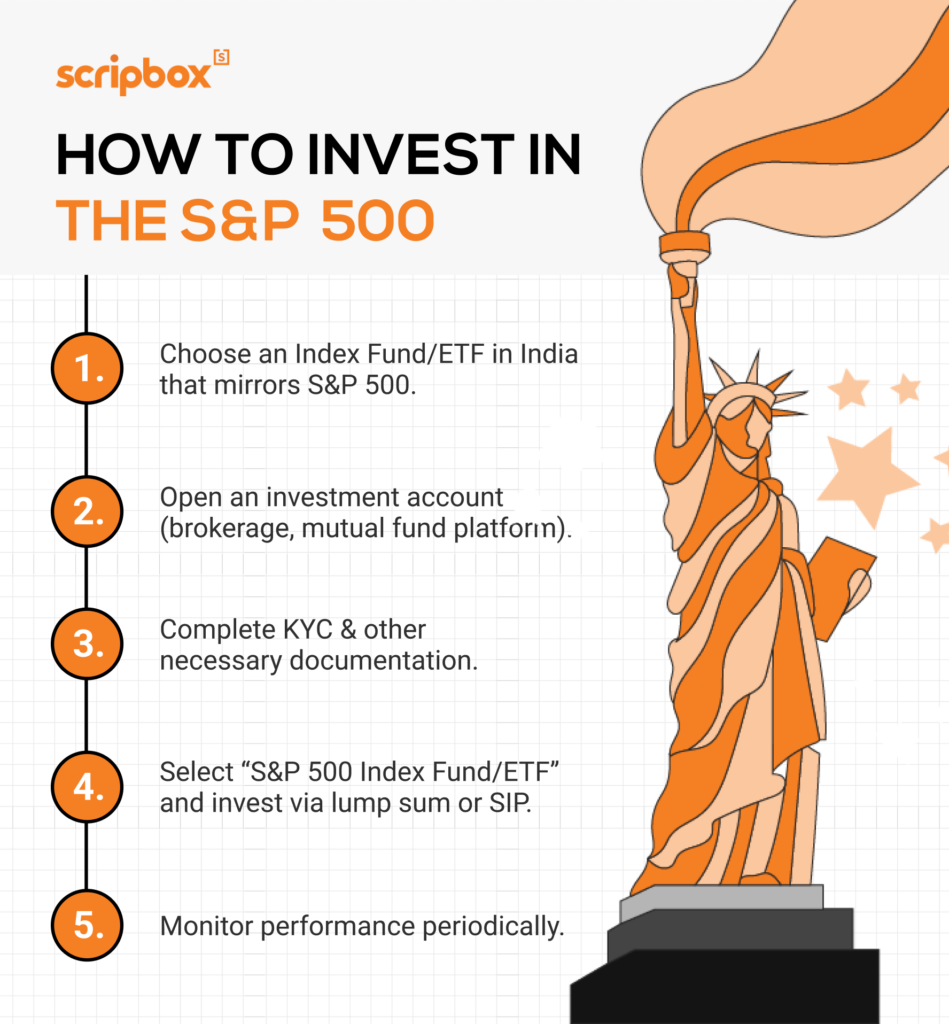
Once your account is open and funded via a bank transfer, you simply search for your chosen ticker (e.g., VOO) on the platform. You will have the option to place a “Market Order” or a “Limit Order.” A market order executes the trade immediately at the current price, while a limit order allows you to specify the maximum price you are willing to pay. For long-term investors, the difference is usually negligible, but a limit order provides more control during periods of high market volatility.
Analyzing Costs, Fees, and Tracking Errors
In the world of investing, what you don’t pay is just as important as what you earn. Because S&P 500 ETFs are passive investments, their costs are generally very low, but they are not zero.
The Significance of the Expense Ratio
The expense ratio is the annual fee charged by the fund manager to cover administrative and operational costs. It is expressed as a percentage of your total investment. For example, an expense ratio of 0.03% means you pay only $3 for every $10,000 invested. Over a 30-year horizon, the difference between a 0.03% expense ratio and a 0.50% expense ratio can amount to tens of thousands of dollars in lost gains due to the erosion of compounding. Always look for the lowest possible expense ratio when choosing between identical index trackers.
Tracking Error and Liquidity
A tracking error occurs when the performance of the ETF deviates slightly from the performance of the actual S&P 500 index. This can happen due to the timing of dividend payments or the costs of rebalancing. High-quality ETFs from major providers like Vanguard or BlackRock have near-zero tracking errors.
Liquidity is another factor. If you are a retail investor buying and holding for years, liquidity is rarely an issue. However, high liquidity ensures that the “bid-ask spread”—the difference between what buyers are offering and what sellers are asking—remains narrow, ensuring you get a fair price when you eventually decide to sell.
Dividend Reinvestment (DRIP)
The S&P 500 is comprised of many companies that pay regular dividends. When you own an ETF, these dividends are collected by the fund and distributed to you, usually on a quarterly basis. To maximize your wealth, you should enable a Dividend Reinvestment Plan (DRIP). This automatically uses your dividend payments to purchase more fractional shares of the ETF, allowing your investment to grow exponentially over time.
Strategic Approaches to Managing Your Investment
Simply buying an S&P 500 ETF is a great start, but how you manage that investment over time will determine your ultimate success.
Dollar-Cost Averaging vs. Lump Sum
One of the most debated topics is whether to invest all your money at once (Lump Sum) or spread it out over several months (Dollar-Cost Averaging or DCA). While lump-sum investing mathematically wins about two-thirds of the time because the market tends to go up, DCA is a superior psychological strategy for many. By investing a fixed amount every month regardless of the market price, you buy more shares when prices are low and fewer when prices are high. This removes the emotional stress of trying to “time the market.”
Maintaining a Long-Term Perspective
The S&P 500 is volatile. It is not uncommon for the index to experience “corrections” (a 10% drop) or “bear markets” (a 20% or more drop). The key to successful S&P 500 investing is time in the market, not timing the market. Historically, investors who stayed the course through downturns were rewarded as the market eventually reached new highs. Successful investing in an S&P 500 ETF requires the discipline to ignore short-term headlines and focus on a 10, 20, or 30-year horizon.
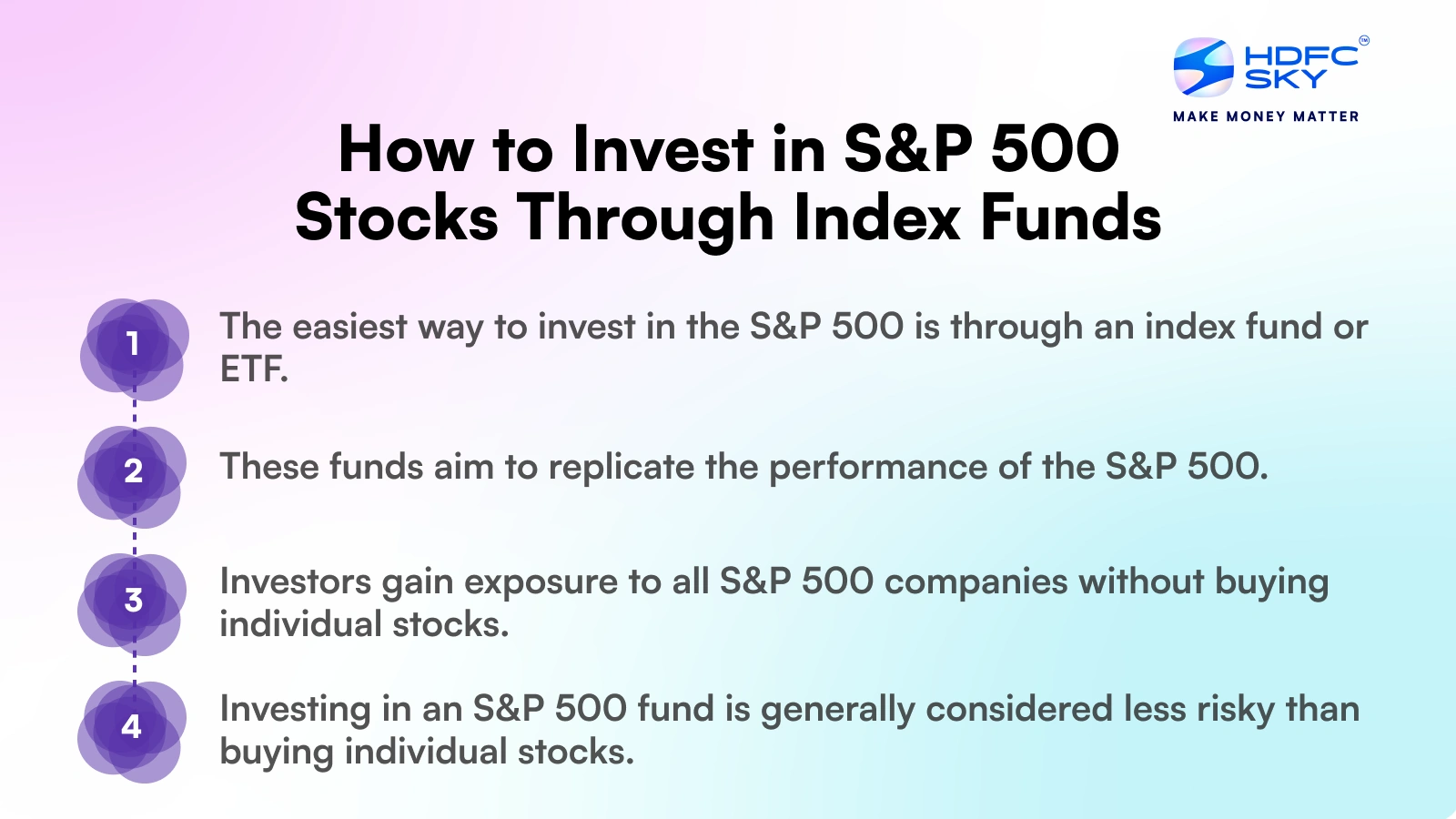
Portfolio Rebalancing and Risk Tolerance
While the S&P 500 is an excellent core holding, it should be viewed in the context of your overall risk tolerance. Because it is 100% equities, it can be a bumpy ride. As you approach retirement or your specific financial goal, you may want to diversify into bonds or international ETFs to reduce volatility. However, for those in the wealth-accumulation phase of their lives, the S&P 500 ETF remains one of the most powerful tools ever created for the individual investor.
By choosing a low-cost ETF, automating your contributions, and reinvesting your dividends, you are utilizing the same strategies used by the world’s most successful institutional investors. The S&P 500 ETF is more than just a financial product; it is a gateway to participating in the growth and productivity of the global economy.
aViewFromTheCave is a participant in the Amazon Services LLC Associates Program, an affiliate advertising program designed to provide a means for sites to earn advertising fees by advertising and linking to Amazon.com. Amazon, the Amazon logo, AmazonSupply, and the AmazonSupply logo are trademarks of Amazon.com, Inc. or its affiliates. As an Amazon Associate we earn affiliate commissions from qualifying purchases.