
In the current economic climate, the question “What is the interest rate now?” is more than a simple query—it is a vital assessment of one’s financial health and future purchasing power. For the average consumer, business owner, and investor, interest rates represent the “cost of money.” Whether you are looking to buy a home, expand a startup, or find a safe place to park your savings, the prevailing interest rate environment dictates the feasibility of your financial goals.
As we navigate through a period of historic shifts in monetary policy, understanding where rates stand, why they are there, and how they affect different sectors of the economy is essential for anyone looking to maintain financial stability.
1. The Pulse of the Economy: Understanding Central Bank Policies
To answer what the interest rate is today, we must first look at the Federal Reserve (in the United States) or the respective central banks globally. The most influential rate in the world is the Federal Funds Rate. This is the interest rate at which commercial banks borrow and lend their excess reserves to each other overnight. While it may seem like a “bank-to-bank” metric, it serves as the foundation upon which almost all other consumer and business rates are built.
The Role of Inflation and the Mandate of the Fed
The Federal Reserve operates under a “dual mandate”: to promote maximum employment and maintain stable prices. In recent years, the primary focus has shifted heavily toward the latter. When inflation spiked to forty-year highs following the pandemic-induced supply chain disruptions and fiscal stimulus, the Fed responded by aggressively raising the federal funds rate. Currently, we are in a “restrictive” territory, where rates have been held at their highest levels in over two decades to ensure that inflation returns to the target 2% goal.
The “Higher for Longer” Narrative
For much of the past year, the prevailing sentiment among economists has been “higher for longer.” This means that even if the central bank stops raising rates, they may not rush to cut them. For the personal finance landscape, this implies that the days of 3% mortgages and near-zero interest on savings accounts are likely behind us for the foreseeable future. Understanding this shift is crucial for long-term financial planning, as it changes the math on everything from retirement withdrawals to corporate debt restructuring.
2. Impact on Borrowing: The Rising Cost of Debt
When interest rates rise, borrowing money becomes more expensive. This is a deliberate move by central banks to cool down an overheating economy. However, for the individual consumer, it requires a strategic pivot in how debt is managed.
The New Reality of the Mortgage Market
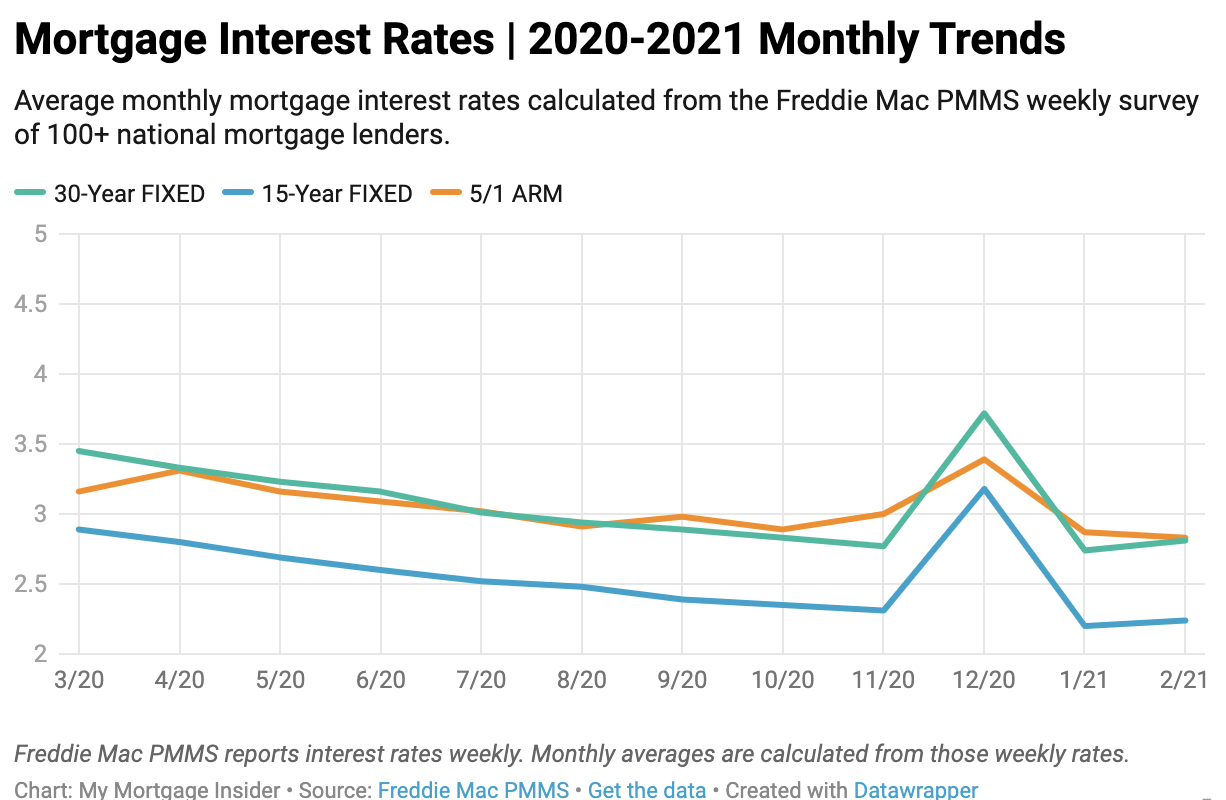
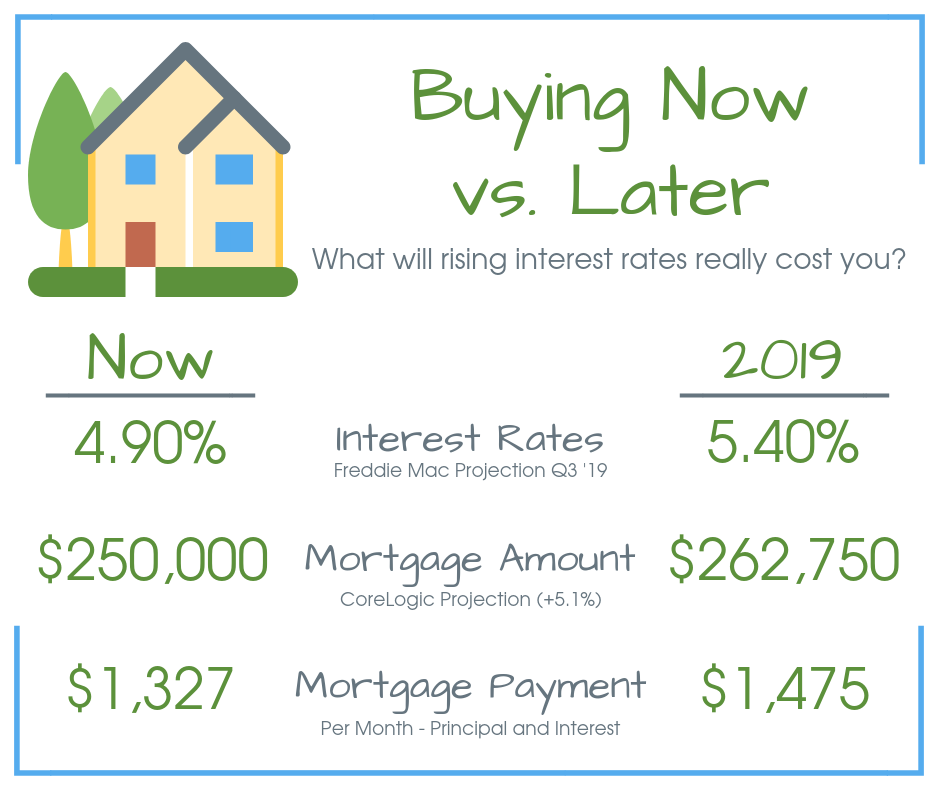
Perhaps the most visible impact of current interest rates is in the housing market. For over a decade, homeowners enjoyed historically low mortgage rates. Today, the 30-year fixed-rate mortgage has hovered in a range that significantly reduces the “purchasing power” of the average buyer. A home that was affordable at a 3% interest rate may become unattainable at 7%, as the monthly interest payment can nearly double. This has led to a “lock-in effect,” where current homeowners are reluctant to sell and lose their low rates, thereby tightening housing inventory and keeping prices elevated despite higher borrowing costs.
Credit Cards and Variable Interest Rates
Most credit cards carry variable Annual Percentage Rates (APRs) that are directly tied to the prime rate, which moves in tandem with the Fed’s decisions. As the federal funds rate climbed, credit card APRs followed suit, often reaching 20% to 25% or higher. For individuals carrying a balance, the cost of servicing that debt has skyrocketed. In this environment, the financial priority for any household must be the aggressive repayment of high-interest revolving debt, as the compounding interest can quickly outpace any gains made in investment portfolios.
Auto Loans and Personal Lending
The era of “0% financing” on new vehicles has largely vanished. Auto lenders have tightened their criteria and increased their rates, making the total cost of ownership for a vehicle significantly higher. Similarly, personal loans and lines of credit have seen upward adjustments, requiring consumers to be more discerning about taking on new liabilities for discretionary spending.
3. The Silver Lining: Maximizing Returns on Savings and Fixed Income
While high interest rates are a burden for borrowers, they are a boon for savers and conservative investors. For the first time in nearly twenty years, “cash” is no longer a “trash” asset class.
The Resurgence of High-Yield Savings Accounts (HYSAs)
During the low-rate era, traditional savings accounts offered negligible returns, often as low as 0.01%. Today, online banks and credit unions are offering High-Yield Savings Accounts with rates exceeding 4% or 5%. For an emergency fund or short-term savings, these accounts provide a safe, liquid way to outpace—or at least keep up with—inflation. Navigating the current rate environment means being proactive; if your money is still sitting in a big-box retail bank earning near-zero interest, you are effectively losing money every day.
Certificates of Deposit (CDs) and Treasury Bills
For those who do not need immediate access to their funds, Certificates of Deposit (CDs) and U.S. Treasury Bills have become highly attractive. Lock-in periods of six months to two years are currently offering some of the best risk-adjusted returns available. Investors are utilizing “CD ladders”—staggering the maturity dates of different certificates—to ensure they have regular access to cash while still capturing the high prevailing yields.
The Impact on the Bond Market
Bond prices and interest rates have an inverse relationship: when rates go up, the value of existing bonds goes down. However, for new investors, the “yield to maturity” on newly issued corporate and government bonds is more attractive than it has been in decades. This has led to a revitalization of the “60/40” portfolio (60% stocks, 40% bonds), as the fixed-income portion can finally provide meaningful income and a cushion against stock market volatility.
4. Business Finance: Strategic Capital Management
For business owners and entrepreneurs, the “interest rate now” determines the hurdle rate for new projects. When the cost of capital is high, businesses must be more disciplined in their spending and more rigorous in their ROI (Return on Investment) calculations.
The Cost of Expansion and Scaling
Small businesses often rely on Small Business Administration (SBA) loans or lines of credit to fund growth. With current rates being significantly higher than they were three years ago, the cost of servicing these loans can eat into profit margins. Business owners are currently focusing on “organic growth”—reinvesting profits rather than taking on external debt—and optimizing operational efficiency to maintain cash flow.
Venture Capital and the Startup Ecosystem
In the “easy money” era of low interest rates, venture capital flowed freely into startups with high growth potential but little to no profit. Today, the landscape has shifted. Investors are now demanding a clear path to profitability. High interest rates mean that investors can get a 5% return on a risk-free government bond; therefore, a risky startup must promise much higher returns to justify the investment. This has led to a “flight to quality” in the business finance world, where only the most robust and fiscally disciplined companies are receiving funding.
5. Looking Ahead: Projections and Financial Positioning
The question of “what is the interest rate now” is inherently tied to “what will the interest rate be tomorrow?” Financial markets are forward-looking, and much of today’s pricing in the stock and bond markets is based on expectations of future central bank moves.
Identifying the “Pivot”
The financial world is obsessed with the “pivot”—the moment when the Federal Reserve begins to lower rates. This typically happens when inflation is firmly under control or when the economy shows signs of a significant slowdown (recession). For a personal finance strategist, the goal is not to time the market perfectly but to be positioned for both scenarios. If rates stay high, focus on high-yield savings and debt reduction. If rates begin to fall, it may be the time to consider refinancing high-interest debt or locking in longer-term fixed-income yields.

Building a Resilient Financial Strategy
Regardless of whether rates move up or down in the next quarter, the principles of sound money management remain constant:
- Maintain Liquidity: Keep your emergency fund in a high-yield environment.
- Minimize High-Interest Debt: Prioritize paying off variable-rate debt that fluctuates with the market.
- Diversify: Ensure your investment portfolio accounts for the “new normal” of higher borrowing costs and higher fixed-income returns.
- Stay Informed: Monitor the Consumer Price Index (CPI) and Fed announcements, as these are the primary drivers of the rates that affect your wallet.
In conclusion, while the current interest rate environment presents challenges for borrowers and home-seekers, it offers unprecedented opportunities for savers and disciplined investors. By understanding the mechanics of how these rates are set and their ripple effects across the economy, you can move from a position of reaction to a position of strategic advantage, ensuring that your personal finances remain robust no matter which way the economic winds blow.
aViewFromTheCave is a participant in the Amazon Services LLC Associates Program, an affiliate advertising program designed to provide a means for sites to earn advertising fees by advertising and linking to Amazon.com. Amazon, the Amazon logo, AmazonSupply, and the AmazonSupply logo are trademarks of Amazon.com, Inc. or its affiliates. As an Amazon Associate we earn affiliate commissions from qualifying purchases.