
The S&P 500 is often cited as the single most important barometer for the health of the United States economy and the global equity markets. Comprising 500 of the largest, most successful publicly traded companies in the U.S., this index has become the gold standard for passive investing. For the individual investor, the S&P 500 offers a compelling proposition: the ability to own a slice of corporate America’s most dominant players—from Apple and Microsoft to Amazon and Berkshire Hathaway—through a single, low-cost investment.
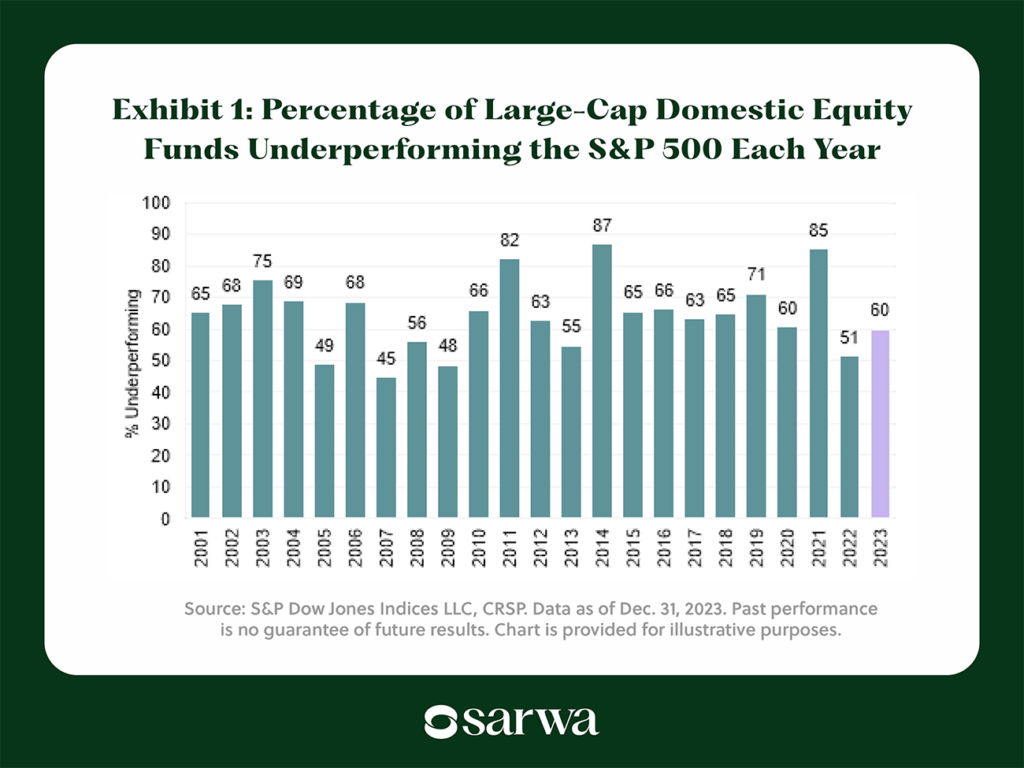
Investing in an S&P 500 index fund is not merely a financial decision; it is a strategic move rooted in the philosophy that the broad market will, over time, outperform the majority of active stock pickers. Whether you are a novice looking to start your wealth-building journey or a seasoned professional seeking a core holding for a diversified portfolio, understanding the mechanics of S&P 500 investing is essential.
Decoding the S&P 500: Why It Is the Cornerstone of Modern Investing
To invest effectively, one must first understand what the S&P 500 actually represents. Unlike the Dow Jones Industrial Average, which is price-weighted, the S&P 500 is a market-capitalization-weighted index. This means that larger companies have a more significant impact on the index’s performance. When you invest in an S&P 500 fund, you are essentially backing the collective intelligence and productive capacity of the American corporate landscape.
The Power of Market-Cap Weighting
In a market-cap-weighted system, the index automatically rebalances as companies grow or shrink. If a technology firm becomes a trillion-dollar entity, its weight in your index fund increases. Conversely, if a legacy manufacturing firm loses relevance and market value, its influence on your portfolio wanes. This “survival of the fittest” mechanism ensures that your investment is always skewed toward the most successful enterprises at any given moment.
Historical Performance and the 10% Rule
Historically, the S&P 500 has delivered an average annual return of approximately 10% over long periods, before adjusting for inflation. While there are years of significant volatility—such as the 2008 financial crisis or the 2020 pandemic crash—the index has a remarkable track record of recovery and reaching new all-time highs. This consistency makes it an ideal vehicle for long-term wealth accumulation through the power of compound interest.
Diversification in a Single Purchase
While 500 companies may sound like a small number compared to the thousands of stocks available, these 500 firms represent approximately 80% of the total market value of the U.S. stock market. By holding an S&P 500 index fund, you gain exposure to every major sector, including technology, healthcare, financials, consumer discretionary, and energy. This inherent diversification reduces the “unsystematic risk” associated with holding individual stocks.
Selecting the Right Investment Vehicle: ETFs vs. Mutual Funds
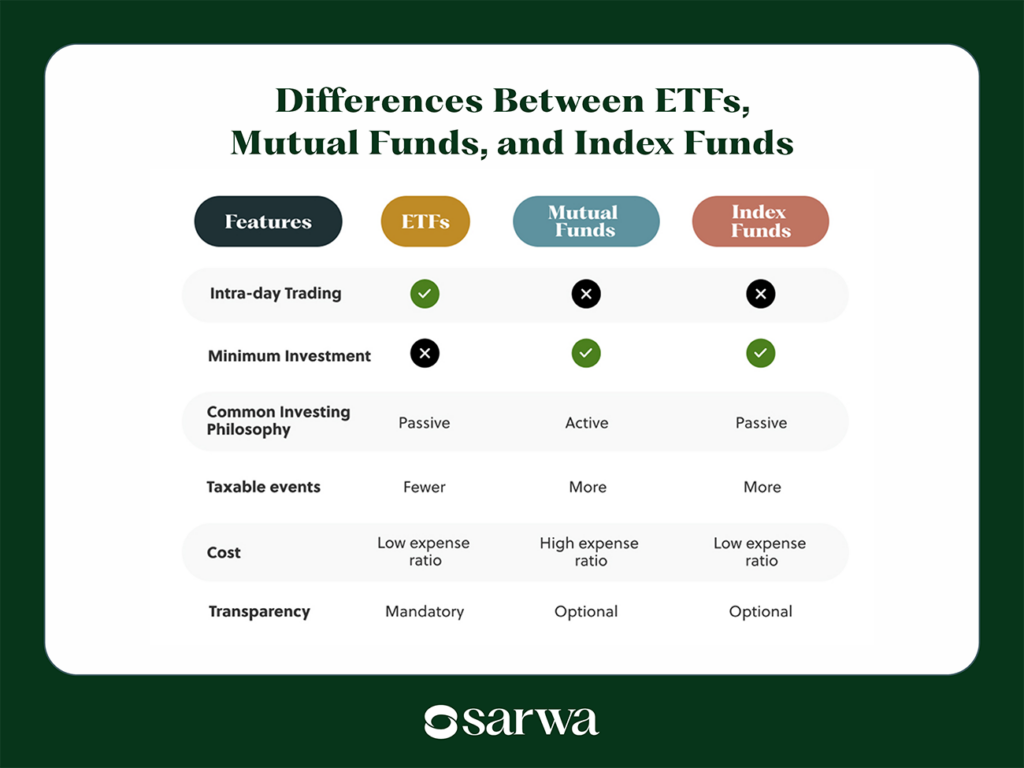
Once you decide to invest in the S&P 500, the next step is choosing how to access it. You cannot “buy” the index itself; instead, you must purchase a fund that tracks it. There are two primary vehicles for this: Exchange-Traded Funds (ETFs) and Index Mutual Funds.
Exchange-Traded Funds (ETFs)
S&P 500 ETFs, such as the SPDR S&P 500 ETF Trust (SPY), the iShares Core S&P 500 ETF (IVV), or the Vanguard S&P 500 ETF (VOO), trade on stock exchanges just like individual shares.
-
Intraday Liquidity: You can buy or sell ETFs at any time during market hours at the current market price.
-
Low Expense Ratios: Because they are passively managed, many S&P 500 ETFs have extremely low fees, often as low as 0.03% annually.
-
Tax Efficiency: Due to their structure, ETFs generally trigger fewer capital gains distributions than mutual funds, making them highly tax-efficient for brokerage accounts.
Index Mutual Funds
Mutual funds, such as the Fidelity 500 Index Fund (FXAIX) or the Vanguard 500 Index Fund Admiral Shares (VFIAX), are priced only once a day at the end of the trading session.
-
Automatic Investing: One of the greatest advantages of mutual funds is the ability to set up automatic recurring investments. You can instruct your brokerage to pull $500 from your bank account every month and buy fractional shares of the fund.
-
No Minimums (Mostly): Many modern brokerages have eliminated the high initial investment requirements for index mutual funds, making them accessible to those starting with small amounts.
-
Simplicity: For investors who want to avoid the temptation of “day trading” their index holdings, the once-a-day pricing of mutual funds provides a psychological barrier against emotional decision-making.
A Step-by-Step Execution Plan for New Investors
Investing in the S&P 500 is a straightforward process, but it requires a few deliberate steps to ensure you are minimizing costs and maximizing efficiency.
Step 1: Choose a Brokerage Platform
The platform you choose will serve as the gateway to your investments. In the modern era, most major brokerages offer commission-free trades for ETFs and their own proprietary index funds.
-
Vanguard: Known for its investor-owned structure and low-cost philosophy.
-
Fidelity: Offers some of the lowest expense ratios in the industry, including “Zero” fee funds.
-
Charles Schwab: Provides a user-friendly interface and excellent customer service with competitive index products.
-
Robo-Advisors: Platforms like Betterment or Wealthfront can automate the process for you, though they typically charge an additional management fee.
Step 2: Open the Right Type of Account
Before buying your fund, you must decide where it will live. The “wrapper” around your investment determines how it is taxed.
-
Tax-Advantaged Accounts (IRA/401k): If you are investing for retirement, these accounts offer significant tax breaks. A Roth IRA, for example, allows your S&P 500 investments to grow and be withdrawn tax-free in retirement.
-
Taxable Brokerage Accounts: If you need flexibility and want to access your money before retirement age, a standard brokerage account is the way to go. You will pay taxes on dividends and realized capital gains, but you can withdraw funds at any time.
Step 3: Search for the Ticker Symbol and Execute
Once your account is funded, use the search bar to find your chosen S&P 500 fund. If you want the Vanguard ETF, you search for “VOO.” If you want the iShares version, look for “IVV.” Enter the amount you wish to invest and select “Market Order” for immediate execution or “Limit Order” if you want to specify a maximum price.
Optimizing Your Strategy: Cost, Consistency, and Compounding
Simply buying an S&P 500 fund is a great start, but optimizing your strategy can lead to significantly higher terminal wealth over several decades.
The Impact of Expense Ratios
While a 0.10% fee might sound small, it can cost you tens of thousands of dollars over a 30-year period compared to a fund with a 0.03% fee. Always check the “Expense Ratio” in the fund’s prospectus. In the world of index investing, you get what you don’t pay for. Every dollar saved in fees is a dollar that remains in your account to compound.
Dollar-Cost Averaging (DCA)
The market does not move in a straight line. Many investors fear “buying at the top.” To mitigate this risk, employ Dollar-Cost Averaging. By investing a fixed amount of money at regular intervals—regardless of whether the market is up or down—you naturally buy more shares when prices are low and fewer shares when prices are high. This removes the need to “time the market,” a feat that even professional hedge fund managers struggle to achieve consistently.
Dividend Reinvestment (DRIP)
The S&P 500 is not just a growth engine; it is also a source of income. The companies within the index regularly pay dividends. To maximize your returns, you should enable the Dividend Reinvestment Plan (DRIP) feature on your brokerage account. This automatically uses your dividend payments to purchase more shares of the fund, accelerating the compounding process. Over long periods, reinvested dividends can account for nearly half of the total returns of the S&P 500.
The Psychological Edge: Navigating Volatility in Index Investing
The technical aspects of investing in the S&P 500 are simple; the psychological aspects are where most investors fail. Because the index is widely reported in the news, you will be bombarded with headlines about market crashes and economic downturns.
Staying the Course During Downturns
The S&P 500 has survived world wars, inflationary periods, recessions, and global pandemics. In every instance, the index has eventually recovered and surpassed its previous highs. The greatest risk to an S&P 500 investor is not a market crash, but their own reaction to it. Selling during a downturn “locks in” losses and often causes the investor to miss the subsequent recovery, which is where the most significant gains usually occur.
Understanding “Tracking Error” and Concentration Risk
While the S&P 500 is diversified, it is currently heavily weighted toward the technology sector. Investors should be aware that the performance of a few massive tech companies can disproportionately affect the entire index. Furthermore, ensure your fund has a low “tracking error,” which is the difference between the fund’s performance and the actual index. High-quality funds from major providers typically have negligible tracking errors.
The Long-Term Horizon
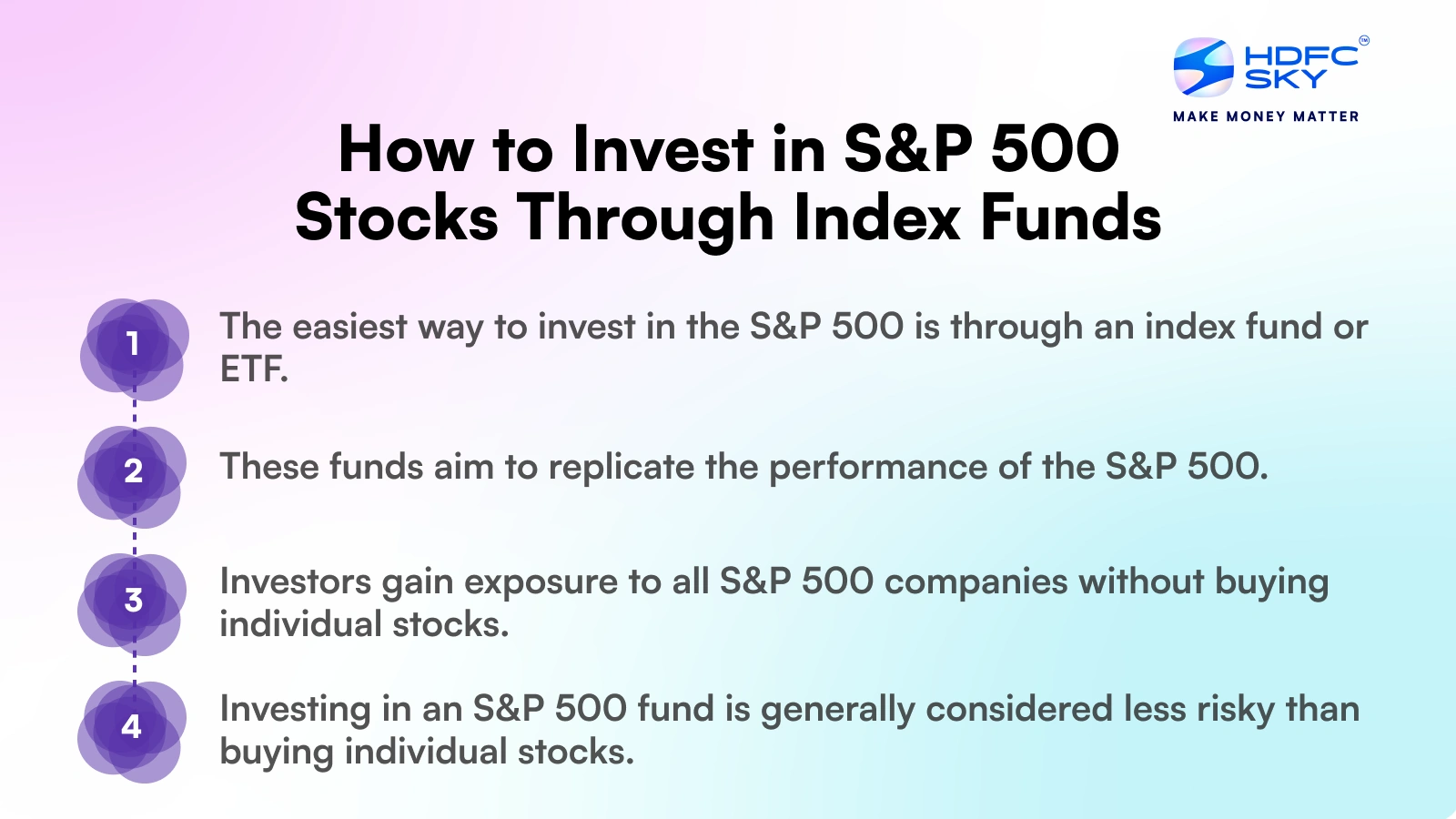
The S&P 500 index fund is best viewed as a 10, 20, or 30-year commitment. Short-term fluctuations are noise; long-term growth is the signal. By focusing on your savings rate, keeping your costs low, and remaining disciplined through market cycles, you harness the full power of the most successful economic engine in history. Investing in the S&P 500 is not a “get rich quick” scheme; it is a “get wealthy for sure” strategy for those with the patience to see it through.
aViewFromTheCave is a participant in the Amazon Services LLC Associates Program, an affiliate advertising program designed to provide a means for sites to earn advertising fees by advertising and linking to Amazon.com. Amazon, the Amazon logo, AmazonSupply, and the AmazonSupply logo are trademarks of Amazon.com, Inc. or its affiliates. As an Amazon Associate we earn affiliate commissions from qualifying purchases.