
The Standard & Poor’s 500, commonly known as the S&P 500, is often cited as the definitive barometer of the United States economy. Comprising 500 of the largest publicly traded companies in the U.S., it represents approximately 80% of the available market capitalization. For the individual investor, “buying” the S&P 500 is one of the most effective ways to build long-term wealth while minimizing the risks associated with picking individual stocks. However, because the S&P 500 is a theoretical index and not a direct investment vehicle, you cannot buy it like a single share of a company. Instead, you must use specific financial instruments designed to track its performance.
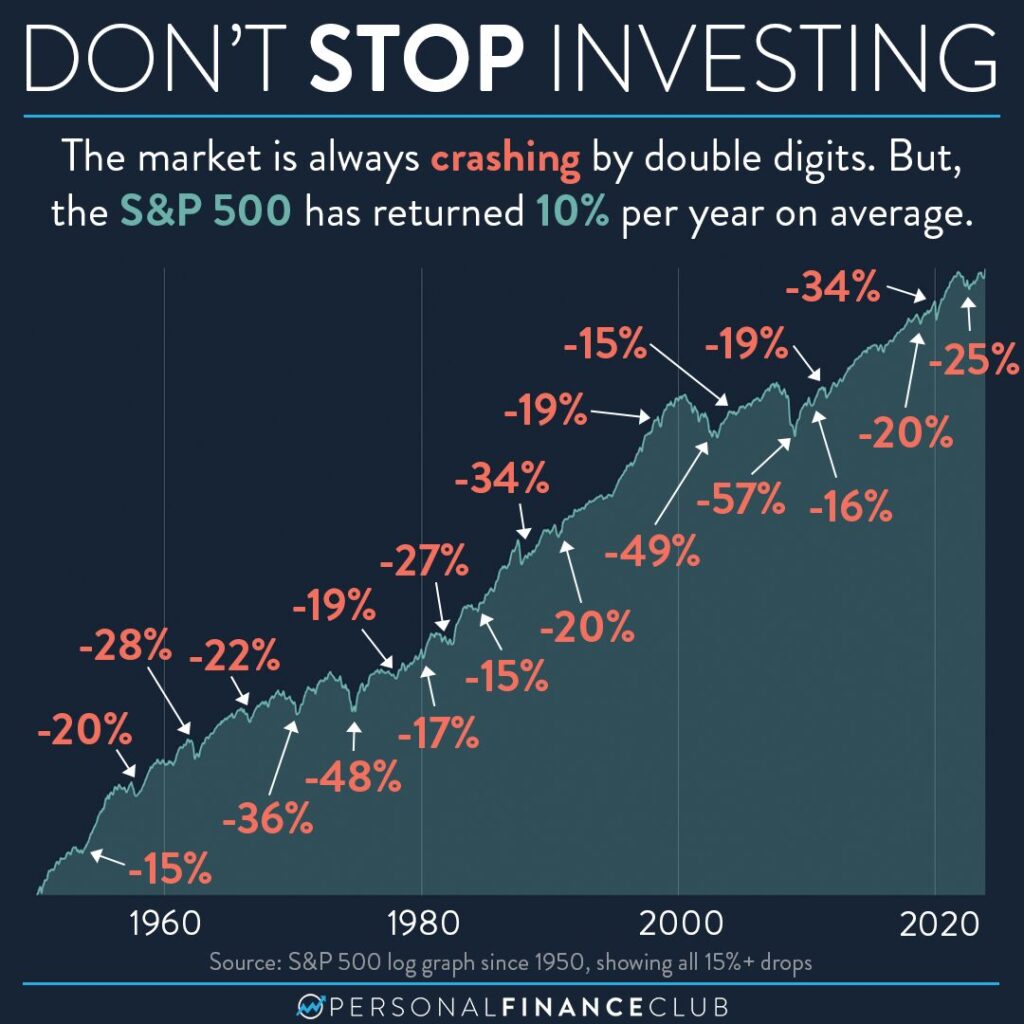
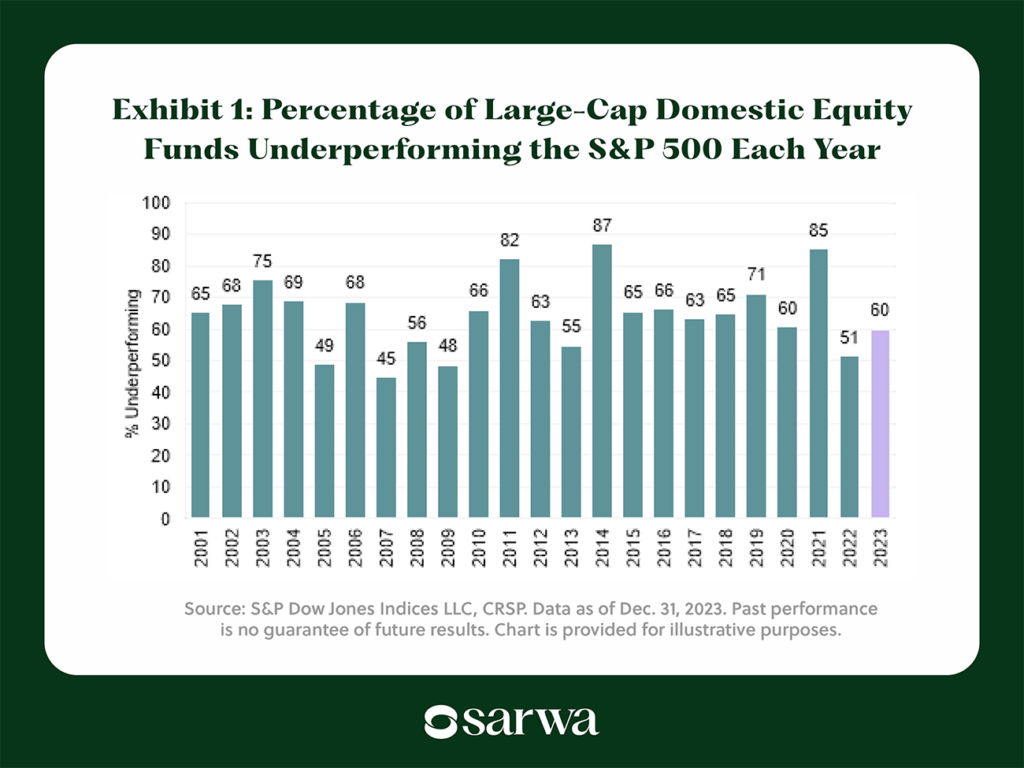
Investing in this index offers a blend of diversification, stability, and historical growth that has outperformed many actively managed funds over the long term. This guide will walk you through the mechanics of how to buy the S&P 500, the tools you need, and the strategies to maximize your returns.
Understanding the S&P 500 and Why It Matters
Before committing capital, it is essential to understand exactly what you are purchasing. The S&P 500 is a float-adjusted market-capitalization-weighted index. This means that companies with higher market values, such as Apple, Microsoft, and Amazon, have a larger influence on the index’s daily movements than smaller companies within the list.
What is the S&P 500?
Managed by S&P Dow Jones Indices, the index is curated by a committee that selects companies based on specific criteria, including market cap, liquidity, and profitability. Because it spans eleven different sectors—including technology, healthcare, and consumer discretionary—it provides broad exposure to the American corporate landscape. When you invest in an S&P 500 fund, you are essentially betting on the continued growth and innovation of the U.S. economy.
The Power of Passive Diversification
The primary draw of the S&P 500 is diversification. If one company in the index fails or suffers a catastrophic quarter, the impact on your total portfolio is buffered by the other 499 companies. Historical data shows that the S&P 500 has provided an average annual return of approximately 10% before inflation over several decades. While past performance does not guarantee future results, the index’s ability to recover from bear markets and reach new highs is a cornerstone of modern portfolio theory. By choosing the S&P 500, you are adopting a “passive” investment strategy, which generally involves lower fees and less stress than trying to time the market or identify the next “unicorn” startup.
Step-by-Step Guide to Purchasing S&P 500 Funds
Purchasing the S&P 500 is a straightforward process that can be completed in a single afternoon. However, the choices you make during these steps will influence your costs and tax efficiency for years to come.
Choose a Brokerage Account
To buy any market-linked security, you need a brokerage account. In the modern era, investors have a plethora of choices ranging from traditional firms like Charles Schwab and Fidelity to “fintech” apps like Robinhood and Betterment. When choosing a broker, look for “zero-commission” trading on stocks and ETFs, a user-friendly interface, and robust customer support.
You also need to decide on the type of account. A standard taxable brokerage account offers the most flexibility, allowing you to withdraw money at any time. However, if you are investing for the long term, a tax-advantaged account like a Roth IRA or a traditional 401(k) may be more beneficial, as these accounts offer significant tax breaks on dividends and capital gains.
Deciding Between ETFs and Mutual Funds
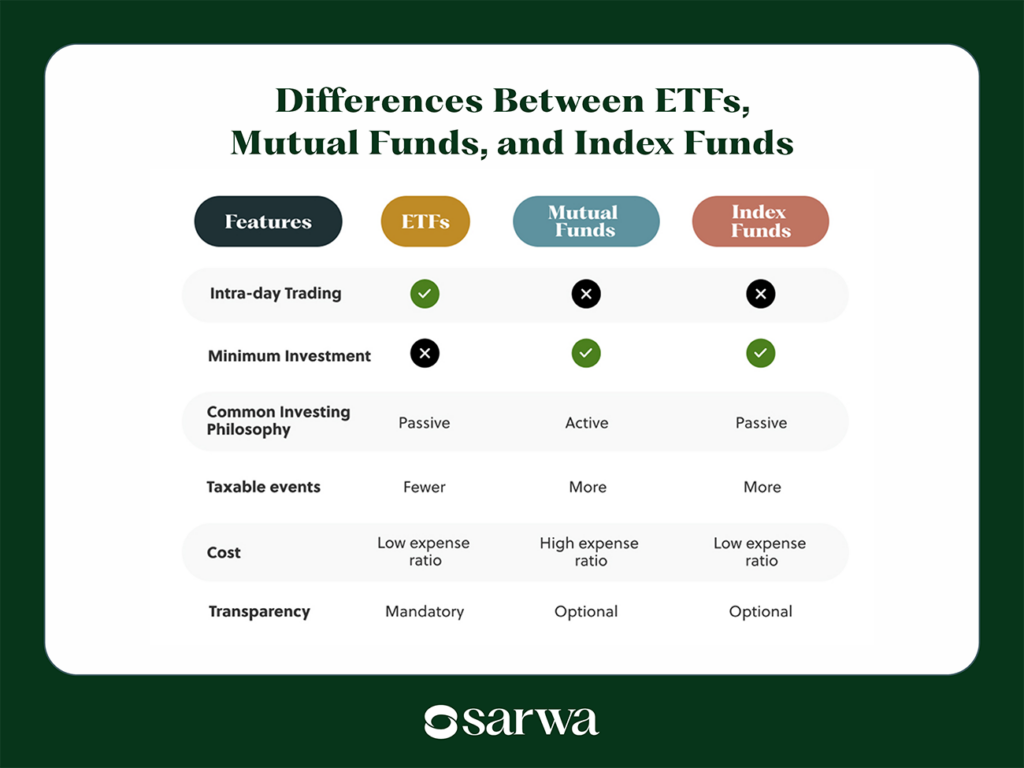
Once your account is funded, you must choose between an Exchange-Traded Fund (ETF) and an Index Mutual Fund. Both are designed to track the S&P 500, but they operate differently.
-
S&P 500 ETFs: These trade on an exchange like a regular stock. You can buy or sell them throughout the trading day at the current market price. Popular examples include the SPDR S&P 500 ETF Trust (SPY), the iShares Core S&P 500 ETF (IVV), and the Vanguard S&P 500 ETF (VOO). ETFs are generally more tax-efficient and have no minimum investment beyond the price of a single share (or even less if your broker offers fractional shares).
-
S&P 500 Index Mutual Funds: These are priced only once at the end of the trading day. They are ideal for investors who want to set up automatic monthly contributions. Notable examples include the Vanguard 500 Index Fund (VFIAX) or the Fidelity 500 Index Fund (FXAIX). Some mutual funds require a minimum initial investment, though many major brokers have lowered these barriers to $0 or $1.
Placing Your Trade
After selecting your fund, you simply enter the ticker symbol (like VOO or FXAIX) into your broker’s “Trade” or “Buy” window. You will specify the number of shares you wish to purchase or the dollar amount you wish to invest. Using a “market order” will execute the trade immediately at the current price, while a “limit order” allows you to set a specific price at which you are willing to buy. For long-term investors, the difference is usually negligible.
Key Factors to Consider Before You Invest
While the S&P 500 is a relatively “set-it-and-forget-it” investment, there are nuances that separate a good investment from a great one. Attention to detail in the beginning can save you thousands of dollars over a thirty-year investment horizon.
Expense Ratios and Management Fees
The expense ratio is the annual fee charged by the fund manager to cover administrative and operating costs. It is expressed as a percentage of your total investment. Because S&P 500 funds are automated and follow a strict index, these fees should be extremely low. For example, VOO and IVV currently have expense ratios of around 0.03%. This means for every $10,000 you invest, you only pay $3 per year in fees. Avoid any S&P 500 fund with an expense ratio higher than 0.10%, as higher fees provide no added benefit for this specific type of index tracking and will eat into your compound interest over time.
Dividend Reinvestment Plans (DRIPs)
Most companies in the S&P 500 pay dividends. As a shareholder of an index fund, you are entitled to your portion of those payments. You can choose to receive these dividends as cash, but for maximum wealth accumulation, you should enroll in a Dividend Reinvestment Plan (DRIP). This automatically uses your dividend payments to purchase more shares of the fund, compounding your growth. Over decades, reinvested dividends can account for a massive portion of your total returns.
Risk Tolerance and Time Horizon
The S&P 500 is an equity investment, meaning it is subject to market volatility. It is not uncommon for the index to drop 10%, 20%, or even 50% during a recession. Before buying, ensure that your time horizon is at least five to ten years. If you need the money for a down payment on a house in two years, the S&P 500 may be too volatile. Professional financial planning suggests that the longer your holding period, the higher the probability of a positive outcome.
Tax Implications and Account Types
Understanding the tax landscape is crucial for maximizing your “net” returns—the money you actually get to keep.
Taxable Brokerage vs. Tax-Advantaged Accounts
In a taxable brokerage account, you will owe taxes on any dividends received during the year, even if you reinvest them. You will also owe capital gains taxes when you eventually sell your shares for a profit. If you hold the investment for more than a year, you qualify for long-term capital gains rates, which are typically lower than standard income tax rates.
In contrast, retirement accounts like a 401(k) or IRA shield you from these immediate taxes. In a Roth IRA, your investments grow tax-free, and qualified withdrawals in retirement are also tax-free. In a Traditional IRA or 401(k), you get a tax deduction now, but you pay income tax on the withdrawals later. For most people, the S&P 500 is a perfect core holding for these tax-advantaged accounts.
Tracking Error and Liquidity
While most major S&P 500 funds do an excellent job of mimicking the index, some may have a slight “tracking error.” This occurs when the fund’s returns deviate slightly from the actual index due to fees or the timing of trades. Furthermore, liquidity—the ease with which you can buy or sell shares without affecting the price—is rarely an issue with S&P 500 funds like SPY, which is one of the most liquid securities in the world. However, if you are a massive institutional investor, these factors become more critical.
Strategies for Long-Term Success
Buying the S&P 500 is the first step; holding it through the ups and downs of the market is the second, more difficult step. To be a successful investor, you must manage your behavior as much as your portfolio.
Dollar-Cost Averaging
Rather than trying to “time” the market and wait for a dip, many professionals recommend dollar-cost averaging (DCA). This involves investing a fixed amount of money at regular intervals (e.g., $500 every month), regardless of the share price. When prices are high, your $500 buys fewer shares; when prices are low, your $500 buys more shares. Over time, this lowers your average cost per share and removes the emotional stress of trying to predict market movements.
Staying the Course Through Market Volatility
The greatest threat to an S&P 500 investor is not a market crash, but their own reaction to it. Panic selling during a downturn locks in losses and prevents you from participating in the eventual recovery. Historically, the S&P 500 has recovered from every single decline it has ever faced. By maintaining a professional, long-term perspective and viewing market corrections as “sales” where you can buy shares at a discount, you position yourself for significant financial success.
In conclusion, buying the S&P 500 is one of the most reliable paths to financial independence. By selecting a low-cost ETF or mutual fund, utilizing tax-advantaged accounts, and committing to a disciplined contribution strategy, you can harness the collective power of the world’s most successful companies to grow your personal wealth.
aViewFromTheCave is a participant in the Amazon Services LLC Associates Program, an affiliate advertising program designed to provide a means for sites to earn advertising fees by advertising and linking to Amazon.com. Amazon, the Amazon logo, AmazonSupply, and the AmazonSupply logo are trademarks of Amazon.com, Inc. or its affiliates. As an Amazon Associate we earn affiliate commissions from qualifying purchases.