
The transition of the stock market from the chaotic, paper-shuffling floors of Wall Street to the sleek, high-speed digital interfaces of the 21st century has fundamentally changed the answer to the question: “Where do you go to invest in stocks?” For the modern investor, “where” is no longer a physical location, but a strategic choice of platform, account type, and financial ecosystem. Whether you are a seasoned professional or a novice making your first contribution, the portal through which you access the equity markets determines your costs, your tools, and ultimately, your long-term success.
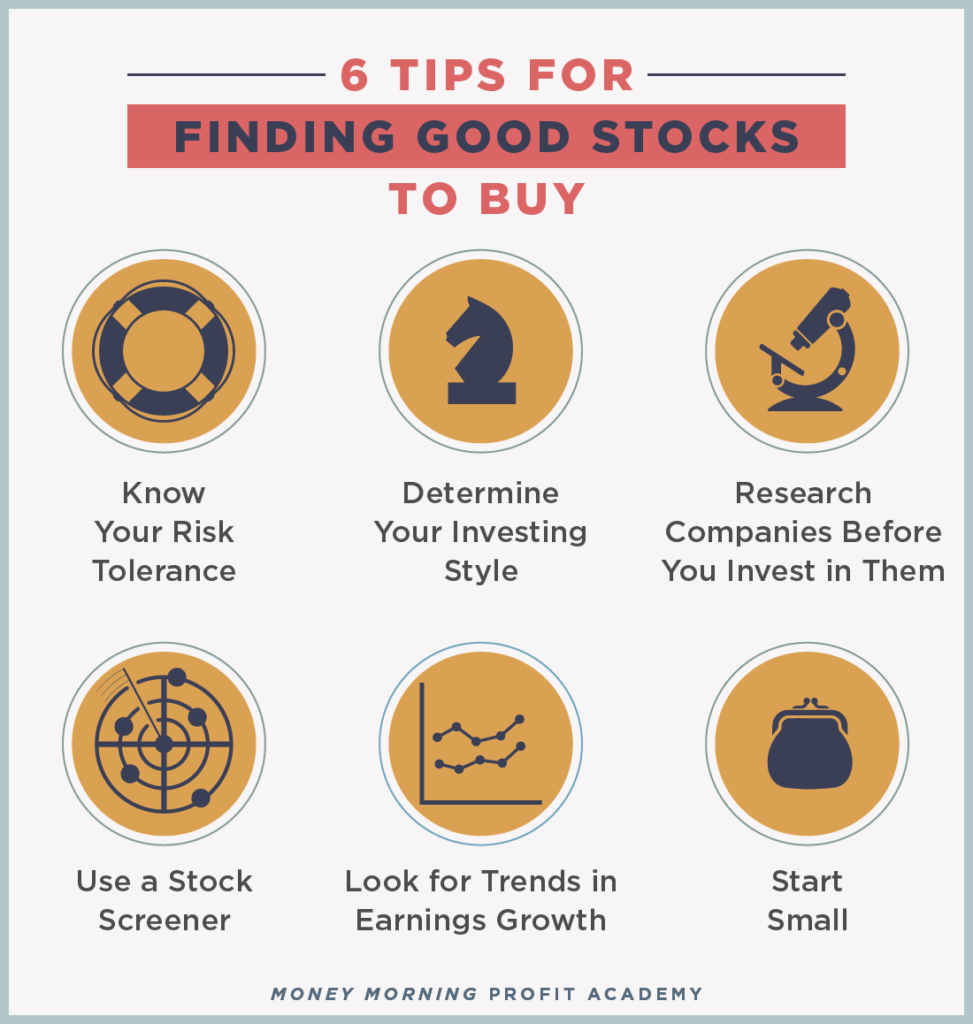
Navigating the Landscape of Modern Brokerage Platforms
The primary destination for any individual looking to buy shares in a company is a brokerage. In the current financial climate, these brokerages are categorized into several distinct tiers, each catering to different psychological profiles and financial needs.
The Rise of Fintech and Commission-Free Trading
In the last decade, a seismic shift occurred with the advent of mobile-first fintech companies. Platforms such as Robinhood and Public disrupted the industry by introducing commission-free trading, a move that forced legacy institutions to follow suit. These platforms are designed for the digital native, prioritizing user experience and minimalist design. They are the ideal starting point for those who want to invest small amounts through fractional shares, allowing you to own a piece of a high-priced company for as little as one dollar. However, while these “apps” are convenient, they often trade comprehensive research tools for ease of use.
Established Institutions and Full-Service Giants
On the other side of the spectrum are the “legacy” giants like Charles Schwab, Fidelity Investments, and Vanguard. These are no longer just places to buy stocks; they are massive financial supermarkets. If you are looking for a place where you can manage your retirement accounts, check your mortgage, and execute complex options trades all under one roof, these are the destinations. They offer robust research platforms, such as Fidelity’s Active Trader Pro or Schwab’s thinkorswim, which provide technical analysis tools that rival professional terminals.
Specialized Trading Platforms for Active Participants
For those whose interest in the stock market leans toward frequent trading or technical analysis, specialized platforms like Interactive Brokers or Tastytrade are the standard. These destinations are built for speed, execution quality, and low-cost access to international markets. Unlike the retail-focused apps, these platforms provide deep “Level 2” market data, showing the bid-ask spread and the order book in real-time.
Choosing the Right Environment for Your Financial Goals
Before deciding on a specific digital destination, an investor must audit their own goals. The “where” is heavily influenced by the “how” and the “why” of your investment strategy.
Full-Service vs. Discount Brokers
A full-service broker provides personalized financial advice, tax planning, and portfolio management. These are typically high-touch environments where you have a dedicated human advisor. This is the destination for high-net-worth individuals who prefer to delegate their decision-making. Conversely, discount brokers (the category most online platforms fall into) offer the tools for you to do it yourself at a fraction of the cost. The trade-off is that you are solely responsible for your investment thesis and risk management.
Robo-Advisors: The Hands-Off Approach
If you want to invest in stocks but have no interest in picking individual companies, the “where” becomes a robo-advisor like Betterment or Wealthfront. These platforms use proprietary algorithms to build a diversified portfolio of exchange-traded funds (ETFs) based on your risk tolerance. They automate the process of rebalancing and tax-loss harvesting. This is an increasingly popular destination for young professionals who value their time over the granular control of a traditional brokerage account.
The Importance of Research and Educational Ecosystems
For many, the best place to invest is wherever they can learn the most. Some platforms invest heavily in educational content, hosting webinars, providing morning market briefings, and offering deep-dive analyst reports from firms like Morningstar or CFRA. When you choose a platform, you are also choosing your primary source of financial information. A platform that provides high-quality, objective data is often more valuable than one that simply offers a slick interface.
Essential Features to Look for in an Investment Platform
The utility of a brokerage is defined by its feature set. As the market becomes more competitive, the differences between platforms often lie in the “extra” tools they provide to help you make informed decisions.
User Interface and Accessibility
An often-overlooked aspect of where you invest is the stability and intuitiveness of the user interface. During periods of extreme market volatility, the last thing an investor needs is a platform that crashes or an interface that makes it difficult to find the “sell” button. Accessibility also refers to the cross-platform experience; can you research on your desktop at night and execute the trade on your phone during a lunch break? The seamless synchronization of data across devices is a hallmark of a top-tier investment destination.
Asset Selection and Diversity
While the title focuses on stocks, a good investment platform should offer a gateway to other asset classes. Investing in stocks in a vacuum is risky. You should look for platforms that allow you to easily pivot into bonds, ETFs, mutual funds, or even precious metals. The ability to diversify within a single login simplifies the tracking of your total net worth and makes rebalancing your portfolio significantly easier.
Customer Support and Human Intervention
In a digital-first world, the value of human support is frequently underestimated until something goes wrong. Whether it is a discrepancy in a dividend payment or a question about a complex corporate action like a stock split, having access to 24/7 phone or chat support is a critical component of a reliable investment destination. The “where” should include a safety net of professional assistance.
Understanding Account Types and Legal Protections
Where you go to invest also involves choosing the right legal “wrapper” for your money. Not all accounts are created equal, and the tax implications can be the difference between a mediocre return and a stellar one.
Taxable Brokerage Accounts vs. Retirement Accounts
Most people begin with a standard taxable brokerage account. Here, you can deposit and withdraw money at will, but you are taxed on capital gains and dividends. However, if your “where” is focused on long-term wealth, you should look into platforms that support IRAs (Individual Retirement Accounts) or Roth IRAs. These accounts are designed for retirement and offer significant tax advantages—either tax-deferred growth or tax-free withdrawals in the future. Many online brokers offer all these options, allowing you to manage your “fun money” and your “retirement money” in separate silos.
Security Measures and Investor Insurance
Safety is the most critical aspect of choosing where to invest. In the United States, you should only invest through platforms that are members of the Securities Investor Protection Corporation (SIPC) and are regulated by the Financial Industry Regulatory Authority (FINRA). The SIPC protects the securities and cash in your brokerage account up to $500,000 should the firm fail. Beyond legal protections, look for platforms that offer multi-factor authentication (MFA) and biometric security to protect your assets from cyber threats.
Practical Steps to Opening Your First Account
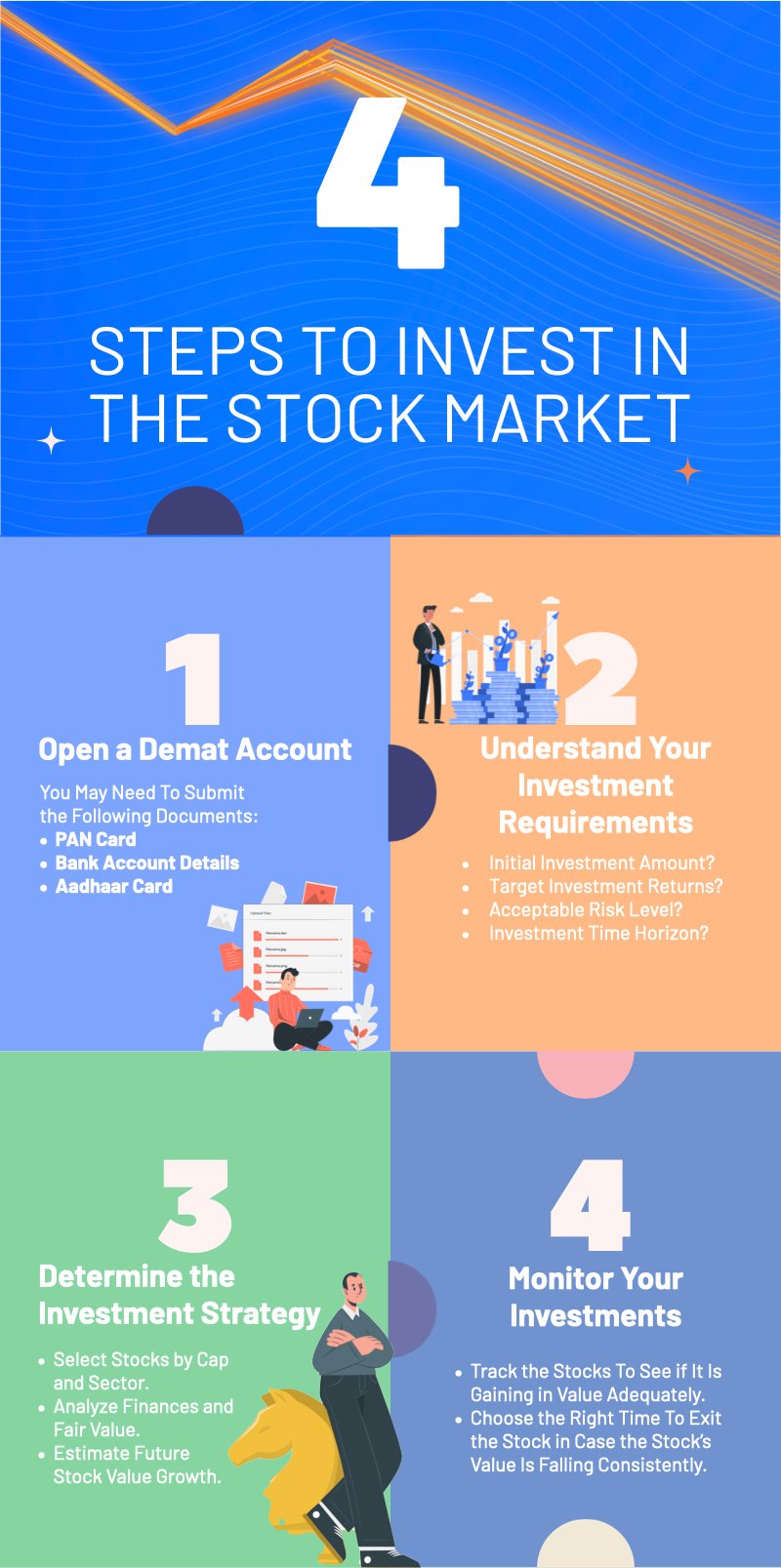
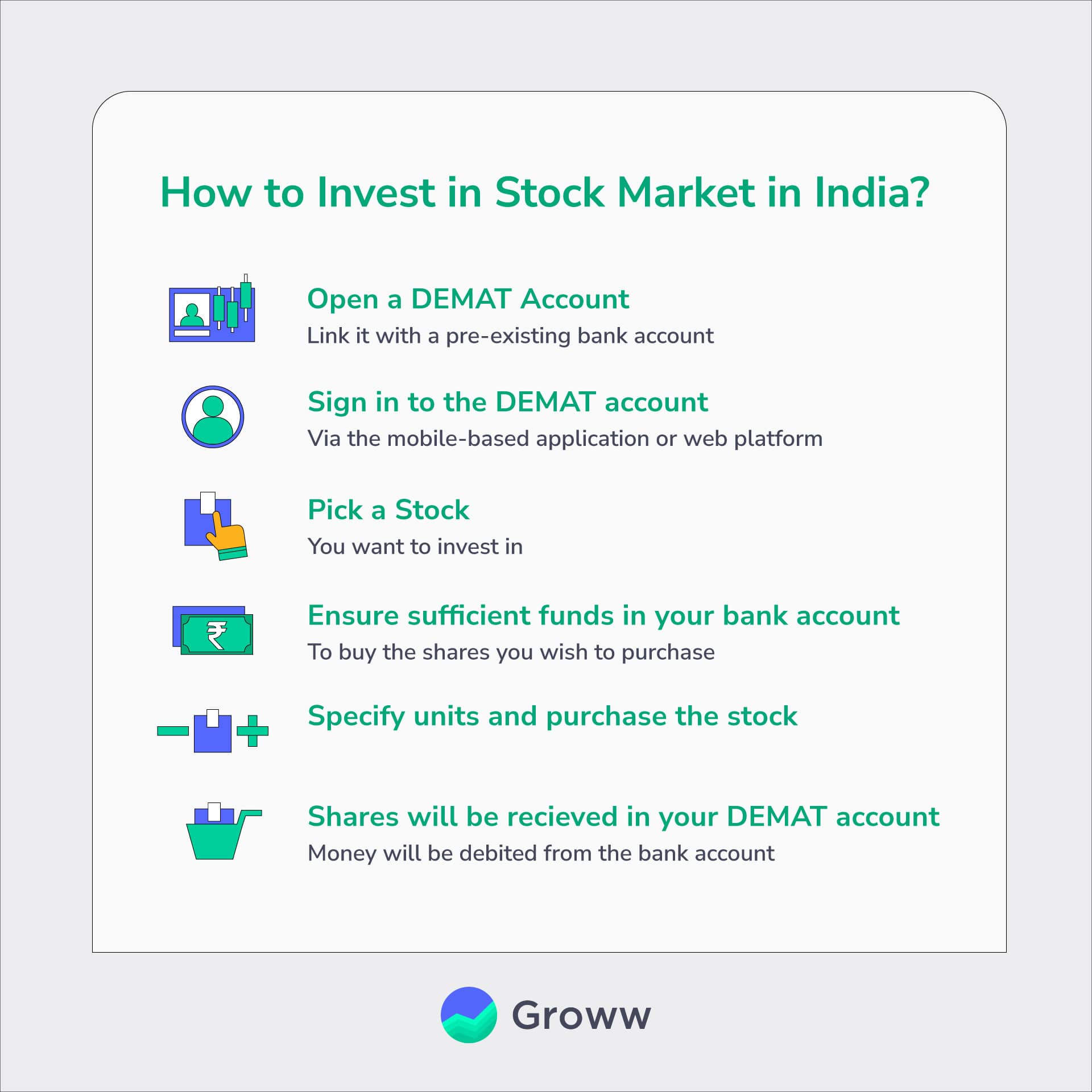
Once you have identified the platform that fits your profile, the process of “going” there is relatively straightforward but requires attention to detail.
Documentation and Verification
To comply with “Know Your Customer” (KYC) and anti-money laundering regulations, any legitimate investment platform will require personal information. This includes your Social Security number, employment information, and proof of identity. The onboarding process is now almost entirely digital, with most platforms able to verify your identity and open your account within minutes.
Funding and Execution
The final step in establishing your investment destination is linking a funding source. Most investors use ACH transfers from a traditional bank account. Once the funds are cleared, the act of “investing” begins with the trade ticket. This is where you specify the ticker symbol, the number of shares, and the order type. Understanding the difference between a “Market Order” (buying at the current price) and a “Limit Order” (buying only at a specific price) is the final hurdle in your journey to the market.
Conclusion
Where you go to invest in stocks is a decision that should be revisited as your wealth and your knowledge grow. For a beginner, the best “where” might be a simple, commission-free app that encourages the habit of consistent saving. For a sophisticated investor, the destination might be a multi-screen terminal with deep liquidity and international market access. Ultimately, the best place to invest is the one that aligns with your risk tolerance, provides the tools you need to stay informed, and offers a secure environment for your capital to grow. In the digital age, the market is always at your fingertips; the challenge is choosing the right gateway to enter it.
aViewFromTheCave is a participant in the Amazon Services LLC Associates Program, an affiliate advertising program designed to provide a means for sites to earn advertising fees by advertising and linking to Amazon.com. Amazon, the Amazon logo, AmazonSupply, and the AmazonSupply logo are trademarks of Amazon.com, Inc. or its affiliates. As an Amazon Associate we earn affiliate commissions from qualifying purchases.