
The transition of the stock market from the chaotic, paper-strewn floors of the New York Stock Exchange to the sleek, digital interfaces of smartphone applications represents one of the most significant democratizations of wealth in modern history. Decades ago, the “where” of stock trading was reserved for high-net-worth individuals who could afford the steep commissions of full-service brokers. Today, the question of where to buy and sell stocks is answered by a diverse ecosystem of digital platforms, each catering to different investor profiles, from the passive long-term saver to the high-frequency day trader.
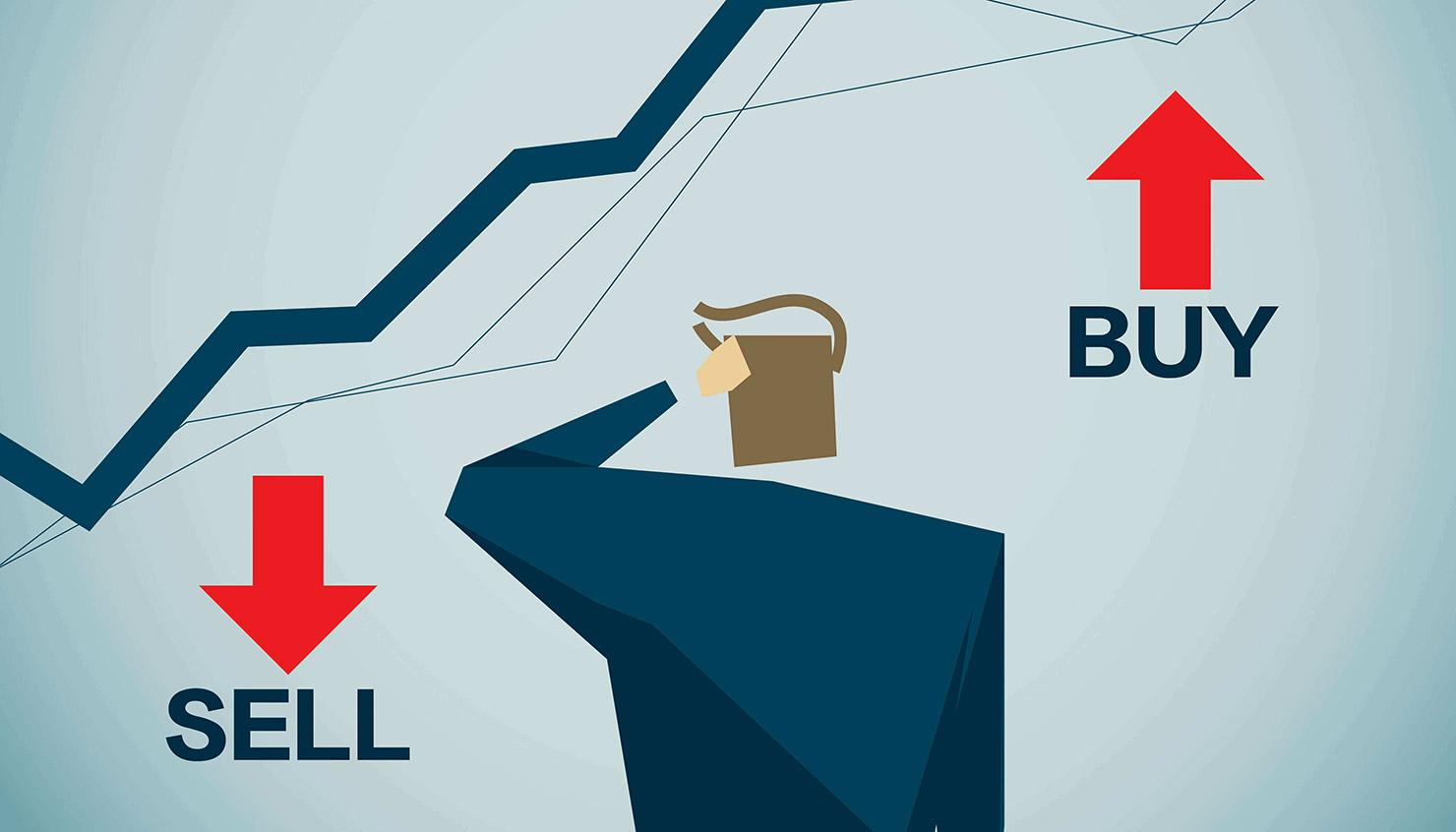
Choosing the right venue for your investment activities is a foundational step in your financial journey. The platform you select dictates your costs, the speed of your executions, the depth of your research, and ultimately, the security of your capital. To navigate this landscape, one must understand the various types of brokerage firms, the specific features they offer, and how to align a platform’s capabilities with your personal financial goals.
Choosing the Right Brokerage: The Foundation of Your Portfolio
Before selecting a specific brand, it is essential to understand the categories of brokerage services available. The industry has bifurcated into several distinct niches, each designed to solve specific problems for different types of investors.
Discount vs. Full-Service Brokers
The primary distinction in the brokerage world used to be between discount and full-service firms. Full-service brokers, such as Morgan Stanley or Merrill Lynch, provide personalized investment advice, tax planning, and estate management in exchange for higher fees or a percentage of assets under management. These are ideal for individuals with complex financial lives who prefer a hands-off approach.
Conversely, discount brokers—which now include most major online platforms—have removed the human intermediary. They provide the tools for you to execute your own trades, usually for zero commission on stocks and ETFs. For the modern self-directed investor, discount brokers are the standard, offering institutional-grade technology to the retail public.
Mobile-First Trading Apps
The last decade saw the rise of the “fintech” disruptor. These platforms are designed primarily for mobile use, emphasizing a clean user interface and an intuitive experience. They stripped away the intimidating jargon and complex charting tools of legacy systems to make the market accessible to everyone. While they are excellent for beginners, more experienced traders often find them lacking in advanced data and execution types.
Desktop-Focused Professional Platforms
For those who treat trading as a serious endeavor or a profession, desktop-based platforms remain the gold standard. These offer multi-monitor support, advanced technical analysis tools, real-time Level II market data, and customizable “hotkeys” for rapid execution. These platforms are often provided by the same firms that offer mobile apps, but the desktop experience is built for power and speed rather than simplicity.
Top Platforms for Modern Investors
Identifying where to buy and sell stocks often comes down to a few industry leaders that have consistently proven their reliability and value proposition.
Fidelity and Charles Schwab: The Giants
Fidelity and Charles Schwab are the titans of the brokerage industry. They offer a “one-stop-shop” experience that is difficult to beat. Both firms have eliminated commissions for online stock and ETF trades and offer robust research from third-party providers like Morningstar and CFRA.
Fidelity is particularly well-regarded for its “zero” index funds, which carry no expense ratios, making it a favorite for long-term retirement savers. Charles Schwab, having recently acquired TD Ameritrade, now offers the legendary Thinkorswim platform, which is widely considered the best software for technical analysis and options trading. These firms provide a level of customer service and physical branch access that newer fintech companies cannot match.
Robinhood and Webull: The Tech-Forward Choice
Robinhood pioneered the zero-commission model and remains the leader in mobile user experience. Its platform is designed to be frictionless, allowing users to buy fractional shares of expensive stocks like Berkshire Hathaway or Amazon with as little as one dollar.
Webull occupies a middle ground. It offers the commission-free structure of Robinhood but includes much more sophisticated charting tools and technical indicators. Webull is often the destination for investors who have outgrown the simplicity of Robinhood but aren’t yet ready for the complexity of a professional-grade desktop workstation.
Interactive Brokers: The Global Powerhouse
Interactive Brokers (IBKR) is the preferred choice for professional traders, institutional investors, and those looking to trade on international exchanges. While many US brokers limit you to North American markets, IBKR provides access to over 150 markets in 33 countries. They are also known for having the lowest margin rates in the industry, which is a critical factor for investors who borrow against their portfolios to increase their buying power.
Key Factors to Consider Before Selecting a Platform
With so many options available, the decision-making process should be guided by a specific set of criteria that impact your bottom line and your user experience.
Fee Structures and Commissions
While “zero-commission” is the industry standard for stocks, fees still exist in other areas. You must look at the “fee schedule” for options contracts, wire transfers, account closures, and paper statements. Additionally, consider Payment for Order Flow (PFOF). Some brokers make money by routing your orders to market makers rather than directly to the exchange. While this allows for commission-free trading, it can sometimes result in slightly less favorable execution prices.
Asset Selection: More Than Just Stocks
A brokerage account should grow with you. Initially, you may only want to buy individual stocks. However, as your strategy evolves, you might want access to Exchange-Traded Funds (ETFs), mutual funds, options, bonds, or even cryptocurrencies. Not all platforms offer all asset classes. For instance, if you are interested in fixed income, you need a broker with a robust bond desk and a wide selection of Treasuries and corporate bonds.
Educational Resources and Research Tools
For the self-directed investor, the quality of information is paramount. Leading brokers provide free access to analyst ratings, earnings call transcripts, and educational webinars. If you are a fundamental investor, look for platforms that provide deep dives into balance sheets and cash flow statements. If you are a technical analyst, prioritize platforms with advanced charting capabilities and back-testing tools.
Security and Regulation
Security is non-negotiable. Ensure that any platform you use is a member of the Securities Investor Protection Corporation (SIPC) and is regulated by the Financial Industry Regulatory Authority (FINRA). SIPC protection covers up to $500,000 (including $250,000 for cash) if the brokerage firm fails. Furthermore, look for features like two-factor authentication (2FA) and biometric login to protect your account from unauthorized access.
The Mechanics of Buying and Selling: How to Execute Your First Trade
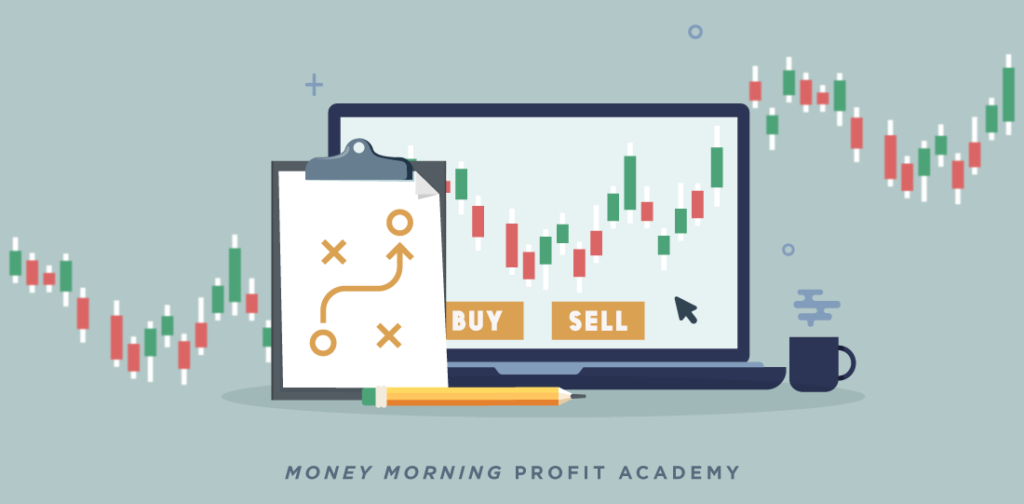
Once you have chosen where to buy and sell stocks, you must understand the mechanics of the transaction itself. Placing a trade is more than just clicking a “buy” button; it involves choosing an order type that reflects your strategy.
Market Orders vs. Limit Orders
A market order instructs the broker to buy or sell a stock immediately at the best available current price. This guarantees execution but does not guarantee the price. In a volatile market, the price could shift significantly between the time you place the order and the time it is filled.
A limit order, however, allows you to set a specific price at which you are willing to buy or sell. For example, if a stock is trading at $105, you can set a limit order to buy only if it hits $100. This gives you control over the price but does not guarantee that the trade will ever be executed. Most professional investors prefer limit orders to avoid the “slippage” associated with market orders.
Settlement Periods and Liquidity
When you sell a stock, the money does not typically become “withdrawable” instantly. The industry standard is “T+1,” meaning the transaction settles one business day after the trade date. Understanding settlement is crucial for managing your liquidity, especially if you plan to use the proceeds from a sale to fund a different purchase immediately.
Tax-Advantaged Accounts vs. Standard Brokerage Accounts
Where you buy stocks also involves the type of account you open. A standard brokerage account is taxable; you owe capital gains taxes on any profits you realize. However, platforms like Fidelity and Schwab also allow you to open Individual Retirement Accounts (IRAs) or Roth IRAs. In these accounts, your investments grow tax-deferred or tax-free, which can result in significantly higher long-term wealth compared to a standard account.
Emerging Trends in Stock Trading Access
The landscape of where we buy and sell stocks continues to shift as technology and regulation evolve.
Fractional Shares and Accessibility
The introduction of fractional shares has been a game-changer for diversification. In the past, if a single share of a company cost $3,000, a small investor couldn’t easily own it. Now, you can buy $10 worth of that stock. This allows for the construction of a diversified portfolio regardless of the absolute dollar amount available to invest, effectively lowering the barrier to entry for the youngest generation of investors.
Automation and Robo-Advisors
Many modern platforms now offer “Robo-Advisors,” which use algorithms to automatically buy and sell stocks (usually via ETFs) based on your risk tolerance. This is a middle ground between a full-service human advisor and a purely self-directed account. It is an excellent option for those who want to benefit from the stock market without the stress of picking individual companies or timing the market.
In conclusion, determining where to buy and sell stocks is a decision that should be tailored to your specific financial needs and technical comfort level. Whether you choose a legacy giant like Fidelity for its comprehensive resources, a fintech app like Robinhood for its ease of use, or a professional tool like Interactive Brokers for its global reach, the modern investor has more power and choice than ever before. By prioritizing low costs, robust security, and the right mix of educational tools, you can build a stable foundation for your financial future.
aViewFromTheCave is a participant in the Amazon Services LLC Associates Program, an affiliate advertising program designed to provide a means for sites to earn advertising fees by advertising and linking to Amazon.com. Amazon, the Amazon logo, AmazonSupply, and the AmazonSupply logo are trademarks of Amazon.com, Inc. or its affiliates. As an Amazon Associate we earn affiliate commissions from qualifying purchases.