
The democratization of the financial markets has transformed the act of buying stocks from an exclusive activity reserved for the wealthy into a standard component of modern personal finance. Decades ago, if you wanted to purchase shares of a company, you had to place a physical phone call to a stockbroker who worked in a high-rise office, paying significant commissions for every transaction. Today, the barrier to entry has virtually vanished. You can become a partial owner of the world’s largest corporations with just a few taps on a smartphone screen.
However, the abundance of choice presents a new challenge: where exactly should you go to begin? Selecting the right platform is more than just a matter of convenience; it influences your costs, the quality of your research, the security of your assets, and your long-term success as an investor. Whether you are looking to build a retirement nest egg or actively trade market volatility, identifying the right gateway to the New York Stock Exchange or the Nasdaq is your first critical investment decision.
The Modern Brokerage Landscape: Choosing Your Gateway
The “where” of buying stocks primarily refers to a brokerage account. Think of a brokerage as a specialized financial institution that acts as an intermediary between you and the stock exchanges. While there are dozens of reputable options, they generally fall into three distinct categories tailored to different levels of expertise and involvement.
Online Discount Brokers
Discount brokers have become the industry standard for the average investor. These platforms, such as Fidelity Investments, Charles Schwab, and Vanguard, offer a robust balance of low costs and high-quality tools. In 2019, most major discount brokers moved to a $0 commission model for online stock and ETF trades, effectively making the cost of entry free.
These institutions are ideal for investors who want a “do-it-yourself” experience but still require deep analytical tools. They provide extensive research reports, real-time data, and comprehensive customer support. Because these are established financial giants, they also offer a wide range of other services, including banking, credit cards, and specialized retirement planning.
Fintech and Mobile-First Apps
The rise of “fintech” brought about platforms like Robinhood, Webull, and Public. These apps were designed specifically for a younger, mobile-centric generation. Their primary appeal lies in their user interface—clean, intuitive, and stripped of the complex jargon that often intimidates newcomers.
One of the most significant contributions of fintech platforms is the popularization of fractional shares. If a single share of a high-priced stock like Berkshire Hathaway or Amazon costs more than you have available, these apps allow you to buy a “slice” of that share for as little as $1. This makes it possible to build a diversified portfolio with very small amounts of capital. While these apps are excellent for accessibility, they sometimes lack the deep fundamental research tools found at traditional discount brokers.
Robo-Advisors
If you are asking where to buy stocks because you want the benefits of the market but do not want to pick individual companies yourself, a robo-advisor is the logical choice. Platforms like Betterment, Wealthfront, or Acorns use algorithms to build and manage a diversified portfolio of stocks (usually through ETFs) based on your risk tolerance and financial goals.
With a robo-advisor, you aren’t manually hitting the “buy” button on specific tickers. Instead, you deposit money, and the software automatically allocates it across the market. This is a “hands-off” approach that automates rebalancing and tax-loss harvesting, though it typically comes with a small annual management fee (usually around 0.25%).
Evaluating Platform Features: What Matters Most
Once you understand the types of brokers available, you must evaluate specific platforms based on their feature sets. Not all “free” trading platforms are created equal, and the hidden value often lies in the utility the platform provides beyond the transaction itself.
Research and Educational Resources
For a beginner, the best place to buy stocks is one that helps you understand why you are buying them. Top-tier brokers provide free access to third-party research from firms like Morningstar, CFRA, or Reuters. They also offer “paper trading” simulators, which allow you to practice buying and selling stocks with virtual money before risking your actual capital. If you are a fundamental investor, look for platforms that offer clear balance sheets, income statements, and earnings call transcripts.
Execution Quality and Order Types
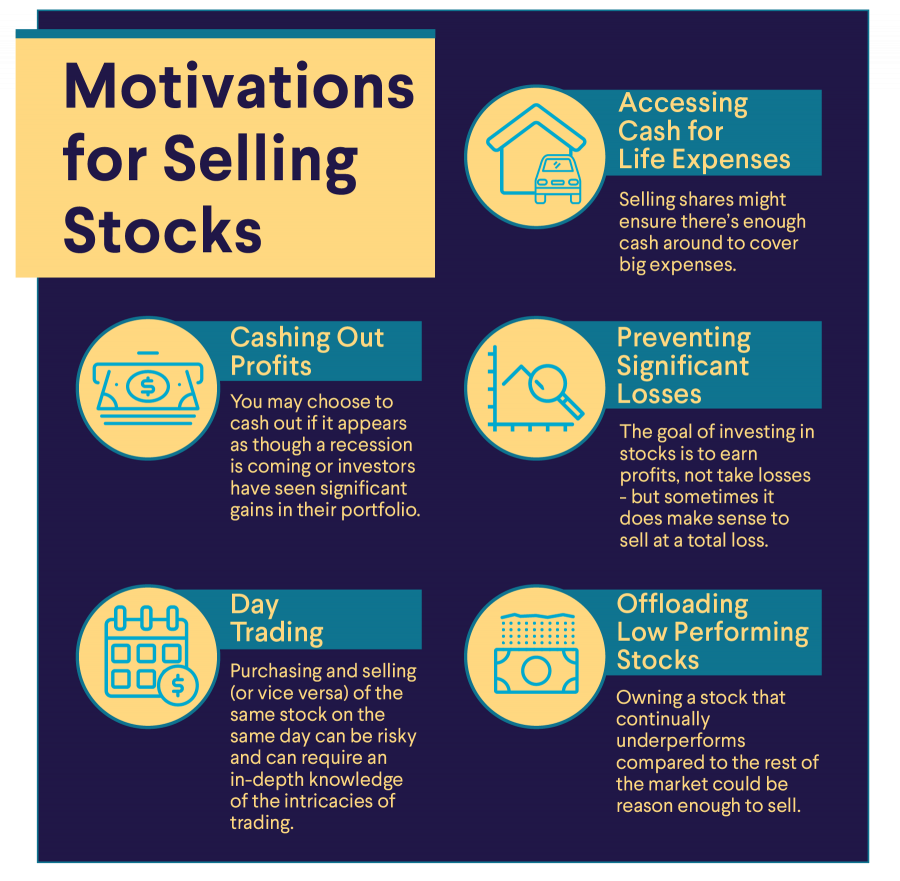
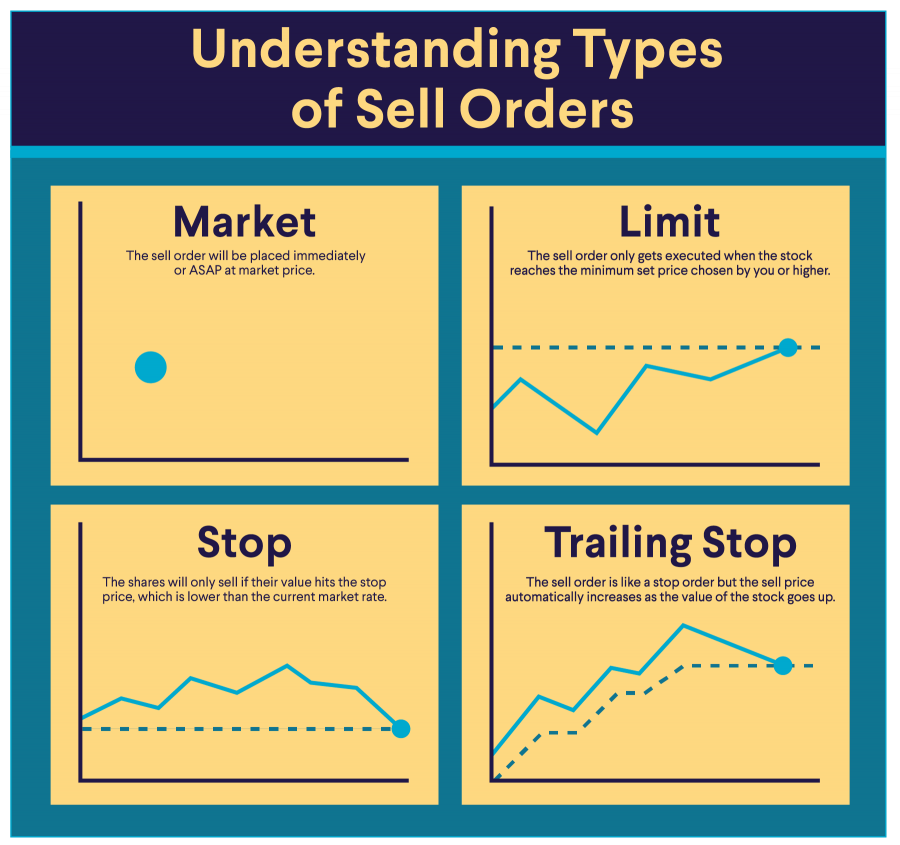
While most brokers offer $0 commissions, they differ in how they execute your trades. Sophisticated traders look for high execution quality—the ability of the broker to find the best possible price for a stock at the moment of the trade. Furthermore, a good platform should offer various order types. Beyond the standard “market order” (buy now at the current price), you should have access to “limit orders” (buy only if the price drops to a specific level) and “stop-loss orders” (sell automatically if the price drops to protect your capital).
Account Security and Insurance
When choosing where to buy stocks, security is non-negotiable. You must ensure that any broker you use is a member of the Securities Investor Protection Corporation (SIPC). SIPC is a non-profit corporation that protects investors if a brokerage firm fails. It covers up to $500,000 (including a $250,000 limit for cash) in your account. Additionally, look for platforms that offer multi-factor authentication (MFA) and have a clean regulatory history with the Financial Industry Regulatory Authority (FINRA).
Understanding Account Types: Where the Money Sits
The “where” of buying stocks also involves choosing the right container for your investments. The type of account you open dictates how you are taxed and when you can withdraw your money.
Individual Taxable Brokerage Accounts
This is the most flexible type of account. There are no limits on how much you can contribute, and you can withdraw your money at any time. However, you are subject to capital gains taxes. If you sell a stock for more than you paid for it, the government takes a percentage of the profit. This is the standard account for “active” trading or saving for short-to-medium-term goals.
Retirement Accounts (IRAs)
If your goal is long-term wealth building, you should consider opening an Individual Retirement Account (IRA) through your chosen broker.
-
Traditional IRA: Contributions are often tax-deductible, meaning you pay no taxes on the money now, but you pay taxes when you withdraw it in retirement.
-
Roth IRA: You contribute after-tax money, but the investments grow entirely tax-free, and withdrawals in retirement are also tax-free.
Most major brokers allow you to buy the same stocks in an IRA that you would in a standard taxable account, but with significant long-term tax advantages.
The Practical Process: From Sign-up to First Trade
Once you have selected a platform (e.g., Fidelity for its research or Robinhood for its ease of use), the physical process of buying a stock is straightforward but requires specific documentation.
Step 1: Opening the Account
Because you are dealing with financial markets, the “Know Your Customer” (KYC) laws require brokers to verify your identity. You will need your Social Security number, a government-issued ID, and your employment information. Most online applications take less than ten minutes to complete.
Step 2: Funding Your Account
After the account is approved, you must move money into it. This is typically done via an ACH transfer from your bank account. Many modern apps offer “instant deposits,” allowing you to trade immediately while your bank transfer is still processing. More traditional brokers may require 1–3 business days for the funds to settle before you can execute a trade.
Step 3: Executing the Purchase
To buy a stock, you enter the company’s “ticker symbol”—a unique one-to-five-letter code (e.g., AAPL for Apple or TSLA for Tesla). You then choose how many shares you want to buy or how many dollars you want to invest. Review your order carefully, ensuring you understand the difference between a market order and a limit order, and click “confirm.” Once the order is filled, you are officially a shareholder.
Long-Term Considerations for the New Investor
Finding where to buy stocks is merely the beginning of a lifelong financial journey. As you navigate the platform you’ve chosen, maintain a perspective focused on risk management and strategic growth.
The Importance of Diversification
The platform you choose will give you the power to buy individual stocks, but it is dangerous to put all your capital into a single company. Most successful investors use their brokerage accounts to buy Index Funds or Exchange-Traded Funds (ETFs). These allow you to buy hundreds of stocks at once, spreading your risk across the entire market. For example, buying an S&P 500 ETF gives you a small piece of the 500 largest companies in the United States.
Avoiding Common Pitfalls
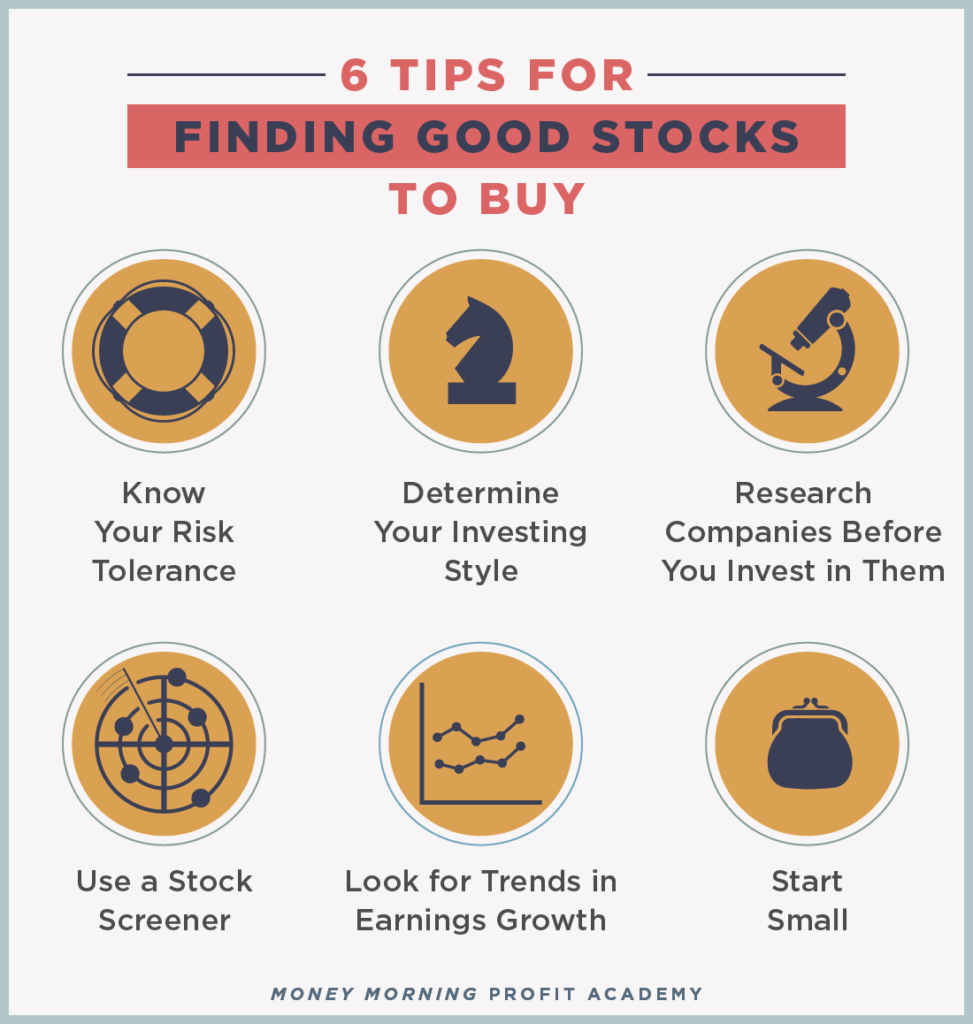
Many new investors, particularly those using high-energy mobile apps, fall into the trap of over-trading. Because it is so easy to buy and sell, the temptation to “time the market” or chase “meme stocks” is high. However, frequent trading often leads to higher tax liabilities and lower long-term returns. The best use of a brokerage platform is as a tool for consistent, disciplined accumulation of assets over years and decades.
Ultimately, the answer to “where do I go to buy stocks” is simpler than ever before. If you want a comprehensive, professional environment, a discount broker like Fidelity or Schwab is your best bet. If you want a streamlined, mobile experience to get your feet wet, a fintech app like Robinhood is an excellent entry point. Regardless of the platform, the key is to start early, stay diversified, and focus on the long-term compounding of your wealth.
aViewFromTheCave is a participant in the Amazon Services LLC Associates Program, an affiliate advertising program designed to provide a means for sites to earn advertising fees by advertising and linking to Amazon.com. Amazon, the Amazon logo, AmazonSupply, and the AmazonSupply logo are trademarks of Amazon.com, Inc. or its affiliates. As an Amazon Associate we earn affiliate commissions from qualifying purchases.