
The world of online transactions is vast and often complex, with numerous methods for moving money from one account to another. Among these, the Automated Clearing House (ACH) network plays a pivotal role, facilitating a significant portion of electronic payments in the United States. When we talk about ACH, two primary types emerge: ACH credit and ACH debit. This article will delve deep into the nuances of ACH debit payments, exploring what they are, how they work, their advantages and disadvantages, and how they fit within the broader landscape of financial technology and brand management.
Understanding the Mechanics of ACH Debit Payments
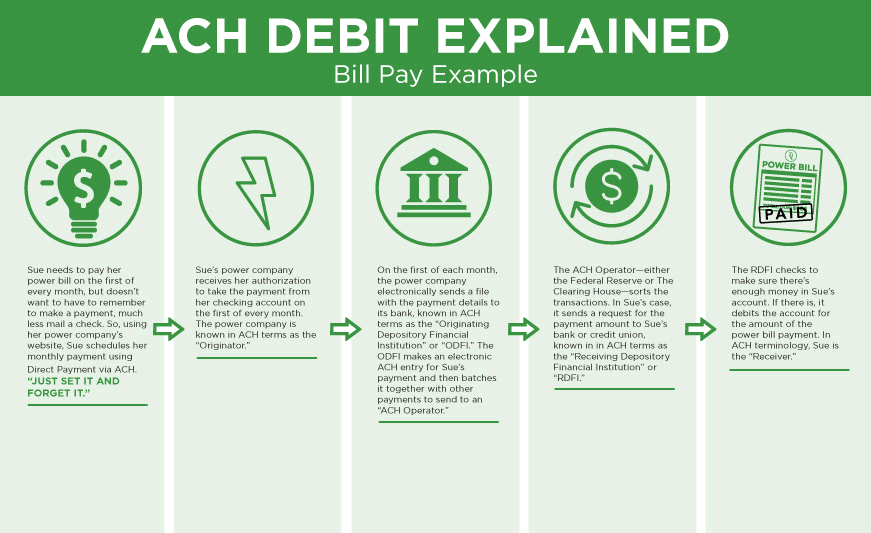
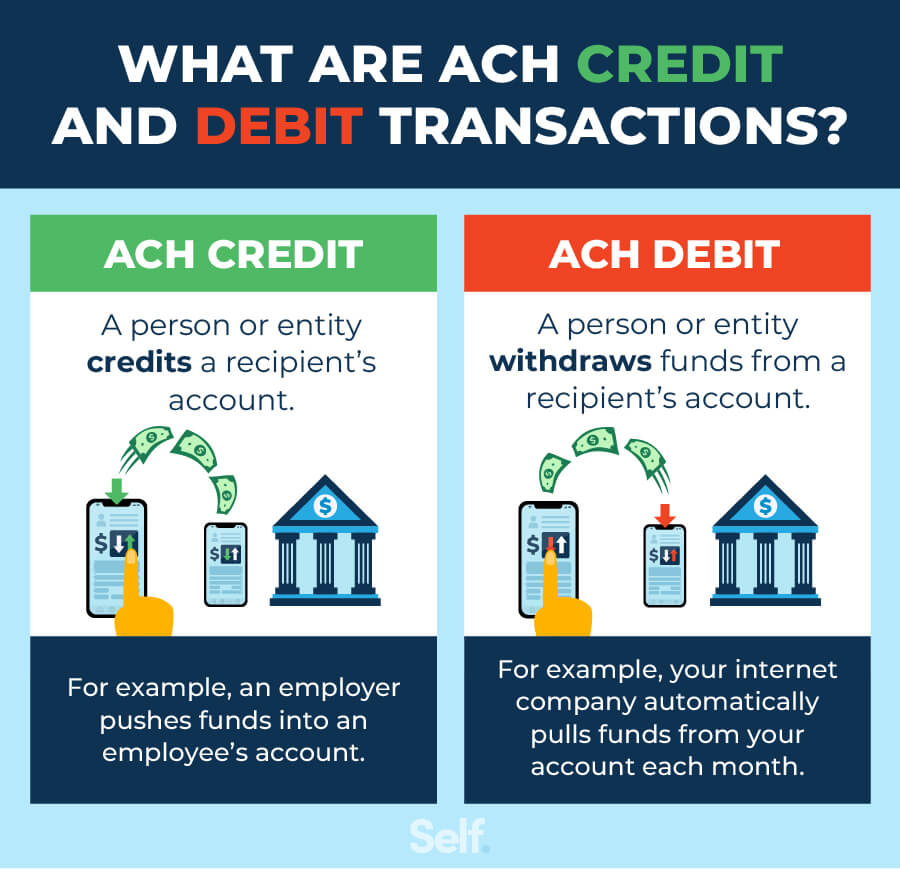
At its core, an ACH debit payment is an electronic transaction where a merchant or business (the Originator) is authorized by an individual or another business (the Receiver) to pull funds directly from the Receiver’s bank account. This is fundamentally different from an ACH credit, where funds are pushed into an account. Think of it as giving permission for someone to withdraw money, rather than them sending you money.
The ACH network, managed by Nacha (formerly the National Automated Clearing House Association), is a robust electronic system that connects virtually all U.S. financial institutions. It operates in batches, meaning transactions are processed at specific times throughout the day, rather than in real-time. This batch processing is a key characteristic that influences the speed and cost of ACH transactions.
How an ACH Debit Transaction Unfolds: A Step-by-Step Breakdown
To truly grasp what an ACH debit payment is, understanding its lifecycle is crucial:
-
Authorization is Key: The absolute first step in any ACH debit is obtaining explicit authorization from the Receiver. This can take various forms, including a signed agreement, an online checkbox confirming consent, or even a verbal agreement that is subsequently documented. Without proper authorization, an ACH debit is illegal and can lead to significant penalties for the Originator. This authorization document should clearly state the amount of the debit, the frequency (one-time, recurring), and the date of the withdrawal.
-
Initiating the Debit: Once authorization is secured, the Originator initiates the ACH debit transaction. This is typically done through their bank or a third-party payment processor that has access to the ACH network. The Originator provides the Receiver’s banking details, including the routing number and account number, along with the amount and desired timing of the debit.
-
Submission to the ODFI: The Originator’s bank, known as the Originating Depository Financial Institution (ODFI), receives the transaction request. The ODFI reviews the request and batches it with other ACH transactions.
-
Processing Through the ACH Network: These batches of transactions are then transmitted to the ACH network operator (e.g., The Clearing House or Federal Reserve). The network operator sorts the transactions and routes them to the appropriate Receiver’s bank, the Receiving Depository Financial Institution (RDFI).
-
Funds Withdrawal and Settlement: Upon receiving the transaction from the ACH network, the RDFI verifies the Receiver’s account and, if sufficient funds are available and the debit is authorized, it debits the Receiver’s account and credits the ODFI’s account. The actual transfer of funds happens through this settlement process.
-
Confirmation and Notification: The RDFI typically notifies the Receiver of the debit, either through a bank statement, online banking alert, or a separate notification. The Originator also receives confirmation of the successful transaction.
Types of ACH Debits: Recurring vs. One-Time
ACH debit payments can be broadly categorized into two main types based on their frequency:
Recurring ACH Debits: The Engine of Subscription Services
This is perhaps the most common and widely recognized application of ACH debit. Recurring ACH debits are set up for regular, scheduled payments. Think of your monthly utility bills, gym memberships, loan payments, or subscription boxes. The authorization granted allows the business to automatically withdraw the agreed-upon amount from your bank account on a predetermined schedule.
- Benefits for Businesses: Predictable cash flow, reduced administrative overhead for billing and collections, lower risk of missed payments.
- Benefits for Consumers: Convenience, avoids late fees, ensures bills are paid on time without manual intervention.
One-Time ACH Debits: For Ad-Hoc Transactions
As the name suggests, one-time ACH debits are for single transactions. This could be for an online purchase where you opt to pay via ACH, a specific service rendered, or a one-off payment to a vendor. While less frequent than recurring debits in the consumer space, they are still a valuable payment option for various business-to-business (B2B) and business-to-consumer (B2C) scenarios.
- Use Cases: Paying for a large purchase, making a down payment, settling an invoice that isn’t part of a recurring agreement.
Advantages of Using ACH Debit Payments
The widespread adoption of ACH debit payments is not without reason. They offer a compelling set of advantages for both businesses and consumers, impacting efficiency, cost, and overall financial management.

For Businesses: Efficiency, Cost Savings, and Predictable Revenue
- Cost-Effectiveness: Compared to credit card processing fees, which can range from 2% to 3.5% or even higher, ACH debit transaction fees are significantly lower. This can lead to substantial savings for businesses, especially those with high transaction volumes. This directly impacts the “Money” aspect of our website’s focus, particularly in “Business Finance” and “Financial Tools.”
- Improved Cash Flow: Recurring ACH debits ensure a steady and predictable stream of income for businesses. This makes financial planning and forecasting much more reliable, reducing the uncertainties associated with manual invoicing and chasing payments. This is a critical element for any business looking to optimize its “Business Finance.”
- Reduced Administrative Burden: Automating payment collection through ACH debit significantly reduces the manual effort involved in invoicing, tracking payments, and following up with customers. This frees up valuable time and resources that can be redirected to core business operations and growth strategies. This aligns with “Productivity” under the “Tech” umbrella.
- Lower Risk of Non-Payment: With proper authorization and recurring debits, the risk of customers defaulting on payments is considerably lower than with other payment methods. This offers peace of mind and greater financial stability.
- Enhanced Customer Experience: For consumers, the convenience of not having to manually make payments each month or for each service is a significant benefit. This can contribute positively to customer loyalty and brand perception.
For Consumers: Convenience, Cost Savings, and Control
- Unmatched Convenience: Setting up recurring ACH debits for bills means forgetting about due dates and manual payments. This convenience is a major driver of adoption, especially for busy individuals and families.
- Avoidance of Late Fees and Penalties: By ensuring payments are made on time, consumers can avoid the costly repercussions of late payments, such as hefty fees and interest charges. This directly contributes to better “Personal Finance” management.
- Potential Cost Savings: While not always directly visible, the lower processing fees for businesses can sometimes translate into slightly lower prices for goods and services for consumers, as businesses pass on some of those savings.
- Direct Control (with Caveats): Consumers have the power to authorize or revoke ACH debits. While the authorization is key, consumers also have rights regarding unauthorized debits, which we will discuss later.
Disadvantages and Considerations of ACH Debit Payments
Despite their numerous advantages, ACH debit payments are not without their drawbacks and potential pitfalls. Understanding these is crucial for both businesses and individuals to make informed decisions.
Potential for Overdrafts and Insufficient Funds
The most significant risk for consumers lies in the possibility of an ACH debit being initiated when there are insufficient funds in their account. This can lead to overdraft fees from their bank, which can be substantial. It is the Receiver’s responsibility to ensure they have adequate funds to cover authorized debits. This underscores the importance of diligent “Personal Finance” tracking.
Processing Times and Batch Processing
As mentioned earlier, ACH transactions are processed in batches. This means that funds may not be available in the Receiver’s account immediately after the debit is initiated. While usually faster than traditional paper checks, it’s not as instantaneous as a credit card transaction. This can be a factor for businesses that require immediate fund availability or for consumers making time-sensitive payments.
Chargebacks and Disputes
While the ACH network has mechanisms for handling disputes, the process can be more complex than with credit card chargebacks. Unauthorized debits can be disputed, and the Receiver has a limited window to file a dispute. If a dispute is upheld, the funds can be returned to the Receiver’s account, but this can cause temporary cash flow issues for the Originator.
Security and Fraud Risks
Like any electronic transaction system, the ACH network is susceptible to fraud and security breaches. Originators must implement robust security measures to protect sensitive banking information, and Receivers should be vigilant about monitoring their bank statements for any unauthorized debits. This is a critical aspect of “Digital Security” as outlined in our website’s themes.
ACH Debit Payments in the Broader Context of Tech and Brand
The prevalence of ACH debit payments is deeply intertwined with technological advancements and has significant implications for brand perception and customer relationships.
The Role of Technology in ACH Transactions
The entire ACH network is a testament to the power of technology in streamlining financial processes. Sophisticated software platforms, payment gateways, and banking infrastructure work in tandem to facilitate these electronic transfers.
- Payment Processors and Gateways: Businesses often rely on third-party payment processors and gateways to manage their ACH debit transactions. These platforms offer user-friendly interfaces, integration capabilities with other business systems (like accounting software), and robust security features. This falls squarely under “Software” and “Apps” within our “Tech” category.
- AI and Automation: While not always directly visible to the end-user, Artificial Intelligence (AI) and automation are increasingly being used behind the scenes to optimize ACH processing, detect fraudulent transactions, and improve customer service related to payments. This aligns with “AI Tools” on our site.
- Digital Security Measures: The security of ACH transactions is paramount. Encryption, tokenization, multi-factor authentication, and regular security audits are all vital technological components that protect against cyber threats. This directly relates to “Digital Security.”
ACH Debit and Brand Reputation
The way a business handles payments can significantly impact its brand image and customer loyalty.
- Trust and Reliability: For businesses, offering a secure and reliable ACH debit option builds trust with customers. It signals professionalism and a commitment to efficient service. Conversely, payment issues or a lack of transparent payment options can damage a brand’s reputation.
- Customer Experience: A smooth and convenient payment process, facilitated by well-implemented ACH debits, contributes to a positive customer experience. This can lead to repeat business and positive word-of-mouth referrals. This touches upon “Personal Branding” (for individuals) and “Corporate Identity” and “Reputation Management” for businesses.
- Brand Messaging: Businesses can leverage the cost-effectiveness of ACH debits in their marketing messages, highlighting savings passed on to consumers or the efficiency of their operations. This relates to “Marketing” and “Brand Strategy.”
Conclusion: A Powerful Tool for Modern Finance
In conclusion, ACH debit payments are a fundamental component of the modern financial ecosystem. They offer a secure, efficient, and cost-effective method for transferring funds, particularly for recurring payments. By understanding the mechanics, advantages, and potential disadvantages, both businesses and individuals can leverage ACH debit to their benefit. As technology continues to evolve, the ACH network will undoubtedly adapt, further solidifying its position as a cornerstone of electronic commerce and a vital tool for managing personal and business finances alike, while also playing a crucial role in shaping brand perception and customer relationships.
aViewFromTheCave is a participant in the Amazon Services LLC Associates Program, an affiliate advertising program designed to provide a means for sites to earn advertising fees by advertising and linking to Amazon.com. Amazon, the Amazon logo, AmazonSupply, and the AmazonSupply logo are trademarks of Amazon.com, Inc. or its affiliates. As an Amazon Associate we earn affiliate commissions from qualifying purchases.