
The professional landscape of business finance is shifting. As more entrepreneurs launch small businesses and the gig economy continues to expand, the demand for organized, accurate financial record-keeping has reached an all-time high. For those looking to pivot into a career that offers stability, remote work opportunities, and a clear path to professional independence, bookkeeping is an attractive option. However, the most common question for aspiring financial professionals is: How long does it take to become a bookkeeper?
The answer is not a single number but a spectrum. Depending on your educational background, your familiarity with financial software, and your ultimate career goals—whether you want to work for a major corporation or launch a freelance side hustle—the timeline can range from a few months to several years.
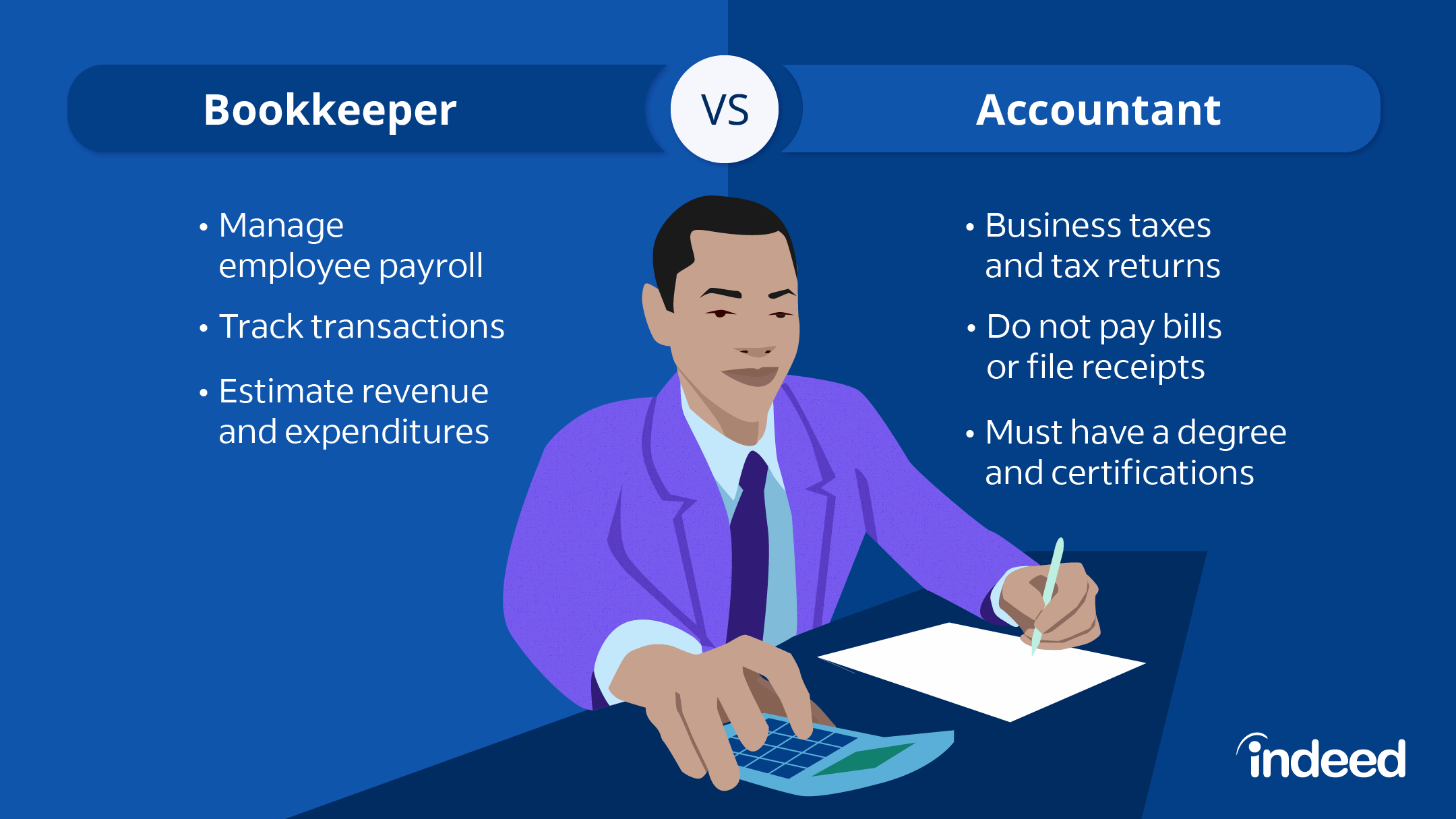
The Three Primary Paths to Professional Bookkeeping
The time it takes to enter the field is largely determined by the path you choose. In the modern economy, there is no longer a single “right” way to become a bookkeeper. Instead, there are three distinct routes, each with its own time commitment and professional outcome.
The Self-Taught and Software-Certified Route (2 to 4 Months)
For individuals looking to start a side hustle or provide services to small local businesses, the fastest route is software certification. Modern bookkeeping is heavily reliant on cloud-based accounting platforms like QuickBooks Online and Xero. These companies offer comprehensive training modules and certification exams.
If you dedicate 10 to 15 hours a week to learning the fundamentals of double-entry bookkeeping alongside software training, you can become “pro-certified” within 90 days. This path focuses on the practical application of data entry, bank reconciliations, and generating basic financial reports like Profit and Loss statements.
The Professional Certification Path (6 to 12 Months)
If your goal is to work in a corporate environment or command higher hourly rates as a consultant, seeking a formal designation from a recognized body is necessary. Organizations such as the American Institute of Professional Bookkeepers (AIPB) or the National Association of Certified Public Bookkeepers (NACPB) offer rigorous certification programs.
To earn these credentials, you typically need to prove at least two years of full-time experience or pass a series of exams that cover advanced topics like payroll administration, inventory management, and depreciation. For a newcomer, studying for these exams while working an entry-level clerk position usually takes about a year.
The Academic Route: Associate or Bachelor’s Degree (2 to 4 Years)
While not strictly required for many bookkeeping roles, a degree in accounting or finance provides the deepest level of expertise. A two-year Associate’s degree covers the breadth of business finance, including tax law and auditing. A four-year Bachelor’s degree often bridges the gap between bookkeeping and accounting, allowing you to handle more complex financial strategies. This route is the longest, but it offers the highest ceiling for salary and career advancement within established financial institutions.
Mastering the Technical Skills: Beyond the Basics
Time spent learning bookkeeping is not just about memorizing where numbers go on a spreadsheet; it is about developing an analytical mindset. To be successful, you must master a specific set of technical skills that form the foundation of business finance.
Understanding the Accounting Equation
Before touching any software, an aspiring bookkeeper must spend several weeks mastering the fundamental accounting equation: Assets = Liabilities + Equity. Understanding how every transaction affects both sides of this equation is the “magic” of double-entry bookkeeping. For most people, achieving a level of comfort where this becomes intuitive takes about a month of consistent practice.
Proficiency in Financial Software
In the current market, you are only as fast as your tools. Mastery of QuickBooks, Xero, or FreshBooks is mandatory. This involves more than just clicking buttons; it involves setting up a Chart of Accounts, managing accounts payable and receivable, and integrating third-party apps for expense tracking. A deep dive into these platforms usually requires 40 to 60 hours of focused study to reach a professional level of competency.
Regulatory Compliance and Payroll
One of the most time-consuming aspects of learning bookkeeping is staying updated on tax regulations and payroll laws. Unlike the static rules of mathematics, financial regulations change yearly. Learning how to manage sales tax nexus, payroll withholdings, and year-end 1099 reporting is a continuous process. Initial proficiency in these areas generally adds another two months to your training timeline.
Scaling from Training to Income: The Experience Gap
One of the nuances of the “how long does it take” question is the difference between being trained and being employable. The transition from finishing a course to managing your first client’s books involves a learning curve that many overlook.
Gaining Practical Experience
Knowledge in a vacuum is different from managing real-world messy data. Many aspiring bookkeepers spend three to six months in an “internship” phase. This might involve taking an entry-level clerk position at a local firm or offering pro-bono services to a non-profit to build a portfolio. This phase is crucial for learning how to troubleshoot errors—such as when a bank statement doesn’t reconcile—which is a skill that only comes with time and repetition.
Building a Professional Brand
If you are pursuing bookkeeping as a business owner or a side hustle, you must also factor in the time it takes to build your infrastructure. This includes setting up your professional website, defining your niche (e.g., bookkeeping for e-commerce or construction), and marketing your services. It typically takes three to six months of active networking and marketing before a new bookkeeper secures a consistent roster of paying clients.
Developing Soft Skills and Client Communication
A bookkeeper is often a business owner’s most trusted advisor. Learning how to translate complex financial data into actionable insights for a client is a high-level skill. Developing the ability to explain a balance sheet or why a business’s cash flow is tightening requires a level of professional maturity that usually develops over the first year of active practice.
Factors That Influence Your Personal Timeline
Not everyone starts from the same place, and several variables can either accelerate or delay your entry into the world of finance.
Prior Financial Literacy
If you have a background in business management, banking, or even high-level administrative work, you likely already understand the flow of money. Individuals with this background can often cut their learning time in half because they are already familiar with concepts like overhead, margins, and credit.
Time Commitment
The “calendar time” it takes to become a bookkeeper is directly proportional to your “clock time.” Someone studying full-time can reach a professional level in 8 to 12 weeks. However, most people transition into bookkeeping while working another job. For those studying 5 to 10 hours a week, the process will naturally stretch to 6 or 9 months.
The Complexity of Your Target Niche
The time it takes to become a bookkeeper for a local coffee shop is significantly less than the time required to manage books for a multi-state manufacturing company. If you aim to work in a niche with complex inventory, international currency exchanges, or heavy regulatory oversight, expect to spend an additional 4 to 6 months specialized training in those specific areas of finance.

The Return on Investment: Is the Time Worth It?
When evaluating the time commitment required, it is essential to look at the long-term financial ROI. Bookkeeping is one of the few professional paths where the barrier to entry is relatively low compared to the potential for high-margin earnings.
For an investment of roughly six months of dedicated study and a few hundred dollars in certification fees, an individual can enter a field where the average hourly rate for a freelance bookkeeper ranges from $40 to $80 per hour. From a business finance perspective, this is an incredible “time-to-market” ratio.
Furthermore, bookkeeping offers a unique form of “career insurance.” Regardless of the economic climate, businesses are legally required to keep accurate financial records and file taxes. This constant demand ensures that the time you invest today in learning these skills will pay dividends for decades.
Ultimately, becoming a bookkeeper is not a race to a finish line; it is an evolution. While you can technically start taking on clients within a few months, the most successful professionals are those who commit to a lifetime of learning. The initial three to twelve months get you through the door, but the subsequent years of experience turn you from a data-entry clerk into a vital financial strategist. Whether you are looking for a new career or a lucrative side hustle, the path to becoming a bookkeeper is a structured, achievable journey for anyone willing to master the language of money.
aViewFromTheCave is a participant in the Amazon Services LLC Associates Program, an affiliate advertising program designed to provide a means for sites to earn advertising fees by advertising and linking to Amazon.com. Amazon, the Amazon logo, AmazonSupply, and the AmazonSupply logo are trademarks of Amazon.com, Inc. or its affiliates. As an Amazon Associate we earn affiliate commissions from qualifying purchases.