
For many individuals, home and auto insurance are viewed as necessary evils—monthly line items in a budget that offer little immediate gratification. However, from a sophisticated financial planning perspective, these policies represent the bedrock of a robust wealth management strategy. The “best” insurance is not simply the cheapest premium you can find on a comparison site; it is the policy that provides the most comprehensive protection for your net worth while optimizing your cash flow.
Navigating the landscape of property and casualty insurance requires an understanding of how these two distinct products interact. When we ask what the best home and auto insurance is, we are looking for a synergy of financial stability, claim service excellence, and strategic bundling. This guide explores the mechanics of choosing the right carriers and coverage levels to ensure your financial future remains secure.
The Financial Mechanics of Bundling: Why Integration Matters
The most common advice in personal finance regarding insurance is to “bundle and save.” While this sounds like a marketing slogan, the underlying financial principles are sound. Bundling, or purchasing multiple lines of insurance from a single carrier, offers several structural advantages that go beyond a simple percentage-based discount.
The Multi-Policy Discount and Premium Optimization
Insurance companies prioritize customer retention. Statistically, a client who holds both a homeowners policy and an auto policy with the same carrier is significantly less likely to switch providers. To encourage this loyalty, carriers offer multi-policy discounts that typically range from 10% to 25% across both premiums. In the context of a long-term financial plan, these savings can be redirected into high-yield savings accounts or investment portfolios, compounding over decades.
The Single Deductible Advantage
Some of the best high-end insurance providers offer a unique feature known as the “single deductible.” In the event of a catastrophic loss—such as a severe hailstorm that damages both your roof and the vehicles parked in your driveway—a bundled policy might allow you to pay only one deductible instead of separate ones for each asset. This can save a household thousands of dollars in out-of-pocket costs during an already stressful financial period.
Streamlined Asset Management
From a logistical standpoint, managing your financial life is easier when your primary protections are under one roof. Having a single point of contact for claims, one renewal date to track, and a unified mobile app for policy management reduces the cognitive load of personal finance. This efficiency ensures that gaps in coverage are less likely to occur during the transition between policy periods.
Evaluating Home Insurance: Protecting Your Largest Asset
For the average person, their home is their most significant financial asset. Therefore, the “best” home insurance is one that accounts for the full replacement cost of the structure and protects the homeowner from third-party liability.
Replacement Cost vs. Actual Cash Value
A common mistake in insurance selection is opting for a policy based on Actual Cash Value (ACV) rather than Replacement Cost. ACV factors in depreciation, meaning if a ten-year-old roof is destroyed, the insurer only pays what a ten-year-old roof is worth today. Replacement Cost coverage, however, pays to rebuild or repair the home with materials of like kind and quality at today’s prices. In an inflationary environment, having a policy that offers “Extended Replacement Cost” (providing an additional 25% to 50% above the limit if building costs spike) is the gold standard for financial security.
Liability Limits and the Role of Umbrella Insurance
Home insurance isn’t just about the physical structure; it is a shield against litigation. If a guest is injured on your property, your personal assets could be at risk. The best policies provide high liability limits—usually starting at $300,000 or $500,000. For individuals with significant assets to protect, the best strategy is to coordinate home and auto liability limits to meet the underlying requirements of an Umbrella Policy. An Umbrella Policy provides an extra layer of protection (typically in increments of $1 million) that kicks in when your primary home or auto limits are exhausted.
Specialized Endorsements for Modern Needs
Modern homes face risks that traditional policies might not fully cover. The best insurance packages allow for specialized endorsements, such as:
-
Sewer Backup and Sump Pump Overflow: Standard policies often exclude water that enters from the drains.
-
Ordinance or Law Coverage: This pays for the increased costs of bringing a damaged home up to current building codes during repair.
-
Cyber Coverage: As digital security becomes a primary concern, some homeowners’ policies now offer protection against identity theft and social engineering.
Optimizing Auto Insurance for Long-Term Wealth

Auto insurance is often commoditized, but the “best” policy is one that balances the cost of the premium with the risk of a total loss or a catastrophic liability claim.
Liability Limits: The Danger of State Minimums
Many drivers opt for the state-mandated minimum liability limits to save money. From a wealth-building perspective, this is a dangerous gamble. If you cause an accident that results in significant medical bills or property damage exceeding your $25,000 or $50,000 limit, the injured party can pursue your personal savings, investments, and even future wages. The best auto insurance policies carry limits of at least 100/300/100 ($100,000 per person, $300,000 per accident for bodily injury, and $100,000 for property damage), though 250/500/100 is preferred for those with a growing net worth.
Understanding Comprehensive and Collision Strategy
The decision to carry comprehensive and collision coverage should be based on a mathematical assessment of the vehicle’s value versus the cost of the premium. If a vehicle is worth less than $3,000 to $5,000, the annual cost of the coverage plus the deductible might exceed the potential payout. However, for newer or financed vehicles, “Gap Insurance” is a critical component of the best auto policies. Gap insurance ensures that if your car is totaled, the insurer pays the difference between the car’s market value and the remaining balance on your loan.
The Rise of Telematics and Usage-Based Insurance
In the modern tech-driven landscape, the “best” rates are often found through telematics. Programs that track driving habits—such as hard braking, speed, and time of day—allow insurers to price risk more accurately. For safe drivers and low-mileage commuters, usage-based insurance can offer substantial discounts that traditional actuarial tables cannot match. This data-driven approach allows individuals to take control of their insurance costs through their own behavior.
Top-Tier Providers and Financial Stability
When determining the best home and auto insurance, the financial strength of the carrier is non-negotiable. An insurance policy is a promise to pay in the future; if the company lacks the capital to fulfill that promise after a regional disaster, the policy is worthless.
Analyzing Financial Ratings
Before signing a policy, check the carrier’s rating from independent agencies like AM Best or Standard & Poor’s. An “A” rating or higher indicates that the company has the financial reserves to handle a high volume of claims. This is particularly important for homeowners in areas prone to hurricanes, wildfires, or tornadoes, where a single event can lead to billions of dollars in payouts.
Customer Service and Claims Reputation
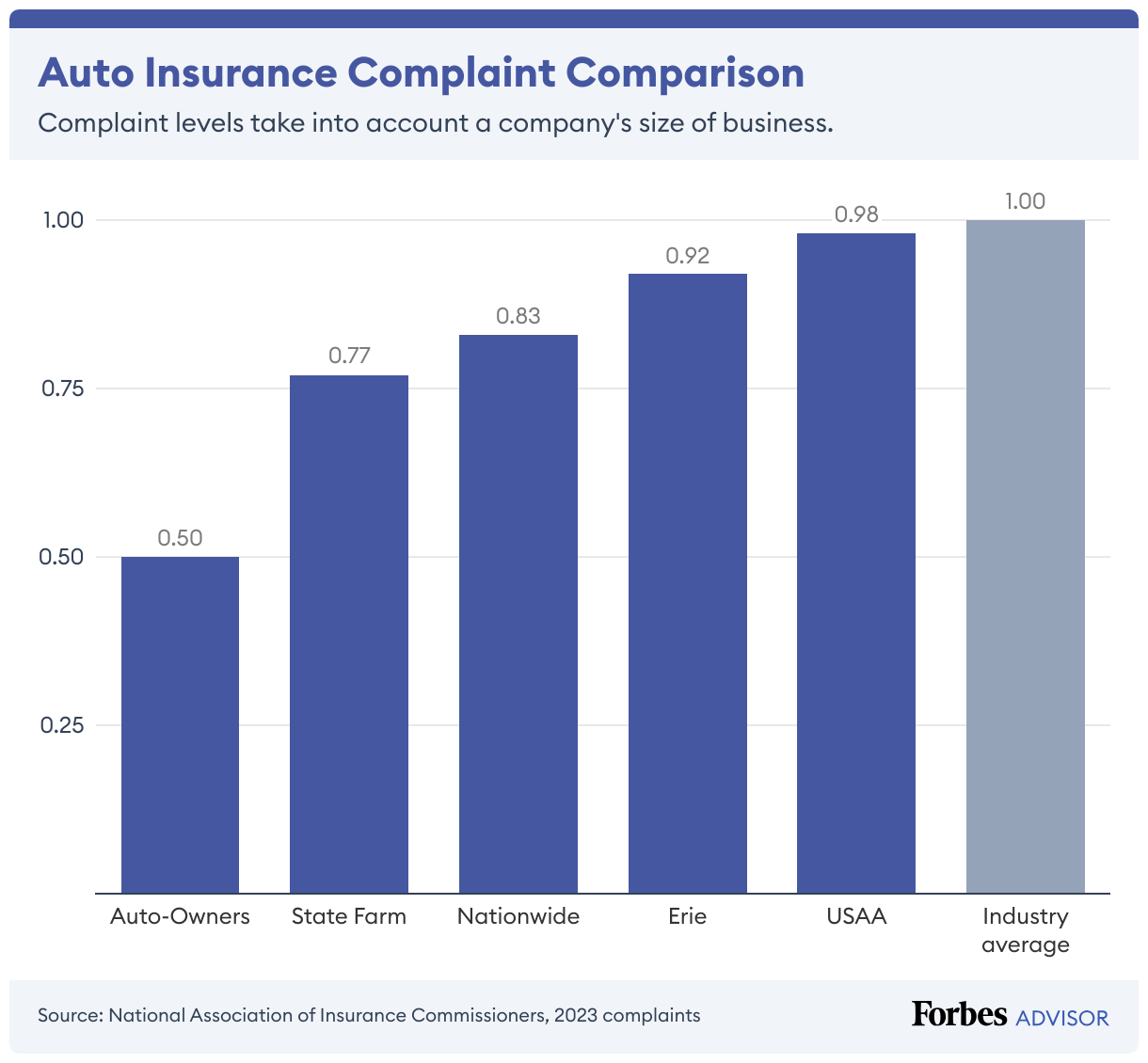
The true value of insurance is revealed during the claims process. Companies like Amica, USAA (for military members and families), and Erie Insurance consistently rank high in J.D. Power surveys for customer satisfaction. While their premiums might be slightly higher than “budget” carriers, the ease of filing a claim and the fairness of the settlements often justify the cost. For many, the “best” insurance is the one that doesn’t require a legal battle to get a fair payout.
Mutual vs. Stock Companies
It is also worth noting the difference between mutual insurance companies and stock companies. Mutual companies (like State Farm or Liberty Mutual) are owned by the policyholders, whereas stock companies (like Geico or Progressive) are owned by shareholders. In some cases, mutual companies may issue dividends to policyholders during profitable years, effectively lowering the long-term cost of the insurance.
Strategic Ways to Lower Premiums Without Sacrificing Coverage
Finding the best insurance is a continuous process of optimization. You should not have to choose between high-quality coverage and an affordable price.
The Impact of Credit-Based Insurance Scores
In most states, your credit score significantly impacts your insurance premiums. Insurers have found a strong correlation between credit responsibility and claims frequency. By maintaining a high credit score, you can access the lowest tier of insurance rates, potentially saving hundreds of dollars annually.
Increasing Deductibles as an Investment Strategy
One of the most effective ways to lower your premium is to increase your deductible. By moving from a $500 deductible to a $1,000 or $2,500 deductible, you assume more of the initial risk, which the insurer rewards with a lower premium. For an individual with a healthy emergency fund, this is a savvy move. The premium savings can be banked, and over time, the total savings will likely far exceed the cost of the higher deductible should a claim ever occur.
Home Hardening and Safety Discounts
The best homeowners’ insurance rates are often reserved for those who proactively mitigate risk. Installing a monitored security system, a smart water-leak detection system, or impact-resistant roofing can trigger significant discounts. These improvements not only lower your insurance costs but also protect your property from damage and increase its resale value, creating a multi-faceted financial win.
Ultimately, the best home and auto insurance is a tailored solution that evolves with your life stages. Whether you are a first-time homeowner looking to protect a new investment or a high-net-worth individual seeking to shield a complex portfolio of assets, the goal remains the same: minimizing financial volatility through strategic risk transfer. By focusing on financial stability, comprehensive coverage limits, and the logistical advantages of bundling, you can ensure that your insurance works for you as a powerful tool in your overall financial arsenal.
aViewFromTheCave is a participant in the Amazon Services LLC Associates Program, an affiliate advertising program designed to provide a means for sites to earn advertising fees by advertising and linking to Amazon.com. Amazon, the Amazon logo, AmazonSupply, and the AmazonSupply logo are trademarks of Amazon.com, Inc. or its affiliates. As an Amazon Associate we earn affiliate commissions from qualifying purchases.