
Navigating the landscape of car insurance is more than just a regulatory hurdle; it is a fundamental component of a robust personal finance strategy. For most individuals, a vehicle is one of their most significant depreciating assets, and the liabilities associated with operating it can pose a substantial threat to long-term wealth. Obtaining car insurance requires a balanced approach that weighs the cost of monthly premiums against the potential for catastrophic financial loss. This guide explores the systematic process of securing auto insurance through the lens of financial planning, ensuring you achieve the optimal balance of protection and value.
Defining Your Coverage: The Foundation of Risk Management
Before engaging with providers, you must understand the financial instruments that comprise an insurance policy. Each component serves a specific purpose in your risk management portfolio.
Liability Coverage: Protecting Your Net Worth
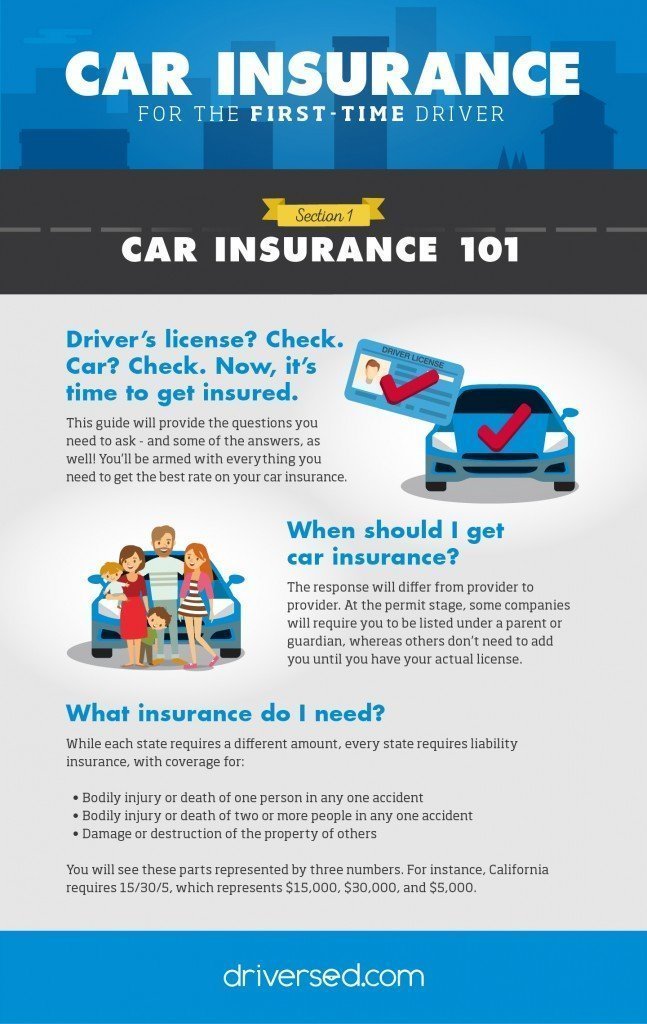
Liability insurance is arguably the most critical component of your policy. It is divided into bodily injury liability and property damage liability. From a financial perspective, this coverage exists to protect your existing assets and future earnings from lawsuits. If you are found at fault in an accident, your liability limits dictate how much the insurance company will pay on your behalf. If your limits are too low—such as the state minimums—you may be personally responsible for the remaining balance, which can lead to wage garnishment or the liquidation of investment accounts. Financial experts often recommend limits that meet or exceed your total net worth.
Collision and Comprehensive: Safeguarding Your Asset
While liability protects others, collision and comprehensive coverages protect your own vehicle. Collision coverage pays for repairs to your car after an accident, regardless of fault. Comprehensive coverage protects against non-collision events, such as theft, vandalism, fire, or natural disasters. When deciding whether to include these, consider the replacement value of your vehicle versus the cost of the premium. If you drive an older vehicle with a low market value, the premiums paid over a few years might exceed the potential payout, making it more financially sound to “self-insure” for physical damage.
Uninsured and Underinsured Motorist Protection
A significant percentage of drivers operate vehicles without adequate insurance. Uninsured Motorist (UM) and Underinsured Motorist (UIM) coverage are essential hedges against this systemic risk. These coverages ensure that if you are hit by a driver who lacks the financial means to compensate you for medical bills or repairs, your own insurance provider steps in to cover the shortfall. This prevents a single incident with an irresponsible third party from derailing your financial stability.
Analyzing the Financial Impact of Policy Limits and Deductibles
The architecture of your insurance policy is defined by the relationship between limits and deductibles. Adjusting these levers is the primary way to manage your monthly cash flow and your out-of-pocket exposure.
Determining the Right Deductible for Your Cash Flow
A deductible is the amount you agree to pay out-of-pocket before your insurance coverage kicks in. Choosing a higher deductible—such as $1,000 or $1,500 instead of $500—will significantly lower your monthly premium. However, this is only a viable financial strategy if you have a liquid emergency fund capable of covering that deductible at a moment’s notice. Selecting a high deductible without the savings to back it up is a form of financial gambling that can lead to high-interest debt in the event of an accident.
Assessing Minimum Legal Requirements vs. Financial Security
Every state (with few exceptions) mandates a minimum level of insurance. While these minimums offer the lowest entry price, they are rarely sufficient for anyone with significant assets. For example, a state might only require $25,000 in property damage liability. In a modern economy where the average price of a new car exceeds $45,000, a multi-car pileup could easily exceed those limits. Aim for “100/300/100” limits—$100,000 per person for bodily injury, $300,000 per accident, and $100,000 for property damage—as a baseline for professional financial security.
Factoring Insurance into Total Cost of Ownership
Prospective car buyers often focus on the monthly loan payment while neglecting the insurance premium. Before purchasing a vehicle, it is vital to get an insurance quote. High-performance vehicles, electric cars with expensive battery arrays, and models with high theft rates will command much higher premiums. Integrating the insurance cost into your “Total Cost of Ownership” (TCO) analysis ensures that the vehicle fits within your broader debt-to-income ratios and monthly budget.
Navigating the Market: How to Efficiently Compare Insurance Quotes
Once you have identified your coverage needs, the next step is the acquisition phase. The insurance market is highly competitive, and prices for the exact same coverage can vary by hundreds of dollars between carriers.
Gathering Essential Financial and Personal Data
To receive an accurate quote, you must have your data organized. This includes your Social Security number (for credit-based insurance scoring), your Vehicle Identification Number (VIN), and your driving history. Furthermore, you should have the declarations page from your current policy if you are switching providers. Insurance companies view a lapse in coverage as a high-risk indicator, so maintaining continuous coverage is essential for accessing the most competitive rates.
Comparing Premiums: Beyond the Monthly Payment
When comparing quotes, do not look solely at the bottom line. Examine the financial strength ratings of the companies through agencies like A.M. Best or Moody’s. A low premium from a company that lacks the liquidity to pay claims or provides poor customer service is a poor investment. Additionally, evaluate the “ease of use”—does the insurer provide a robust digital platform for managing claims and payments? Time is money, and an efficient claims process can save you significant administrative headaches during a crisis.
Leveraging Independent Agents vs. Direct Purchase
There are two primary ways to buy insurance: through a direct writer (like Geico or Progressive) or through an independent agent. Direct writers are often more convenient for simple policies. However, independent agents represent multiple carriers and can do the “shopping” for you. They are particularly valuable if you have complex financial needs, such as a high net worth requiring an umbrella policy, or if you have unique risks that standard carriers might shy away from.
Advanced Strategies for Reducing Premiums Without Sacrificing Protection
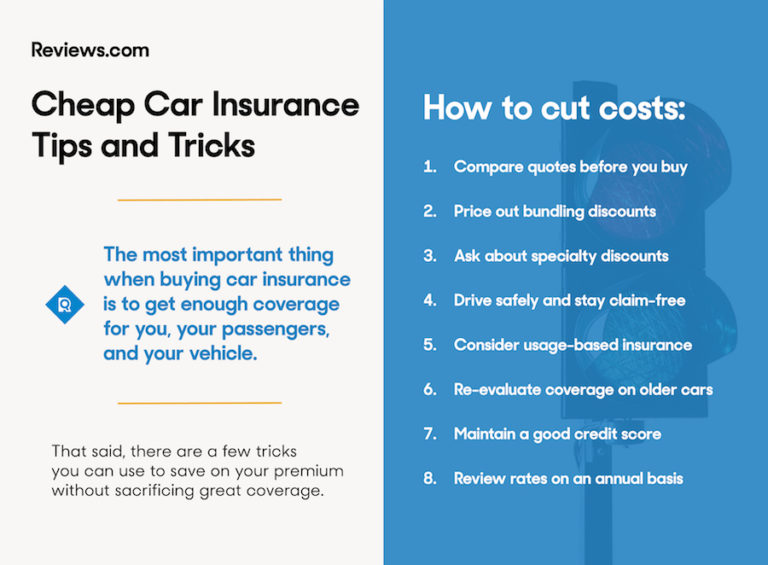
Achieving a lower premium does not always require cutting coverage. There are several financial optimizations you can employ to reduce costs while maintaining high levels of protection.
The Role of Credit Scores in Insurance Pricing
In many jurisdictions, insurance companies use a “credit-based insurance score” to determine your premium. Actuarial data suggests a strong correlation between credit responsibility and driving safety. By maintaining a high credit score—through low credit utilization and timely debt payments—you can unlock significantly lower insurance rates. This is another reason why car insurance should be viewed as an integrated part of your overall financial health.
Utilizing Telemetry and Usage-Based Insurance
Many insurers now offer usage-based insurance (UBI) programs that utilize telematics technology to monitor your driving habits. If you have a short commute or demonstrate safe driving behaviors (such as gradual braking and avoiding late-night driving), you can earn substantial discounts. For low-mileage drivers or retirees, pay-per-mile insurance models can reduce the fixed cost of vehicle ownership, allowing those funds to be redirected toward investments or high-yield savings.
Bundling and Group Discounts
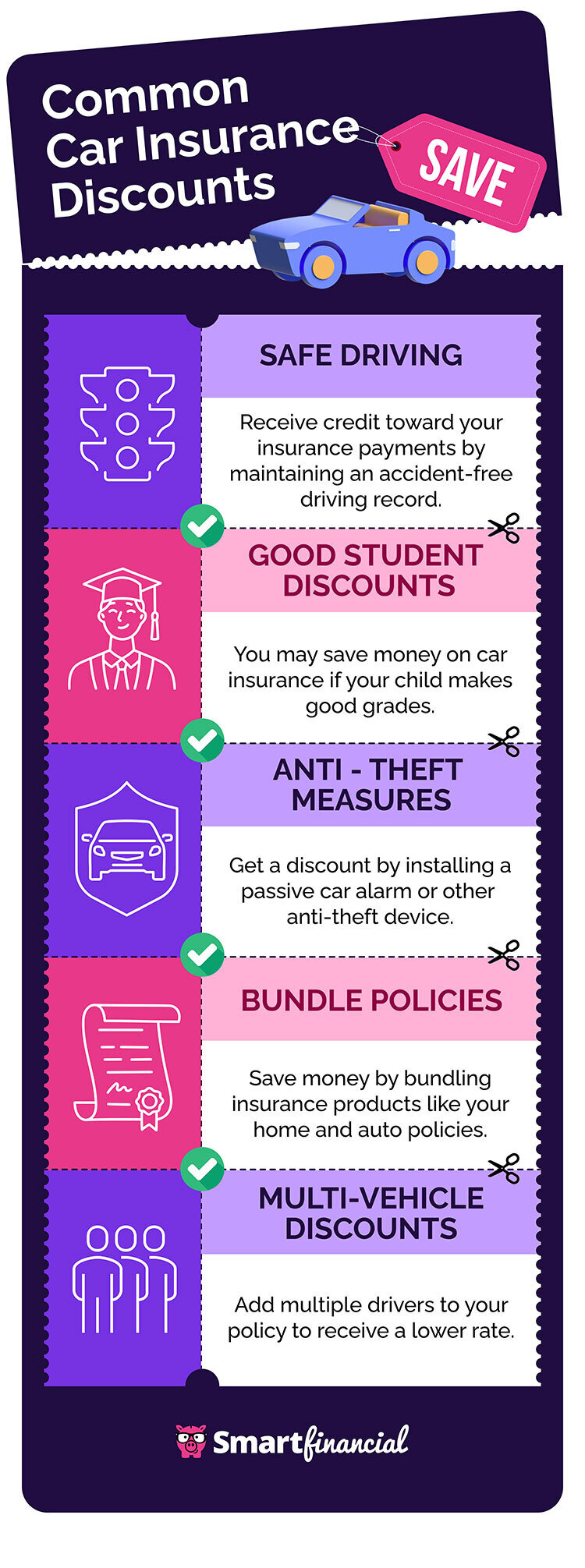
One of the most effective ways to reduce costs is through “multi-policy” discounts. Bundling your auto insurance with homeowners, renters, or life insurance often results in a 10% to 25% discount across all policies. Furthermore, check for affinity discounts associated with your profession, alma mater, or professional organizations. These small percentages compound over time, resulting in thousands of dollars in savings over the life of your driving career.
Managing Your Policy as a Dynamic Financial Asset
Getting car insurance is not a “set it and forget it” task. To maintain financial efficiency, you must treat your policy as a dynamic component of your financial plan that requires periodic review.
Annual Policy Audits
Your life changes, and your insurance should reflect that. An annual audit of your policy is recommended. Have you moved to a different zip code? Did your commute decrease due to remote work? Has your vehicle depreciated to the point where collision coverage is no longer cost-effective? Adjusting your policy to reflect your current reality prevents you from paying for unnecessary “phantom” coverage.
Re-evaluating Limits as Wealth Increases
As your net worth grows through investments, real estate, and career advancement, your liability exposure increases. What was an appropriate limit five years ago may now leave your assets vulnerable. Consider adding a personal umbrella policy once your net worth exceeds the limits of your auto and home insurance. This provides an extra layer of protection—usually in increments of $1 million—at a very low relative cost.
Staying Compliant and Avoiding Lapses
Finally, the most expensive mistake you can make is allowing your policy to lapse. Not only does this expose you to total financial ruin in the event of an accident, but it also triggers “high-risk” pricing when you attempt to re-insure. Set up automated payments from your checking account to ensure your policy remains active. In the world of personal finance, consistency is the key to minimizing costs and maximizing security. By following this structured approach, you ensure that your car insurance serves its true purpose: a robust shield protecting your financial future.
aViewFromTheCave is a participant in the Amazon Services LLC Associates Program, an affiliate advertising program designed to provide a means for sites to earn advertising fees by advertising and linking to Amazon.com. Amazon, the Amazon logo, AmazonSupply, and the AmazonSupply logo are trademarks of Amazon.com, Inc. or its affiliates. As an Amazon Associate we earn affiliate commissions from qualifying purchases.