
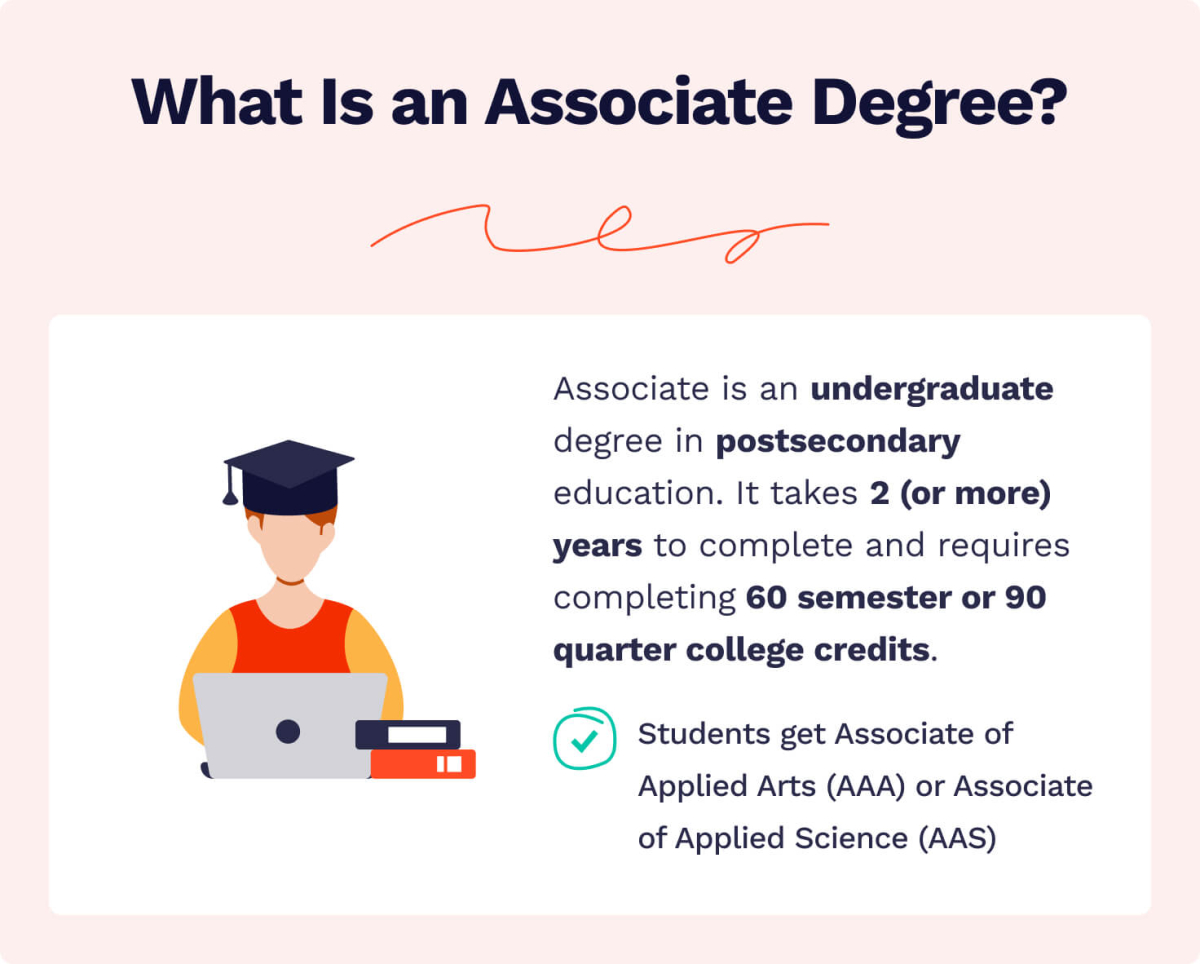
In today’s rapidly evolving professional landscape, understanding the educational pathways that lead to fulfilling and lucrative careers is paramount. While Bachelor’s degrees often take center stage, the Associate of Applied Science (A.A.S.) degree represents a powerful and often overlooked stepping stone. This two-year degree program is designed with a distinct purpose: to equip students with practical, hands-on skills directly applicable to specific career fields. Unlike its academic counterpart, the Associate of Arts (A.A.) or Associate of Science (A.S.), which are geared towards general education and transfer to four-year institutions, the A.A.S. is a terminal degree, meaning it’s intended to prepare graduates for immediate employment.

This article will delve into the essence of an A.A.S. degree, exploring its unique characteristics, the types of programs it encompasses, and crucially, how it aligns with the burgeoning demands in the Tech, Brand, and Money sectors. Whether you’re a recent high school graduate exploring your options, a professional looking to upskill, or someone seeking a career change, understanding the value proposition of an A.A.S. degree can illuminate a clear and efficient path to your professional aspirations.
The Practicality and Purpose of an A.A.S. Degree
The core differentiator of an A.A.S. degree lies in its applied nature. The curriculum is meticulously crafted to bridge the gap between theoretical knowledge and real-world application. This means that A.A.S. programs are heavily focused on vocational and technical training, providing students with the specific competencies employers are actively seeking. You’ll find fewer abstract theoretical courses and a greater emphasis on laboratory work, practical projects, internships, and simulations that mimic the environments graduates will encounter in their chosen professions.
Career-Focused Curriculum and Skill Development
The advantage of this practical approach is that A.A.S. graduates enter the workforce with a distinct set of job-ready skills. Instead of spending four years acquiring a broad educational base with the intention of specializing later, A.A.S. students dive directly into their chosen field. This focused approach allows for a deeper immersion in the subject matter and a more efficient development of the technical proficiencies required for specific roles.
Consider the comparison with a more traditional four-year degree. While a Bachelor’s program might dedicate a few semesters to introductory concepts and general education, an A.A.S. program will often dedicate a significant portion of its coursework to specialized technical skills. For instance, a student pursuing an A.A.S. in Web Development will spend their time learning coding languages, understanding user interface (UI) and user experience (UX) design principles, and building functional websites, rather than spending a year on humanities or advanced mathematics that may not be directly relevant to their immediate career goals.
Industry Relevance and Employer Demand
This direct alignment with industry needs makes A.A.S. graduates highly attractive to employers. Businesses are often looking for individuals who can contribute from day one, possessing the skills and knowledge to perform specific job functions without extensive on-the-job training. The hands-on nature of A.A.S. programs ensures that graduates are well-prepared to meet these demands, making them valuable assets in various industries. This is particularly true in fields experiencing rapid growth and innovation, where specific technical expertise is at a premium.
Furthermore, many A.A.S. programs are developed in collaboration with industry professionals and advisory boards. This ensures that the curriculum remains current and relevant, adapting to the ever-changing technological advancements and market trends. Graduates, therefore, possess skills that are not only practical but also in high demand, increasing their employability and potential for career advancement.
A.A.S. Degrees in High-Demand Fields: Tech, Brand, and Money
The inherent practicality of an A.A.S. degree makes it an ideal pathway into sectors that are constantly innovating and require specialized skill sets. The Tech, Brand, and Money sectors, in particular, offer a wealth of opportunities for A.A.S. graduates.
Navigating the Tech Landscape with an A.A.S.
The technology sector is a prime example of where an A.A.S. degree can be a game-changer. From the foundational aspects of software development to the intricate world of cybersecurity, there’s a tangible need for skilled professionals who understand the nuts and bolts of how technology works and how to implement it effectively.
H3: Software Development and IT Support
An A.A.S. in Software Development or Information Technology (IT) can equip individuals with the foundational knowledge and practical skills to enter roles such as junior web developers, application support specialists, or IT technicians. These programs typically cover essential programming languages (like Python, JavaScript, or Java), database management, network administration, and troubleshooting techniques. Graduates are prepared to build, maintain, and support the digital infrastructure that powers modern businesses. The rapid pace of technological advancement means that continuous learning is crucial, and an A.A.S. provides a strong launchpad for this ongoing professional development.
H3: Digital Security and Cybersecurity Fundamentals
With the increasing sophistication of cyber threats, the demand for cybersecurity professionals has never been higher. An A.A.S. in Cybersecurity or Digital Security can provide students with a comprehensive understanding of network security, data protection, threat analysis, and incident response. These programs often include hands-on labs where students learn to identify vulnerabilities, implement security protocols, and respond to simulated cyberattacks. This practical experience is invaluable for roles such as security analysts, network security technicians, or cybersecurity specialists. The ability to protect sensitive data and systems is a critical need for businesses of all sizes, making this a highly rewarding career path.
H3: Embracing Emerging Technologies
Beyond core IT roles, A.A.S. degrees are increasingly being developed to address emerging technologies. Programs in areas like cloud computing, data analytics, or even specialized areas within artificial intelligence (AI) are becoming more common. These degrees focus on the practical application of these technologies, preparing graduates for roles that might involve managing cloud infrastructure, analyzing datasets to extract insights, or working with AI tools and platforms. The dynamic nature of the tech industry means that those with the latest practical skills are highly sought after.
Building Brands and Businesses: A.A.S. in Marketing and Design
The Brand sector is another area where an A.A.S. degree can provide a solid foundation for a successful career. In today’s competitive marketplace, understanding how to create, market, and maintain a strong brand identity is crucial for both individual professionals and corporations.
H3: Marketing and Digital Media Strategies
An A.A.S. in Marketing or Digital Media can prepare graduates for roles in areas like social media management, content creation, digital advertising, and marketing coordination. These programs often emphasize practical skills in marketing analytics, search engine optimization (SEO), pay-per-click (PPC) advertising, and campaign management. Graduates will learn how to develop marketing strategies, create engaging content across various platforms, and measure the effectiveness of their campaigns. The ability to reach and engage target audiences is a core competency in the modern business world.
H3: Graphic Design and Visual Communication
For those with a creative flair, an A.A.S. in Graphic Design or Visual Communication can lead to exciting careers in creating visual assets that define a brand. These programs focus on the principles of design, typography, color theory, and the use of industry-standard design software (like Adobe Photoshop, Illustrator, and InDesign). Graduates can pursue roles such as graphic designers, web designers, UI/UX designers, or visual content creators, crafting logos, marketing materials, website layouts, and other visual elements that communicate a brand’s message effectively.
H3: Brand Management and Reputation Building
While a deeper dive into strategic brand management might require higher education, an A.A.S. can provide the foundational skills for entry-level positions in brand coordination, market research, or public relations support. Graduates can learn about market analysis, consumer behavior, and the importance of consistent brand messaging, preparing them to contribute to the overall success and positive perception of a company.
Securing Financial Futures: A.A.S. in Finance and Business Operations
The Money sector, encompassing personal finance, business operations, and investing, also benefits greatly from the practical, skill-based education offered by an A.A.S. degree. These programs are designed to prepare individuals for roles that are critical to the smooth functioning of businesses and the financial well-being of individuals.
H3: Financial Operations and Accounting Support
An A.A.S. in Accounting or Financial Operations can prepare graduates for roles such as accounting clerks, bookkeepers, payroll specialists, or accounts payable/receivable coordinators. These programs typically cover fundamental accounting principles, bookkeeping procedures, financial software (like QuickBooks or Xero), and basic tax preparation. The accurate management of financial records is essential for every business, making these roles consistently in demand.
H3: Business Administration and Management Fundamentals
A.A.S. degrees in Business Administration provide a broad understanding of business principles, often with a focus on practical application. Graduates can find roles in office management, human resources support, project coordination, or administrative assistant positions. These programs equip individuals with skills in organizational management, communication, basic business law, and customer service, making them versatile assets in any business environment.
H3: Personal Finance and Investment Support Roles
While advanced financial advisory roles typically require extensive certifications and degrees, an A.A.S. could provide a pathway into supporting roles within the financial services industry. This might include roles in client relations, administrative support for financial planners, or roles focused on data entry and basic financial reporting. Understanding personal finance principles is also a valuable skill for any individual, regardless of their career path, and an A.A.S. can offer a structured way to gain this knowledge.
The Value Proposition of an A.A.S. Degree
The Associate of Applied Science degree offers a compelling value proposition for students seeking a direct route to a fulfilling career. Its focus on practical skills, industry relevance, and accelerated program length makes it an attractive and efficient option.
Shorter Time to Employment
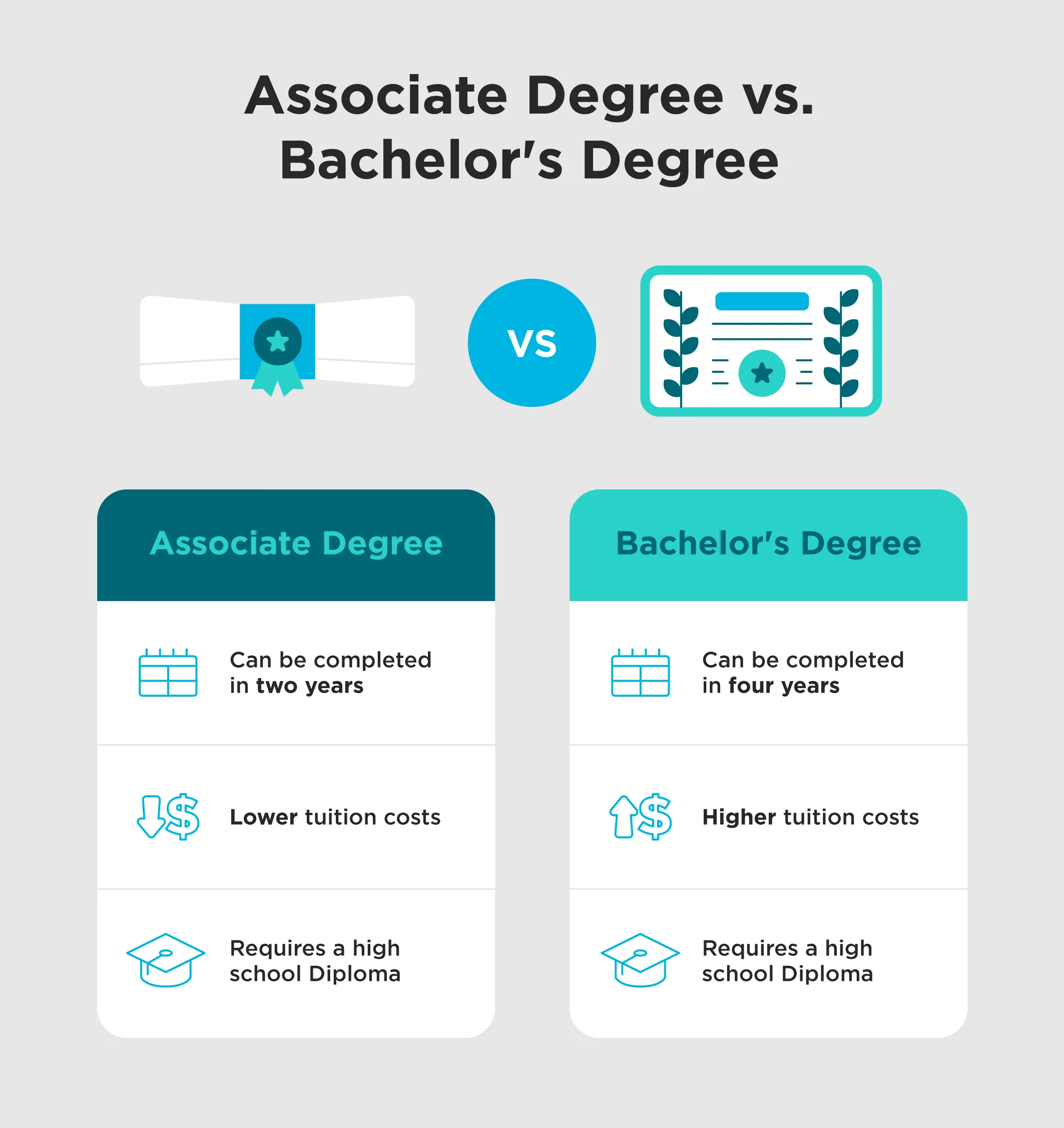
One of the most significant advantages of an A.A.S. is its typical completion time of two years. This means graduates can enter the workforce and begin earning a salary and gaining valuable experience much sooner than those pursuing a four-year Bachelor’s degree. This can be particularly appealing for individuals who want to avoid student loan debt or who are eager to start their professional journey.
Cost-Effectiveness
Generally, two-year associate degrees are more affordable than four-year bachelor’s degrees. The reduced tuition costs, combined with the shorter time commitment, can lead to significant savings in the long run. This financial advantage makes higher education more accessible to a broader range of students.
Transferability and Further Education
While the A.A.S. is a terminal degree designed for direct employment, it doesn’t necessarily preclude further education. Many A.A.S. programs have articulation agreements with four-year universities, allowing graduates to transfer their credits towards a Bachelor’s degree. This provides a flexible pathway, enabling individuals to gain immediate employment while keeping the door open for future academic advancement. This can be particularly beneficial for those who discover a passion for a particular field through their A.A.S. studies and wish to specialize further.
A Foundation for Lifelong Learning
In industries like Tech, Brand, and Money, continuous learning is not just an option; it’s a necessity. An A.A.S. degree instills a strong foundation in practical skills and problem-solving, which are transferable to new technologies, evolving marketing strategies, and changing financial landscapes. Graduates are often well-equipped to adapt to these changes and embrace opportunities for professional development throughout their careers.
Conclusion: An A.A.S. Degree – A Strategic Investment
The Associate of Applied Science (A.A.S.) degree is a powerful and pragmatic educational pathway that offers a direct route to in-demand careers. Its hands-on curriculum, industry relevance, and cost-effectiveness make it an ideal choice for individuals seeking to gain specific skills and enter the workforce quickly. In the dynamic sectors of Tech, Brand, and Money, the practical competencies fostered by an A.A.S. degree are not just beneficial – they are essential. Whether you’re aiming to develop innovative software, craft compelling brand narratives, or manage financial operations, an A.A.S. degree can serve as a strategic investment, equipping you with the knowledge and abilities to thrive in today’s competitive professional world.
aViewFromTheCave is a participant in the Amazon Services LLC Associates Program, an affiliate advertising program designed to provide a means for sites to earn advertising fees by advertising and linking to Amazon.com. Amazon, the Amazon logo, AmazonSupply, and the AmazonSupply logo are trademarks of Amazon.com, Inc. or its affiliates. As an Amazon Associate we earn affiliate commissions from qualifying purchases.