
In the modern landscape of personal finance, the traditional concept of a standalone savings account is rapidly evolving. Consumers no longer look for a passive repository for their money; they seek integrated financial tools that promote better habits and higher yields. One of the most prominent examples of this evolution is the PNC Growth account. As the primary savings component of the PNC Virtual Wallet, the Growth account is designed to work in tandem with other financial sub-accounts to create a comprehensive money management system.
To understand what the PNC Growth account is, one must first understand the architecture of the Virtual Wallet. Unlike a standard bank account, a Virtual Wallet typically consists of three distinct parts: Spend (your primary checking account), Reserve (a secondary, interest-bearing checking account for short-term goals), and Growth (your long-term savings account). The Growth account serves as the cornerstone for wealth accumulation within this ecosystem, offering tiered interest rates and specialized tools to help users reach their long-term financial milestones.
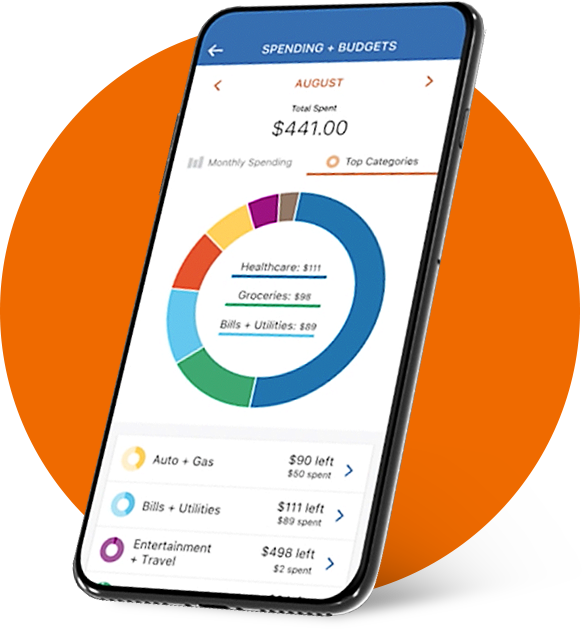
The Role of the Growth Account within the Virtual Wallet Ecosystem
The PNC Growth account is not merely an add-on; it is the designated vehicle for long-term savings. While many banks offer a checking and a savings account, PNC’s tripartite structure encourages a more nuanced approach to cash flow management. By separating funds into three categories, users can mentally and digitally bucket their money according to its purpose.
The Three-Pillar System: Spend, Reserve, and Growth
In this ecosystem, the “Spend” account is where your paycheck lands and your bills are paid. The “Reserve” account acts as a “buffer” or a place for “planned spending”—money you might need for a vacation in three months or an upcoming car repair. The “Growth” account, however, is reserved for money you do not intend to touch in the near future. It is intended for emergency funds, down payments, or general wealth building. By keeping these funds in the Growth account, users benefit from the highest interest rates offered within the Virtual Wallet suite.
Purpose-Driven Saving
The Growth account is fundamentally built around the concept of “purpose-driven saving.” Most consumers struggle with savings because their money sits in a single pool, making it difficult to distinguish between “spendable” cash and “saved” capital. The Growth account solves this by providing a dedicated space where the primary goal is accumulation. When funds are moved into the Growth account, there is a psychological boundary established that discourages impulse spending, thereby fostering a more disciplined financial lifestyle.
Key Features and Benefits of the PNC Growth Account
What distinguishes the Growth account from a standard savings account at a local credit union or a competing national bank are the specific features integrated into the PNC digital experience. These features are designed to maximize the productivity of every dollar saved.
Tiered Interest Rates and APY
One of the primary draws of the Growth account is its tiered interest rate structure. PNC often provides competitive Annual Percentage Yields (APYs), particularly for users who qualify for “Relationship Rates.” The interest is typically calculated based on the balance in the account, with higher balances often commanding better rates. This structure incentivizes users to continue growing their balance to reach the next tier, effectively rewarding them for their financial discipline.
Relationship Rates and Requirements
To unlock the most competitive rates on a Growth account, PNC typically requires users to meet certain “relationship” criteria. This usually involves having a qualifying number of transactions in the linked Spend account or maintaining a specific monthly direct deposit amount. By rewarding users for using the bank as their primary financial hub, PNC creates a symbiotic relationship where the customer gets better returns in exchange for their loyalty and active participation in the bank’s ecosystem.
The Savings Engine and Automated Transfers
The Growth account is supported by what PNC calls the “Savings Engine.” This tool allows users to set up automated transfers from their Spend or Reserve accounts into their Growth account. Whether it is a recurring monthly transfer or a “Save When You Get Paid” trigger, these automations remove the friction of manual saving. By automating the process, the Growth account ensures that saving becomes a default behavior rather than an afterthought.
Advanced Digital Tools for Financial Management

In the current era of fintech, a bank account is only as good as the software that manages it. The PNC Growth account is integrated into a mobile and web interface that provides deep insights into a user’s financial health.
Goal Tracking and Visual Feedback
Within the Growth account interface, users can set specific financial goals. Whether you are saving for a home, a wedding, or a new car, the app provides visual progress bars and timelines. This gamification of savings is a powerful psychological tool. Seeing a progress bar move closer to 100% provides a sense of achievement that traditional ledger-style banking cannot replicate. It transforms the Growth account from a static list of numbers into a dynamic roadmap for the future.
“Punch the Pig” and Gamified Savings
One of the more unique features associated with the Virtual Wallet and the Growth account is the “Punch the Pig” widget. This interactive tool appears on the user’s digital dashboard and allows them to instantly transfer a set amount of money—often small change or a few dollars—into their Growth account with a single click. It is designed to capture small wins, proving that even minor contributions can lead to significant growth over time.
Overdraft Protection Integration
While the Growth account is meant for long-term saving, it also serves as a critical safety net. Users can link their Growth account to their Spend account for overdraft protection. If a transaction exceeds the balance in the Spend account, funds can be automatically transferred from the Growth or Reserve accounts to cover the shortfall. This integration provides peace of mind, ensuring that accidental overspending does not result in costly fees or returned checks.
Pros and Cons of the PNC Growth Account
No financial product is universal, and the PNC Growth account has specific strengths and weaknesses that potential users should consider when comparing it to other high-yield savings options.
Advantages of Centralized Banking
The primary advantage of the Growth account is convenience. Having your checking, short-term savings, and long-term savings in one app allows for instant transfers and a holistic view of your finances. For many, the ease of use and the integrated tools outweigh the slightly higher interest rates they might find at an online-only boutique bank. Furthermore, for those who prefer having access to physical branches, PNC offers a brick-and-mortar presence that many high-yield online accounts lack.
Limitations and Fee Considerations
On the downside, the interest rates on the Growth account can sometimes lag behind the absolute top-tier rates offered by digital-only banks or money market funds, especially if the user does not qualify for Relationship Rates. Additionally, users must be mindful of the requirements to waive monthly service fees. While many Virtual Wallet tiers offer ways to avoid fees (such as through direct deposits or minimum balances), failing to meet these requirements can eat into the interest earned, potentially negating the benefits of the account.
How to Maximize the Value of Your Growth Account
To truly benefit from a PNC Growth account, a user should move beyond using it as a simple bucket for extra cash. It should be treated as a strategic tool within a broader financial plan.
Meeting Relationship Requirements Consistently
The first step to maximizing the account is ensuring you always qualify for the Relationship Rate. This typically means setting up your primary direct deposit to hit the Spend account. By doing so, you not only avoid monthly service fees but also unlock the highest possible APY for your Growth balance. For those with significant savings, the difference between the standard rate and the relationship rate can amount to hundreds of dollars in interest over the course of a year.
Utilizing the Reserve Account as a Buffer
A common mistake users make is dipping into their Growth account for minor, unplanned expenses. To prevent this, users should utilize the “Reserve” account effectively. By keeping a “buffer” in the Reserve account for semi-regular expenses, you can protect the integrity of the Growth account. This allows the funds in the Growth account to stay untouched, maximizing the power of compound interest.

Long-term Planning and Compounding
Finally, the Growth account should be viewed through the lens of long-term compounding. Because the interest is calculated and paid out regularly, the more capital you can keep in the account, the faster it grows. By leveraging the automated “Savings Engine” and consistently contributing, users can build a substantial financial cushion that provides both security and opportunity.
In conclusion, the PNC Growth account is more than just a savings account; it is a sophisticated financial tool designed for the modern consumer. By integrating it into the Virtual Wallet ecosystem, PNC has created a system that encourages disciplined saving, offers competitive rewards for loyalty, and provides the digital tools necessary to visualize and achieve long-term financial goals. While it requires active management to avoid fees and maximize rates, it remains a powerful option for those looking to centralize their personal finances without sacrificing functionality or growth potential.
aViewFromTheCave is a participant in the Amazon Services LLC Associates Program, an affiliate advertising program designed to provide a means for sites to earn advertising fees by advertising and linking to Amazon.com. Amazon, the Amazon logo, AmazonSupply, and the AmazonSupply logo are trademarks of Amazon.com, Inc. or its affiliates. As an Amazon Associate we earn affiliate commissions from qualifying purchases.