
The landscape of premium cable television has undergone a radical transformation over the last decade. Showtime, long a titan of scripted drama and combat sports, has fully transitioned into the digital age, shifting its primary delivery method from traditional linear satellite and cable signals to complex, data-driven streaming architectures. For the modern consumer, the question is no longer just “Is it on?” but rather “Which application offers the most stable bitrate, the best user interface, and the most seamless integration with my existing hardware?”
Navigating the various ways to access Showtime content requires an understanding of how streaming ecosystems interact. Following the high-profile merger of Paramount+ and Showtime, the technical availability of this content has centralized, yet it remains accessible through a variety of third-party aggregators and Virtual Multichannel Video Programming Distributors (vMVPDs).
The Primary Gateway: Paramount+ with Showtime
As of 2023, the definitive way to stream Showtime is through the integrated Paramount+ app. This shift represented a significant technical overhaul, merging two distinct content delivery networks (CDNs) into a single unified interface. For users, this means that the standalone Showtime app has been phased out in favor of a “Showtime” hub within the Paramount+ ecosystem.
Understanding the App Architecture
The Paramount+ application is built on a cross-platform framework designed to maintain low latency and high availability across a wide range of operating systems, from Android TV and tvOS to proprietary Linux-based systems found on smart TVs. When you subscribe to the “Paramount+ with Showtime” tier, you are accessing a specific metadata layer within the app that unlocks high-definition (HD) and 4K Ultra HD (UHD) streams of premium content like Yellowjackets, Billions, and The Chi.
From a technical perspective, this integration allows for a more robust recommendation engine. The app uses machine learning algorithms to analyze viewing habits across both Paramount and Showtime libraries, creating a unified user profile. For the subscriber, this results in more accurate “Up Next” queues and personalized content Discovery.
Subscription Tiers and Technical Benefits
The “Paramount+ with Showtime” plan is the premium tier of the service. Beyond merely unlocking content, this tier provides specific technical advantages:
-
Ad-Free Experience: The stream architecture bypasses the ad-insertion markers used in the lower-cost, ad-supported tier.
-
Offline Downloads: Users can download content to local storage on mobile devices (iOS and Android), a feature that utilizes advanced video compression (H.264 or HEVC) to balance file size with visual fidelity.
-
Live Stream Access: This tier provides a live digital feed of the local CBS affiliate and the Showtime East and West linear channels, utilizing adaptive bitrate streaming to ensure the live broadcast remains synchronized even during network fluctuations.
Third-Party Aggregators: The Power of Streaming Channels
While the native Paramount+ app is the primary source, many users prefer to consolidate their digital subscriptions through “Channels” or “Add-ons” provided by major tech ecosystems. This method utilizes the host platform’s video player and billing infrastructure rather than the standalone app’s interface.
Amazon Prime Video Channels
Amazon Prime Video is one of the most popular hosts for the Showtime add-on. Technically, when you subscribe via Amazon, you are not using the Paramount+ app at all. Instead, the Showtime content is ingested into Amazon’s proprietary CloudFront CDN.
The advantage here is the “Single Pane of Glass” experience. Users can use Amazon’s “X-Ray” feature—a tech-forward tool powered by IMDb—which provides real-time data on actors, music, and trivia directly on the screen while the content plays. For users with older hardware that might struggle with the resource-heavy Paramount+ app, Amazon’s highly optimized player often provides a smoother playback experience.
Apple TV Channels
Apple’s approach via the Apple TV app is similar but emphasizes hardware-level integration. By subscribing to Showtime through Apple TV Channels, the content is served directly through Apple’s high-performance video pipeline. This allows for superior integration with the Apple ecosystem, including Siri voice commands, “Up Next” synchronization across all Apple devices, and support for the highest possible bitrates allowed by the hardware.
Apple’s implementation is particularly noted for its handling of HDR10 and Dolby Vision metadata, ensuring that Showtime’s cinematic productions are displayed with precise color accuracy on compatible displays.
Hulu and Other Digital Add-ons
Hulu offers Showtime as a “Premium Add-on.” This integration allows the Showtime library to appear natively within the Hulu UI alongside Hulu’s own originals. Technically, this involves a deep-level API integration where Hulu’s servers communicate with Paramount’s content library to verify entitlement and pull the requested stream. For users who spend the majority of their time within the Hulu environment, this reduces the “app fatigue” caused by switching between different software environments.
Live TV Streaming Services (vMVPDs)
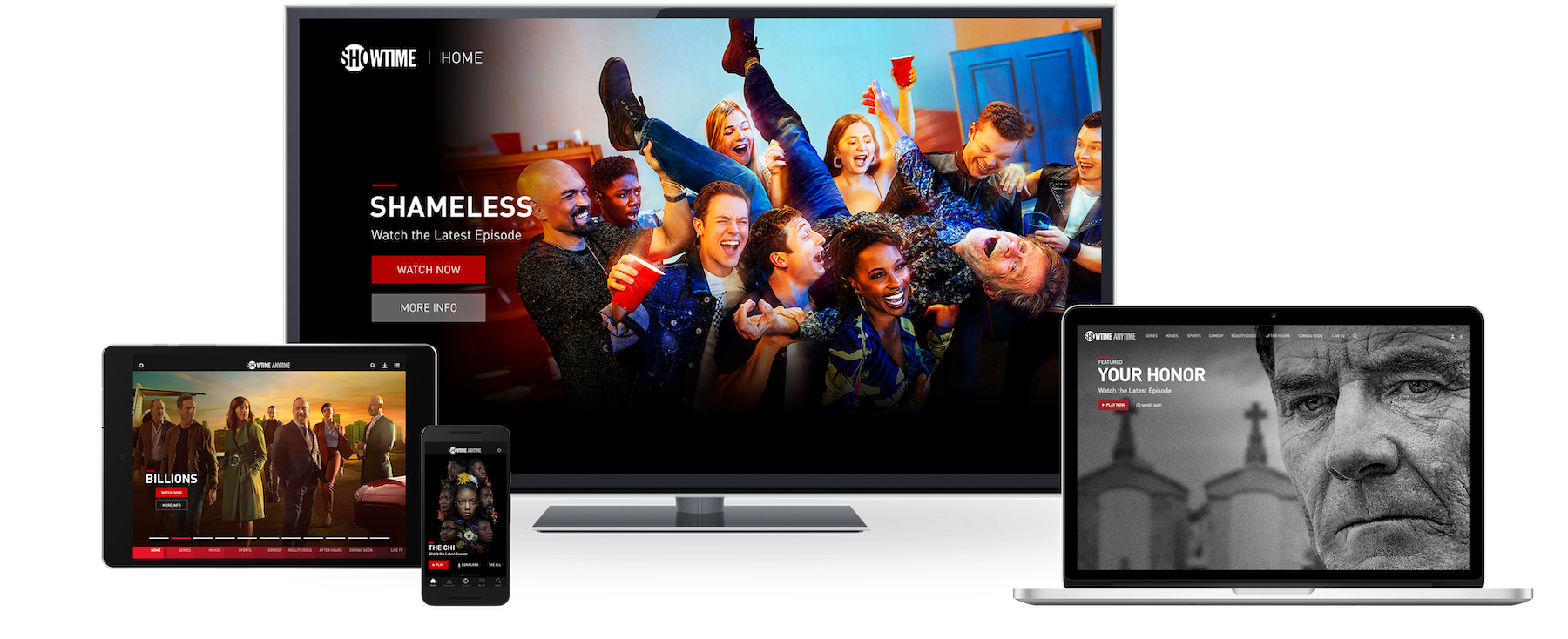
For those who still value the linear “channel surfing” experience but want to ditch the hardware limitations of a cable box, Virtual Multichannel Video Programming Distributors (vMVPDs) are the ideal solution. These services deliver live television over the internet, utilizing sophisticated cloud-based DVRs and low-latency streaming protocols.
YouTube TV
YouTube TV has become a market leader in the vMVPD space, and its integration of Showtime is technically seamless. When added to a YouTube TV base plan, Showtime channels appear in the live grid alongside traditional broadcast networks.
The technical standout here is the “Cloud DVR” functionality. YouTube TV allows for unlimited storage of Showtime content, using Google’s massive server infrastructure to “record” live broadcasts. This isn’t a local recording on a hard drive; rather, it is a pointer to a stored file on Google’s servers, allowing for instantaneous access to any show or movie that has aired recently.
Fubo and Sling TV
Fubo and Sling TV also offer Showtime as an optional add-on. Fubo caters primarily to sports fans, making it an excellent choice for users who want Showtime specifically for its championship boxing and MMA coverage. Sling TV, conversely, offers a more modular approach, allowing for a lower entry price point.
Technically, these platforms use various streaming protocols, such as DASH (Dynamic Adaptive Streaming over HTTP) or HLS (HTTP Live Streaming), to ensure that the live Showtime feed remains stable even during high-traffic events like a world title fight. These platforms often implement “buffer management” tech that prioritizes the live stream to prevent spoilers that might occur if the stream lags behind the real-time broadcast.
Optimized Hardware and Connectivity Requirements
Streaming Showtime in high definition or 4K requires more than just a subscription; it requires a compatible hardware stack and a stable network environment. To fully realize the visual and auditory potential of premium content, the tech behind the screen must be up to the task.
Recommended Streaming Devices
While most smart TVs have built-in apps, dedicated streaming hardware often provides a superior experience due to faster processors and more frequent software updates:
-
Apple TV 4K: Features the A15 Bionic chip, providing the most fluid UI navigation and the best support for high-end audio/video formats.
-
Roku Ultra: Known for its “neutral” OS and robust Wi-Fi antennas, which are essential for maintaining 4K streams in homes with complex layouts.
-
Amazon Fire TV Stick 4K Max: Offers Wi-Fi 6 support, a critical technical advantage for reducing congestion on home networks with many connected devices.
Bandwidth and Network Optimization
To stream Showtime content in 4K UHD, a consistent download speed of at least 25 Mbps is recommended by most providers. However, for a truly “buffer-free” experience, particularly during live events, a connection of 50 Mbps or higher is preferable to account for other network activity.
Advanced users often utilize wired Ethernet connections via powerline adapters or dedicated CAT6 cabling to bypass the inherent latency of Wi-Fi. Furthermore, ensuring that the router supports Quality of Service (QoS) can allow users to prioritize streaming traffic over other household data, ensuring that a Showtime stream doesn’t drop in quality when another device starts a large download.
Digital Security and Access Management
In the era of digital streaming, security and account management are paramount. Accessing Showtime involves navigating authentication protocols designed to protect both the user’s data and the provider’s intellectual property.
Authentication and Single Sign-On (SSO)
Most platforms now utilize “Single Sign-On” technology. If you subscribe to Showtime through a cable provider or a vMVPD, you can often use those credentials to log into the Paramount+ app directly. This involves a secure “handshake” between the two services via an OAuth or similar authentication protocol, where the provider confirms your active subscription without sharing your password with the third-party app.

Account Sharing and Geo-Restrictions
Like many streaming giants, Paramount+ has implemented more stringent checks on account sharing. This is managed through IP tracking and device fingerprinting. Technically, the service monitors the geographical location of login attempts to ensure they align with the account’s home region.
For users traveling abroad, geo-restrictions (or “geofencing”) often prevent access to Showtime content due to regional licensing agreements. While some use Virtual Private Networks (VPNs) to mask their location, many streaming services employ sophisticated “VPN detection” tech that identifies and blocks known VPN server IP addresses to enforce these digital boundaries.
By understanding these various platforms and the technical requirements associated with each, viewers can ensure they are getting the highest quality experience when streaming Showtime. Whether through a native app, a third-party channel, or a live TV service, the technology behind the stream is what ultimately determines the quality of the entertainment experience.
aViewFromTheCave is a participant in the Amazon Services LLC Associates Program, an affiliate advertising program designed to provide a means for sites to earn advertising fees by advertising and linking to Amazon.com. Amazon, the Amazon logo, AmazonSupply, and the AmazonSupply logo are trademarks of Amazon.com, Inc. or its affiliates. As an Amazon Associate we earn affiliate commissions from qualifying purchases.