
Tesla has fundamentally redefined the concept of an automotive manufacturer, positioning itself more as a high-end robotics and software company than a traditional carmaker. At the heart of this transformation is its global network of production facilities, known as “Gigafactories.” These are not merely assembly lines; they are sophisticated technological ecosystems where advanced hardware meets cutting-edge software. Understanding where Teslas are manufactured requires a look at the “Machine that builds the machine”—Elon Musk’s philosophy of treating the factory itself as a product that undergoes constant iterative optimization.
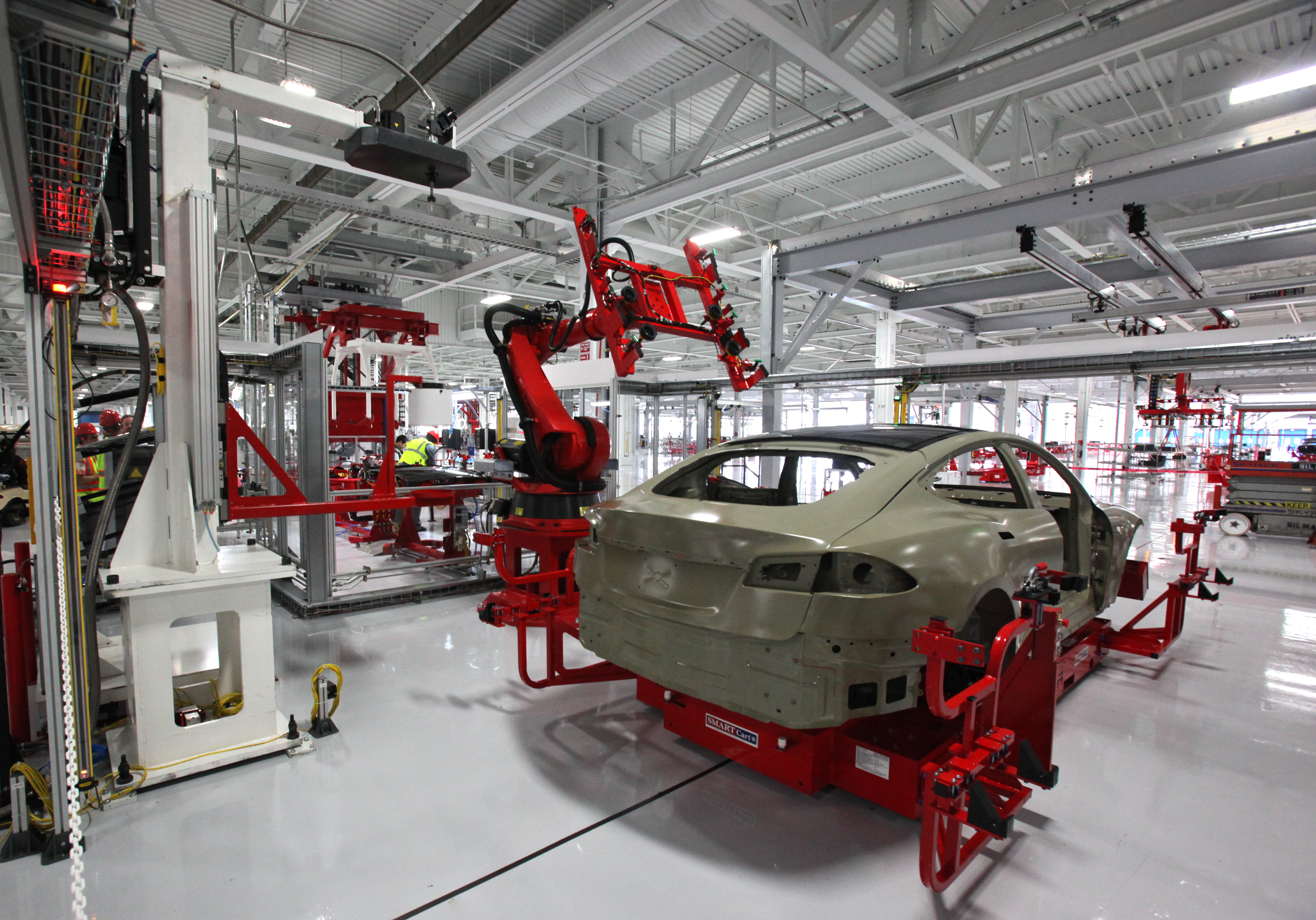
Today, Tesla’s manufacturing footprint spans several continents, with each location specializing in different aspects of the company’s technological portfolio, from lithium-ion battery cells to the sophisticated Full Self-Driving (FSD) computer hardware.
The North American Foundations: Fremont and Giga Texas
Tesla’s manufacturing journey began in Northern California and has since expanded to the heart of the “Silicon Hills” in Austin, Texas. These sites represent the evolution of Tesla’s production technology, from retrofitted legacy plants to purpose-built architectural marvels.
The Fremont Factory: The Original Tech Hub
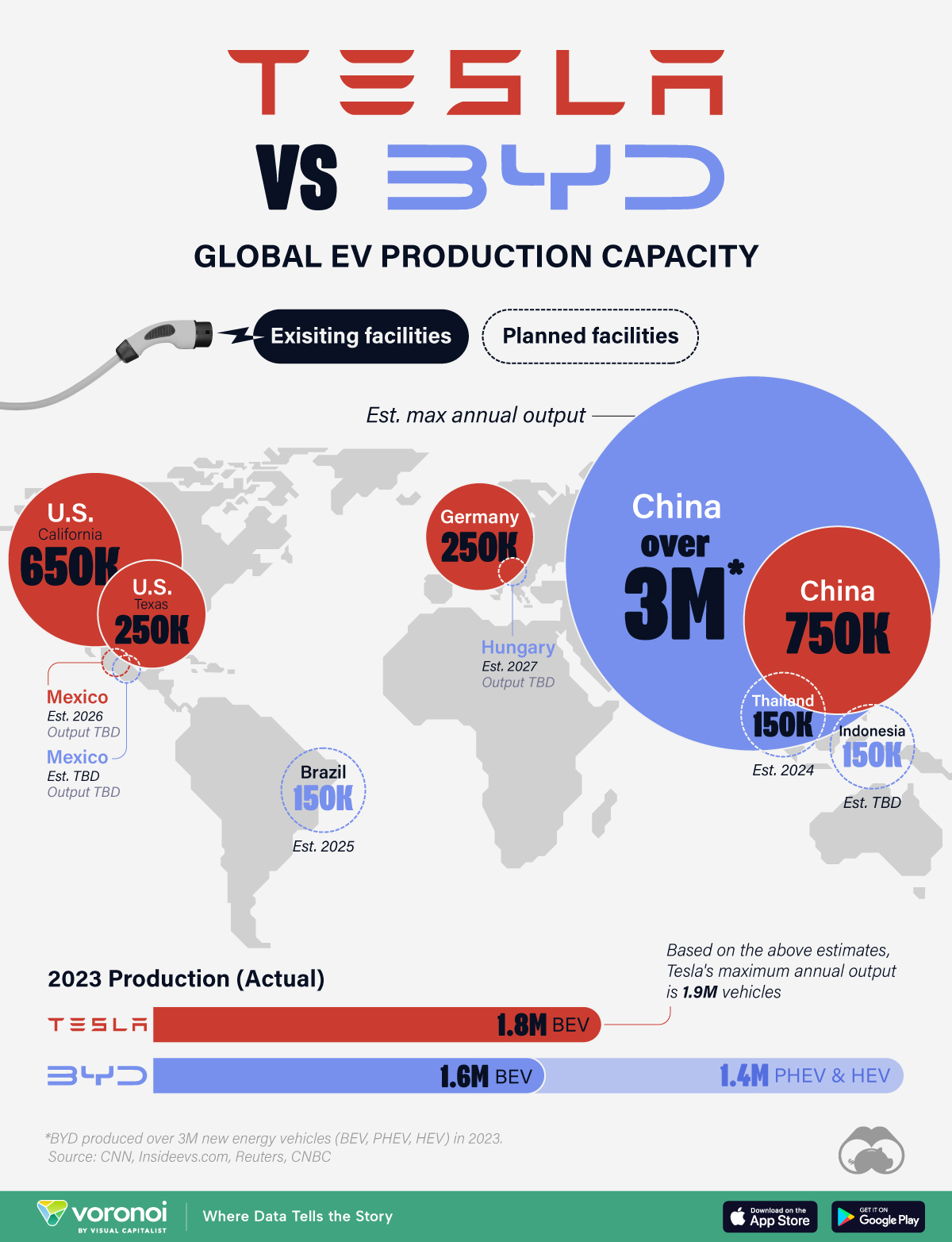
Located in Fremont, California, this facility was originally a joint venture between GM and Toyota (NUMMI). When Tesla took it over, they didn’t just move in; they gutted the traditional manufacturing philosophy. Today, Fremont is one of the most advanced automotive plants in the world. It is the only Tesla facility that produces all four of the company’s current passenger vehicles: the Model S, Model X, Model 3, and Model Y.
The technology at Fremont is characterized by its density. Because the site is geographically constrained, Tesla had to innovate vertically and use advanced logistics software to manage a constant flow of components. It serves as the primary testing ground for new manufacturing techniques before they are exported to other Gigafactories.
Giga Texas: The Future of Vertical Integration
Giga Texas, located in Austin, serves as the company’s global headquarters and its most technologically advanced facility to date. This “Gigafactory” is designed as a single continuous building, optimizing the flow of materials to reduce the “travel time” of a car during its assembly.
Giga Texas is the home of the Cybertruck, a vehicle that required the development of entirely new manufacturing tech, such as the ultra-hard cold-rolled stainless-steel exoskeleton. Furthermore, Texas is a primary site for the production of the 4680 battery cells. These cells are a technological breakthrough, featuring a “tabless” design that increases range and power density while significantly reducing production costs.
International Expansion: Giga Shanghai and Giga Berlin-Brandenburg
To become a global tech leader, Tesla had to move production closer to international markets, reducing the carbon footprint of logistics and tailoring hardware to regional specifications.
Giga Shanghai: The Export King and Efficiency Marvel
Giga Shanghai was a landmark achievement in industrial engineering, going from a muddy field to a functional production facility in less than a year. It is now Tesla’s primary export hub, supplying the Model 3 and Model Y to markets across Europe and Asia.
The technological hallmark of Shanghai is its extreme automation and supply chain localization. Over 95% of the components used in Shanghai-made Teslas are sourced locally, integrated via a sophisticated real-time inventory management system. This facility also pioneered the use of the “Giga Press”—a massive die-casting machine that produces the front and rear underbodies of the car as single pieces of aluminum. This replaces hundreds of individual parts, reducing weight and improving vehicle safety through structural integrity.
Giga Berlin-Brandenburg: Engineering for the European Market
Located in Grünheide, Germany, Giga Berlin is Tesla’s first manufacturing outpost in Europe. This facility is a testament to Tesla’s “software-first” approach to hardware. By locating in the heart of the European automotive industry, Tesla has integrated local engineering precision with Silicon Valley speed.
Giga Berlin is home to one of the most advanced paint shops in the world, utilizing multi-layered application technology that allows for unique colors like Midnight Cherry Red and Quicksilver. Beyond aesthetics, the plant focuses on sustainable tech, utilizing advanced water recycling systems and energy-efficient manufacturing processes that align with strict EU environmental regulations.
The Technological Core: Battery Production and Energy Storage
Tesla’s manufacturing identity is inseparable from its role as a battery technology company. The “Giga” in Gigafactory refers to the “gigawatt-hours” of battery capacity produced annually.
Giga Nevada: The Powerhouse
While Fremont builds the cars, Giga Nevada (located in Sparks, NV) builds the “engines.” In partnership with Panasonic, Giga Nevada produces the electric motors and lithium-ion battery packs for the Model 3. It is a massive complex dedicated to the chemistry and physics of energy storage.
The tech at Giga Nevada involves high-speed robotics that assemble thousands of individual battery cells into modules and packs with micrometer precision. This facility also handles the production of Tesla’s energy products, including the Powerwall and Megapack, which utilize the same cell technology to stabilize global power grids.
Giga New York: Solar and Charging Infrastructure
Located in Buffalo, Giga New York is focused on the “other side” of the electric revolution: energy generation. This facility manufactures the Solar Roof and traditional solar panels. It also serves as a production hub for Supercharger components. The technology here revolves around photovoltaic efficiency and power electronics, ensuring that the hardware used to charge Tesla vehicles is as advanced as the vehicles themselves.
Innovation in Manufacturing: The “Unboxed” Process and Robotics
Tesla’s manufacturing locations are currently transitioning toward what the company calls the “Unboxed Process.” This is a radical departure from the traditional moving assembly line invented by Henry Ford.
The Unboxed Manufacturing Paradigm
In the traditional model, the car body moves down a line, and parts are added to it. In the “Unboxed” model, different sections of the vehicle are worked on simultaneously in separate “sub-assemblies.” Only at the final stage are these large modules—the front, the rear, the structural battery pack, and the interior—snapped together.
This process requires incredibly precise robotics and computer vision. By reducing the footprint of the factory by 40%, Tesla can build new plants faster and at a lower cost. This technological shift is expected to be fully realized in the production of Tesla’s next-generation vehicle platform.
The Role of AI and Tesla Bot (Optimus)
Manufacturing at Tesla is increasingly becoming an AI-driven endeavor. The same neural networks that power Full Self-Driving are being adapted to control factory robots. Tesla is currently integrating “Optimus,” its humanoid robot, into the manufacturing workflow. These robots are designed to handle repetitive, dangerous, or boring tasks that traditional specialized robots cannot perform. By using AI to navigate the factory floor, Tesla is moving toward a future where the factory is a fully autonomous organism.

Conclusion: A Global Network of High-Tech Innovation
Tesla vehicles are manufactured across a strategically placed global network: Fremont and Austin in the United States, Shanghai in China, and Berlin in Germany, supported by specialized component plants in Nevada and New York. However, the “where” is only part of the story. The “how” is defined by a relentless pursuit of technological superiority.
Through the use of the Giga Press, the development of the 4680 battery cell, and the implementation of AI-driven assembly, Tesla’s manufacturing sites are more than just factories—they are the physical manifestation of the company’s software and engineering philosophy. As Tesla eyes future expansions in locations like Mexico and potentially India, the blueprint remains the same: treat the factory as a high-performance computer, optimize the code of production, and scale the hardware to accelerate the world’s transition to sustainable energy.
aViewFromTheCave is a participant in the Amazon Services LLC Associates Program, an affiliate advertising program designed to provide a means for sites to earn advertising fees by advertising and linking to Amazon.com. Amazon, the Amazon logo, AmazonSupply, and the AmazonSupply logo are trademarks of Amazon.com, Inc. or its affiliates. As an Amazon Associate we earn affiliate commissions from qualifying purchases.