
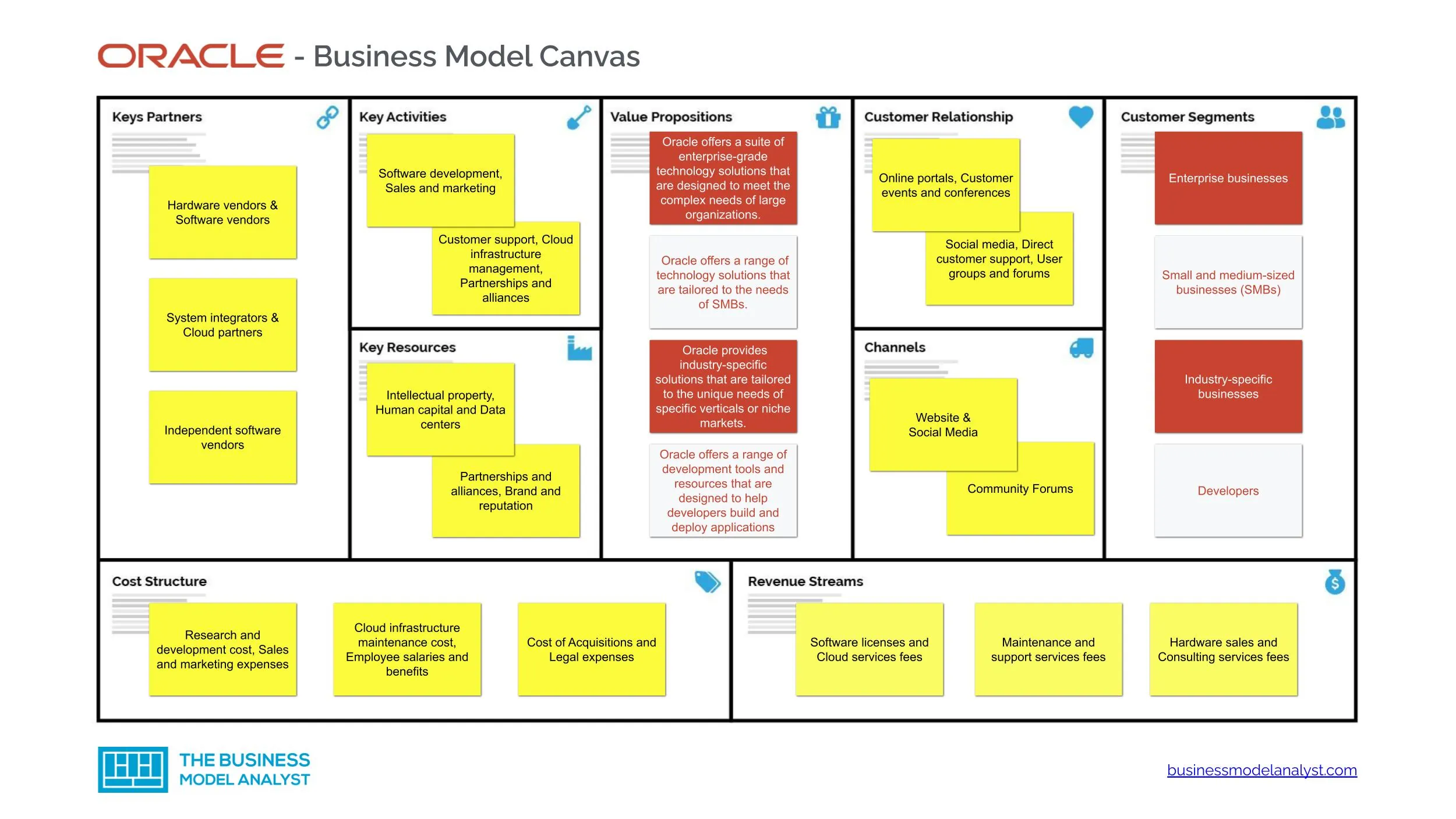
For decades, the name Oracle has been synonymous with the backbone of enterprise computing. While the average consumer may not interact with Oracle products as directly as they do with a smartphone or a search engine, Oracle’s technology is the silent engine behind global banking, healthcare systems, supply chains, and telecommunications. To understand what Oracle sells is to understand the architecture of the modern corporate world.
Originally founded as a database company, Oracle has evolved into a comprehensive technology provider. Its portfolio now spans cloud infrastructure, enterprise software applications, and specialized hardware. As the tech industry shifts toward artificial intelligence and autonomous systems, Oracle has repositioned itself not just as a data storage provider, but as a full-stack cloud and AI powerhouse.

The Foundation: Oracle Database and Autonomous Technology
At its core, Oracle is still a data company. Its flagship product, the Oracle Database, remains the world’s most popular relational database management system (RDBMS) for mission-critical enterprise workloads.
The Relational Database Management System (RDBMS)
Oracle’s primary revenue driver for decades has been its proprietary database software. Designed to handle massive amounts of structured data, the Oracle Database is known for its high availability, scalability, and security. It is the preferred choice for organizations that cannot afford a second of downtime, such as stock exchanges and global retailers. Oracle sells licenses for this software as well as support contracts, ensuring that businesses can manage complex data relationships with extreme precision.
The Rise of the Autonomous Database
In recent years, Oracle has revolutionized its core product by introducing the Oracle Autonomous Database. This is a “self-driving” system that uses machine learning to perform tasks that previously required a human Database Administrator (DBA). It automatically handles patching, tuning, and updates without requiring the system to go offline. By selling this as a cloud service, Oracle reduces the risk of human error and significantly lowers the total cost of ownership for its clients.
MySQL and Open Source Integration
While Oracle is known for its high-end proprietary software, it also owns and sells commercial support for MySQL, the world’s most popular open-source database. By offering a commercial version of MySQL, Oracle captures a different segment of the market—developers and tech startups who need a lighter, more flexible database solution that can scale as their business grows.
Cloud Infrastructure: Competing in the IaaS and PaaS Markets
As the world moved away from on-premises data centers, Oracle made a massive pivot to the cloud. Today, Oracle Cloud Infrastructure (OCI) is one of the fastest-growing segments of the company’s business, competing directly with giants like Amazon Web Services (AWS), Microsoft Azure, and Google Cloud.
Oracle Cloud Infrastructure (OCI)
OCI is Oracle’s Infrastructure-as-a-Service (IaaS) offering. It provides the raw computing power, storage, and networking capabilities that businesses need to run their operations in the cloud. Oracle differentiates OCI by focusing on high-performance computing (HPC) and superior price-to-performance ratios. Because Oracle entered the cloud market later than its competitors, it was able to build a “Generation 2” cloud designed specifically for the security and performance requirements of enterprise-level workloads.
Platform as a Service (PaaS)
Beyond raw infrastructure, Oracle sells a variety of Platform-as-a-Service (PaaS) tools. These are designed for developers who need to build, deploy, and manage applications without worrying about the underlying hardware. This includes developer tools, business analytics suites, and integration services that allow different software systems to communicate with one another.
Multi-Cloud and Hybrid Cloud Solutions
Oracle has recognized that many businesses do not want to be locked into a single cloud provider. Consequently, they sell “Cloud@Customer” solutions, which bring Oracle’s cloud services directly into a client’s physical data center. They have also established strategic partnerships, such as Oracle Database@Azure, allowing customers to run Oracle’s high-performance database services directly within the Microsoft Azure ecosystem.
Enterprise Applications: Powering Global Business Operations
Oracle is one of the world’s largest providers of Software-as-a-Service (SaaS). These are ready-to-use applications that businesses subscribe to in order to manage their daily operations. Oracle’s SaaS portfolio is divided into several key pillars that cover nearly every aspect of corporate management.
Enterprise Resource Planning (ERP)
Oracle Fusion Cloud ERP is a market leader in financial management software. It allows companies to manage their accounting, procurement, project management, and risk management in a single, unified platform. By selling ERP as a subscription, Oracle provides businesses with real-time insights into their financial health, helping them make faster, data-driven decisions.
NetSuite for the Mid-Market
Recognizing that small and medium-sized businesses (SMBs) have different needs than multinational corporations, Oracle acquired NetSuite. NetSuite is a comprehensive, cloud-native ERP designed for growing companies. It offers a suite of tools for accounting, inventory management, and e-commerce, making it one of Oracle’s most successful and widely adopted product lines.
Human Capital Management (HCM)
Oracle sells sophisticated HR software known as Oracle Fusion Cloud HCM. This suite manages the entire employee lifecycle, from recruitment and onboarding to payroll and performance reviews. In a world of remote and hybrid work, these tools have become essential for maintaining company culture and ensuring compliance with global labor laws.
Customer Experience (CX) and Supply Chain Management (SCM)
Oracle also sells specialized software for sales, marketing, and customer service (CX), as well as complex Supply Chain Management (SCM) tools. The SCM suite is particularly vital for manufacturers and logistics companies, providing end-to-end visibility into the movement of goods, from the raw material stage to the final delivery at the customer’s doorstep.
Industry-Specific Solutions and Vertical Markets
One of Oracle’s most significant competitive advantages is its focus on “verticals”—software built specifically for a particular industry rather than a general business function.
Healthcare and the Cerner Acquisition
With the multi-billion dollar acquisition of Cerner, Oracle has become a dominant player in the healthcare technology space. They sell Electronic Health Record (EHR) systems that allow hospitals and clinics to manage patient data securely. Oracle is currently working to modernize these systems using cloud and AI technology to improve patient outcomes and reduce the administrative burden on medical professionals.
Financial Services and Retail
Oracle sells specialized applications for the banking sector, including core banking platforms and anti-money laundering tools. In the retail sector, they offer point-of-sale (POS) systems, inventory optimization tools, and specialized analytics that help retailers predict consumer demand.
Communications and Utilities
Oracle provides the “BSS/OSS” (Business Support Systems and Operations Support Systems) that telecommunications companies use to bill customers and manage their networks. Similarly, they sell “Smart Grid” solutions to utility companies to help them manage energy distribution and consumer billing more efficiently.
Hardware and Engineered Systems
While Oracle is primarily a software and cloud company, it still maintains a significant hardware business. This stems largely from its 2010 acquisition of Sun Microsystems. However, Oracle’s hardware strategy is different from a general-purpose hardware vendor; they sell hardware that is specifically “engineered” to run Oracle software better than any other machine.
Exadata Database Machine
The flagship of Oracle’s hardware line is Exadata. This is a composite of servers, storage, and networking hardware that is optimized specifically for running the Oracle Database. By selling the hardware and software as a single “converged” system, Oracle can provide levels of performance and data processing speeds that are impossible to achieve on generic hardware.
ZFS Storage and Specialized Servers
Oracle also sells high-performance storage solutions and servers based on the SPARC architecture. While the market for proprietary servers has narrowed, these systems remain vital for specific industries that require massive multi-threading capabilities and high-level security features baked directly into the silicon of the processor.
The Future of Oracle: AI and Generative Integration
In the current technological landscape, Oracle is aggressively selling Artificial Intelligence. However, unlike companies that sell AI as a standalone chatbot, Oracle is embedding AI into every layer of its existing product stack.
Generative AI in Enterprise Apps
Oracle now sells “AI-powered” versions of its ERP, HCM, and CX suites. For example, in the HR module, AI can automatically generate job descriptions or summarize candidate resumes. In the ERP module, AI can predict cash flow fluctuations or identify fraudulent transactions before they occur.
OCI AI Services
For developers, Oracle sells a suite of AI services through OCI. This includes pre-trained models for image recognition, natural language processing, and speech-to-text. Furthermore, Oracle’s partnership with NVIDIA allows them to sell massive clusters of GPUs (Graphics Processing Units) in the cloud, providing the computational power necessary for other companies to train their own large language models (LLMs).

Data Intelligence
The ultimate value proposition Oracle sells today is the ability to turn data into intelligence. By combining their legacy in database management with modern cloud infrastructure and generative AI, Oracle sells a closed-loop system where data is stored, processed, analyzed, and used to automate business outcomes.
From the database in the server room to the cloud-based AI tools used by modern executives, Oracle sells the essential tools of the digital economy. Their transition from a software-license model to a cloud-subscription model ensures that they remain a central pillar of the technology industry for years to come.
aViewFromTheCave is a participant in the Amazon Services LLC Associates Program, an affiliate advertising program designed to provide a means for sites to earn advertising fees by advertising and linking to Amazon.com. Amazon, the Amazon logo, AmazonSupply, and the AmazonSupply logo are trademarks of Amazon.com, Inc. or its affiliates. As an Amazon Associate we earn affiliate commissions from qualifying purchases.