
In the early days of the smartphone revolution, the digital landscape felt like a frontier where everything was either experimental, ad-supported, or entirely free. However, as the ecosystem matured into a multi-billion-dollar industry, the “free” era began to give way to a more complex economic reality. Today, encountering a price tag on the App Store or Google Play is common, and many users find themselves asking why they must pay for software that exists only as code on a screen. The answer lies at the intersection of high-level software engineering, massive infrastructure requirements, and the evolving security standards of the modern tech world.

The Engineering Reality: Software is Never “Finished”
The primary reason apps cost money is that software development is one of the most labor-intensive industries in existence. Unlike a physical product that is manufactured and sold in a static state, an app is a living entity.
The Cost of Human Capital
Building a high-quality application requires a multidisciplinary team of specialists. This includes UI/UX designers who ensure the interface is intuitive, front-end developers who write the code you interact with, back-end engineers who manage databases, and QA (Quality Assurance) testers who hunt for bugs. In the technology sector, these professionals command high salaries because of the specialized logic and creative problem-solving required. When you pay for an app, you are essentially subsidizing the thousands of hours of highly skilled labor required to bring that tool to life.
Continuous Integration and Updates
In the tech world, “stagnation is death.” An app that worked perfectly on an iPhone 12 might break entirely on an iPhone 15 due to changes in hardware architecture or operating system updates. Developers must constantly update their code to ensure compatibility with new versions of iOS and Android. Furthermore, security vulnerabilities are discovered daily. Paying for an app ensures that the developer has the financial resources to provide ongoing patches, feature updates, and performance optimizations. Without a revenue stream, an app quickly becomes “abandonware”—software that is no longer maintained, eventually becoming buggy or unusable.
The Complexity of the Tech Stack
Modern apps are rarely self-contained. They rely on a “stack” of various technologies, many of which the developer must pay for. For instance, if an app uses high-quality mapping features, it likely integrates the Google Maps API, which charges developers based on usage. If an app offers cloud storage, the developer is paying a provider like Amazon Web Services (AWS) or Microsoft Azure for every gigabyte you upload. These third-party costs are invisible to the user but are a significant part of the overhead that necessitates a purchase price.
The Infrastructure Behind the Icon
When you download an app, you aren’t just getting a file; you are entering an ecosystem supported by massive physical and digital infrastructure. The costs associated with keeping an app functional and accessible are staggering.
Server Maintenance and Data Transfer
Nearly every modern app—from productivity tools to social media—requires a back-end server. These servers process data, synchronize accounts across devices, and manage user authentication. High-traffic apps require “scaling,” which means adding more server power as the user base grows. This is a recurring monthly cost for the developer. If an app is free with no monetization strategy, the developer is essentially losing money every time a new user signs up and consumes server resources.
Security and Data Encryption
In an era of frequent data breaches, digital security is a non-negotiable expense. Implementing end-to-end encryption, securing databases against SQL injections, and complying with global privacy regulations like GDPR require sophisticated tools and constant monitoring. Developers often hire external security firms to perform “penetration testing” to find weaknesses before hackers do. These security protocols are expensive to maintain but are essential for protecting user data, and the cost is naturally reflected in the app’s price.
Latency and Global Distribution
For an app to feel fast, the data needs to be physically close to the user. Developers use Content Delivery Networks (CDNs) to mirror their data across servers worldwide. This ensures that a user in Tokyo and a user in New York experience the same low latency. CDNs charge based on the volume of data transferred. For apps that involve video streaming or high-resolution images, these distribution costs can be the largest line item in a developer’s budget.
The Gatekeeper’s Toll: The Role of App Stores
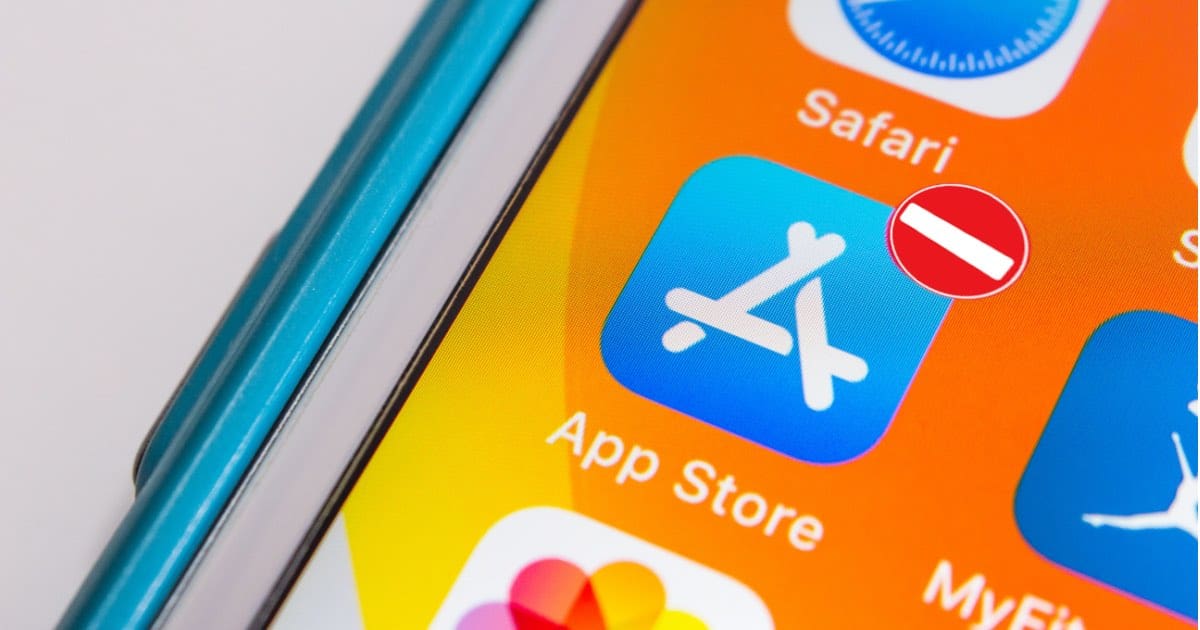
A significant portion of why apps cost money—or why they cost as much as they do—revolves around the platforms that host them. Apple’s App Store and the Google Play Store are not just libraries; they are curated marketplaces with strict rules and high entry fees.
The Commission Structure
Both Apple and Google generally take a 15% to 30% cut of every app sale and in-app purchase. This “platform tax” covers the cost of hosting the app files, processing payments across hundreds of different currencies, and providing the global storefront. If a developer wants to pocket $1.00 from a sale, they often have to charge $1.49 to account for the platform’s slice. This economic reality forces developers to price their software higher than they might otherwise.
Curation and Quality Control
Unlike the open web, where anyone can host a website, app stores require a rigorous review process. Apple and Google employ thousands of people to manually review every app submission for malware, offensive content, and adherence to design guidelines. While this “walled garden” approach provides users with a safer experience, it adds a layer of bureaucratic and technical friction for developers. Maintaining an active developer account also requires an annual subscription fee, further adding to the cost of doing business.
Digital Rights Management (DRM)
App stores provide the DRM technology that prevents software piracy. In the past, desktop software was easily “cracked” and shared for free. Mobile app stores integrate license checking into the download process, ensuring that only users who have paid can access the software. This technology protects the developer’s intellectual property, making the paid model viable in the first place.
The Shift in Monetization: Why “Free” Isn’t Always Better
The tech industry has largely moved away from the “one-time purchase” model toward subscriptions and “freemium” models. This shift is a response to the need for sustainable, long-term development.
The Hidden Cost of Free Apps
When an app is completely free and contains no ads or in-app purchases, it is often a red flag regarding privacy. In the tech industry, the saying goes: “If you aren’t paying for the product, you are the product.” Many free apps monetize by collecting granular user data—location, contacts, browsing habits—and selling it to data brokers or advertisers. By paying for an app, you are often buying a more private, ethical experience where the developer is beholden to you, the customer, rather than an advertising conglomerate.
The Subscription Economy (SaaS)
Software as a Service (SaaS) has become the dominant model. Users often ask why they must pay a monthly fee for a tool that used to be a one-time buy. The reality is that the old model was unsustainable for developers. A one-time payment doesn’t cover the cost of five years of server hosting and feature updates. Subscriptions provide a predictable “burn rate” for tech companies, allowing them to hire permanent staff to provide continuous support and innovation.
Ad-Free Experiences and Performance
Many apps offer a “Pro” or paid version to remove advertisements. From a technical standpoint, ads are more than just a visual nuisance; they are external scripts that must be loaded from third-party servers. These scripts consume battery life, use mobile data, and can slow down the app’s performance. Paying for an app often results in a leaner, faster, and more battery-efficient version of the software because it isn’t bogged down by the overhead of an ad-delivery SDK (Software Development Kit).
The Future of App Value
As we look forward, the value proposition of apps is shifting from “access to a tool” to “access to an evolving service.” The integration of Artificial Intelligence (AI) is a prime example of this evolution.
AI and Computational Costs
New generations of apps are integrating Large Language Models (LLMs) and generative AI. Every time you ask an AI-powered app to write a poem or edit a photo, it sends a request to a massive GPU cluster in the cloud. These “compute” costs are significantly higher than traditional server costs. Because of this, we are seeing a rise in paid apps specifically because the cost per user interaction has increased.
Ecosystem Integration
Modern apps are increasingly part of a larger interconnected web of devices. A paid app today often includes a version for your phone, your tablet, your watch, and your desktop, all synced via the cloud. The technical challenge of maintaining “state” across four different hardware architectures is immense. The price reflects this multi-platform utility, providing a seamless experience that was technically impossible a decade ago.
In conclusion, paying for an app is rarely about the “download” itself. It is a contribution toward the human expertise, the physical server infrastructure, the platform security, and the ongoing maintenance required to keep modern technology functional. By choosing paid software, users are supporting a more sustainable, private, and high-performance digital ecosystem that prioritizes quality over data exploitation.
aViewFromTheCave is a participant in the Amazon Services LLC Associates Program, an affiliate advertising program designed to provide a means for sites to earn advertising fees by advertising and linking to Amazon.com. Amazon, the Amazon logo, AmazonSupply, and the AmazonSupply logo are trademarks of Amazon.com, Inc. or its affiliates. As an Amazon Associate we earn affiliate commissions from qualifying purchases.