
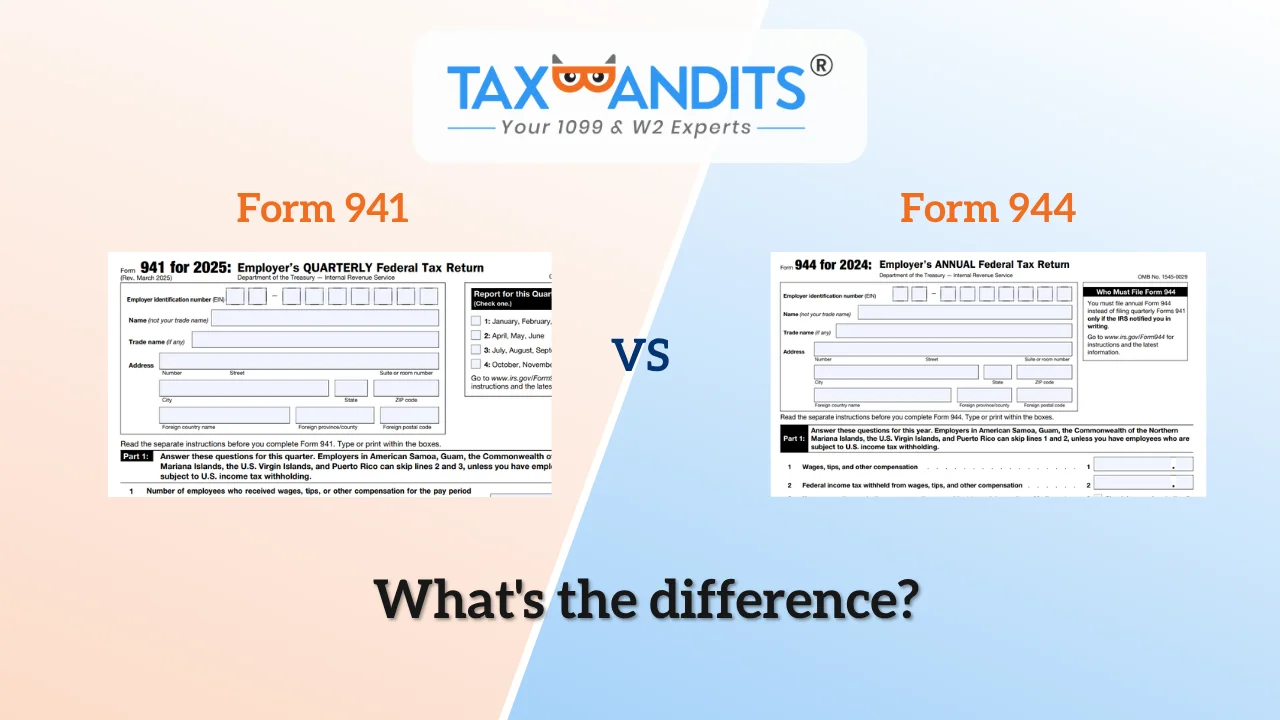
Navigating the complexities of federal tax obligations is a fundamental aspect of running a successful business. Among the various requirements, Form 941—the Employer’s Quarterly Federal Tax Return—stands as one of the most critical documents for any entity with employees. This form is used to report income taxes, Social Security tax, and Medicare tax withheld from employee wages, as well as the employer’s portion of Social Security and Medicare taxes.
A common point of confusion for many business owners occurs when a return is ready to be filed, but the corresponding payment is handled separately or has already been made via the Electronic Federal Tax Payment System (EFTPS). The Internal Revenue Service (IRS) maintains different processing centers based on whether a payment voucher is included with the paper return. Understanding exactly where to file Form 941 without payment is essential for ensuring your business remains compliant and avoids unnecessary processing delays.
Understanding Form 941 and Filing Deadlines
Before diving into the specific mailing addresses, it is vital to understand the structural role Form 941 plays in your business’s financial health. Most employers who pay wages to an employee must file Form 941 every quarter. This remains true even if you have no taxes to report for a specific quarter, unless you have filed a final return or are a seasonal employer.
The Quarterly Cycle
Form 941 is due by the last day of the month following the end of the quarter. For example:
-
First Quarter (January–March): Due April 30.
-
Second Quarter (April–June): Due July 31.
-
Third Quarter (July–September): Due October 31.
-
Fourth Quarter (October–December): Due January 31.
If you have made timely deposits in full payment of the taxes due for the quarter, you may be granted an additional 10 days beyond the standard deadline to file the return. However, accuracy is paramount. Even if you cannot afford to make the payment at the time of filing, the IRS strongly encourages businesses to file the return on time to avoid the “failure-to-file” penalty, which is often more substantial than the “failure-to-pay” penalty.
Why Filing Without Payment is Common
In the modern financial landscape, many businesses use the Electronic Federal Tax Payment System (EFTPS) to handle their tax deposits. Because the funds are transferred electronically, the physical Form 941 sent through the mail does not need to include a check or a Form 941-V (Payment Voucher). Additionally, some businesses may find themselves in a temporary cash-flow crunch where they can report the liability but cannot immediately remit the funds. In both scenarios, knowing the specific destination for a “no-payment” return is necessary.
Where to Mail Form 941 (State-by-State Directory)
The IRS distributes its workload across several regional processing centers. The address you use depends entirely on the location of your principal place of business and whether you are enclosing a payment. When filing without a payment, you are essentially sending the IRS a data report rather than a financial instrument, which is why these returns are routed to specific centers optimized for data entry.
Group 1: The Eastern and Midwestern Hub
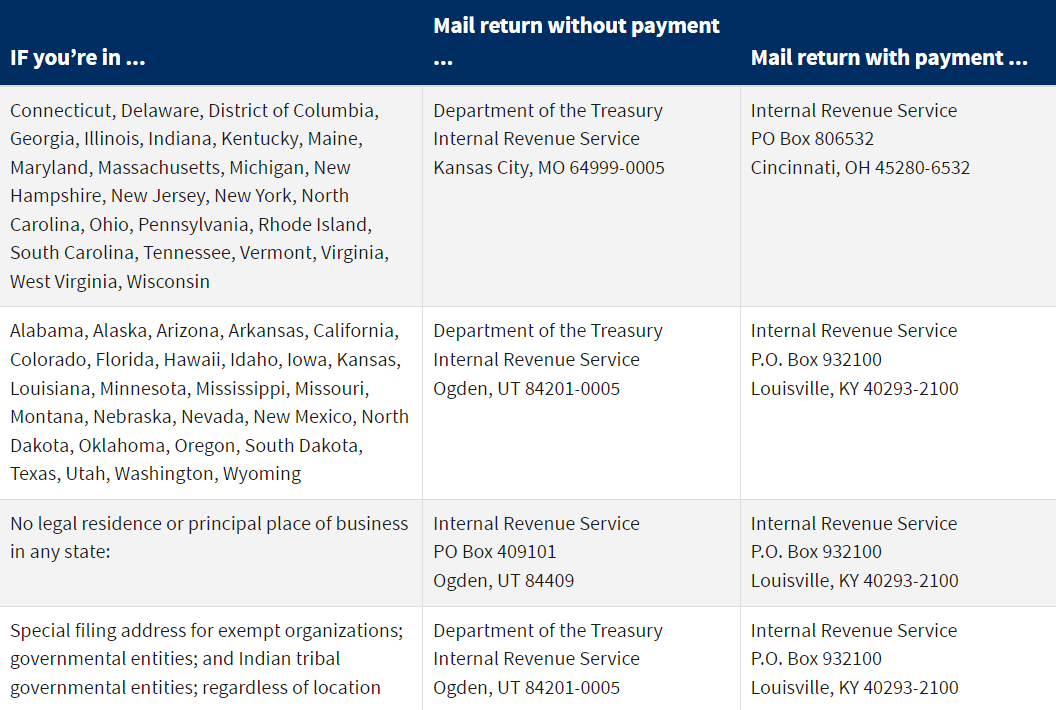
If your business is located in Connecticut, Delaware, District of Columbia, Georgia, Illinois, Indiana, Kentucky, Maine, Maryland, Massachusetts, Michigan, New Hampshire, New Jersey, New York, North Carolina, Ohio, Pennsylvania, Rhode Island, South Carolina, Vermont, Virginia, West Virginia, or Wisconsin, you fall into the first major processing group.
For these states, when you are not including a payment, your return should be mailed to:
Department of the Treasury
Internal Revenue Service
Kansas City, MO 64999-0005
Group 2: The Western and Southern Hub
If your principal place of business is in Alabama, Alaska, Arizona, Arkansas, California, Colorado, Florida, Hawaii, Idaho, Iowa, Kansas, Louisiana, Minnesota, Mississippi, Missouri, Montana, Nebraska, Nevada, New Mexico, North Dakota, Oklahoma, Oregon, South Dakota, Tennessee, Texas, Utah, Washington, or Wyoming, you are directed to the Western hub.
For these states, when you are not including a payment, your return should be mailed to:
Department of the Treasury
Internal Revenue Service
Ogden, UT 84201-0005
Exceptions and Special Locations
Businesses located in U.S. territories or those filing from foreign countries have a specific destination. If your business is in American Samoa, Guam, the Commonwealth of the Northern Mariana Islands, the U.S. Virgin Islands, or Puerto Rico—or if you are a “Special Filing Entity”—you must use the following address for returns without payment:
Internal Revenue Service
P.O. Box 409101
Ogden, UT 84409
Digital Filing: The Modern Alternative to Paper Returns
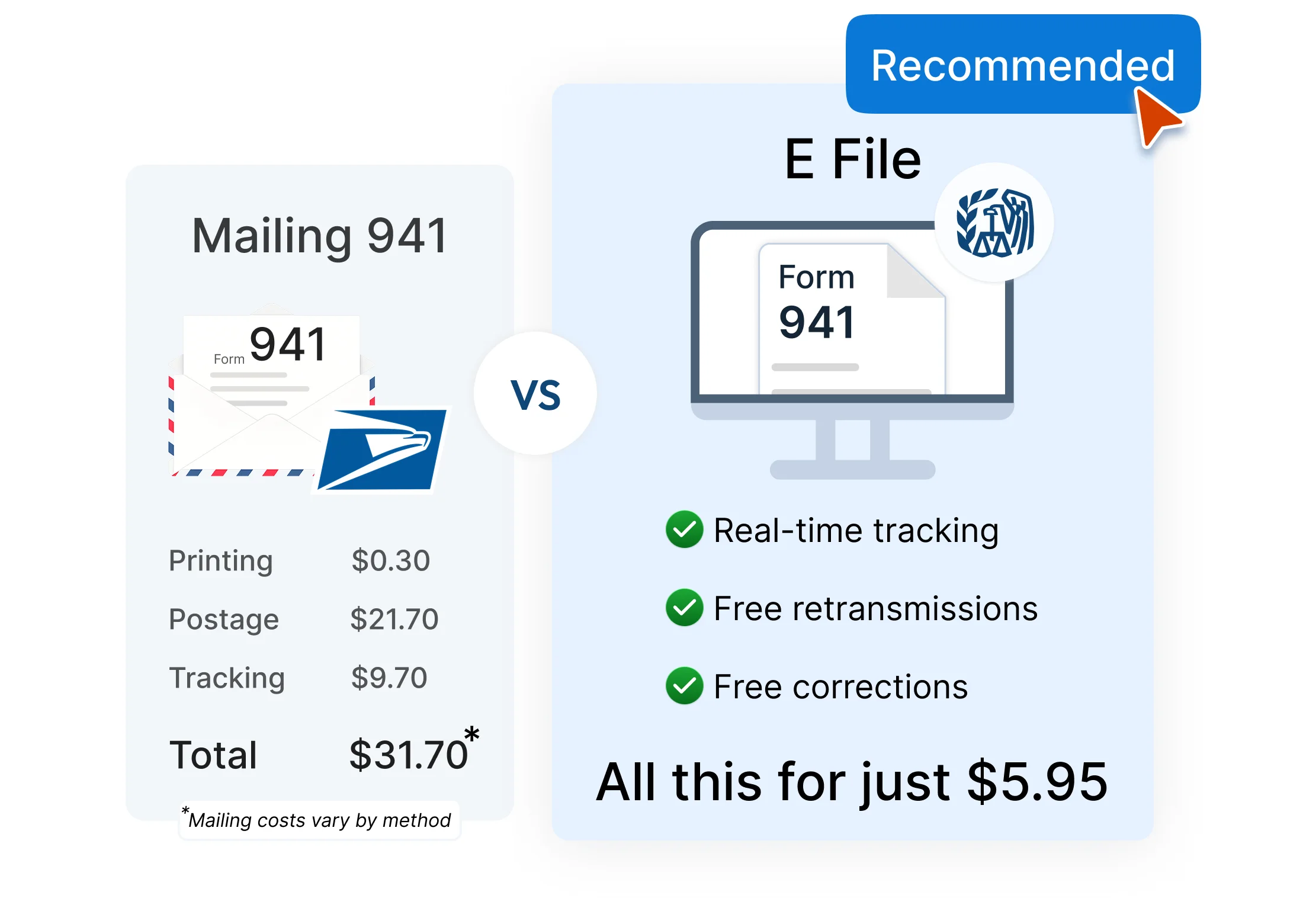
While paper filing remains an option, the IRS and financial experts increasingly recommend electronic filing (e-filing). For a modern business, e-filing Form 941 is not just a matter of convenience; it is a strategic move that enhances financial accuracy and security.
The Advantages of E-filing
E-filing eliminates the guesswork of “where to mail” your form. When you use IRS-approved software or a tax professional, the return is transmitted directly to the correct IRS server.
-
Immediate Acknowledgment: You receive a confirmation within 24 hours that the IRS has received your return.
-
Increased Accuracy: Tax software performs real-time error checks, significantly reducing the likelihood of notices regarding math errors or missing information.
-
Security: Mailing sensitive payroll data—including Social Security numbers—carries inherent risks. Encrypted electronic transmission is vastly more secure than the postal system.
-
Speed: If you are expecting a credit or an overpayment carry-forward, electronic returns are processed much faster than paper ones.
IRS Free File and Third-Party Financial Tools
Small businesses can often take advantage of various software integrations. Many payroll providers (like Gusto, QuickBooks, or ADP) automatically file Form 941 on behalf of the business as part of their service. If you manage your payroll manually, you can use authorized e-file providers found on the IRS website. While there may be a small fee associated with third-party software, the cost is usually offset by the time saved and the reduction in potential mailing errors.
Managing Cash Flow and Tax Liabilities
The decision to file Form 941 without payment is often a strategic financial choice. However, it requires a clear understanding of the implications for your business’s balance sheet and its relationship with the federal government.
The Importance of Filing Even Without Funds
It is a common misconception that if you cannot pay the tax, you should wait to file the return. This is a dangerous financial error. The IRS imposes two primary penalties: the failure-to-file penalty and the failure-to-pay penalty.
-
Failure-to-File: This penalty is generally 5% of the unpaid tax for each month or part of a month that a return is late, capped at 25%.
-
Failure-to-Pay: This penalty is 0.5% of the unpaid tax for each month or part of a month the tax remains unpaid, also capped at 25%.
By filing Form 941 on time—even without payment—you completely eliminate the 5% monthly failure-to-file penalty. From a cash-flow management perspective, it is significantly cheaper to owe the IRS and pay the 0.5% interest/penalty rate than it is to avoid filing and be hit with the 5% rate.
Utilizing Installment Agreements
If your business is unable to make the full payment due on Form 941, filing the form is the first step toward a resolution. Once the return is filed and the liability is acknowledged, the business can apply for an Online Payment Agreement or a formal Installment Agreement. The IRS is often more willing to work with businesses that are proactive in their reporting and show a commitment to compliance.
Best Practices for Tax Compliance and Record Keeping
To ensure that your quarterly filing process is as seamless as possible, establishing a robust internal financial workflow is essential. Whether you are mailing a paper return to Ogden or Kansas City, or filing electronically, consistency is the key to avoiding audits and penalties.
Double-Check Your Totals
Before sending Form 941, reconcile your payroll records with your bank deposits. Ensure that the total taxes reported on Line 12 of the form match the total deposits you made during the quarter. Discrepancies here are the leading cause of IRS correspondence. If you are filing without payment because you already paid via EFTPS, ensure that your EFTPS records reflect the exact amount stated on the form.
Maintain Copies of Everything
If you choose to mail a paper return, always send it via Certified Mail with a Return Receipt Requested. This provides legal proof of “timely mailing,” which the IRS accepts as “timely filing.” Keep a physical and digital copy of the signed Form 941, the mailing receipt, and the delivery confirmation in your permanent tax records. The IRS recommends keeping employment tax records for at least four years after the tax becomes due or is paid, whichever is later.
Stay Informed on Form Updates
The IRS frequently updates Form 941 to reflect changes in tax law, such as adjustments to Social Security wage caps or new tax credits (like those seen during the COVID-19 pandemic). Always download the most recent version of the form from IRS.gov before filing. Using an outdated form can lead to processing errors and might result in the return being sent back to you, potentially causing you to miss the filing deadline.
By understanding the logistical requirements of where to file and the strategic importance of timely reporting, business owners can navigate the quarterly tax cycle with confidence. Whether you are mailing a “no-payment” return to a regional processing center or leveraging modern e-filing tools, the goal remains the same: maintaining a transparent, compliant, and fiscally responsible relationship with the IRS.
aViewFromTheCave is a participant in the Amazon Services LLC Associates Program, an affiliate advertising program designed to provide a means for sites to earn advertising fees by advertising and linking to Amazon.com. Amazon, the Amazon logo, AmazonSupply, and the AmazonSupply logo are trademarks of Amazon.com, Inc. or its affiliates. As an Amazon Associate we earn affiliate commissions from qualifying purchases.