
Navigating the complexities of the tax calendar is a fundamental pillar of personal and business financial management. While “Tax Day” is a term ingrained in the public consciousness, the reality of tax obligations is far more nuanced than a single date on a calendar. For the strategic investor, the side-hustle entrepreneur, and the disciplined W-2 employee, understanding the specific timelines for tax payments is essential for maintaining liquidity, avoiding unnecessary penalties, and optimizing cash flow.
Failure to adhere to these deadlines does more than just trigger paperwork; it incurs financial costs that can erode your net worth and disrupt your long-term investment goals. This guide explores the critical deadlines for federal and state taxes, the specialized requirements for the self-employed, and the financial strategies necessary to stay ahead of the Internal Revenue Service (IRS).

Understanding the Primary Individual Tax Deadlines
For the vast majority of individual taxpayers in the United States, the tax year follows the Gregorian calendar, ending on December 31. However, the deadline for settling the bill with the IRS typically falls several months later. Understanding the nuances of this timeline is the first step in effective annual financial planning.
The Standard April 15 Deadline
The most critical date for any taxpayer is April 15. This is the deadline for filing individual income tax returns (Form 1040) and, more importantly, for paying any remaining balance due for the prior tax year. It is a common misconception that an extension to file provides an extension to pay. Even if you receive permission to submit your paperwork later in the year, the IRS requires that your total tax liability be paid in full by April 15 to avoid interest and late-payment penalties.
From a cash flow perspective, April 15 also marks the final opportunity to contribute to certain tax-advantaged accounts for the previous year. Contributions to Traditional and Roth IRAs, as well as Health Savings Accounts (HSAs), can typically be made up until this deadline, allowing individuals to lower their taxable income retroactively for the prior year.
Filing Extensions: The October 15 Safety Net
If life circumstances or complex financial documentation prevent you from filing by mid-April, you can request an automatic six-month extension, moving your filing deadline to October 15. This is a vital tool for those with complicated investment portfolios, K-1 forms from private equity holdings, or international income that takes longer to document.
While the October deadline provides breathing room for accuracy, the financial burden remains tethered to April. To use an extension effectively without incurring debt, you must estimate your total liability and pay that amount by the April deadline. If your estimate is low, you will owe interest on the difference from April 15 until the date of payment.
Holidays and Weekends: How the Calendar Shifts Deadlines
The IRS does not require taxpayers to file or pay on days when federal offices are closed. If April 15 falls on a Saturday, Sunday, or a legal holiday, the deadline is moved to the next succeeding business day. Furthermore, residents of certain states—most notably Maine and Massachusetts—may have an extra day or two due to regional holidays like Emancipation Day (celebrated in Washington D.C.) or Patriots’ Day. Keeping a close eye on the annual calendar prevents a weekend surprise from becoming a late-payment liability.
Quarterly Estimated Payments for Freelancers and Business Owners
The American tax system is a “pay-as-you-go” system. For traditional employees, this is handled through payroll withholding. However, for those who earn income through side hustles, dividends, capital gains, or small business operations, the responsibility shifts to the individual to make quarterly estimated payments.
The 1099 and Side Hustle Tax Cycle
As the gig economy and independent contracting continue to grow, more individuals find themselves in the “1099” category. If you expect to owe $1,000 or more in taxes for the year after subtracting your withholding and credits, the IRS requires you to make estimated payments. This is not a suggestion but a requirement to ensure that the government receives its revenue throughout the year rather than in one lump sum.
For a business owner, failing to account for these quarterly payments can lead to a significant liquidity crisis in April. By treating tax obligations as a monthly or quarterly business expense rather than an annual surprise, you can maintain a more accurate picture of your business’s profitability.
Deadlines for the Four Installments
Estimated tax payments are divided into four periods, each with its own specific deadline. It is important to note that these quarters are not of equal length:
-
First Quarter (Jan 1 – March 31): Payment due April 15.
-
Second Quarter (April 1 – May 31): Payment due June 15.
-
Third Quarter (June 1 – Aug 31): Payment due September 15.
-
Fourth Quarter (Sept 1 – Dec 31): Payment due January 15 of the following year.
If you miss these dates, the IRS applies an underpayment penalty that is essentially an interest charge on the money you should have paid. Even if you receive a refund at the end of the year, you can still be penalized for not paying enough during a specific quarter.
Strategies to Avoid Underpayment Penalties
To avoid these penalties, most taxpayers aim for the “Safe Harbor” rule. Generally, you will not face a penalty if you pay at least 90% of the tax you owe for the current year or 100% of the tax you showed on your return for the prior year, whichever is smaller. For high-income earners (those with an adjusted gross income over $150,000), the prior-year requirement increases to 110%. Leveraging this rule allows you to plan your cash flow with certainty, even if your income fluctuates significantly from year to year.
State vs. Federal: Navigating Local Tax Timelines
While the federal deadlines are relatively uniform across the country, state tax obligations introduce an additional layer of complexity. Financial planning must account for the specific requirements of the state in which you reside or earn income.
Variations in State Income Tax Deadlines
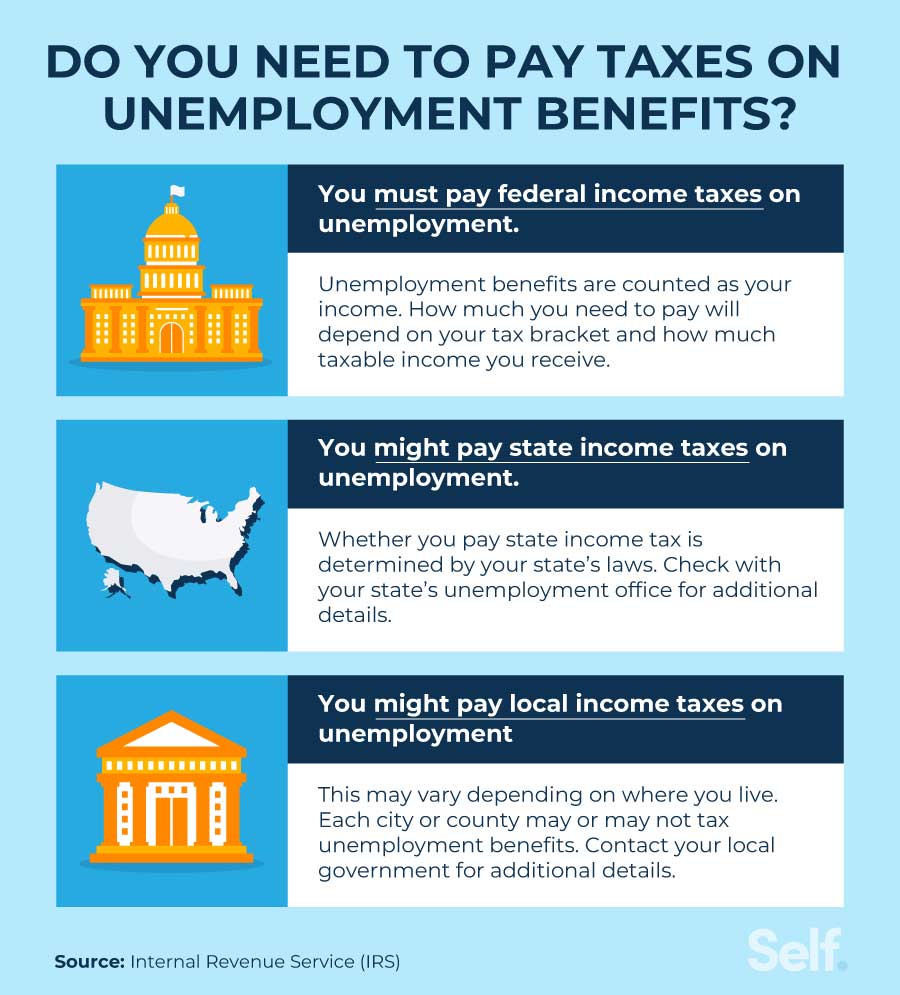
Most states align their income tax deadlines with the federal April 15 date to simplify the process for residents. However, this is not a universal rule. Some states may have different filing windows or specific extensions based on local legislation. For example, in the event of natural disasters—such as hurricanes, wildfires, or floods—state and federal authorities often collaborate to provide deadline relief for affected counties. It is crucial to monitor state department of revenue announcements, especially if you live in an area prone to seasonal environmental disruptions.
States with No Income Tax Requirements
For residents of states like Florida, Texas, Nevada, Washington, and Tennessee, the “tax day” stress is significantly reduced as there is no state-level individual income tax. However, the absence of income tax does not mean the absence of deadlines. Property taxes, corporate franchise taxes, and sales tax filings for business owners remain critical components of the financial calendar. In these jurisdictions, the focus of tax-related cash flow management shifts from April 15 income filings to property assessment cycles and business license renewals.
Financial Consequences of Missing the Deadline
Understanding the “when” of tax payments is primarily about avoiding the “how much” of penalties. The IRS is one of the world’s most persistent creditors, and the costs of non-compliance are structured to encourage prompt payment.
Failure-to-File vs. Failure-to-Pay Penalties
There is a significant difference between filing late and paying late. The “Failure to File” penalty is generally much higher—5% of the unpaid taxes for each month or part of a month that a tax return is late, up to 25%. On the other hand, the “Failure to Pay” penalty is 0.5% of the unpaid taxes for each month or part of a month the tax remains unpaid, also up to 25%.
If both penalties apply in the same month, the Failure to File penalty is reduced by the amount of the Failure to Pay penalty. From a strategic standpoint, if you cannot afford to pay your taxes, you should still file your return on time. This eliminates the more expensive filing penalty and starts the clock on your payment obligations, allowing you to negotiate a payment plan with the IRS.
Interest Accrual and Financial Planning
In addition to penalties, the IRS charges interest on underpayments. The interest rate is determined quarterly and is typically the federal short-term rate plus 3%. Because this interest compounds daily, a relatively small tax bill can quickly balloon into a significant financial burden. In a high-interest-rate environment, the “cost of capital” represented by unpaid taxes is often higher than the interest you could earn in a savings account, making tax payment a high-priority “debt” to clear.
Strategic Financial Tools for Managing Tax Obligations
Modern financial tools have made it easier than ever to track obligations and ensure that funds are available when deadlines arrive. Proactive management turns tax season from a period of stress into a routine administrative task.
Leveraging High-Yield Savings Accounts for Tax Reserves
One of the most effective strategies for anyone with non-withheld income is the “Tax Sinking Fund.” By setting aside 25% to 30% of every check into a dedicated high-yield savings account (HYSA), you ensure that the money is not only available for quarterly or annual payments but is also earning interest in the meantime. In a sense, you are making the time between the earning of income and the tax deadline work in your favor. By the time the April or quarterly deadline arrives, the interest earned on your tax reserve becomes a small “bonus” for your disciplined saving.

Digital Bookkeeping and Tax Software Integration
Gone are the days of the “shoebox full of receipts.” Digital bookkeeping tools and cloud-based accounting software provide real-time estimates of tax liability. By linking your business bank accounts to these tools, you can see a running tally of what you likely owe. This allows for mid-year adjustments—perhaps by increasing retirement contributions or making strategic business purchases—to lower your taxable income before the year ends.
Ultimately, knowing when to pay taxes is about more than just checking a date; it is about integrating those dates into a broader financial strategy. Whether you are a salaried employee or an entrepreneur, mastering the tax calendar ensures that you keep more of your hard-earned money and maintain the financial agility needed to grow your wealth.
aViewFromTheCave is a participant in the Amazon Services LLC Associates Program, an affiliate advertising program designed to provide a means for sites to earn advertising fees by advertising and linking to Amazon.com. Amazon, the Amazon logo, AmazonSupply, and the AmazonSupply logo are trademarks of Amazon.com, Inc. or its affiliates. As an Amazon Associate we earn affiliate commissions from qualifying purchases.