
Understanding your financial standing with the Internal Revenue Service (IRS) is a cornerstone of sound personal finance management. For many, the uncertainty of whether a balance is due creates significant psychological and financial stress. However, the process of verifying your tax status is systematic and, thanks to modern digital infrastructure, more accessible than ever before. Whether you are a full-time employee, a freelancer in the gig economy, or a high-net-worth investor, proactive verification is the only way to avoid the compounding interest and penalties that characterize delinquent tax debt.
Leveraging Official Digital Tools and Records
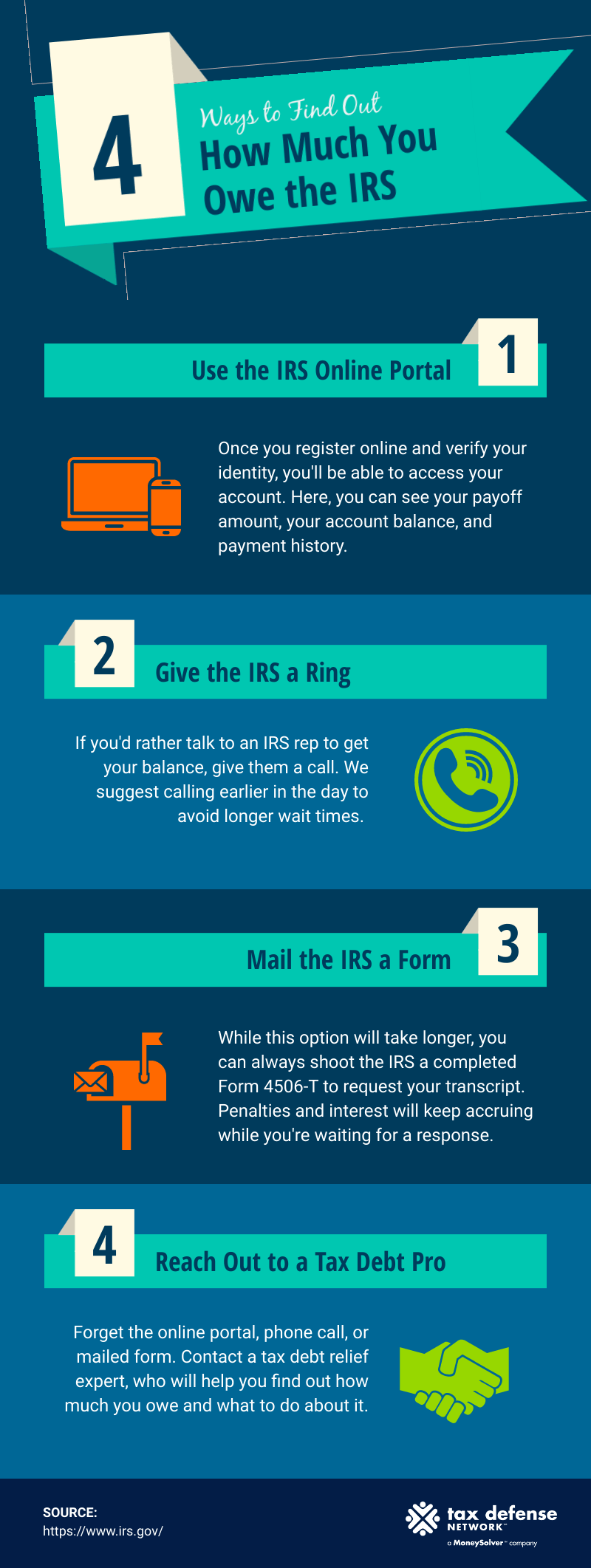
The most direct and reliable method to determine if you owe money is to utilize the IRS’s own digital ecosystem. Over the last decade, the agency has significantly upgraded its “Taxpayer Experience” tools to allow for real-time balance checks and record retrieval.
The IRS Online Account Portal
The “Your Online Account” tool on the official IRS website is the primary resource for any taxpayer. By creating an account through an identity verification service (such as ID.me), you gain immediate access to your tax records. Once logged in, the dashboard displays your “Balance Due,” which is broken down by tax year. This figure includes the principal tax amount, any accrued interest, and penalties. It also provides a history of your last five years of payment activity, allowing you to cross-reference your bank statements with the IRS’s internal ledger.
Requesting and Interpreting Tax Transcripts
If your online account indicates a discrepancy or if you need a deeper dive into your filing history, requesting a tax transcript is the next logical step. There are several types of transcripts, but the “Tax Account Transcript” is the most useful for determining debt. It shows basic data such as return type, marital status, adjusted gross income, taxable income, and, crucially, any subsequent adjustments made by the IRS after you filed. If the IRS has assessed additional taxes due to a math error or a mismatch in reported income, it will appear here as a “Code 290” (Additional Tax Assessed) or a similar transaction code.
The Role of the Interactive Tax Assistant
For those who are unsure if they are even required to file—a common precursor to owing money—the IRS provides the Interactive Tax Assistant (ITA). This tool uses a series of logic-based questions to determine your filing requirements based on your gross income, filing status, and age. If the ITA determines you were required to file for a previous year and you failed to do so, it is highly probable that you have an outstanding liability, even if the IRS has not yet sent a formal bill.
Recognizing the Red Flags of Unpaid Taxes
Often, a taxpayer’s first clue that they owe money doesn’t come from a website, but from their own financial records or specific communication from the federal government. Identifying these red flags early can save thousands of dollars in long-term interest.
Understanding Statutory Notices and Letters
The IRS is legally mandated to communicate through the U.S. Postal Service. If you receive a notice, it is the most definitive “tell” that you owe money or that there is a discrepancy in your return. Common notices include:
-
CP14: This is the initial notice informing you that you have a balance due.
-
CP501/CP503: These are follow-up reminders that your balance remains unpaid.
-
CP2000: This is an “Information Matching” notice. It occurs when the income reported on your tax return does not match the information reported to the IRS by your employer or financial institutions (Forms W-2, 1099, etc.). While not a formal bill, it often leads to an assessment of additional tax.
Discrepancies in Reported Income
In the age of the gig economy, many individuals inadvertently owe taxes because they fail to account for “invisible” income. If you received payments through platforms like Venmo, PayPal, or Cash App for business purposes, or if you traded cryptocurrency, the IRS likely received a Form 1099-K or 1099-B detailing those transactions. If you did not include this income on your Form 1040, you should assume that an automated under-reporter (AUR) case will eventually be opened, resulting in a balance due.
The Impact of Life Changes and Underwithholding
A sudden shift in your financial or personal life often leads to tax liability. If you moved from a W-2 position to independent contracting without making quarterly estimated tax payments, you almost certainly owe the IRS. Similarly, “bracket creep”—where a significant raise or a bonus pushes you into a higher tax percentage—can result in your employer’s standard withholding being insufficient to cover your total year-end liability.

Navigating the Complexities of Penalties and Interest
Knowing you owe the IRS is only half the battle; the other half is understanding how that debt grows. The IRS does not just collect the tax you missed; it functions as a high-interest lender for unpaid balances.
Failure to File vs. Failure to Pay
It is a common misconception that if you cannot afford to pay, you should not file. In reality, the “Failure to File” penalty is significantly more aggressive than the “Failure to Pay” penalty. The penalty for filing late is generally 5% of the unpaid taxes for each month or part of a month that a tax return is late. The penalty for paying late is 0.5% of the unpaid taxes for each month or part of a month the tax remains unpaid. If you realize you owe money but have not filed, the “tell” is the 5% monthly increase in your projected debt.
How Compounding Interest Accelerates Debt
The IRS charges underpayment interest that is tied to the federal short-term rate plus 3%. This interest is compounded daily. Unlike a standard bank loan where you might have a fixed period of interest, IRS interest applies to the tax, the penalties, and the previous interest already added to the account. If you look at a balance from two years ago and notice it is significantly higher than the original tax amount, this compounding effect is the reason.
Protecting Yourself from Fraud and Misinformation
As you investigate whether you owe money, you must be vigilant against the plethora of scams targeting taxpayers. Scammers often exploit the fear associated with IRS debt to steal personal information or funds.
Distinguishing Official Correspondence from Scams
A legitimate notification of debt will always come via a physical letter in a government envelope. The IRS does not initiate contact by email, text message, or social media channels to request personal or financial information. Furthermore, the IRS will never demand immediate payment using a specific method, such as a prepaid debit card, gift card, or wire transfer. If you receive a phone call from someone claiming to be from the IRS demanding “immediate payment” or threatening local police action, it is a scam.
Verifying Balances Without Compromising Security
The safest way to verify a balance is to go directly to the source. If you receive a letter that looks official but you are skeptical, do not use the contact information provided in the letter. Instead, navigate to IRS.gov and use the “Taxpayer Assistance Center” locator or call the official IRS toll-free number (800-829-1040). Verifying your debt through these official channels ensures that your sensitive data remains protected while you seek clarity on your financial obligations.
Strategic Solutions for Managing an Outstanding Balance
Once you have confirmed that you owe the IRS, the focus must shift from discovery to resolution. The U.S. tax system is designed to be “pay-as-you-go,” but it offers several off-ramps for those who find themselves in a deficit.
Short-Term and Long-Term Payment Plans
The IRS offers “Installment Agreements” for taxpayers who cannot pay their full balance immediately. If you owe less than $50,000 in combined tax, penalties, and interest, you can often apply for an online payment agreement. These plans can span up to 72 months. While interest still accrues, setting up a formal plan often stops more aggressive collection actions, such as wage garnishments or federal tax liens.

Seeking Professional Tax Representation
For complex cases involving large sums or multiple years of unfiled returns, the most “insightful” move is to hire a professional. Enrolled Agents (EAs), Certified Public Accountants (CPAs), or tax attorneys can negotiate on your behalf. They may utilize tools like an “Offer in Compromise” (OIC), which allows you to settle your tax debt for less than the full amount you owe if you can prove that paying the full amount would create a severe financial hardship. Additionally, “Penalty Abatement” may be available for taxpayers with a clean prior history who had a “reasonable cause” for their failure to pay or file on time.
In conclusion, determining if you owe the IRS is a process of active inquiry. By checking your online account, analyzing your recent income changes, and responding promptly to official correspondence, you can take control of your financial destiny and mitigate the long-term impact of federal tax debt.
aViewFromTheCave is a participant in the Amazon Services LLC Associates Program, an affiliate advertising program designed to provide a means for sites to earn advertising fees by advertising and linking to Amazon.com. Amazon, the Amazon logo, AmazonSupply, and the AmazonSupply logo are trademarks of Amazon.com, Inc. or its affiliates. As an Amazon Associate we earn affiliate commissions from qualifying purchases.